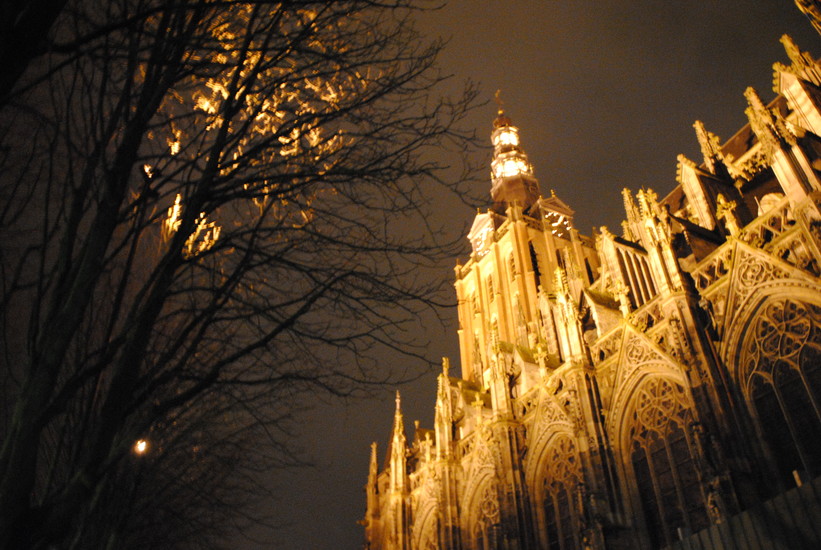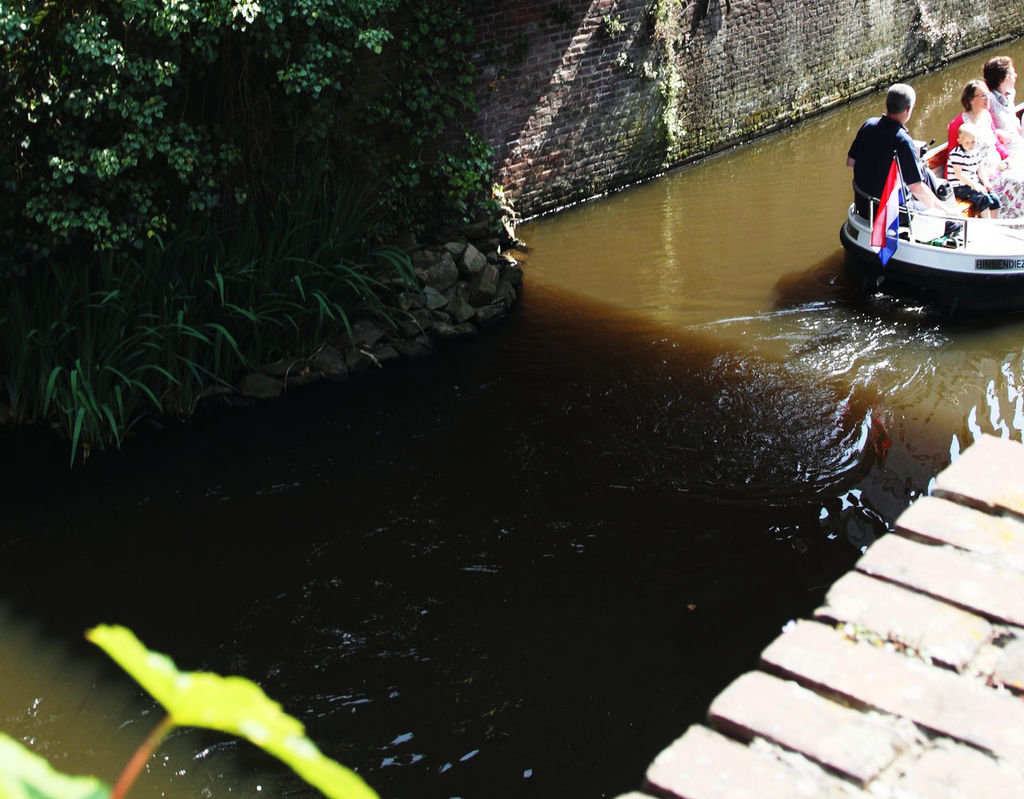

Hollands' most important painter of the Middle Ages was born Jeroen van Aecken, but few people know him by this name. Hieronymus Bosch (1450 - 1516), AKA Jeroen Bosch, is ‘s-Hertogenbosch's most famous son. In 2016 the city will commemorate the 500th anniversary of his death with an unprecedented cultural programme. Over the course of centuries his work has travelled across the globe, from the renowned galleries of American cities to the capital of Spain.
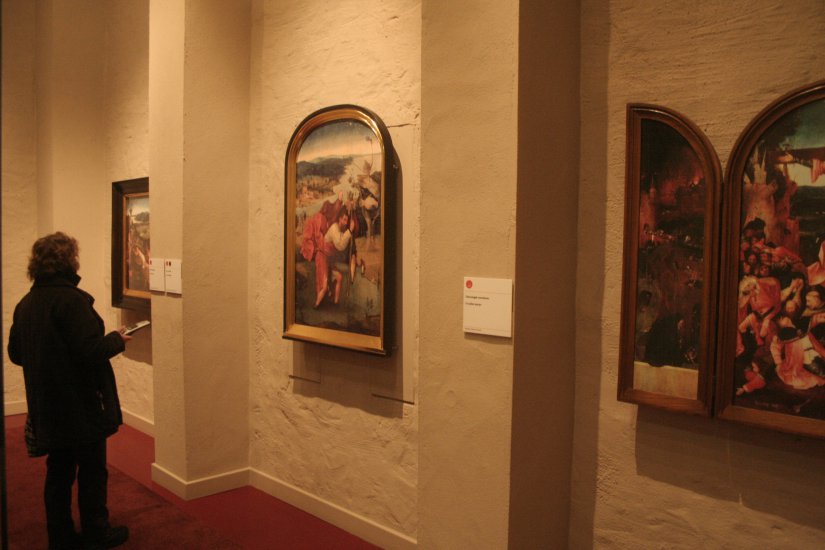
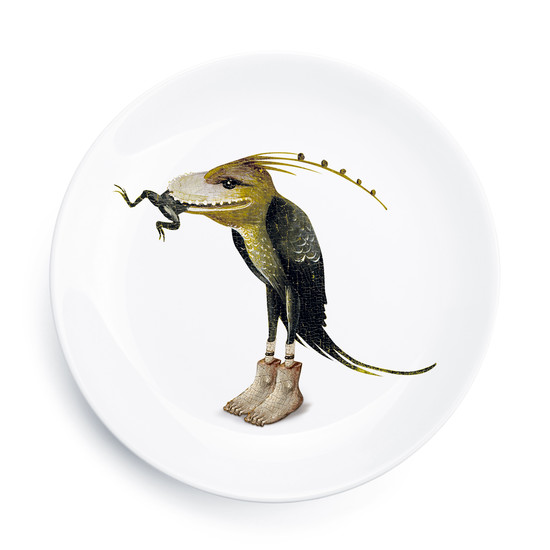
Many find it surprising that such an incredibly gifted painter managed to develop his talents in what could be described as a rather provincial artistic backwater. This 'lone wolf' didn't belong to any artistic groups, but developed his own paintings and style. Bosch grew up in turbulent times when there was a great fear of the devil and all things evil. They were times filled with many contagious diseases like the plague and lots of people believed, perhaps not unlike today, that the end of the world was nigh. Therefore, the creativity of many painters was restricted to precise copies of religious themes. Flouting convention, Hieronymus Bosch took the liberty of painting his own, original ideas. With his potent imagination he pictured the oppressive atmosphere that was preached from the pulpit and which lingered in people's minds. Naturally, he was light years ahead of his contemporaries. Contrary to the serene work of other painters of his day, the fantastic works of Bosch illustrate fear, horror, sin and misfortune. The first things that many people notice in his works are the surreal and atrocious creatures. Today, only 25 paintings and nine drawings known to have been created by him still exist. The works of this passionate man are exhibited in various museums all over the world. If you'd like to know more about Hieronymus Bosch, visit the Jheronimus Bosch Art Center.
Many find it surprising that such an incredibly gifted painter managed to develop his talents in what could be described as a rather provincial artistic backwater. This 'lone wolf' didn't belong to any artistic groups, but developed his own paintings and style. Bosch grew up in turbulent times when there was a great fear of the devil and all things evil. They were times filled with many contagious diseases like the plague and lots of people believed, perhaps not unlike today, that the end of the world was nigh. Therefore, the creativity of many painters was restricted to precise copies of religious themes. Flouting convention, Hieronymus Bosch took the liberty of painting his own, original ideas. With his potent imagination he pictured the oppressive atmosphere that was preached from the pulpit and which lingered in people's minds. Naturally, he was light years ahead of his contemporaries. Contrary to the serene work of other painters of his day, the fantastic works of Bosch illustrate fear, horror, sin and misfortune. The first things that many people notice in his works are the surreal and atrocious creatures. Today, only 25 paintings and nine drawings known to have been created by him still exist. The works of this passionate man are exhibited in various museums all over the world. If you'd like to know more about Hieronymus Bosch, visit the Jheronimus Bosch Art Center.