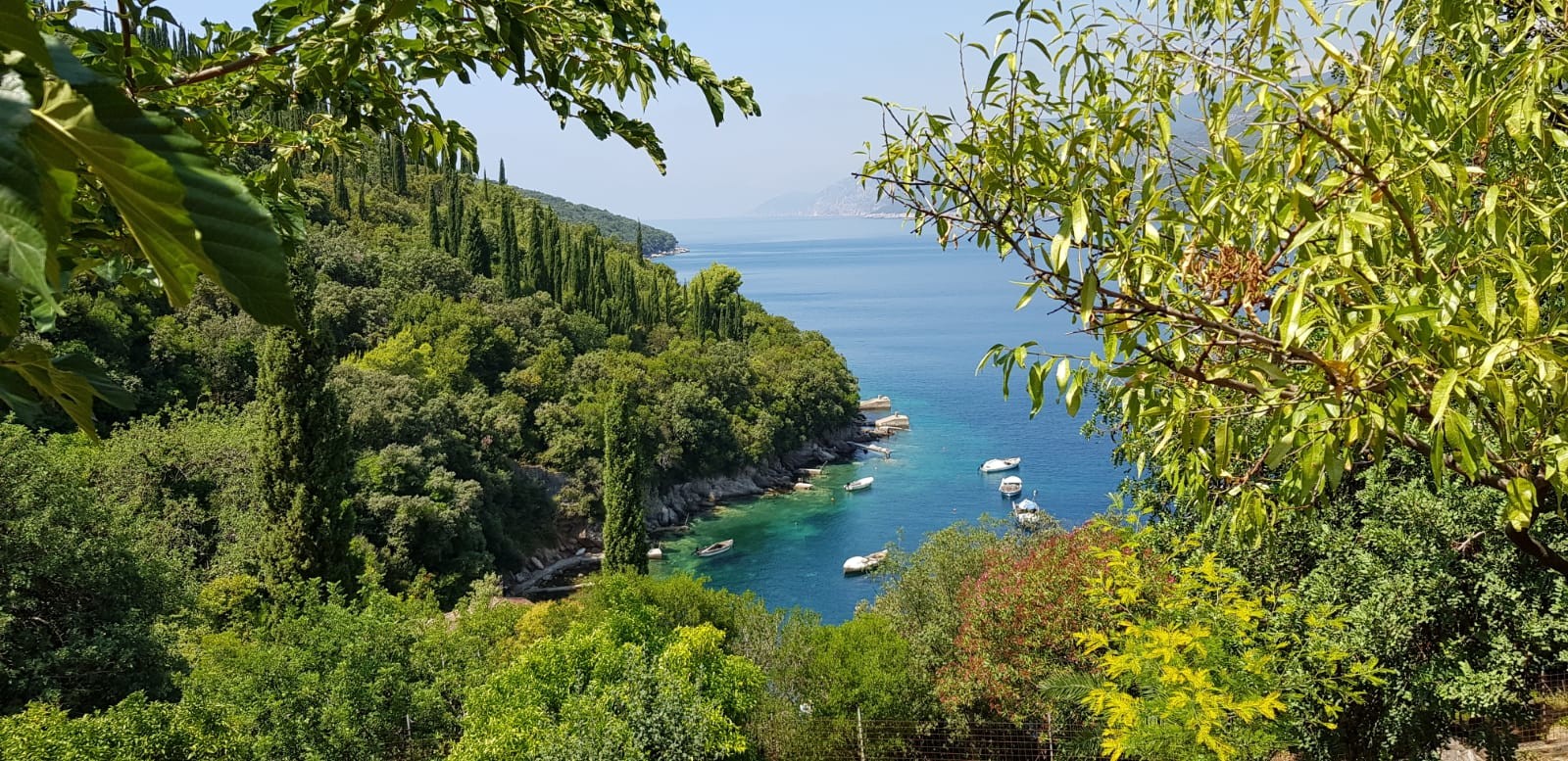


This tiny island is a symbol of the entire island of Mljet due to its exceptional beauty and strong cultural and spiritual aspect. Nestled here on this tiny islet, the Benedictines from Monte Gargano, Italy arrived, built a monastery and church dedicated to St Mary in the 12th century, and became the feudal lords.The significant development of literacy, culture and art was accredited to the Benedictines.
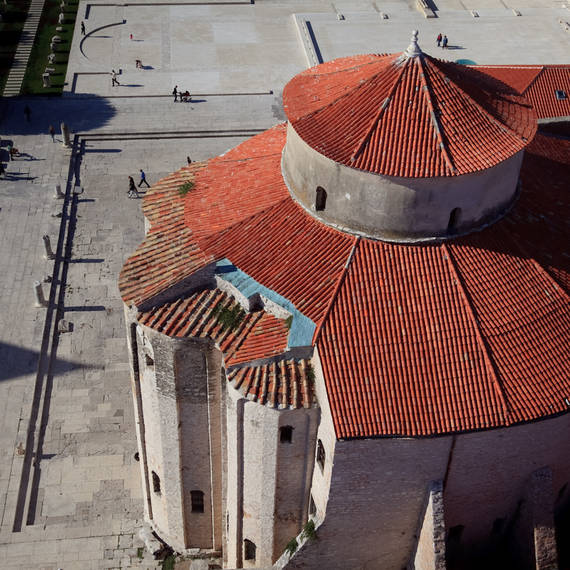
Over the years the church changed styles but it continued to remain characteristically Romanesque, adorned with decorative reliefs of holy icons and typical Romanesque belltower. From the 16th-17th century, changes were made with Renaissance features in the church portal with the Gundulić coat of arms, four-cornered walled fortifications and the two-storeyed structure of the monastery. Two chapels with altars make up the Baroque component. In 1809, during the rule of Napoleon, the monastery was abandoned and the Forestry Office for Mljet took over, residing offices here until 1941. In 1960 it was renovated into a hotel but given back to the bishopric in 1997.
Over the years the church changed styles but it continued to remain characteristically Romanesque, adorned with decorative reliefs of holy icons and typical Romanesque belltower. From the 16th-17th century, changes were made with Renaissance features in the church portal with the Gundulić coat of arms, four-cornered walled fortifications and the two-storeyed structure of the monastery. Two chapels with altars make up the Baroque component. In 1809, during the rule of Napoleon, the monastery was abandoned and the Forestry Office for Mljet took over, residing offices here until 1941. In 1960 it was renovated into a hotel but given back to the bishopric in 1997.