Berlin
Arrival & Transport
Trains
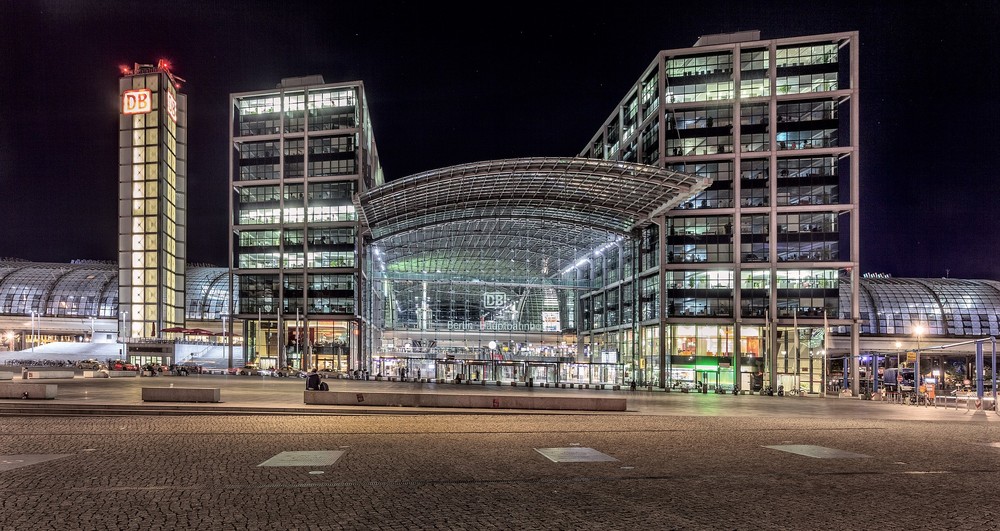
Gone are the days when every InterRail traveller tumbled in at Zoo Bahnhof, where the inadvertent bump of an overloaded backpack could have been the final blow to a nodding-off heroin addict. Berlin is a new place since the opening of the huge, glass-sheathed Hauptbahnhof main station.
All regional and intercity trains now stop at Hauptbahnhof station, some arriving via the new north-south tunnel, others on the elevated track. The station has all the essentials; shopping mall, post office, toilets and showers and the Infostore tourist information centre. Zoo Bahnhof (Zoologischer Garten) has been reduced to a regional train stop, much to the chagrin of the surrounding businesses, as has Ostbahnhof station (in Friedrichshain and 20 minutes away by S-Bahn from Zoo Bahnhof).
All these train stations are connected to the main S-Bahn line, and some to the U-Bahn. Regional (RE) trains along the elevated east-west track stop at Mitte’s Alexanderplatz and Friedrichstraße stations as well. If your train ticket mentions Berlin Stadtbahn you can use it to travel further on the elevated S-Bahn track between Charlottenburg and Ostbahnhof stations.
DB (Deutsche Bahn, German railways) uses a number of train types on long-distance routes. The supersexy, delux highspeed ICE trains (InterCity Express; 'eeh-tsay-ay') zip through the countryside on purpose-built tracks at up to 300km/hr. Every seat has a headphone plug for the eight music stations, and you may get a TV screen too. Table seats have 220V plugs for laptops, and some carriages have amplifiers to enable clear mobile phone conversations. EC (EuroCity) and IC (InterCity) trains are less swank, but still very good, connecting international and German cities respectively. Seat reservations on InterRegion Express and InterCity trains cost €3; they are free if you buy your ticket from a vending machine or book it online (if you book on www.bahn.de, you can print out your ticket).
All kinds of tickets can be purchased at all train stations. DB has a complicated pricing structure; the sooner you buy the ticket, the more likely you’ll get a reduced price. All major railway stations have counters with semi-English speaking staff, though Hauptbahnhof is best equipped for foreign travellers. The DB's German and European online train timetable at www.bahn.de is so good that it's often easier to use for planning trips within neighbouring countries than the relevant national websites. It can handle complicated international connections and lists prices for trips within Germany, and there's an English version too.