Browse Content

Liepaja   Sightseeing


This In Your Pocket Guide is available as
Karosta

Karosta

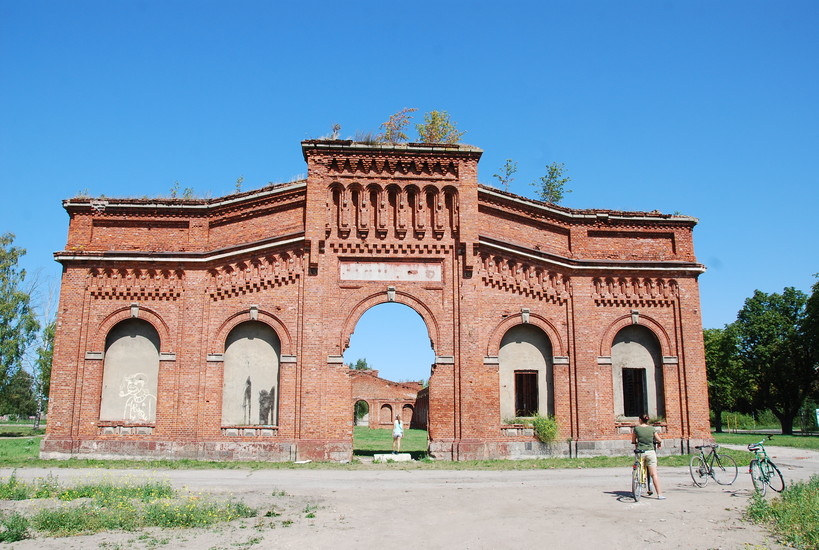
Once completely off limits to civilians, the Naval Port has become Liepāja’s main tourist attraction and fertile ground for a community of free-thinkers, artists and assorted bohemians. Built from 1890 - 1904 at the behest of Tsar Alexander III, the city within a city cost the Russian treasury a modest sum of 45 million gold roubles. Ironically, the massive fortifications constructed on the coast were dynamited before the First World War even began as a result of the friendship treaty signed between Germany and Russia in 1908. The complex of imposing brick buildings and barracks became known as the Kara osta (war port) during the first Latvian republic and is now simply called Karosta. The Soviets also used the base and left their mark in typical fashion in the form of ugly concrete apartment blocks surrounding the soaring Orthodox Cathedral, many of which are now abandoned. If you’ve got plenty of time then you can cover the area on foot, but we recommend a bicycle tour. For more information visit www.karosta.lv.

Bookmark and Share

Liepaja | Sightseeing | Karosta

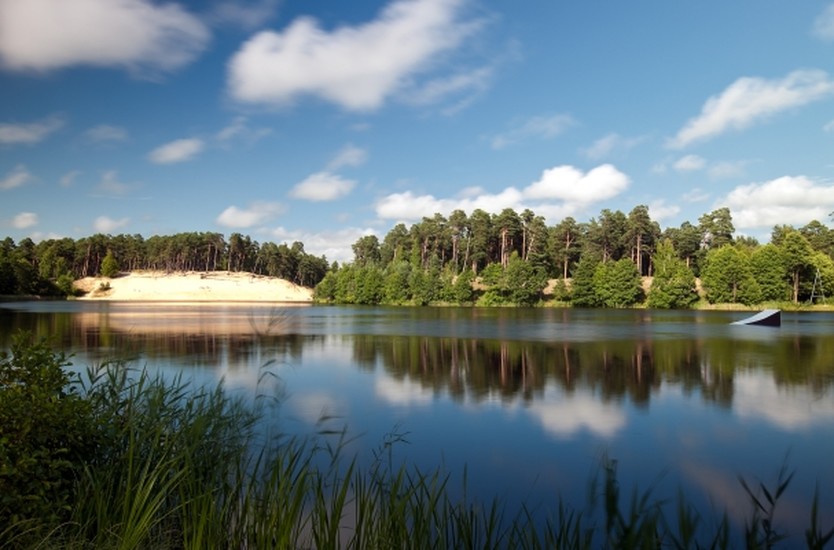
Located on the shores of Lake Beberliņi north of the cathedral, it’s a popular place to have a picnic, take a swim, rent a boat or just a place to relax in the sun. Children can also take advantage of a playground. [...]


Add your comment

Lībiešu iela

Just beyond the prison is the sprawling hippodrome, a testament to the importance of the cavalry in early 20th-century warfare and to the fascination with horses in an age when Henry Ford was just beginning to mesmerise the world with his horseless carriages. The original structure was completely enclosed by a glass roof and military equestrian performances took place every weekend to crowds of spectators as large as 4,000 people. [...]


Add your comment

Manēžas iela

Karosta Prison
Latvia’s very own version of Alcatraz, but without the water, the sharks and the view of the Golden Gate bridge. The ominous brick building has however been witness to some ghastly crimes over the past century. Originally built as an infirmary in 1900, it was used as a military prison by a long succession of regimes including the Soviets, Nazis and most recently, the Latvians. Indeed, the last prisoner was detained here as recently as 1997, a disturbing thought once you’ve seen the frightening scenes inside. Although the Nazis sentenced ‘criminals’ such as Latvian deserters to death here and executed them outside in the yard, the post-independence Latvian military mostly imprisoned barroom brawlers, drunks and seamen who went AWOL and then usually only for a few days. A tour of the building will reveal the horrible life lived by the inmates and the graffiti they left behind. Above the door in the solitary confinement cell is a cryptic message: ‘izeja no elles’ or ‘exit from hell.’
Guides are also happy to tell you the tale of the ghost that haunts the prison and how doors often swing open by themselves, how light bulbs screw out of their sockets and how visitors and staff have felt the disturbing cold of a presence not of this earth. The hauntings were even investigated in an episode of the SciFi Channel's Ghost Hunters International. They claimed it was one of the most active locations they had ever visited.
Visitors can take a simple tour with a guide or audio guide, participate in a reality show (in English or German), spend the night in a cell or do the ultimate and become a prisoner for the night including regular bed checks, verbal abuse by guards in period uniforms and experience the horrors of using the latrine (see website for details). For participatory events you must call ahead and reserve a time.
[...]


Add your comment

Invalīdu 4

tel. (+371) 26 36 94 70

Open 10:00-18:00
When the weather’s good, the 1800m-long breakwater makes for a pleasant stroll on the sea, without getting wet. Storm watchers also come here for excellent views of the waves, but do so at your own risk. [...]


Add your comment

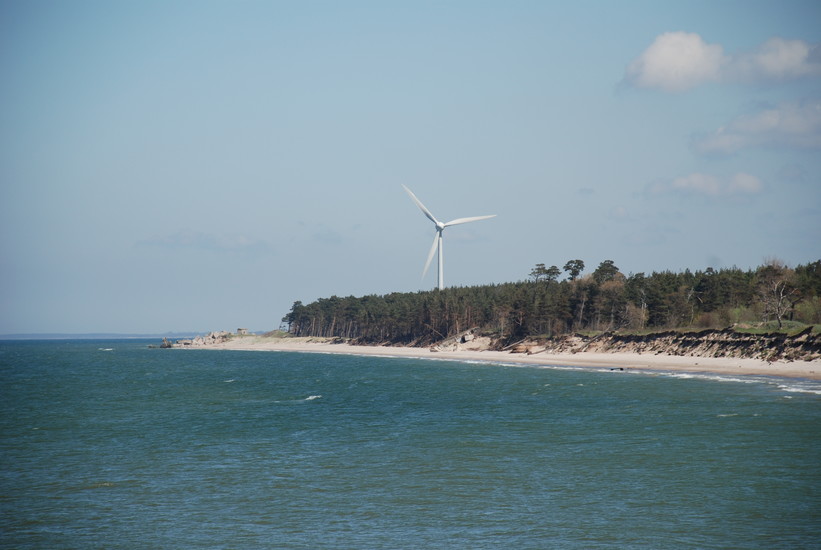
Northern Forts
A long system of concrete fortifications were once part of the Naval Port’s defences, but they were destroyed after a friendship and cooperation agreement was signed with Germany in 1908. It’s not known if the tsar later pondered the irony of blowing up such massive defences on the eve of WWI, but of course it's always easy to make jokes with hindsight. Today, you can cautiously walk through the ruins and watch buildings, pillboxes and concrete staircases slowly recede into the sea. Similar forts are visible in the south of Liepāja where Klaipēdas and Ganību streets meet. [...]


Add your comment

North of the breakwater, west of Atmodas bulvāris

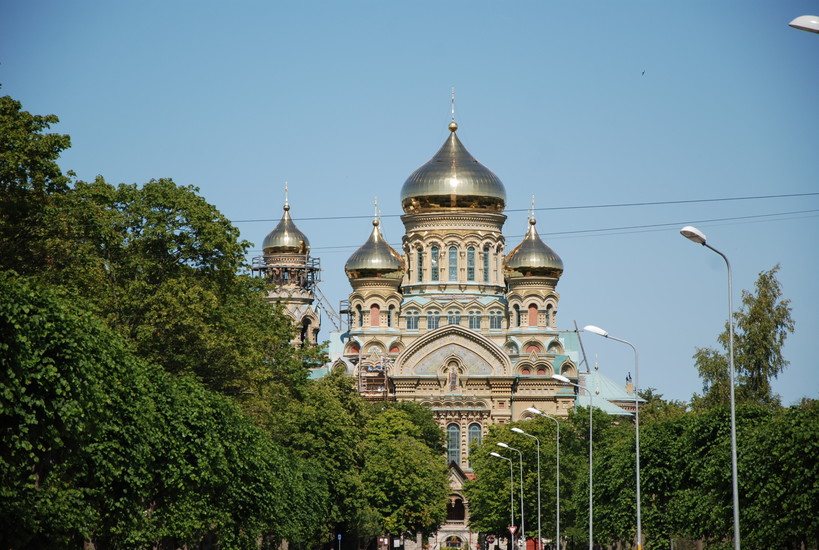
St. Nicholas Orthodox Sea Cathedral
This monumental symbol of both the Orthodox Church and the tsarist monarchy must have been at odds with communist doctrine and no doubt a thorn in the side of the party devout. Finished in 1903 and christened by Nicholas II himself, it served as the garrison’s church much as it did during the Latvian period. The Soviets however used it as a warehouse, gymnasium and meeting hall. Today it is once again an Orthodox house of worship and an architectural wonder in a sea of concrete mediocrity. [...]


Add your comment

Katedrāles 7

tel. (+371) 63 45 76 34