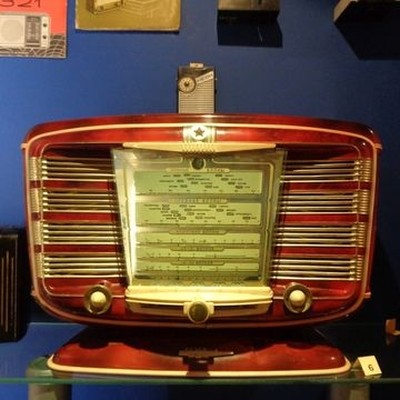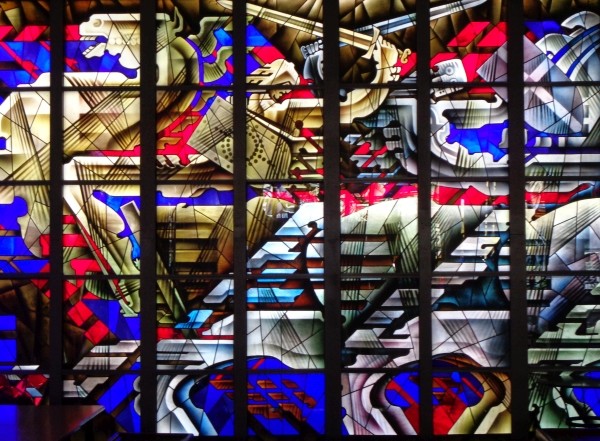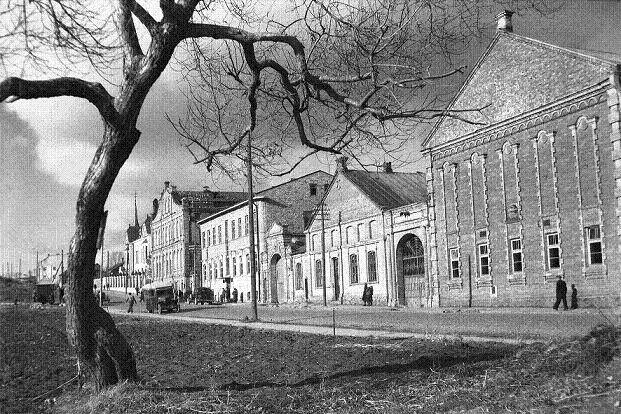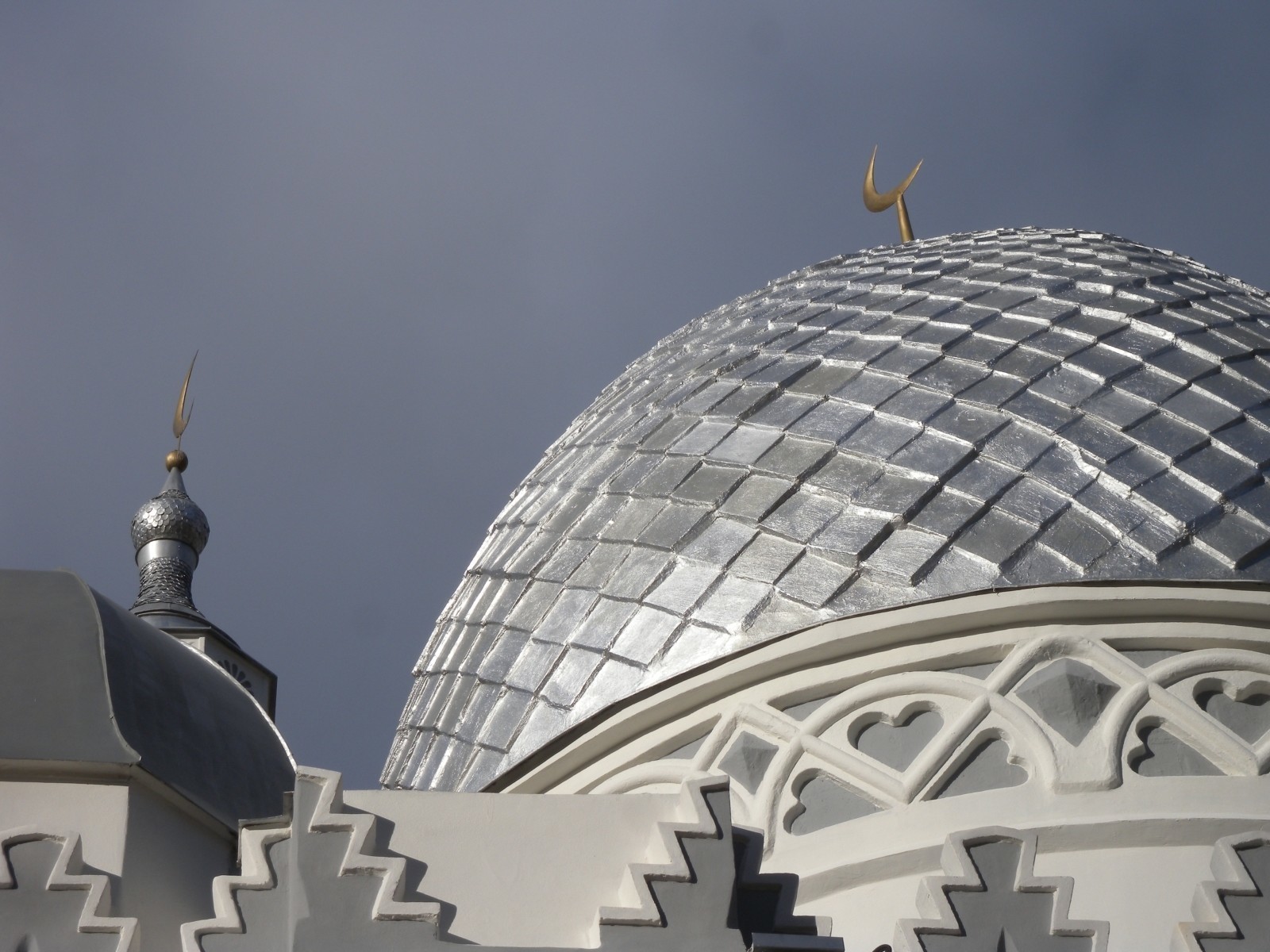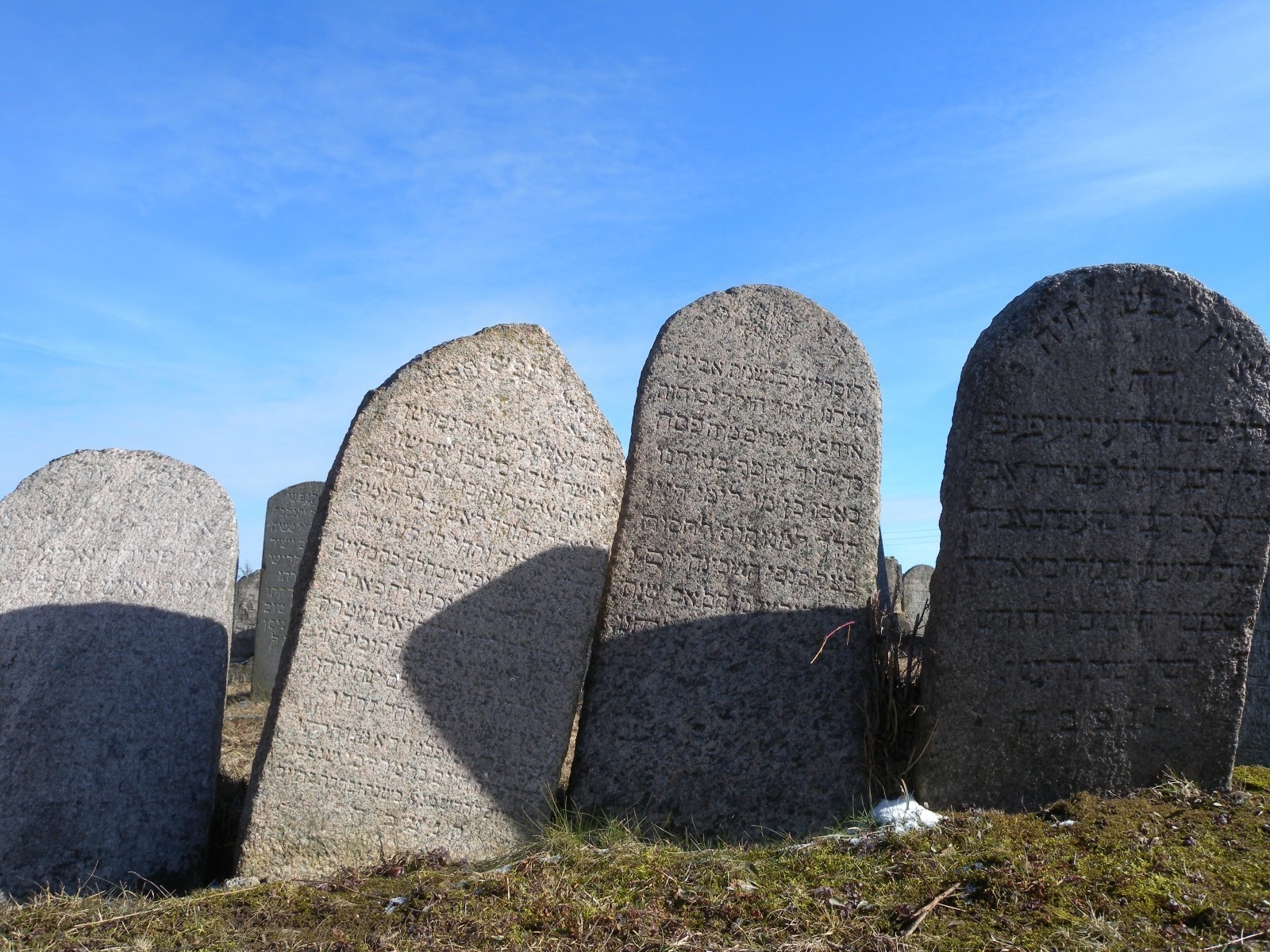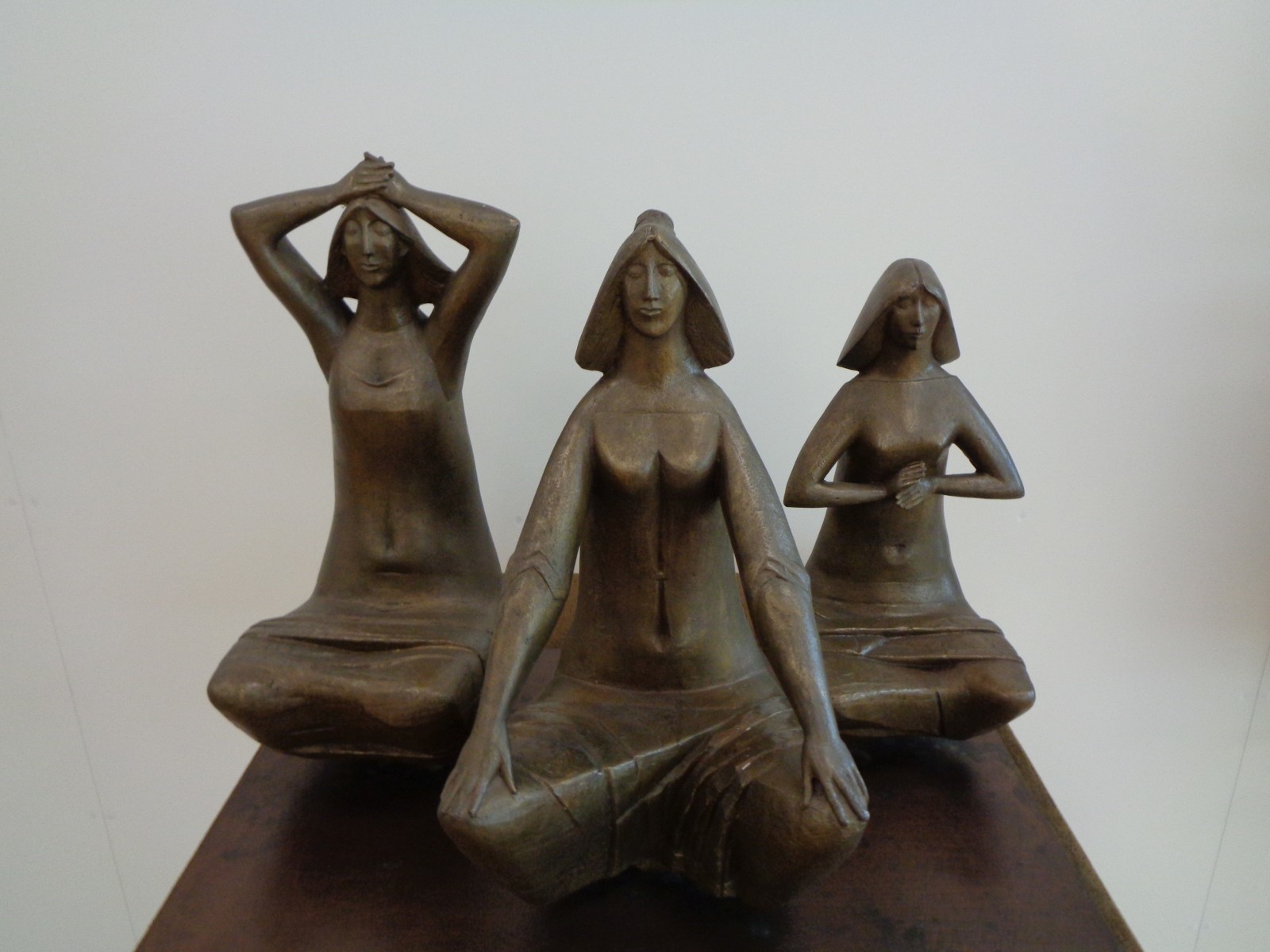
Despite a propensity for almost total destruction just about every time it sees a war, contemporary Šiauliai offers more sightseeing opportunities than most cities twice its size. Everything from 17th-century churches to the most extraordinary collection of museums and of course not forgetting the Hill of Crosses are all begging to be explored, and should all be visited when you’re in town. The city centre itself is a surprisingly good-looking piece of real estate, with one or two remaining Soviet-era masterpieces and a collection of lovely 1930s buildings scattered along Aušros. Essential Šiauliai
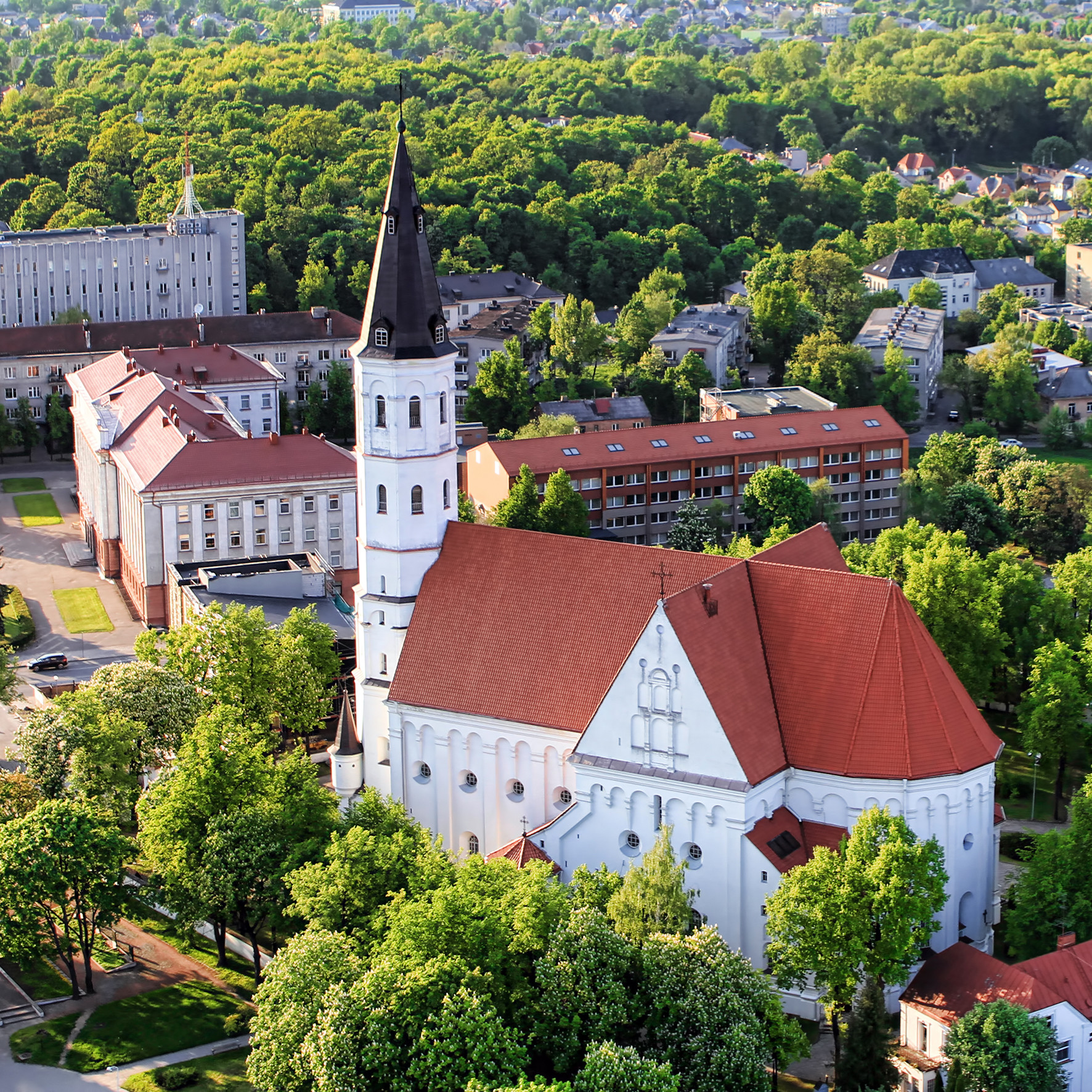
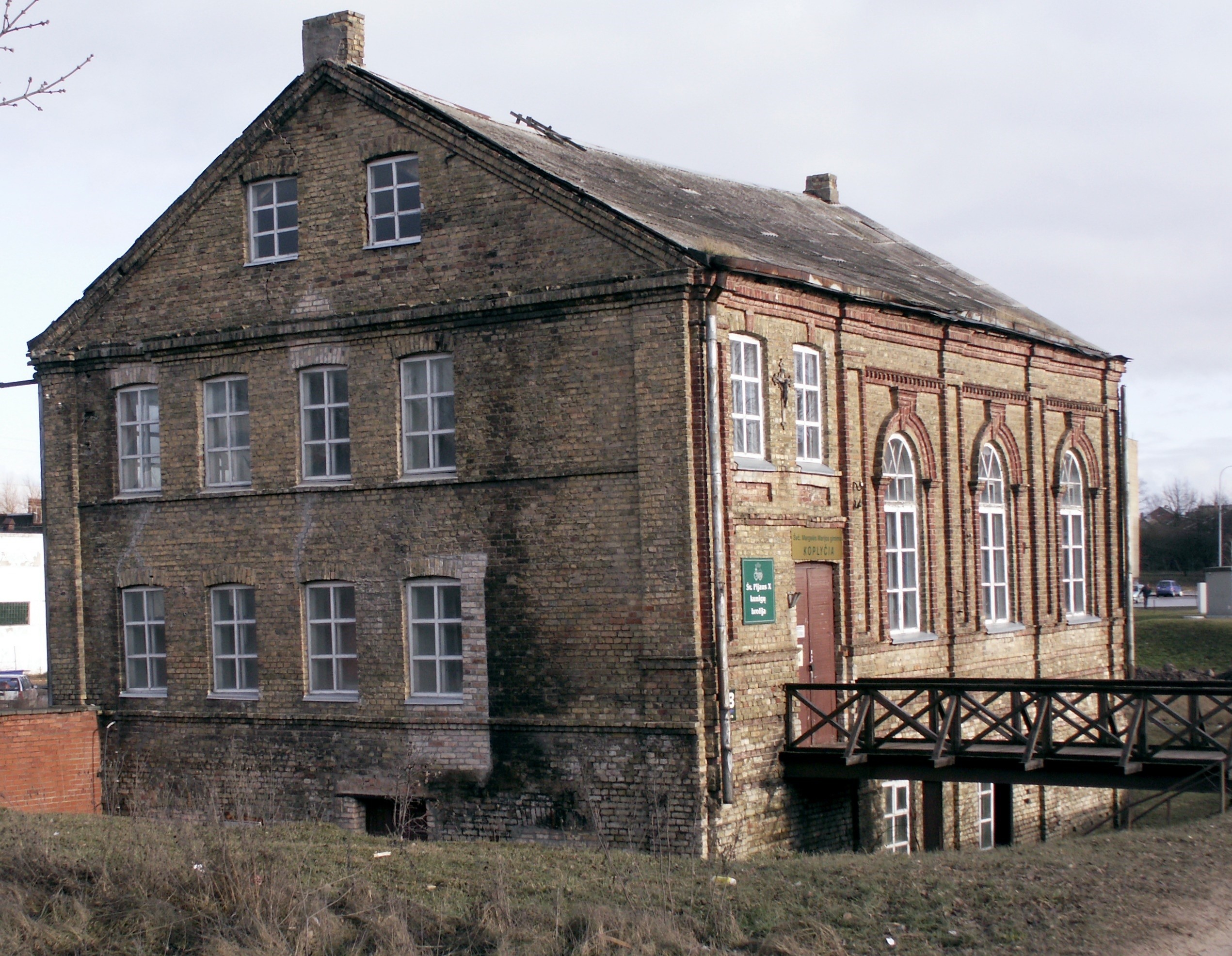
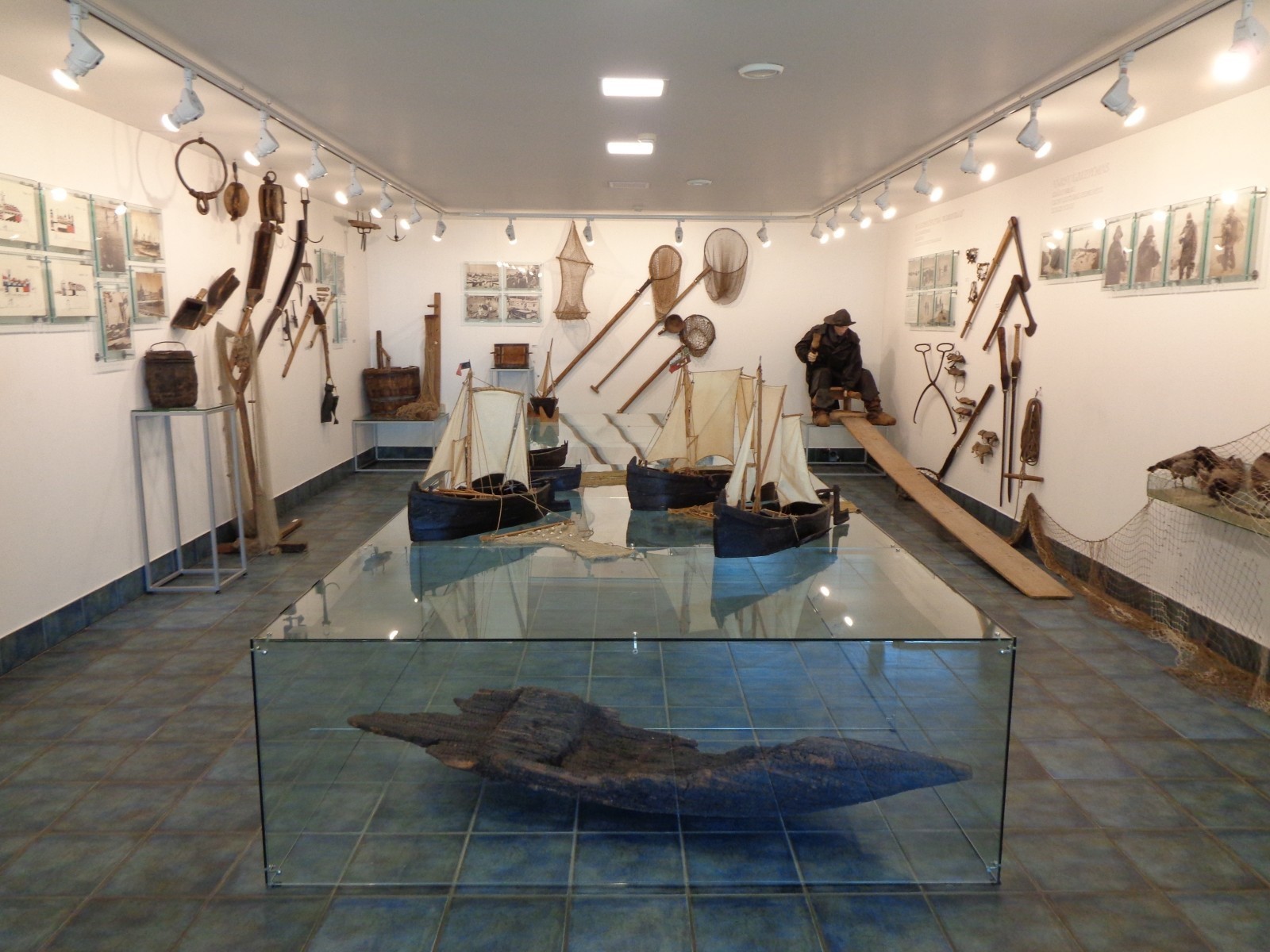
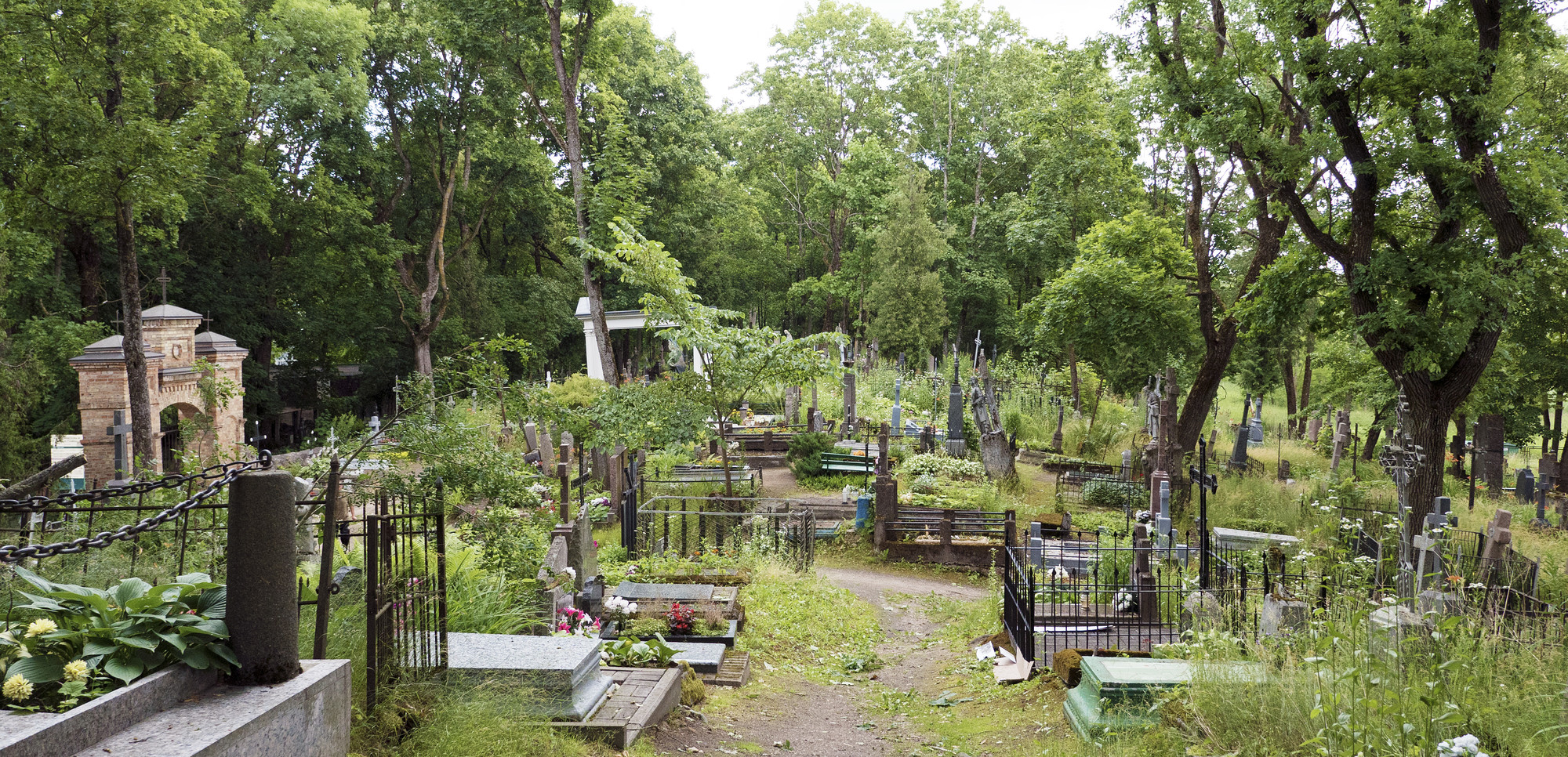
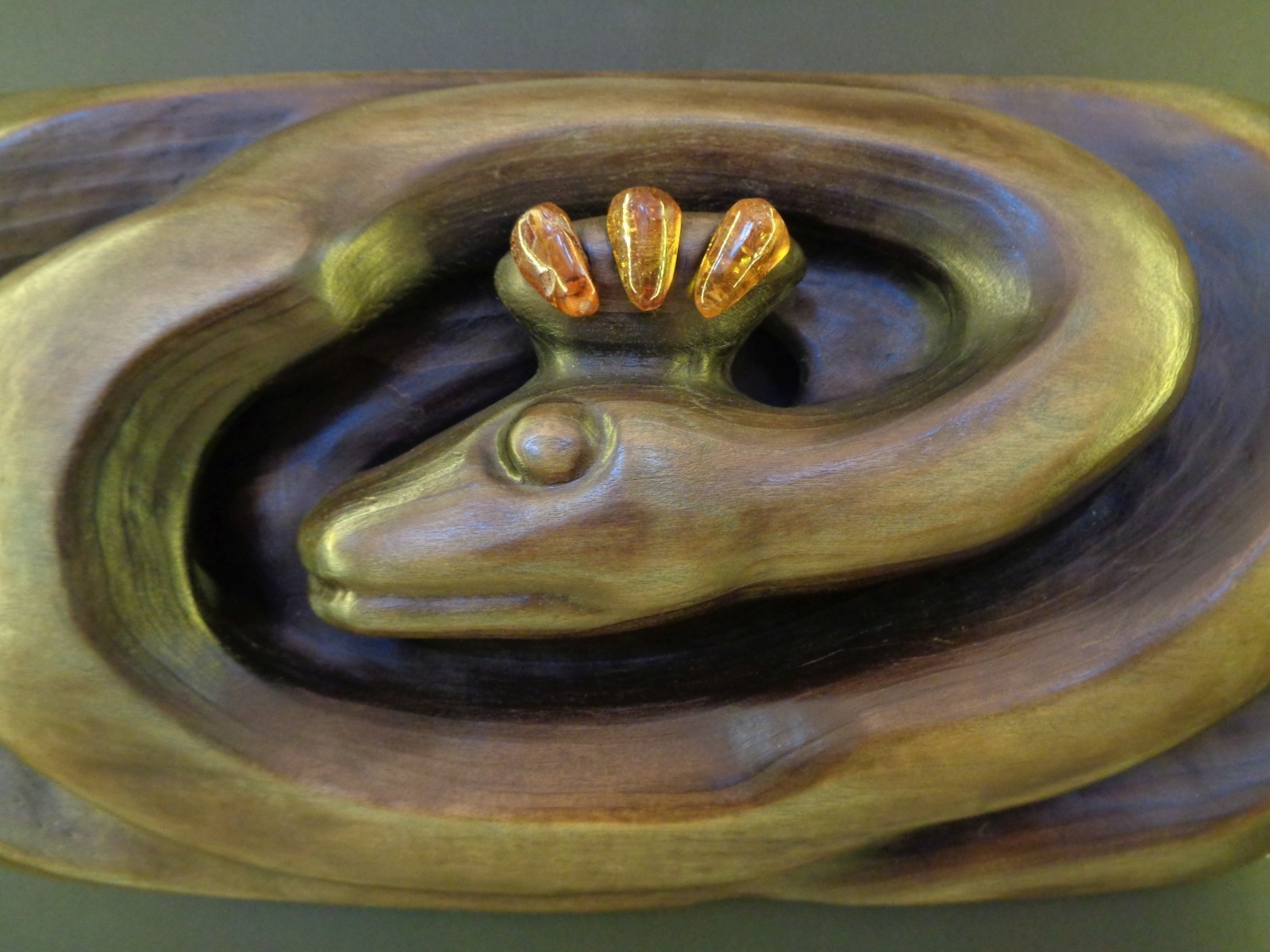
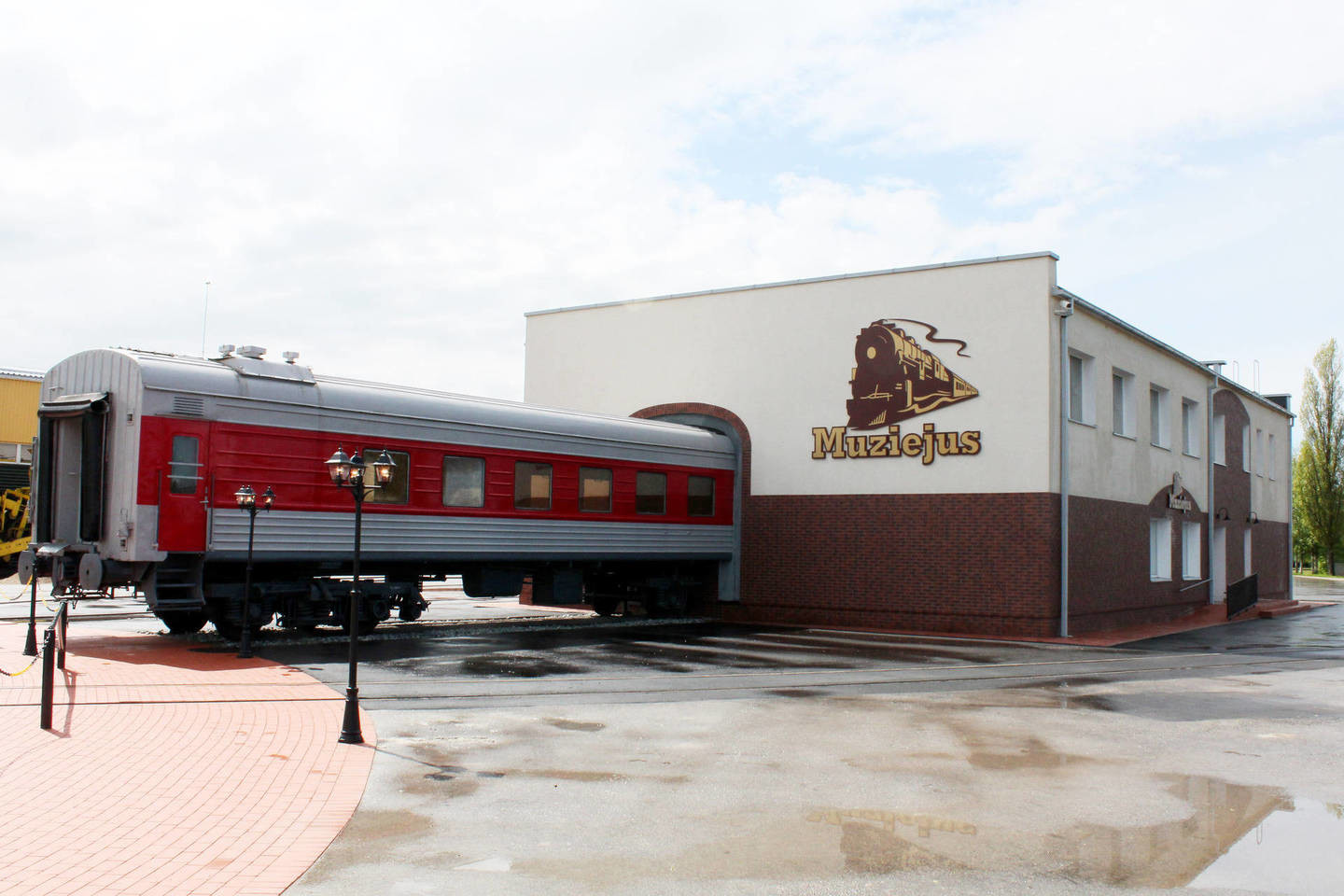
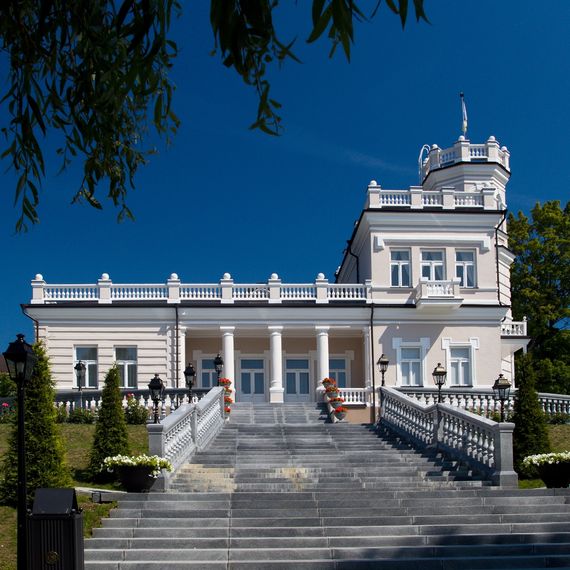
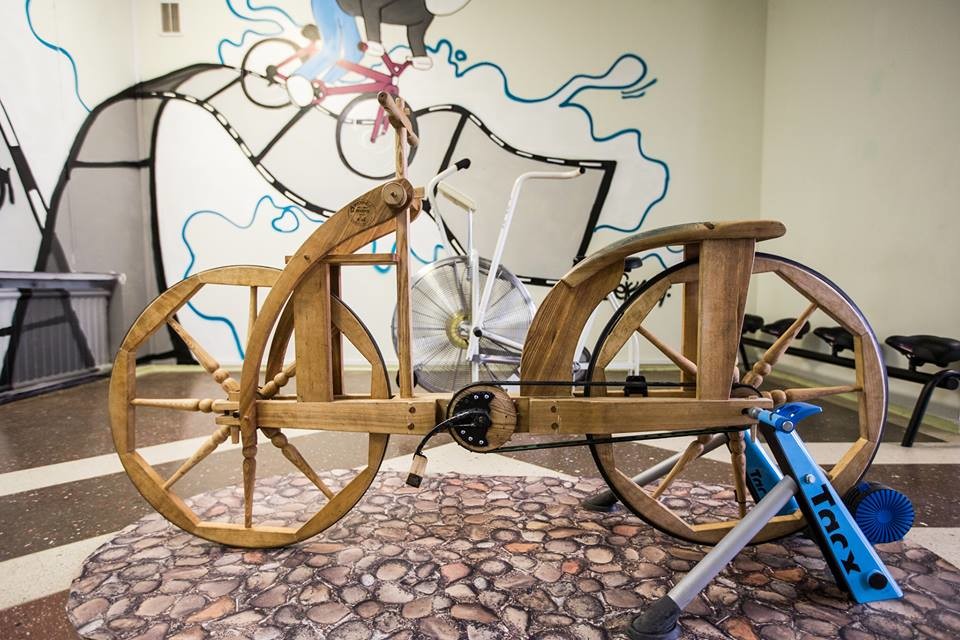
Šiauliai being the anomaly it is, its most famous site, the Hill of Crosses, is several kilometres north of the city in the middle of the countryside. A jingling testimony to the stubborn resilience of a nation, be sure to leave a cross and say a prayer when you visit. The Renaissance Cathedral, its lofty spire visible from just about anywhere in the city, is not only worth a peep inside but should be applauded vigorously for being there at all in a city twice devastated by war in the last hundred years. Although now given over almost exclusively to Lithuanian history, Frenkel’s Villa is a fitting tribute to the city’s once vibrant Jewish community and should definitely be included on any brief itinerary around the city. Of Šiauliai’s multitude of museums, the three that really stand out are the Aušros Palace, Bicycle Museum and the child-friendly Fire Engine Museum, although an accompanying native speaker is vital in order to get the full effect from all three.
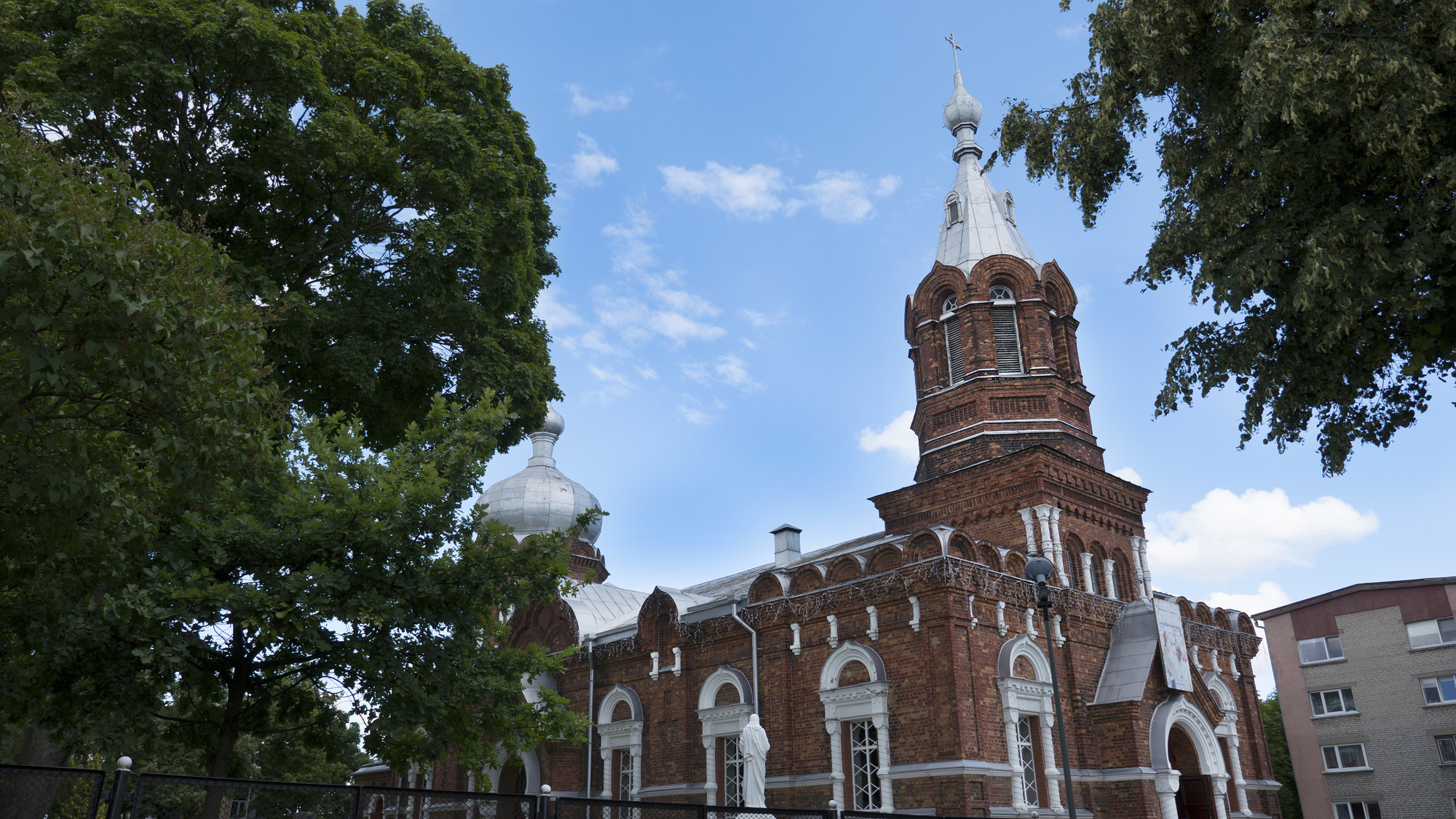
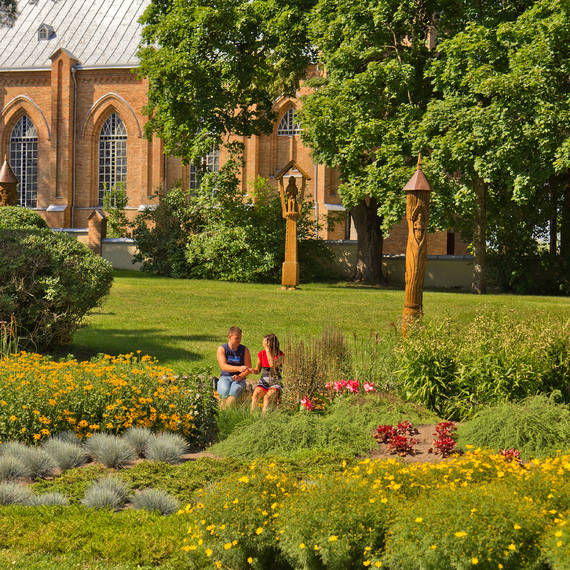
Completed at the start of the 17th century and receiving little in the way of changes over the centuries despite the devastation reaped on the city around it,
Read on
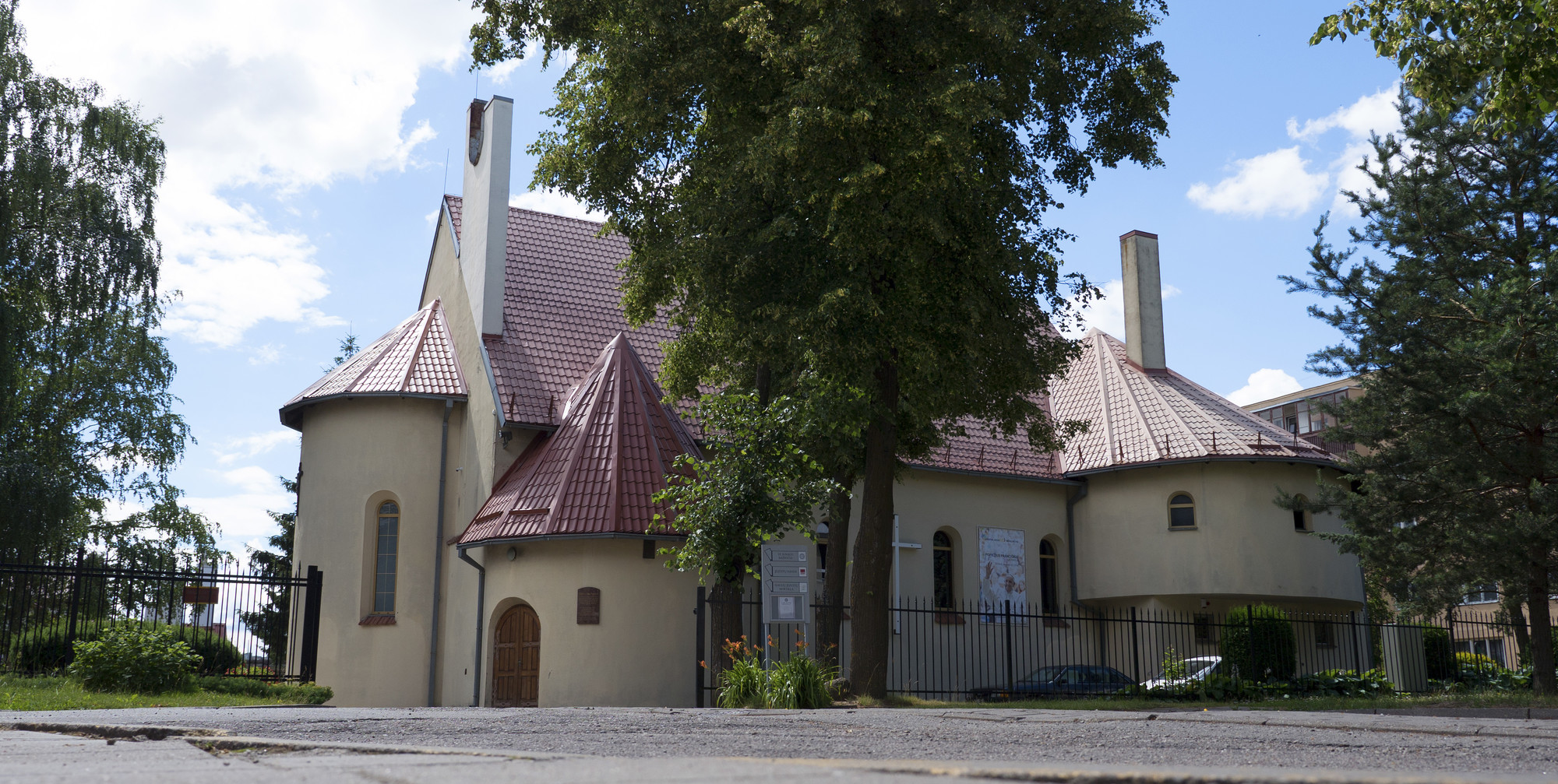
Built in 1908 as the weathercock on the roof testifies, the one-time grand residence of the Jewish industrialist Chaim Frenkel spent time as a Jewish
Read on
Latest Comments
i see one mistake : heigh of the pole is 17 meters (more than four-metre).[...]