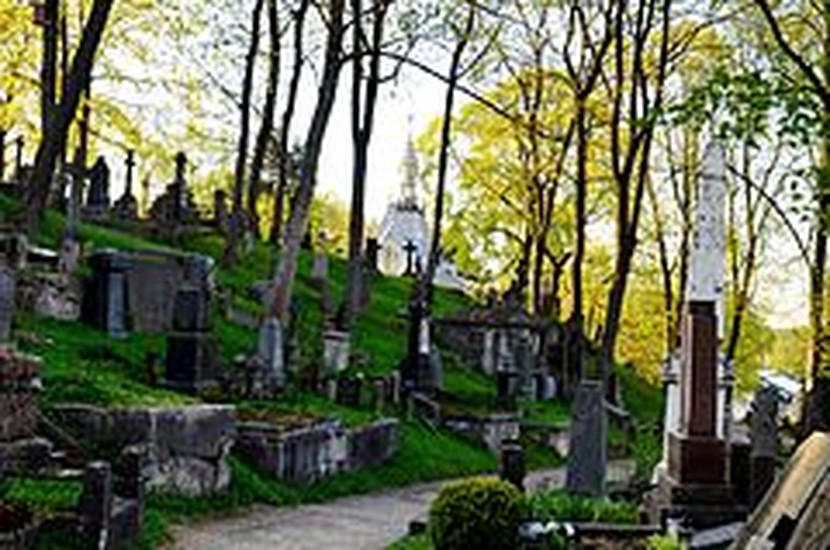
Founded in 1801 and the final resting place of many of the country’s elite, this extraordinary cemetery provides a fascinating snapshot of the cultural history of the city. Buried here are the artist and composer Mikalojus Konstantinas Čiurlionis (1875-1911), the author and publicist Jonas Basanavičius (1851-1927) and the heart of Marshall Józef Piłsudski (1867-1935), the local-born Polish general who played a key role in re-establishing Polish independence in 1918 as well as the country’s subsequent annexation of Vilnius in 1920.
Rasos Cemetery
1/3
Venue Info