This In Your Pocket Guide is available as

Bookmark and Share

Vilnius | Sightseeing | Places of interest

Centre of Europe
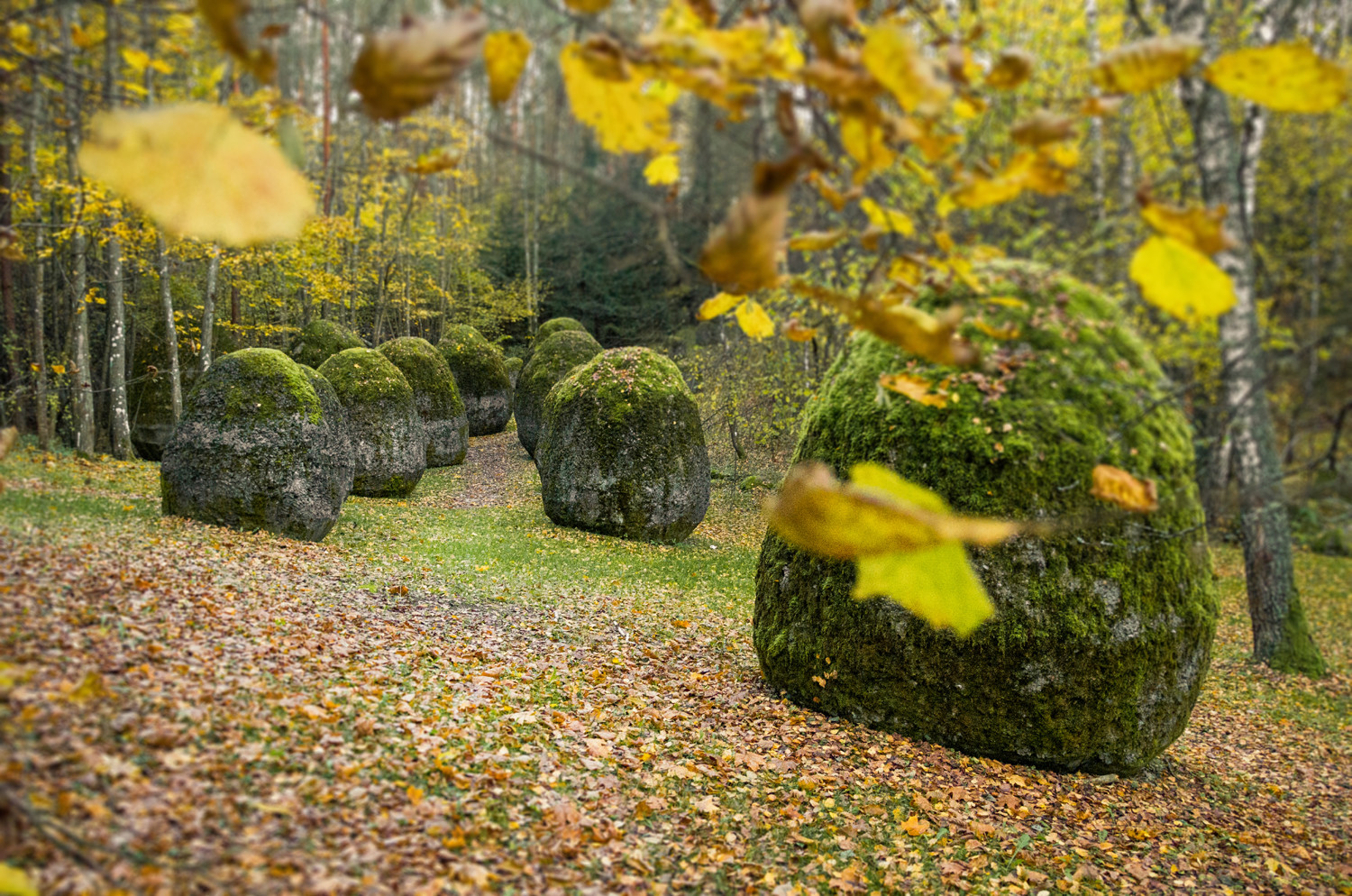
Lithuania has the proud and noble distinction of being the smack-dab centre of Europe... somewhere. A sizeable monument (designed by G. Jokūbonis) topped with golden stars and a mini-amphitheatre was finalised in the Centre of Europe. The French National Geographic Institute places the cen [...]


Add your comment

Dawn Gate
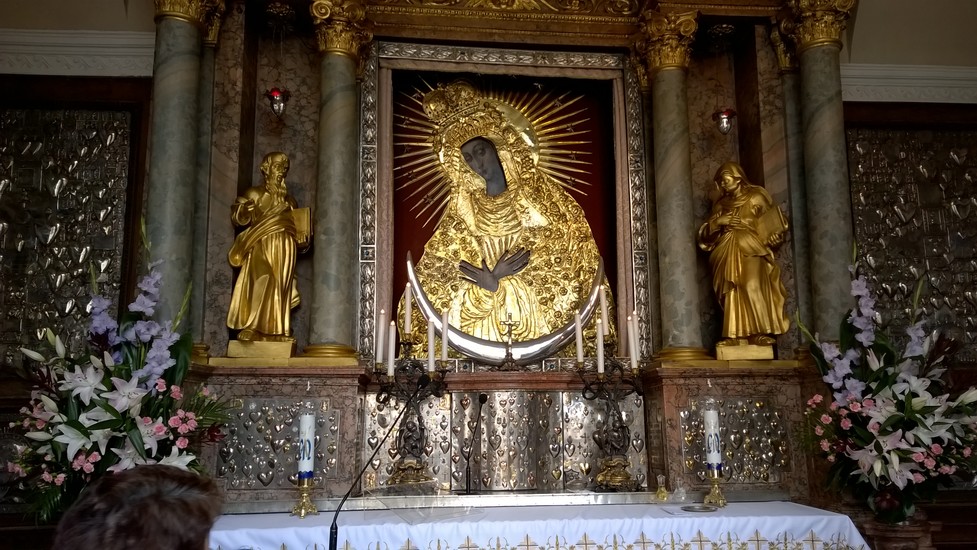
Completed in 1522, the Dawn Gate (or Sharp Gate (Ostra Brama) as it’s known to the Poles) is the only remaining gate from the city’s original defensive walls. As was common at the time, an image of the Virgin Mary was placed above all gates to protect the city, and the story of the Dawn Gate starts from this simple historic fact. The current image, known as The Blessed Virgin Mary Mother of Mercy, was painted on eight pieces of oak in around 1630 by an unknown artist, was embellished with gold and silver about 40 years after that, was housed inside a purpose-built chapel above the gate in 1706 and is believed to have magic healing powers. Interestingly, the Dawn Gate is revered by both the Catholic and Orthodox faiths and is such an important part of the city’s cultural heritage that it remained open throughout the Soviet occupation. Watch closely as people walking underneath say a silent prayer. The chapel is open to the public and is accessed via a small door on the left as you’re walking up the hill. [...]


Add your comment

Aušros Vartų 12

tel. (+370) 5 212 35 13

Mass 07:30 (Latin), 09:00, 10:00 (Polish), 17:30 (Polish), 18:30, Sun 09:00 (Polish), 09:30, 11:00, 13:00 (Polish), 17:30 (Polish), 18:30.
Green Bridge
A bridge of one description or another has stood on the spot of the Green Bridge since 1536. The current 103-metre metal construction dates from 1952 and was originally named after a Red Army general. The four groups of extraordinary sculptures at each corner represent agriculture (3.2m, sculptors [...]


Add your comment

Hill of Three Crosses
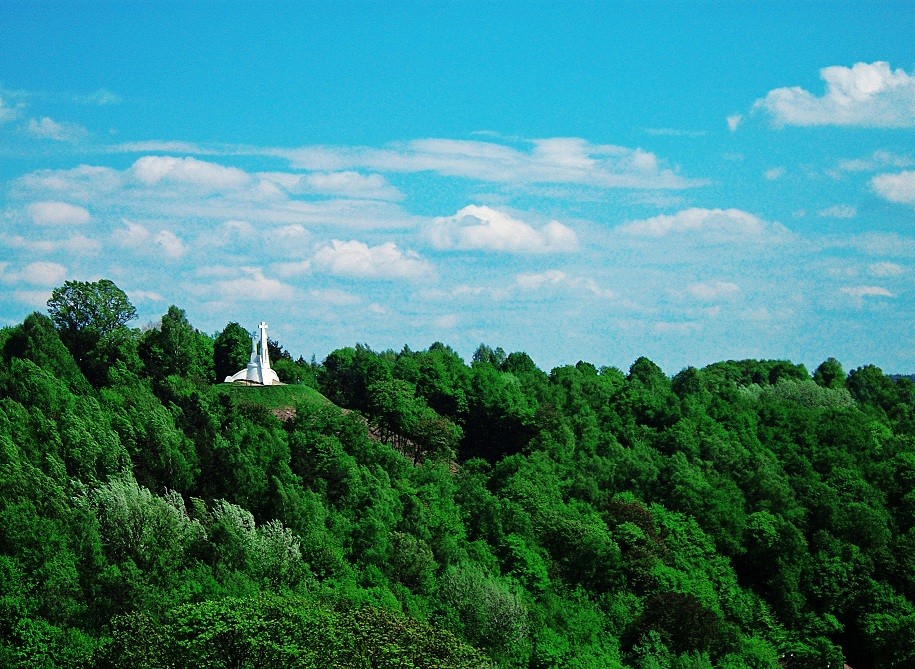
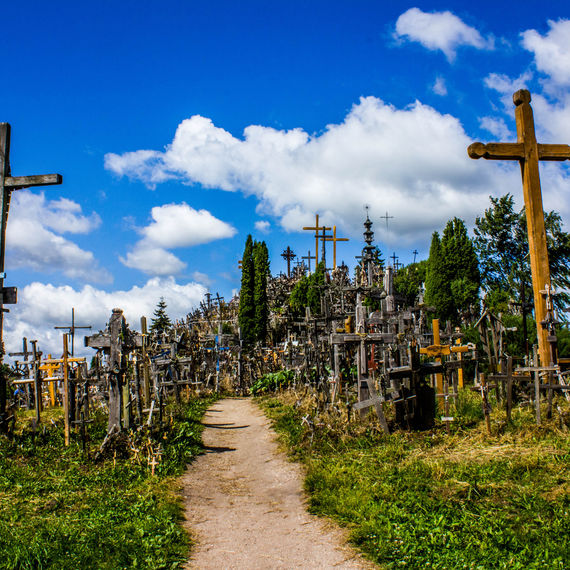
Legend has it that long ago seven Franciscan monks were crucified here. Originally erected in the 17th century, Stalin had the crosses removed and buried, and only in 1989 were they rebuilt according to the original plans. The crosses are a great symbol of both Lithuanian mourning and hope. An exce [...]


Add your comment

Kenesa
The Lithuanian Karaite or Karaim are the smallest ethnic historical community in Vilnius, with just 150 or so remaining members of a people who settled in Lithuania in the 14th century. The Karaite are a Jewish sect who can be traced back to Mesopotamia (modern day Iraq) who adhere to the Old Testament and the Decalogue, but don’t accept the Talmud. The Lithuanian Karaite were originally Tatars living on the Black Sea, almost certainly Muslim and who were converted to the Karaite faith in the 13th century. Enigmatic and as yet not properly understood, the Lithuanian Karaite, who number less than 500 nationwide, are on the edge of extinction. During the Soviet occupation, their Moorish-looking kenesa, built in 1922, was closed and made into a warehouse. Like the country’s other remaining kenesa in Trakai, the building is almost always locked.
[...]


Add your comment

Liubarto 6

Literatų Gatvė
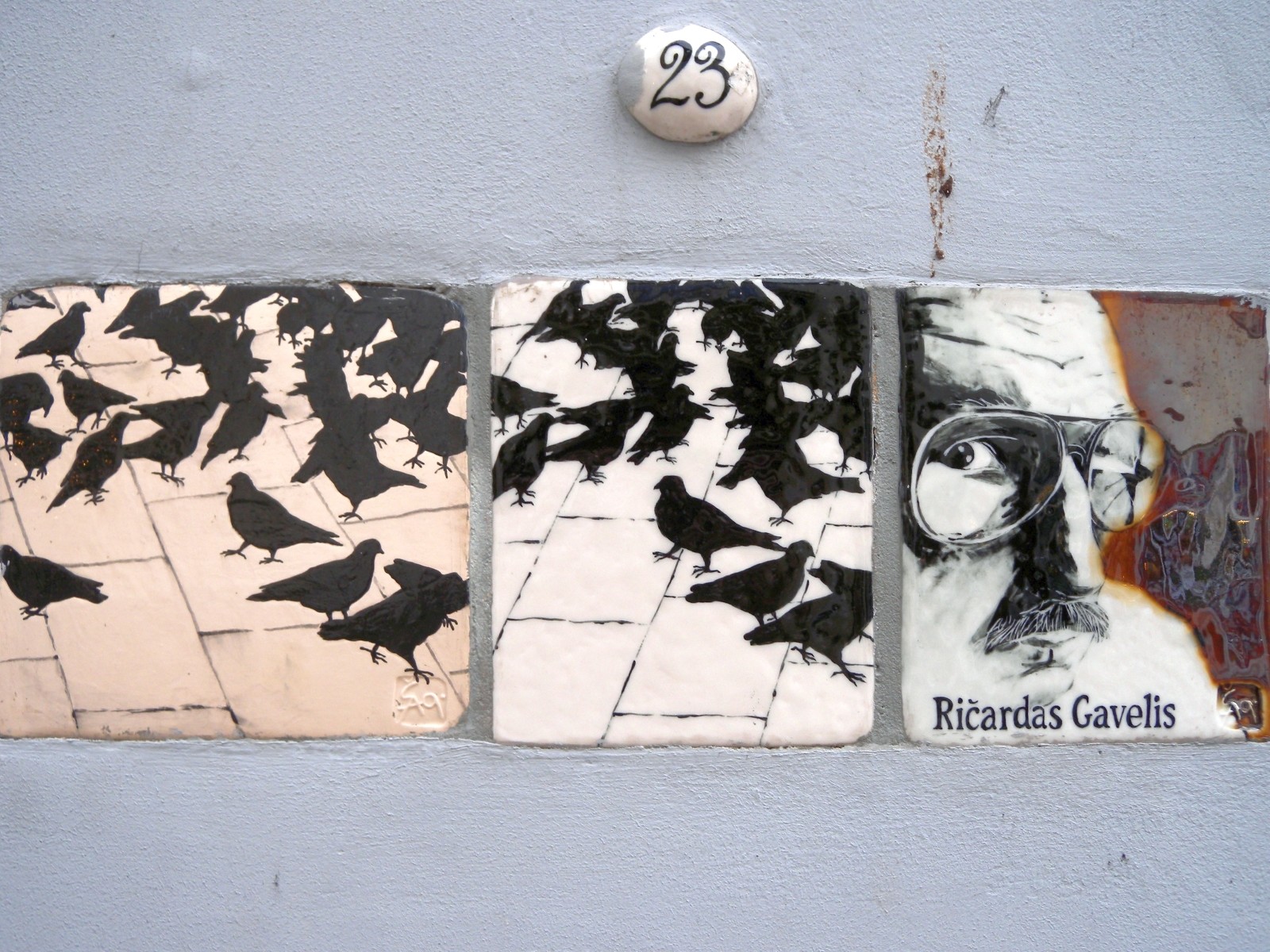
Inspired by Aidas Marčėnas’s poem Literatų Gatvė about a wistful young man drinking and smoking with his friends on the street of the same name, the highly recommended permanent outdoor gallery on Literatų is dedicated to writers past and present who’ve all left their mark on the city. Comprised of small, mixed-media prints, drawings and paintings celebrating everyone from Jonas Mekas to Czesław Miłosz to Romain Gary, the gallery, all the work of local artists, grew from humble beginnings in 2008 and now features just over 100 superb pieces.
 
[...]


Add your comment

Literatų

M. K. Čiurlionis' House
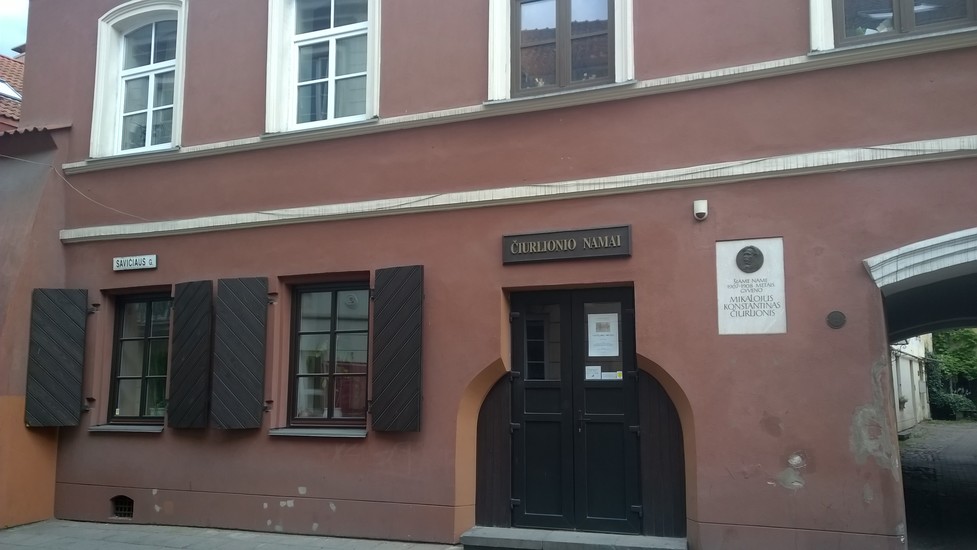
Although more famous for his painting, Mikalojus Konstantinas Čiurlionis (1875-1911) has quite a reputation as a composer. This is the house in which the great man lived for a short time in a small room that can be visited. The rest of the building, which during Čiurlionis’ time was both a family house and a shop, features reproductions of his paintings and a small concert space which stages musical productions almost every Wednesday evening.
[...]


Add your comment

Savičiaus 11

tel. (+370) 5 262 24 51

Open 10:00-16:00,
Sat Closed,
Sun Closed.
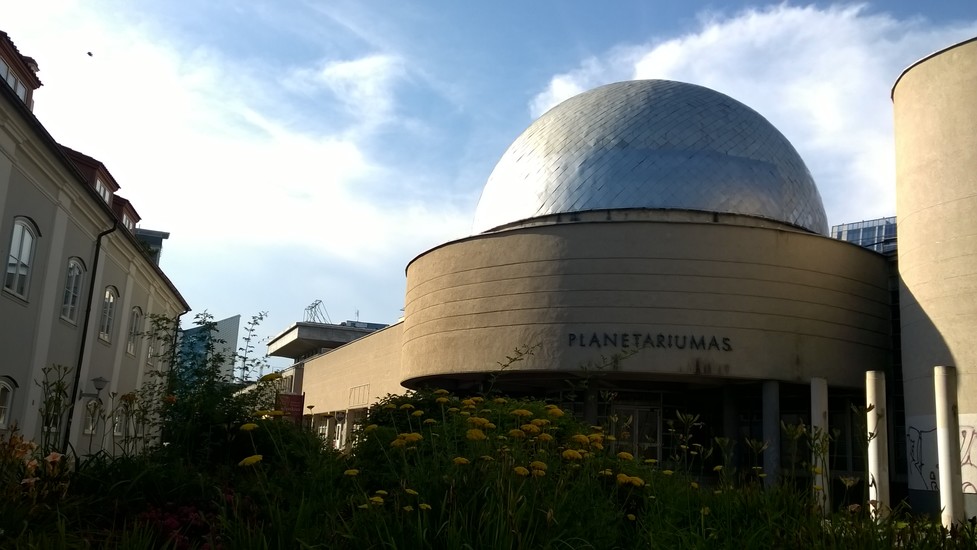
A classic 60s sci-fi adventure of the old school, Vilnius’ dilapidated but charming Planetarium is available for pre-arranged tours of 15 people or more (smaller groups can no doubt pay a little bit extra to gain access). Featuring a galaxy of projectors aimed at the inside of the building’s dome, shows include the fabulously named Venture into Space and Stars and Music. Find the entrance on Šnipiškių, immediately south of Konstitucijos.
[...]


Add your comment

Konstitucijos 12a

tel. (+370) 5 272 41 48

Open 09:00-17:00,
Fri 09:30-15:30,
Sat 12:00-15:00,
Sun Closed.
Presidential Palace
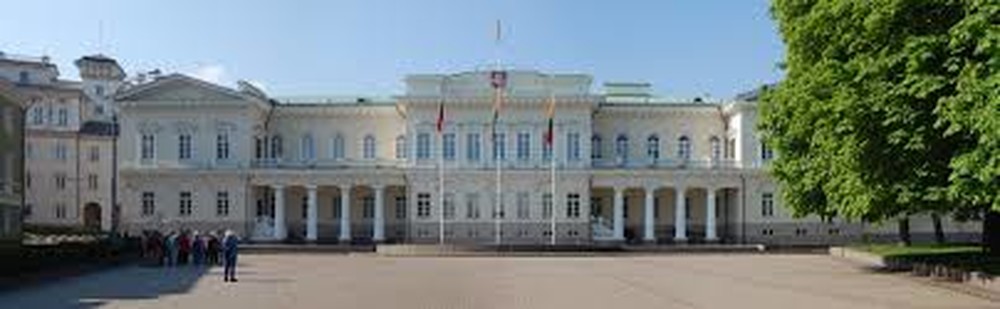
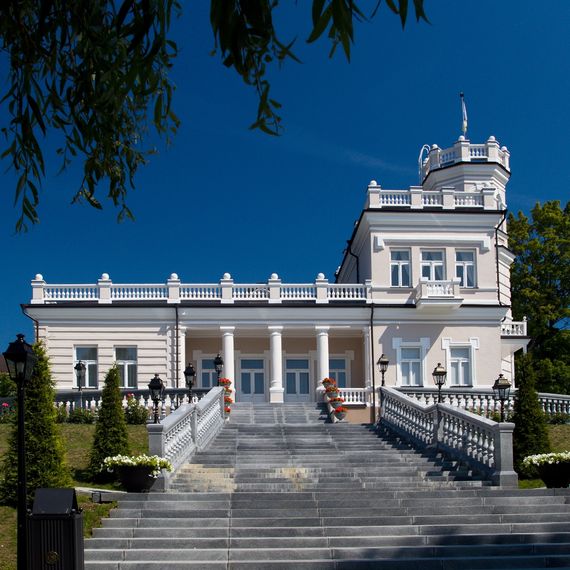
The official residence of the President of Lithuania, the Presidential Palace started out life in the 14th century as a much smaller structure built at the behest of the city’s first Bishop, Andrzej Jastrzębiec (?-1398). Gaining its late Classical appearance much later, the building [...]


Add your comment

S. Daukanto aikštė 3/8

tel. (+370) 5 266 41 54

Free tours of the Presidential Palace take place on Fridays and Saturdays. Tours are limited to 25 people and are currently in Lithuanian only. For more information, see www.president.lt or call tel. (+370) 5 266 40 73.
Radvila Palace
Housed in the former palace of the noble Radvila family, whose 165 portraits are on display in one of the halls. Other exhibits include foreign fine art from the 16th century to the present day. [...]


Add your comment

Vilniaus 22

tel. (+370) 5 262 09 81

Open 11:00-18:00,
Mon Closed,
Sun 12:00-17:00.
Seimas
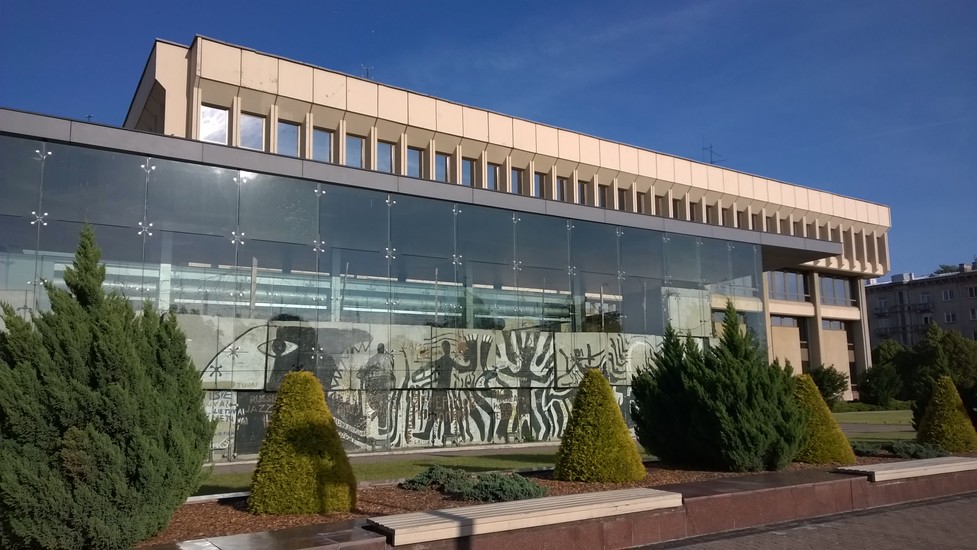
The word Seimas refers to the Lithuanian parliament and can be traced linguistically to the Polish word sejm, meaning a gathering or assembly. With its origins in the second half of the 15th century, the contemporary Seimas is based on the First Seimas, which convened in Kaunas in 1922-1923. The work of architect brothers Algimantas and Vytautas Nasvytis, today’s Seimas building dates from 1982 and is unremarkable on the outside with the exception of the remains of the barricades built to defend the self-proclaimed independent Lithuanian Supreme Council building after Soviet forces tried to reinstate a Moscow-backed government with the storming of the Television Tower and other buildings in the early hours of January 13, 1991. Located on the western side of the building, the barricades are protected by huge sheets of glass but are clearly visible and retain the original political graffiti of the time. A small exhibition space has been added which will eventually hold public exhibitions related to the struggle for independence. Also find a memorial to the people of Chechnya and the diminutive Chapel of the Virgin Mary, dedicated to the people of Lithuania who gave their lives to free the country from the USSR in 1991. Guided tours of the Seimas run daily during the week, and include details of the events of 1991 as well as a look at some of the interior’s more interesting features including Kazys Morkūnas’ extraordinary stained glass windows. Tours must be booked two weeks in advance, and are in Lithuanian unless otherwise requested. Curiously, the word seimas is also used to describe storks, Lithuania’s unofficial national bird, when they gather for winter migration.
[...]


Add your comment

Gedimino 53

tel. (+370) 5 239 62 02

Stebuklas
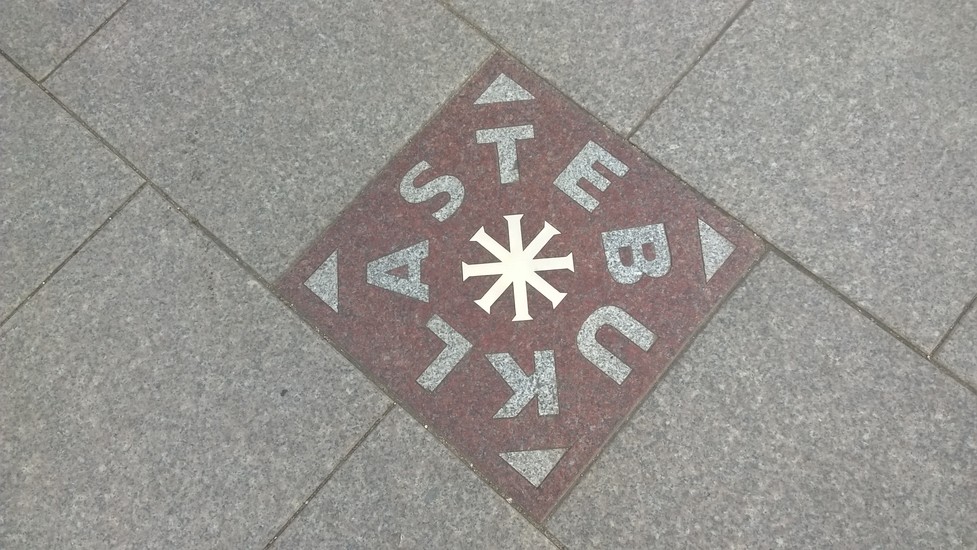
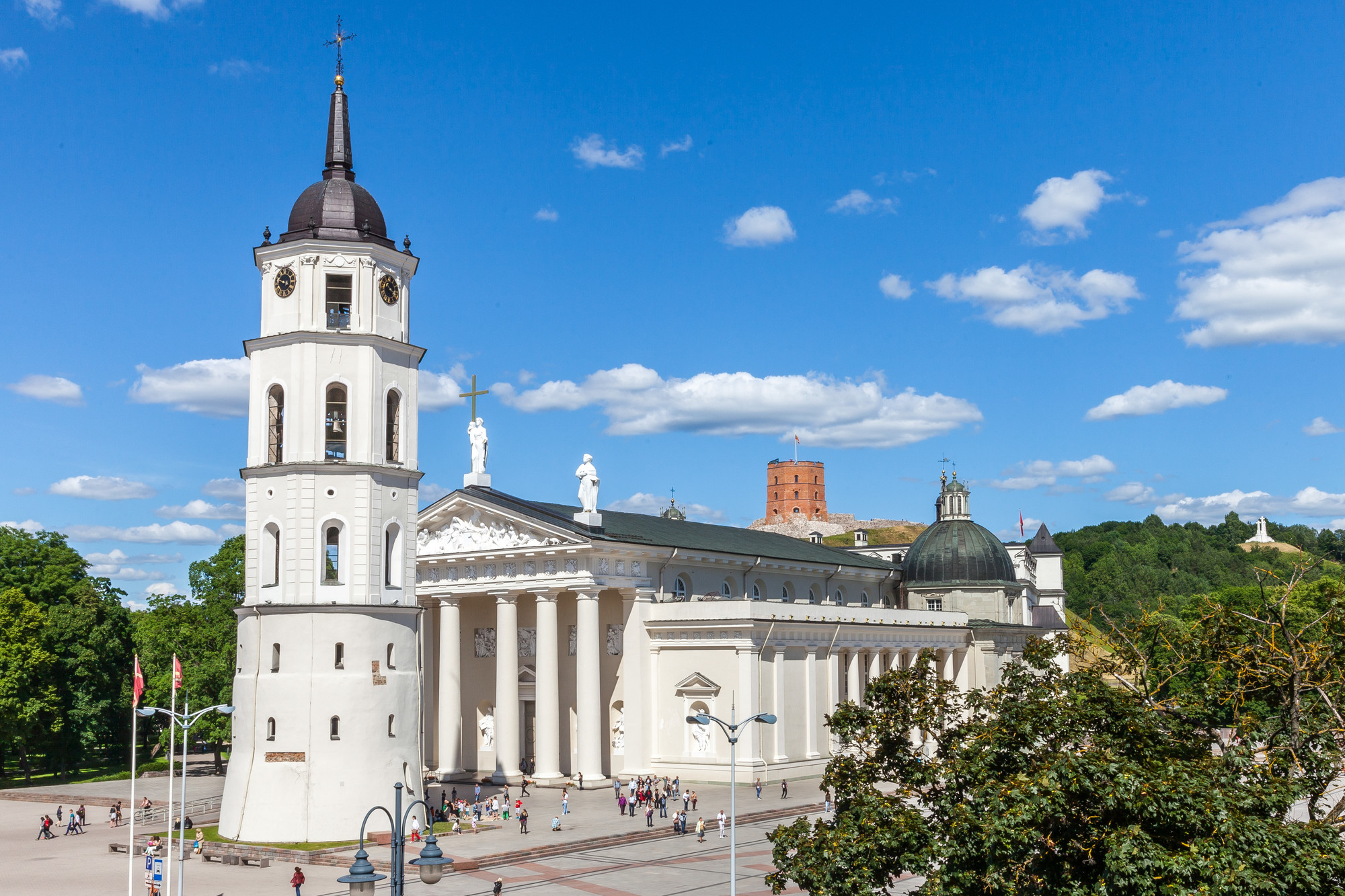
About halfway between the Cathedral and the bell tower is the stebuklas, or miracle. Essentially a piece of stone believed to perform wonders and with the word stebuklas written on it, the site marks the spot where one end of the human chain of some two million protesting Lithuanians, Latvians and Estonians stretching the 650km or so to Tallinn was formed on August 23, 1989. A symbol of freedom and hope, stand on the miracle, turn a complete clockwise circle and make a wish.
[...]


Add your comment

Katedros Aikštė

Television Tower
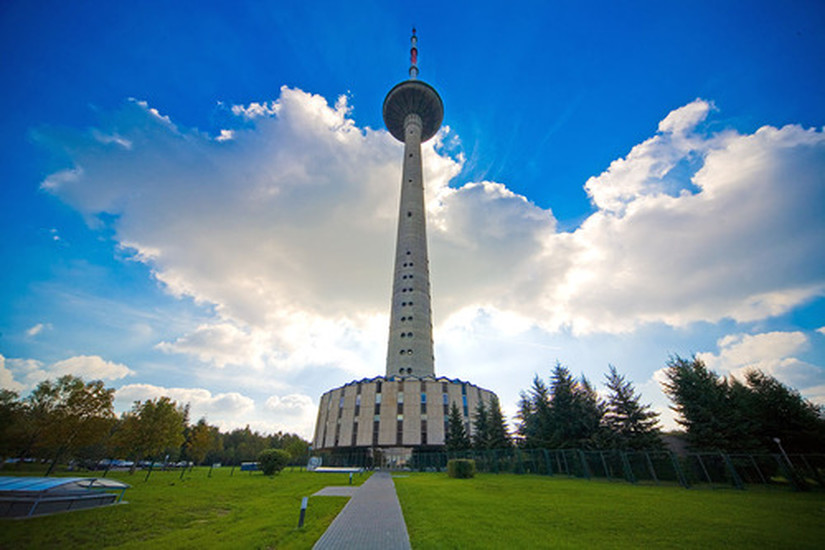
The tallest building in Lithuania, the 326m Television Tower was built from reinforced concrete and steel between 1974 and 1980 to a design by V. Obydovas and K. Balėnas. On January 13, 1991 as the disintegration of the USSR reached a frenzied pace and Moscow attempted to retake control of the Lithuanian media, Soviet tanks surrounded it in an assault that killed 13 unarmed civilians. The tower has since become a potent Lithuanian symbol. Around it are a few monuments and photographs of those who lost their lives and whose names the nearby streets are now called in honour of. Inside at ground level is the small Sausio 13-osios Ekspozicija (January 13th Exhibition) exhibition commemorating the brutal events including a copy of the original Soviet military attack plan, weapons used to beat protesters and some disturbing photographs. The exhibition is free, although the 40-second ride in the lift to visit the combined 270m restaurant and viewing station isn’t. The ticket office also sells several Television Tower souvenirs. A taxi from Old Town costs somewhere in the region of 20Lt. Alternatively, take trolleybus Nº1, 3, 7 or 16 to the Televizijos Bokštas stop.
[...]


Add your comment

Sausio 13-osios 10

tel. (+370) 5 252 53 33

Open 10:00 - 22:00. Last entrance 21:00.
Town Hall
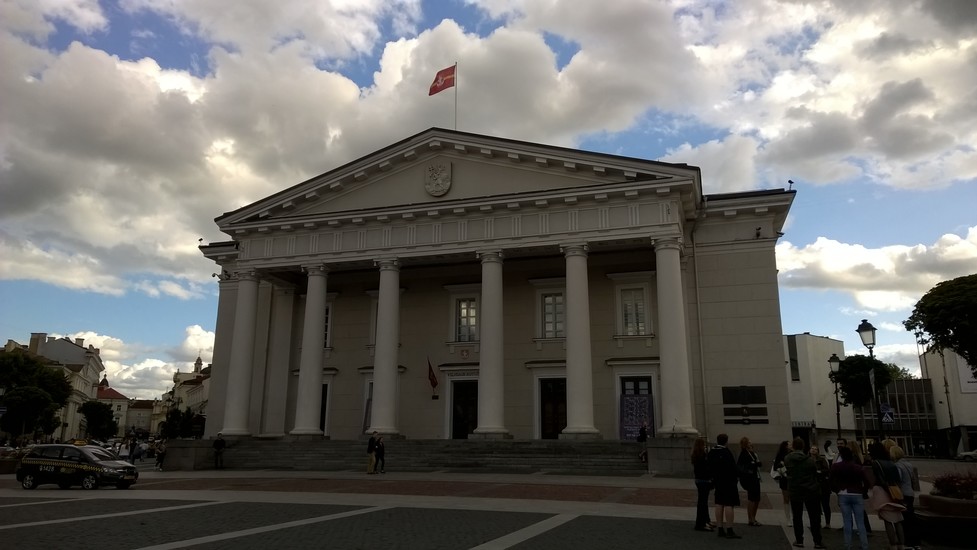
First mentioned in 1503, the Town Hall most likely dates from the 15th century, while the present Classical structure was built at the end of the 18th century. In 1810 the governor general ordered that the Town Hall housed a theatre, which gave performances on and off until 1924. Since then its int [...]


Add your comment

Didžioji 31

tel. (+370) 5 261 80 07

Open 08:00-17:00,
Sat Closed,
Sun Closed.
Vilnius University
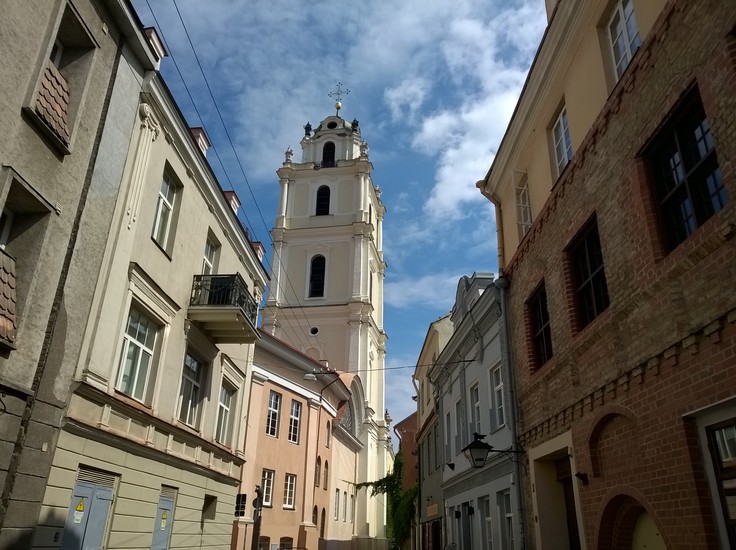
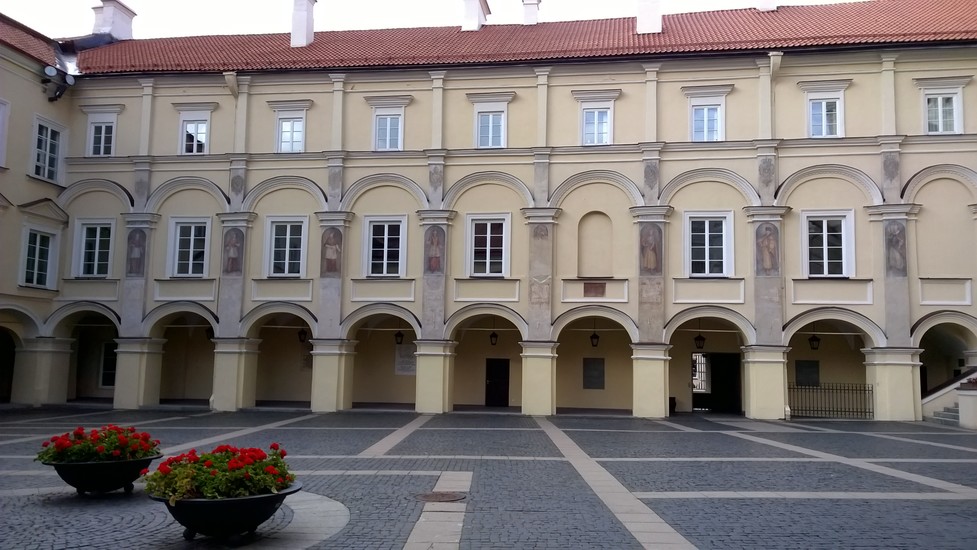
Established in 1579 and one of the oldest universities in Eastern Europe, the splendid ensemble that makes up Vilnius University’s main campus buildings embraces just about every major architectural style of the last 400 years. Originally belonging to the Church, the University became a secular seat of learning in 1773 and has remained so ever since. Closed for much of the 19th and the first 18 years of the 20th century, famous past students who’ve studied here include the Polish Romantic poets Adam Mickiewicz and Juliusz Słowacki, the Lithuanian author and historian Simonas Daukantas (see him on any 100Lt note) and the Lithuania-born Polish Nobel Prize-winning author Czesław Miłosz. As well as housing the oldest library in the country, Vilnius University is also famed for its lovely courtyards, of which depending on your definition of what a courtyard is, there are either 12 or 13. The University itself claims 13, although by rights the correct number should be 12 as one of them only has three walls, the fourth having been destroyed during construction work on the neighbouring Presidential Palace. The ensemble was fully restored in 1979 and is well worth investigating. A map can be found at Universiteto 7 explaining where everything is.
[...]


Add your comment

Universiteto 3

tel. (+370) 5 268 70 01

Open 09:00-18:00,
Sun Closed.