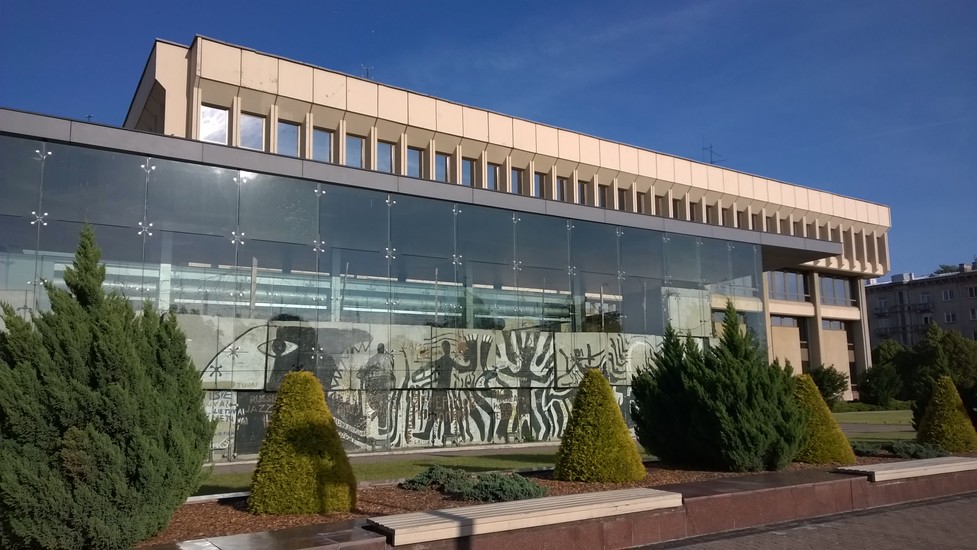
The word Seimas refers to the Lithuanian parliament and can be traced linguistically to the Polish word sejm, meaning a gathering or assembly. With its origins in the second half of the 15th century, the contemporary Seimas is based on the First Seimas, which convened in Kaunas in 1922-1923. The work of architect brothers Algimantas and Vytautas Nasvytis, today’s Seimas building dates from 1982 and is unremarkable on the outside with the exception of the remains of the barricades built to defend the self-proclaimed independent Lithuanian Supreme Council building after Soviet forces tried to reinstate a Moscow-backed government with the storming of the Television Tower and other buildings in the early hours of January 13, 1991. Located on the western side of the building, the barricades are protected by huge sheets of glass but are clearly visible and retain the original political graffiti of the time. A small exhibition space has been added which will eventually hold public exhibitions related to the struggle for independence. Also find a memorial to the people of Chechnya and the diminutive Chapel of the Virgin Mary, dedicated to the people of Lithuania who gave their lives whilst defending the country in 1991. Guided tours of the Seimas run daily during the week, and include details of the events of 1991 as well as a look at some of the interior’s more interesting features including Kazys Morkūnas’ extraordinary stained glass windows. Tours must be booked two weeks in advance, and are in Lithuanian unless otherwise requested. Curiously, the word seimas is also used to describe storks, Lithuania’s unofficial national bird, when they gather for winter migration.