More features:
-
Euro 2012: The Draw
With the 16 Euro 2012 finalists now knowing where it is they will be playing in Poland and Ukraine, there has never been a better time to check out In Your Pocket's guides to the host cities....
-
Blofeld
James Bond; roving womanizer, man of mystery and secret agent supreme. But what’s he got to do with Gdynia? Absolutely nothing, to be precise....
-
Max Berg
Born in the coastal town of Szczecin (then known as Stettin) in 1870 Max Berg went on to become one of the most eminent architects of his time, and nowhere will he be remembered more so than in Wrocław....
-
Tadeusz Kościuszko
History produces few men like Tadeusz Kościuszko (1746-1817) commonly anglicised as Thaddeus Kosciusko....
-
Disaster in Smolensk
Poland hit world headlines on April 10th 2010 when a plane carrying President Lech Kaczyński, his wife and ninety four other passengers crashed by the city of Smolensk killing all on board....
-
Jerzy Kosiński
Born in Łódź, 1933, Jerzy Kosiński stands out as one of the 20th century's great literary talents, with a life story every bit as sinister and dramatic as his books....
-
Wolf's Lair
To the English it’s Wolf’s Lair, to the Poles Wilczy Szaniec. Adolf Hitler, however, would have used the term Wolfschannze....
-
Ryszard Kapuscinski
He didn’t win any wars, and his role in the downfall of communism was peripheral at the very best, yet when it comes to making lists of the greatest Poles of the 20th century, few come out on top of Ryszard Kapuściński....
-
Marek Kamiński
Born in Gdańsk on March 24, 1964, Marek Kamiński ranks as Poland’s greatest living explorer, and in 1995 became the first person in the world to reach both Poles unaided in the same year....
-
Irena Sendler
Known as the female Schindler, Irena Sendler - who died in May 2008 at the age of 98 - is credited with having saved the lives of some 2,500 Jewish children in the Warsaw ghetto during the Second World War....
-
National Football
‘Abroad, football has moved on. Here it has stood still’. Those were the words of Leo Beenhakker when he took over the Poland job two years back, and they’re as relevant now as they were then....
-
Kazimierz Pułaski
A Polish and American military hero, Kazimierz Pułaski (Casimir Pulaski in English) is almost ubiquitously immortalised on monuments and place names in both countries, but especially in America where some major cities celebrate Casimir Pulaski Day as an official bank holiday....
-
Daniel Libeskind
Warsaw’s changing horizon is set for more dramatic developments with the news that the Orco Property Group in conjunction with acclaimed architect Daniel Liebeskind are to construct a 192 metre residential tower in the heart of Warsaw....
-
Władsyław Szpilman
Born in 1911, in Sosnowiec, south Poland, Wladyslaw Szpilman studied the piano in Berlin, before embarking on a successful career as a composer and concert pianist for Polish national radio....
Białowieża National Park
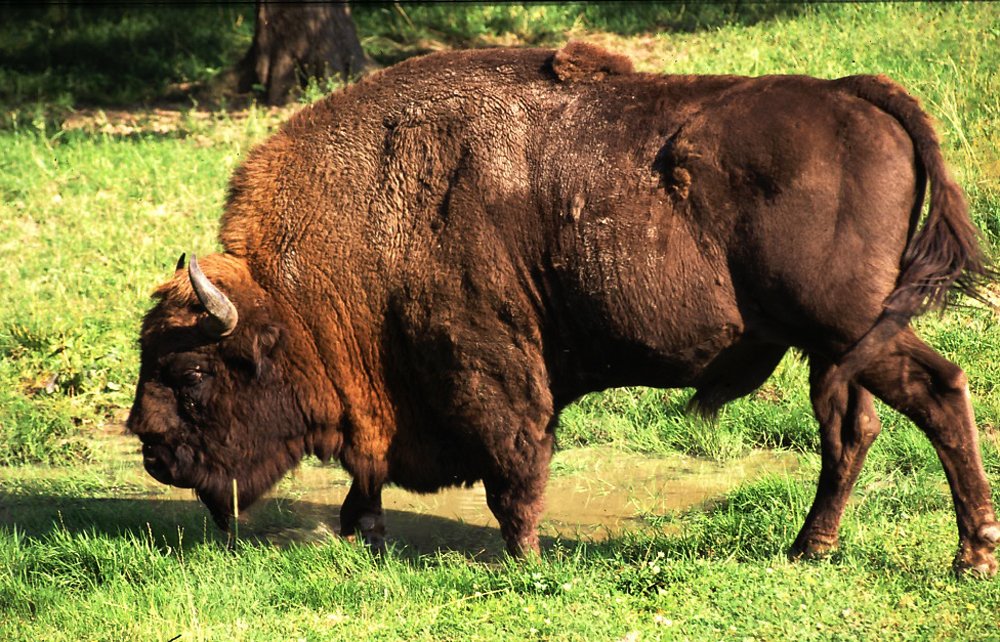
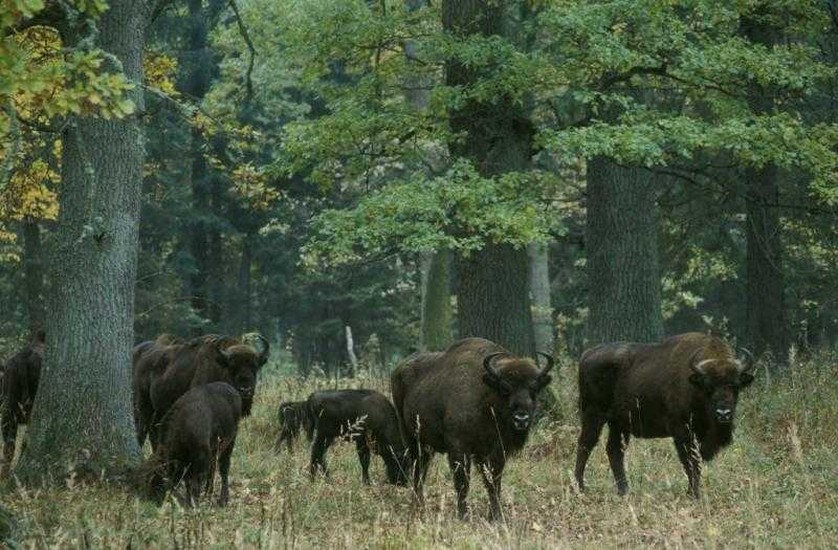
Białowieża - thought of as the crown jewel of Poland’s national parks - is Europe’s last remaining primeval forest, and dominated by massive oak trees dating several centuries. Spilling across the border into Belarus, Białowieża was declared a royal hunting ground back in 1541; a move which saved much of the wildlife from being hunted out of existence. In turn the bison who populated the forest were the exclusive prey of dukes and tsars, as well as latter day baddies such as Ceausescu and Goering. In total the park stretches for 10,502 ha, though it covers just 20 per cent or so of the total forest area. The park features on the UNESCO list of treasured heritage sites. Besides the largest population of bison in Europe, there are 61 other species of mammal, including lynx, elks, roe deer and wild boar. There are some 232 species of birds in the Białowieża region, 120 of which breed in the park and include capercaillie, black stork, crane, owls, and a large number of raptors including the spotted eagle and the booted eagle. Twelve species of amphibian and seven reptile species have also been recorded as inhabiting the park. Around 100,000 nature lovers visit the park annually, most on organized tours. Much of the park is protected and visitors must be accompanied by a guide. A number of companies in Warsaw organize individual or group day trips to the park, including Stay Poland (ul. Nowy Swiat 29-3, tel. 829 40 72, office@staypoland.com). You can also find out more by calling the multi-lingual tourist office in the town of Białowieża, the gateway to the park, at tel. (85) 681 22 95. The best website is the park’s own superbly detailed site, found at: www.bpn.com.pl
Białowieża National Park comments
Add Yours
That's not just logic. That's really sensible.