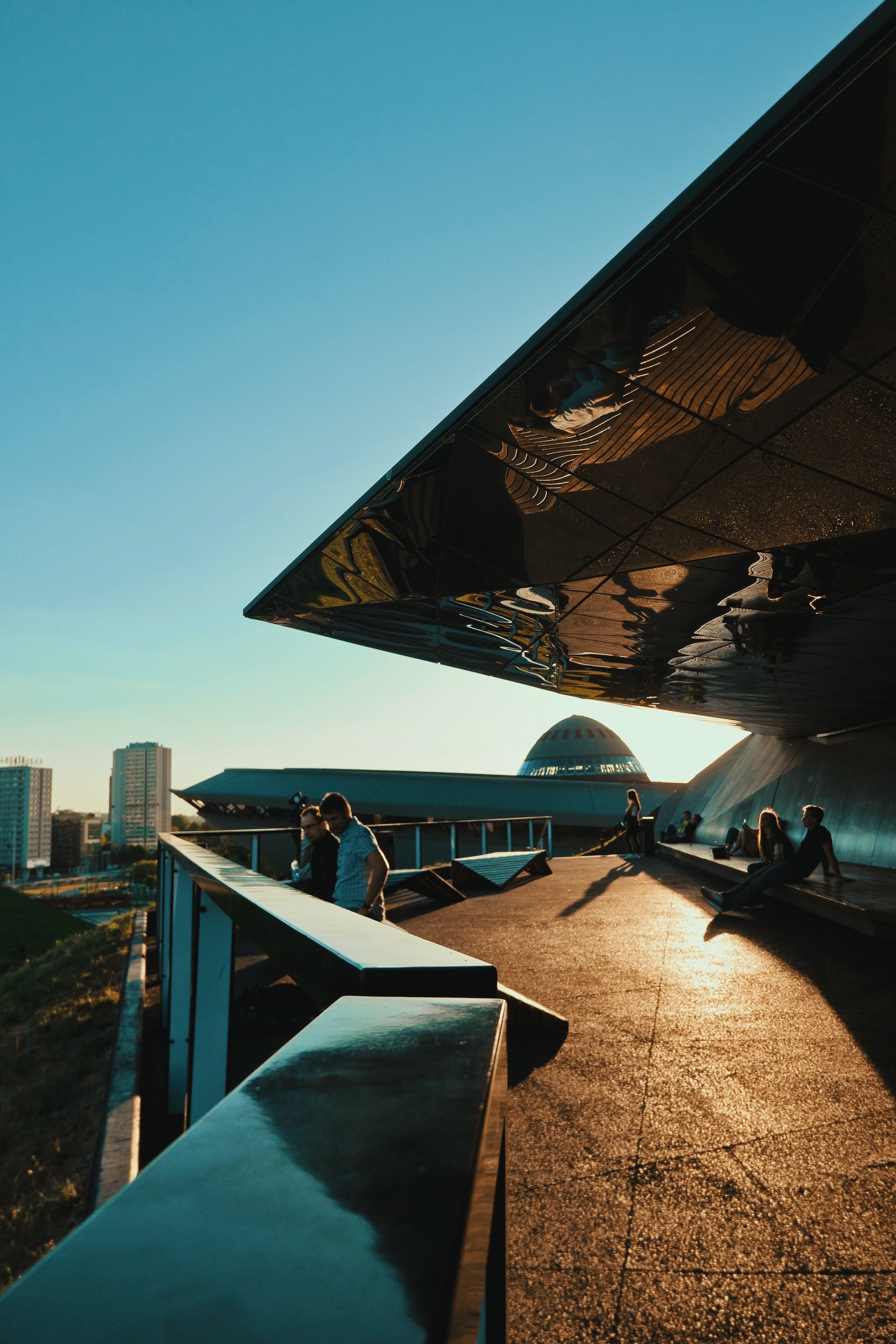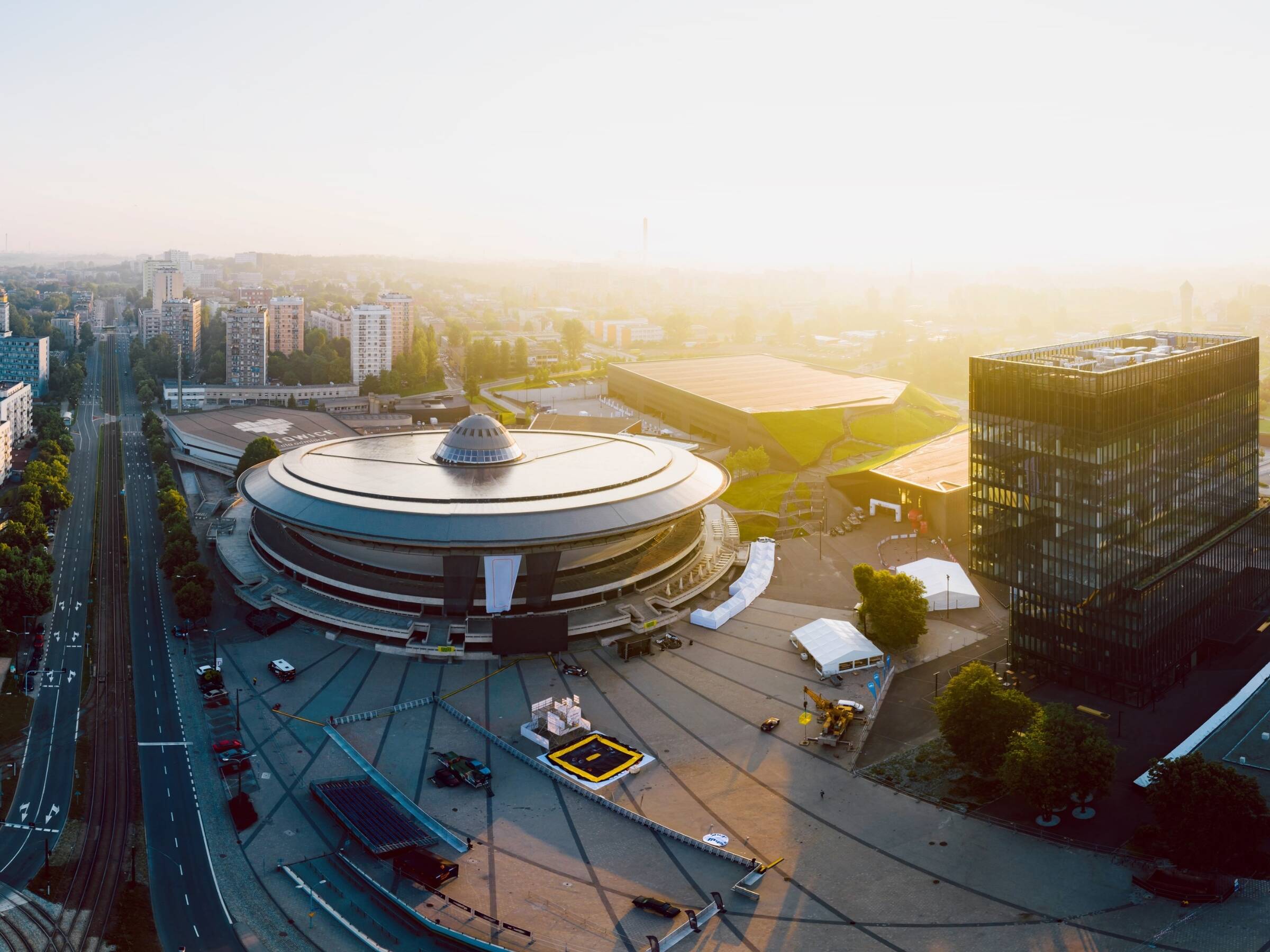

Following stints in the Polish national service, the mines of Belgium by 1937, and cloudy wartime action with a unit of Polish guerillas, Gierek’s story picks up in 1948 when he and his wife moved back to Katowice after the war, no doubt pleased as punch that the country was now communist controlled. It didn’t take long for Gierek to rise through the ranks, and in 1957 he was appointed as the regional head of the Communist party. He set about his task with ideological zeal, approving grandiose projects like the Spodek and Park of Culture and Recreation (Silesia Park). He also remained true to his mining roots, and although conditions for Silesia’s miners remained brutal, under Gierek these modern day Gollums at least enjoyed the benefit of cheaper cars and housing.
Championed as a man of the people Gierek enjoyed considerable public support, and following the violent riots of December 1970 that forced Władysław Gomułka to resign his post as Polish First Secretary, the dynamic Gierek was the perfect candidate – his promises of economic and social reform being just what the masses wanted to hear. After being elected he forged close links with the West, and propped up by huge foreign loans set about modernizing industry and bringing the country out of the dark ages. His strategy was an immediate success, and saw him hailed as an economic mastermind by workers across the country. But the oil crash of 1973 sent shockwaves throughout the globe, and by 1976 Poles were once more feeling the pinch. Gierek had borrowed billions, and his creditors wanted the money back – the cost was passed on to the people by ways of further price increases, imports were cut dramatically and everything which could be exported was, leading to empty shelves and longer queues than ever before; all this while Gierek and his cronies continued to enjoy a high life of hunting and holidays.
By 1980 the people had had enough, and inspired by Lech Wałęsa’s Solidarity movement strikes and protests ripped through the country. Poland was in crisis, and Gierek was forced to abdicate his position. The hardline regime that followed him, led by General Jaruzelski, pinned Poland’s mounting economic and social crisis on him, and he was forced to resign his party membership before being locked away for a year. Choosing a quiet life after his ignominious exit from politics Gierek lived out the rest of his life in the southern town of Ustroń, and passed away in 2001 following a battle against a lung infection. The mark he left was immense, but while the rest of Poland finds itself still paying off the debts he racked up, the people of Katowice remember him more fondly as the creator of some of the regions most recognisable cultural attractions, and the sweet stretch of highway known affectionately to this day as the Gierkówka.