More features:
-
Polish Alcohol
Proven masters of make-do with the potato as their primary resource, the Poles have been producing and drinking vodka since the early Middle Ages, distilling their skill into some of the best vodka blends available in the world, many of which date back centuries....
-
Leon Schiller
Born in Kraków in 1887 he graduated from the cities Jagiellonian Univeristy with degrees in philosophy and Polish Literature under his belt, before pursuing further academic titles at the Sorbonne in Paris....
-
Stanisław Wyspiański
In the 1890s, a new wave of artistic energy inspired by the Western European Art Noveau style rolled through the Polish lands....
-
Eugeniusz Bodo
One chap you’re unlikely to have heard of is Eugeniusz Bodo, the veteran of thirty films, and director of two....
-
National Holidays
ChristmasWinter in Poland can be miserable, but Christmas proves to be anything but. The culmination of the Grinch period is Christmas Eve, and as in most countries is celebrated by eating....
-
Daniel Libeskind
Warsaw’s changing horizon is set for more dramatic developments with the news that the Orco Property Group in conjunction with acclaimed architect Daniel Liebeskind are to construct a 192 metre residential tower in the heart of Warsaw....
-
Max Berg
Born in the coastal town of Szczecin (then known as Stettin) in 1870 Max Berg went on to become one of the most eminent architects of his time, and nowhere will he be remembered more so than in Wrocław....
-
Wolf's Lair
To the English it’s Wolf’s Lair, to the Poles Wilczy Szaniec. Adolf Hitler, however, would have used the term Wolfschannze....
-
Superstitions
While it would be inaccurate to claim the Poles as being a deeply superstitious nation visitors will be delighted to know the country has more than its fair share of quirky beliefs and customs....
-
Fat Thursday
Fat Thursday might sound strange to those of you who are used to the literal translation of the French term Mardi Gras (Fat Tuesday), but in Poland the last Thursday before Lent begins is just as gluttonous, though....
-
National Anthem
Whether you call it “Poland is Not Yet Lost,” “Song of the Polish Legions of Italy” or “Dąbrowski’s Mazurka,” they all describe the same thing: Poland’s national anthem....
-
Marek Kamiński
Born in Gdańsk on March 24, 1964, Marek Kamiński ranks as Poland’s greatest living explorer, and in 1995 became the first person in the world to reach both Poles unaided in the same year....
-
Recommended reading
Orange AlternativeRevolution of Dwarves,Major Waldemar Fydrych & Bronisław Misztal, 2007A cracking addition to any coffee table this hefty manuscript comes stuffed with all the trivia you ever needed to know about the Orange Alternative....
-
Edward Gierek
Born in Zagórze, an outlying district of Sosnowiec, Edward Gierek (1913 – 2001) is best remembered as the man who took Poland to the brink of bankruptcy with his half-mad economic policies....
Magdalena Abakanowicz

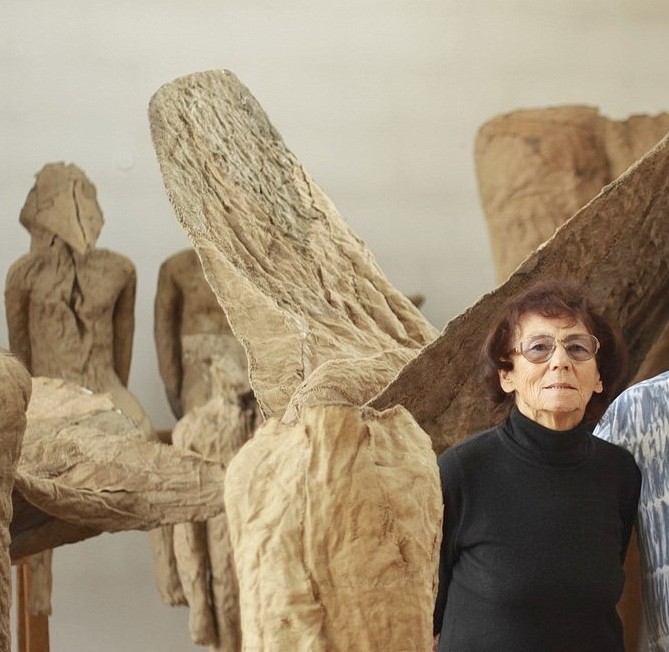
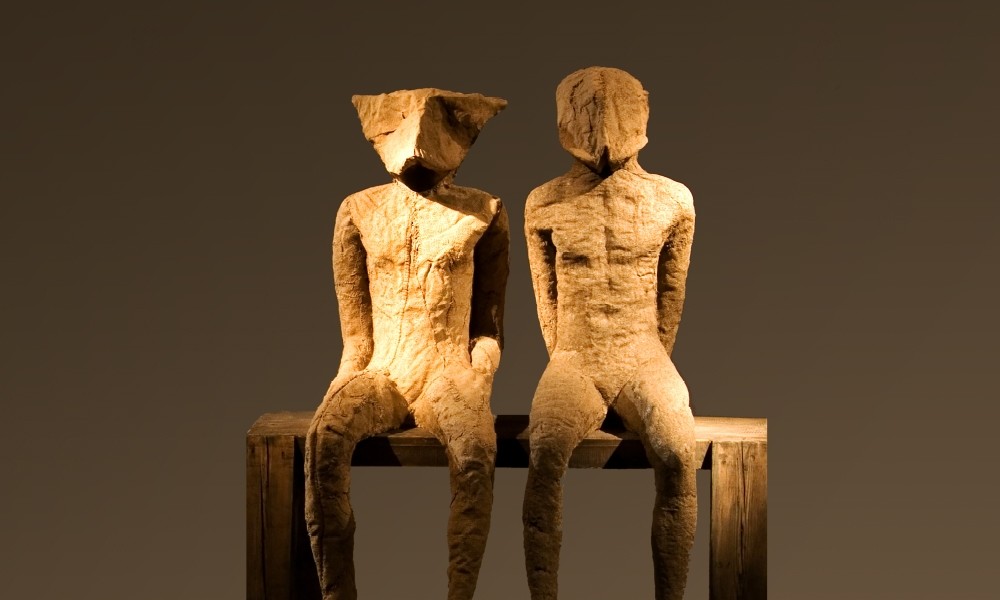
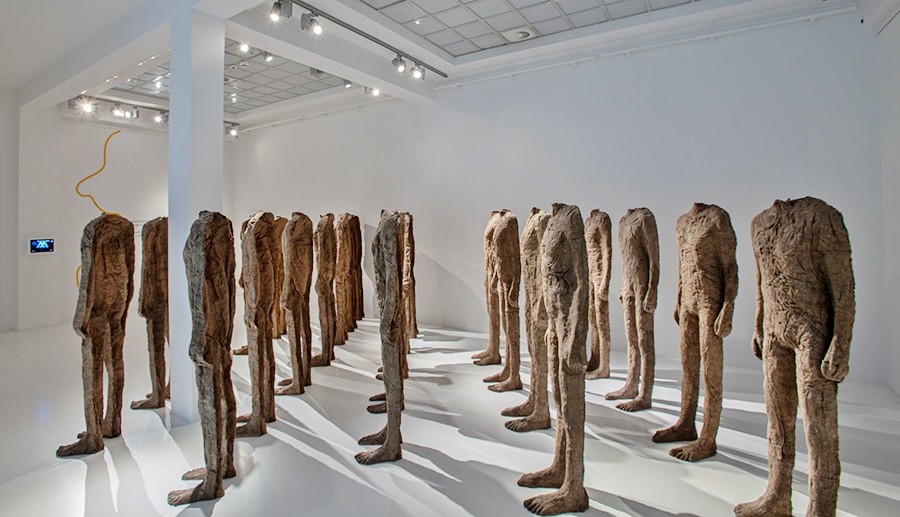
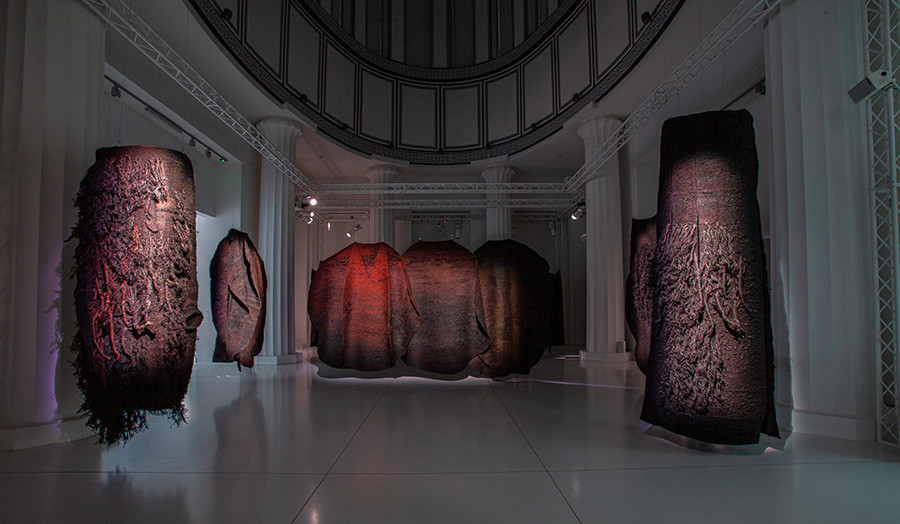
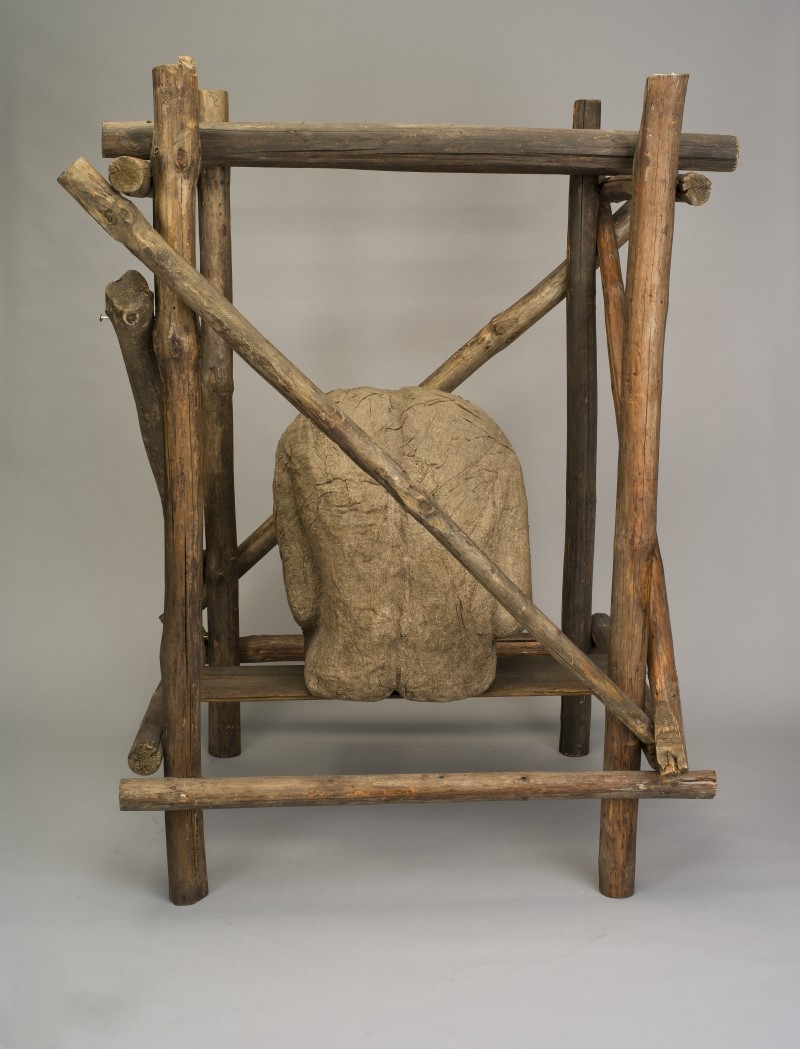
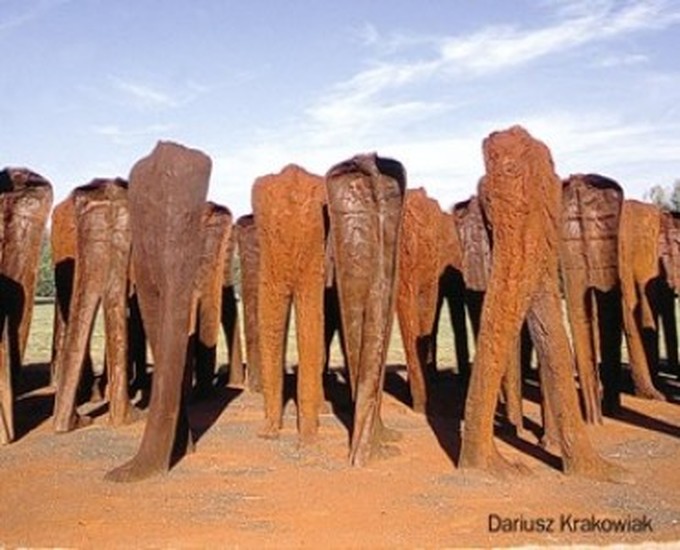
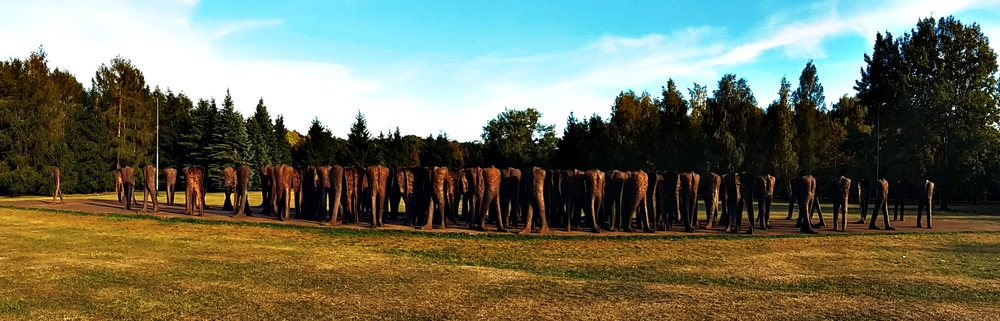
Until September 7th art fans visiting Ujazdowski Castle have the opportunity to view the works of Magdalena Abakanowicz, one of Poland’s best known sculptors. In an industry dominated by chancers and spoofers her works are knock out, a fact reflected by her reputation as one of the most influential artists of her genre. Born in 1930 her family were part of the aristocracy, and fled north the moment the Russkies launched their 1920 invasion of Poland. Distantly related to ancient Mongolian warlords Abakanowicz yo-yoed across Poland in the post-war years, before finally enrolling in Warsaw’s Academy of Fine Arts in 1950. It was during this time of Stalinist repression that she attended compulsory textile classes, acquiring a knowledge of fiber design that would go on to influence her works. She hit the big time in the Swinging Sixties, with 3-D reliefs made of dyed sisal fiber. Sometimes reaching over three metres tall these figures became her signature work, and known to critics as Abakans. By the 70s she started widening her scope, creating fearsome works comprising of dozens of faceless figures, and visitors to Poznań can today view one of her permanent installations in the Citadel Park – some 112 cast iron headless figures standing over two metres high. Mad as a monkey with a spanner this lady, and well worth further investigation. Check her out while you can.