Solidarity
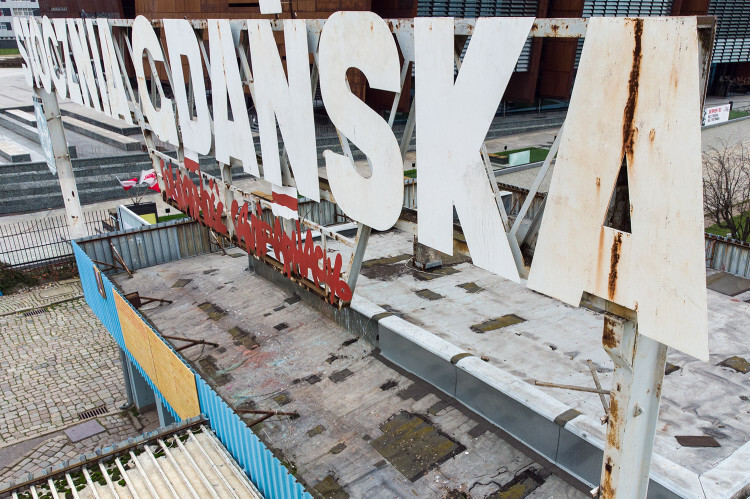
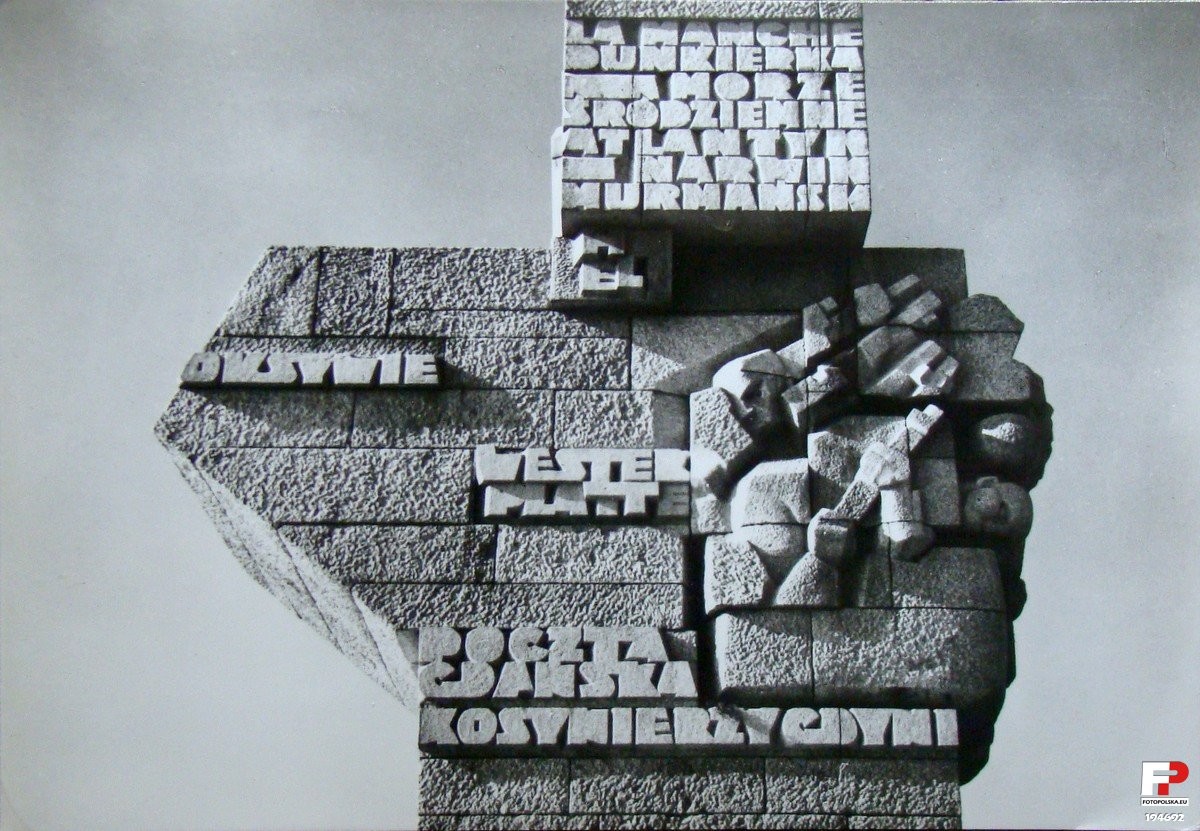
Although Solidarity was officially christened in 1980, its roots can be traced some ten years earlier. Protesting against plunging living standards workers at the Lenin Shipyards called a strike, with the army promptly called in to intervene. Bloody clashes led to the deaths of 45 people, and ultimately forced Władysław Gomułka out of power. Replaced by Edward Gierek, his half-mad economic policies served to create an illusion of prosperity, as well as generating a flush of jobs in Gdansk’s Nowy Port area. But the memory of 1970 did not fade and Gdansk remained a ticking bomb for the authorities. With the seventies drawing to a close tensions started to rise again, with living standards falling and the economy in huge debt built on massive foreign loans.
In August, 1980 the dismissal of a female crane operator at Gdansk’s Lenin Shipyards provided the spark for workers to go on strike. Workers already disillusioned with price increases and the falling value of their salaries were ready to take action.
Lech Walesa and other activists were already planning strike action but it soon became clear that momentum within the yard was growing quickly and it was this that spurred Walesa to famously scale the wall of the Lenin shipyard to take control. Walesa with his trademark sharp trading managed to steer his colleagues away from mere wage demands towards the idea of creating a trade union movement to represent the workers and to fight injustice. This time the workers learned from the mistakes of 1970 and did not confront the authorities but instead locked themselves into the shipyards. Three days later leaders representing workers from over 150 industrial plants met in the shipyards to hammer out 21 demands, including the legalisation of independent trade unions. Days of tension followed, with tanks and armed units stationed menacingly outside the gates of the shipyards. On August 31 the government backed down, agreeing to meet the
21 demands - thereby marking the first peaceful victory over communism. A month later, on September 22, delegates from 36 regional unions met in Gdansk forming a coalition under the name of Solidarity.
Lech Walesa, the unlikely hero of August, was elected as chairman. The next few months marked a golden period for the nation; some ten million people joined the Solidarity movement, and Poland enjoyed a freedom unknown for decades.
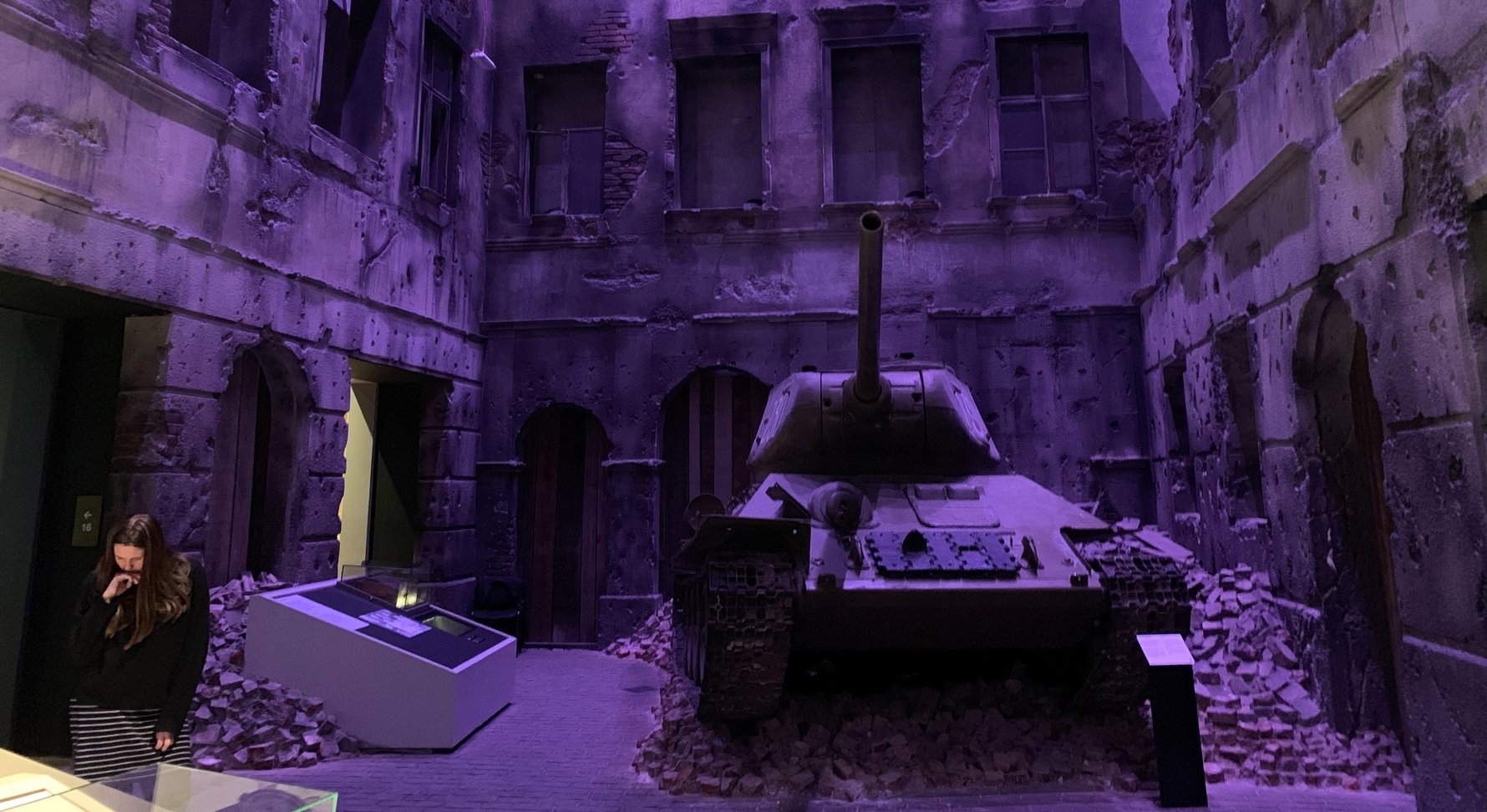
Riding the crest of a wave Solidarity continued to lobby for further reforms and free elections, infuriating the Kremlin. With Soviet invasion a looming threat the Polish President, General Jaruzelski, declared a state of martial law on December 13, 1981, and tanks once again rolled through the streets. Though Solidarity was officially dissolved, and its leaders imprisoned, it continued to operate underground. When Father Jerzy Popiełuszko, Solidarity’s chaplain, was abducted and murdered by the secret police over a million people attended his funeral.
Renewed labour strikes and a faltering economy forced Jaruzelski into initiating talks with opposition figures in 1988, and the following year Solidarity was once again granted legal status. Participating in Poland’s first post-communist election the party swept to victory, with Wałęsa leading from the front. In spite of overseeing Poland’s transition to a market economy, Solidarity gradually found their power being eroded by the emergence of fresher political parties.
The 2000 elections for the Sejm (lower parliament) sounded the death knell for the party. Failing to even make the minimum vote to qualify for representation in parliament, the party which changed history found itself essentially vanishing from the political map.