No visitor can leave Krakow without being struck by its beauty. Almost overwhelming at times it’s a city of pristine townhouses and cobbled alleys. Feminine in its touch it has none of the brutal rotting concrete horror shows of
Warsaw, or so you’d think. But fans of communist architecutral genius need not panic. Of course there’s the Socialist Realist city of
Nowa Huta close by, but there are also three equally amazing abandoned oddities within the city limits.
First off there’s the
Skeletor (Szkieletor)
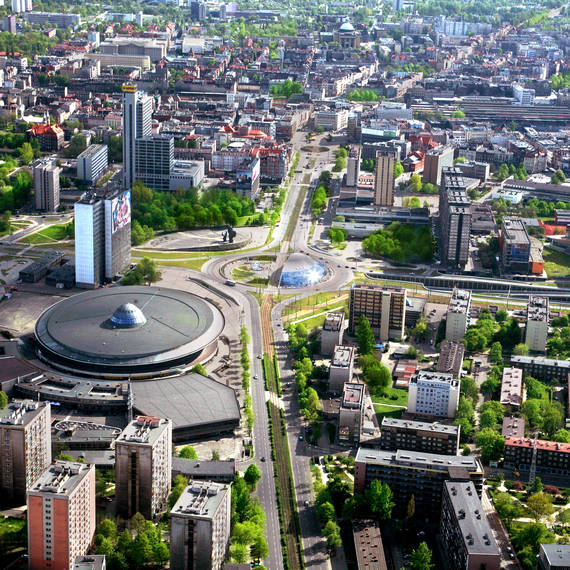
tower rising above Rondo Mogilska (K-2). This 22 storey structure is rated the tallest building in the city, and is a remarkable reminder of the follies of communism. The unmissable 91 metre tower has never been occupied, standing empty for over a quarter of a century. Originally designed in 1968 to serve as a congress hall and office block, work commenced in 1975 with local authorities pressuring architects to make it as tall as possible. Another eight floors were hastily added to the original blueprint, with a TV studio, hotel and panoramic terrace all part of the masterplan. Alas, Poland’s economic crisis hit soon after and all work on it was abandoned in 1979, never to be resumed. Today the monster stands draped in advertising and fenced off from the public, a ghostly reminder of the golden dawn promised by the nations leaders.
Next up on your tour of forgotten Krakow is what was once the
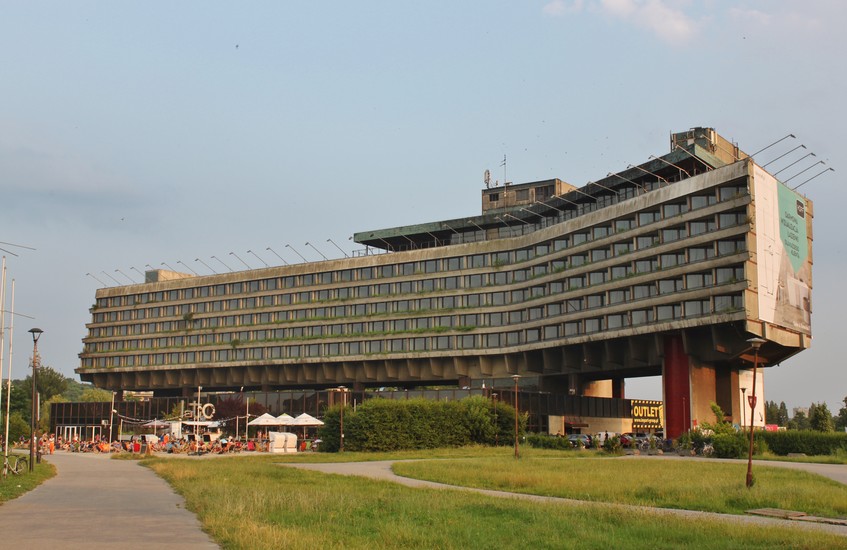
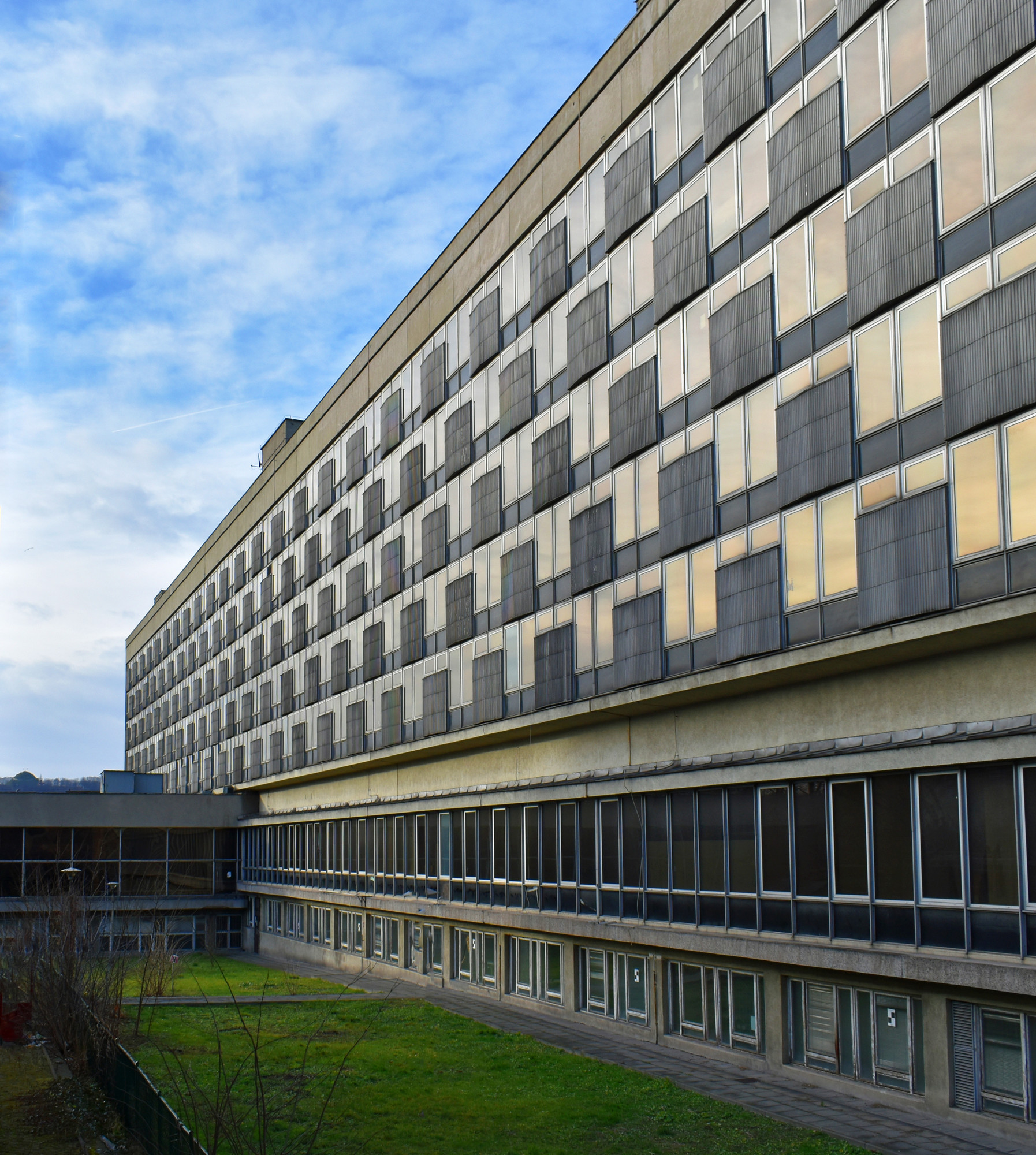
Forum Hotel (B-7, ul. Marii Konopnickiej), described in the first-ever issue
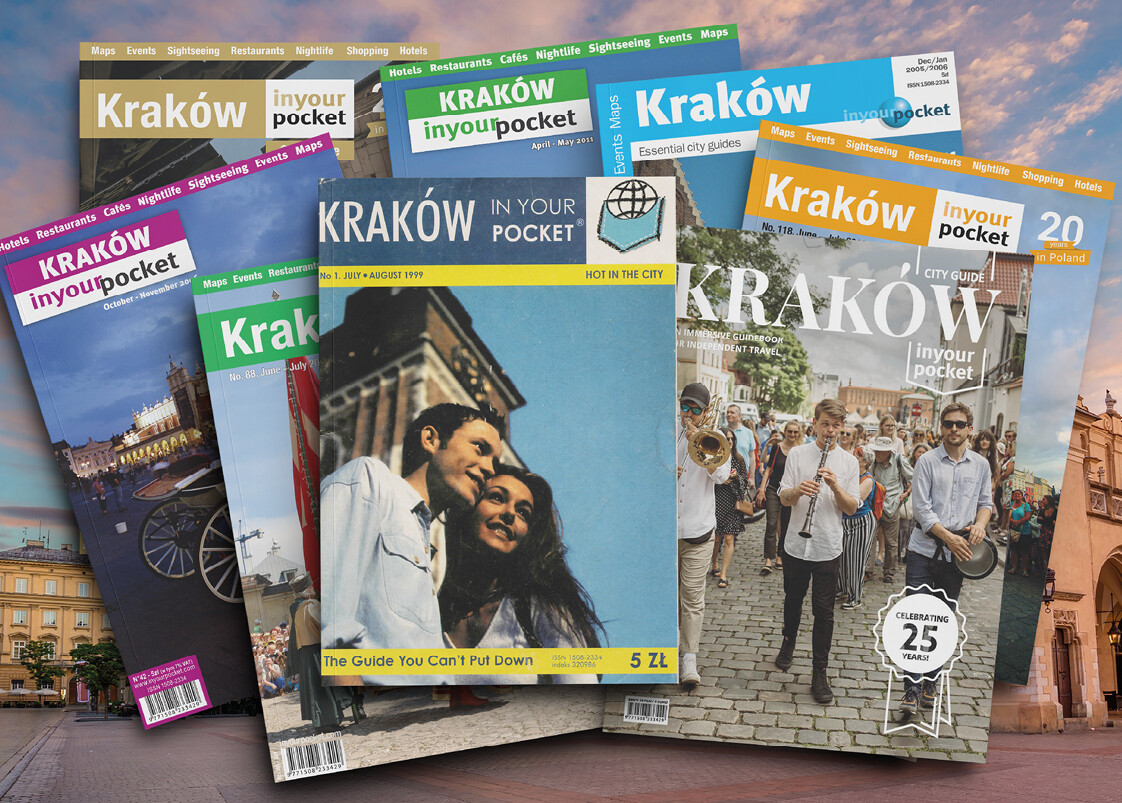
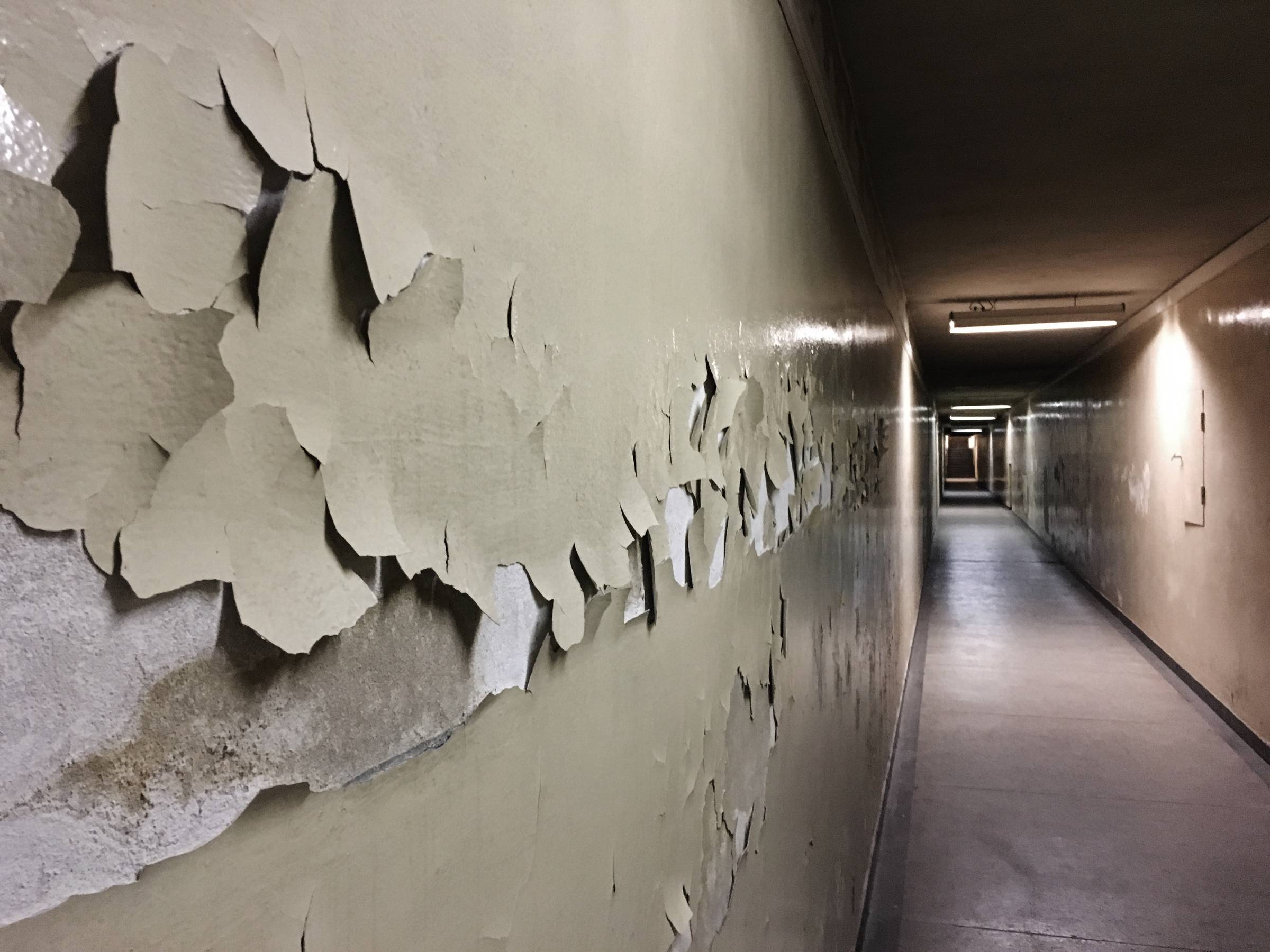
Krakow In Your Pocket as ‘a legacy of the era of Soviet hospitality’. You’ll know why when you visit. Essentially a concrete oblong set on sticks, construction on this beauty began in 1978 with the ribbon cutting taking place 11 years later. Nevertheless, when it was unveiled in 1989 it came to be regarded as one of the most futuristic buildings in Krakow. Awarded four stars the hotel featured perks unknown in 80s Krakow: air-conditioned rooms, an outdoor electronic clock with temperature displays, swimming pool, mini-golf and casino. Having passed from the Orbis brand to the Sofitel in 2001 the hotel was closed at the end of 2002, apparently because of a construction fault that led to frequent flooding of the basements. Today the largely vacant building functions as Poland’s longest billboard, and is available to rent as the city's best environment for playing
laser tag.
Finally, there’s the
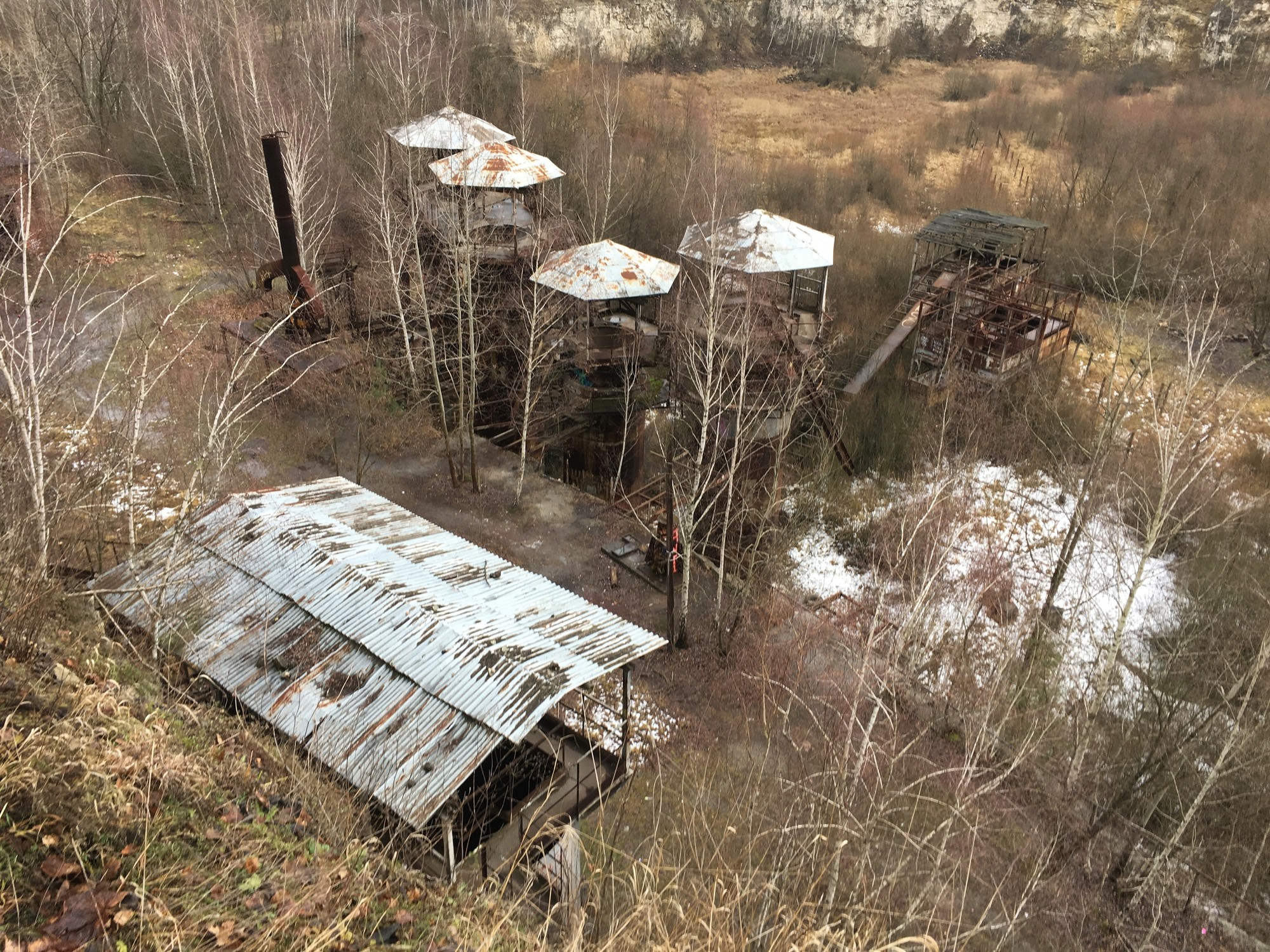
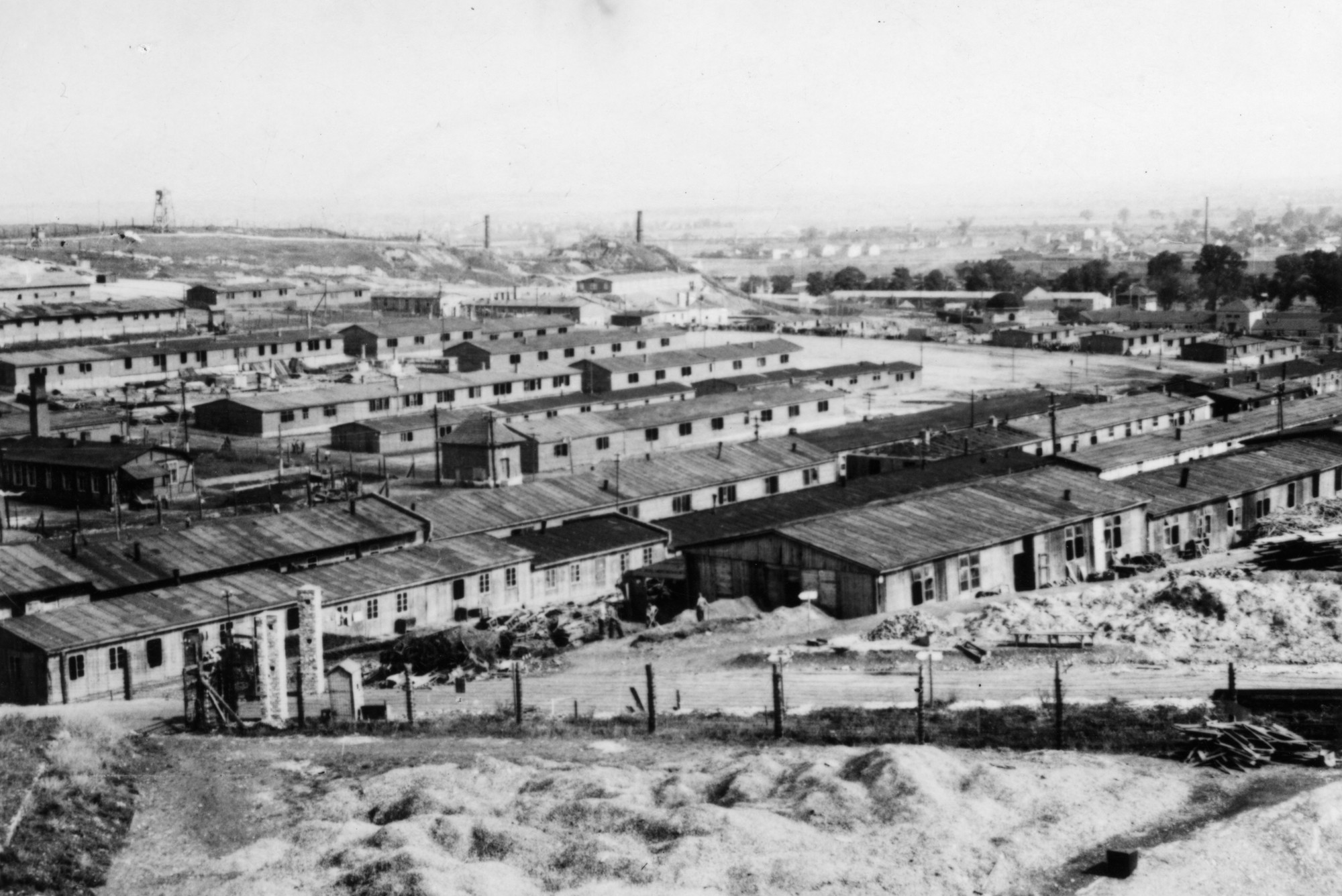
Liban Quarry, right by the Krakow – Krzemionki train station. Originally established in 1873 as a lime quarry by Liban & Ehrenpreis the area was utilized by the Nazis as a labour camp for Poles, with the Płaszow camp lying adjacent. After the war it saw heavy industrialization, and you’ll still see great big rusting hulks of industrial leftovers lying around. Although the quarry closed in 1990 that didn’t quite signal the death of Liban. Today the site is best known as the set location for much of
Schindler’s List, with half a million dollars invested into recreating Płaszow camp during filming in 1993. Amazingly traces of the film set remain visible, including barbed wire fences and gates, and a visit here is a haunting trip through times past.