This In Your Pocket Guide is available as

Bookmark and Share

Lodz | Sightseeing | Museums

ul. Ogrodowa 19

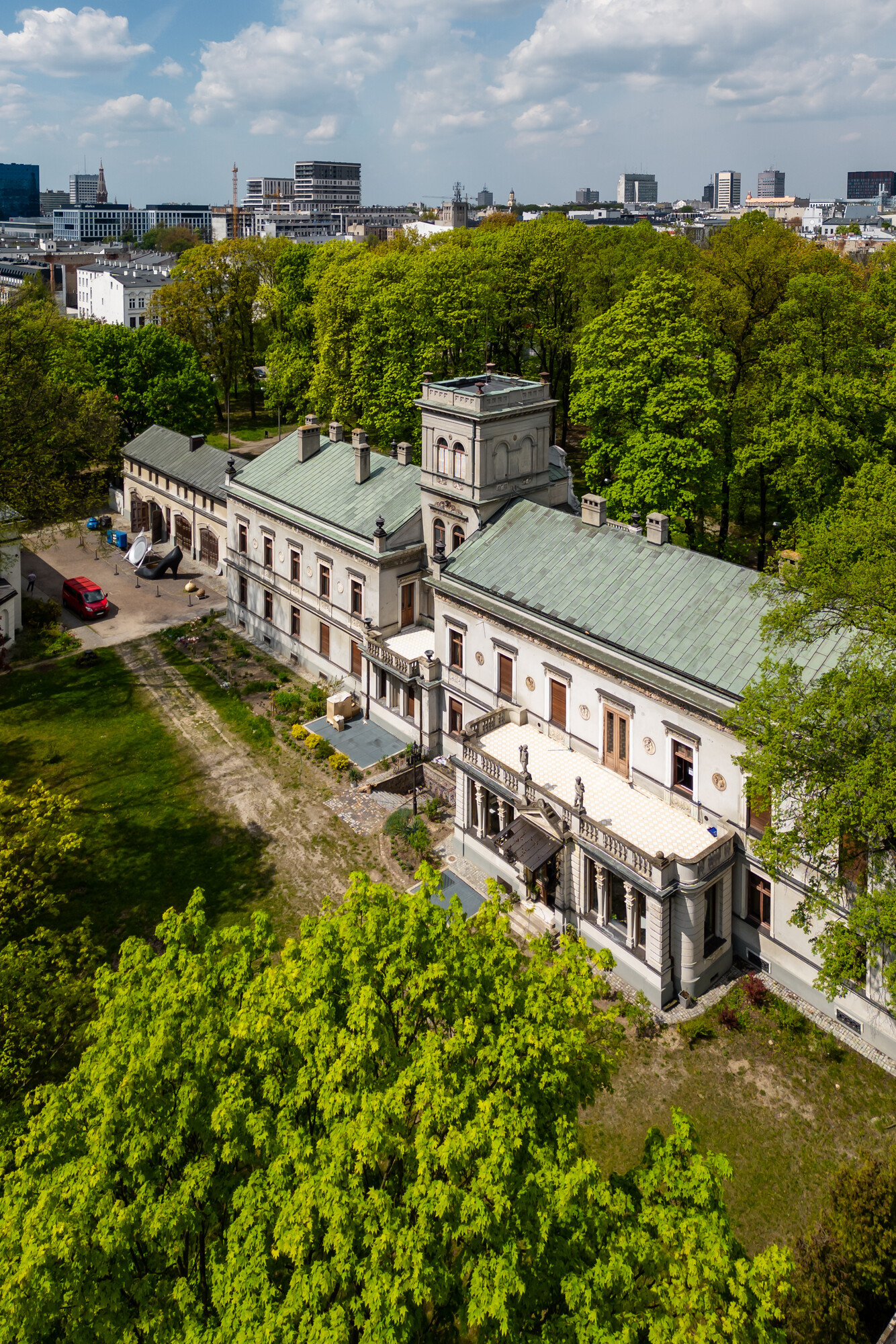
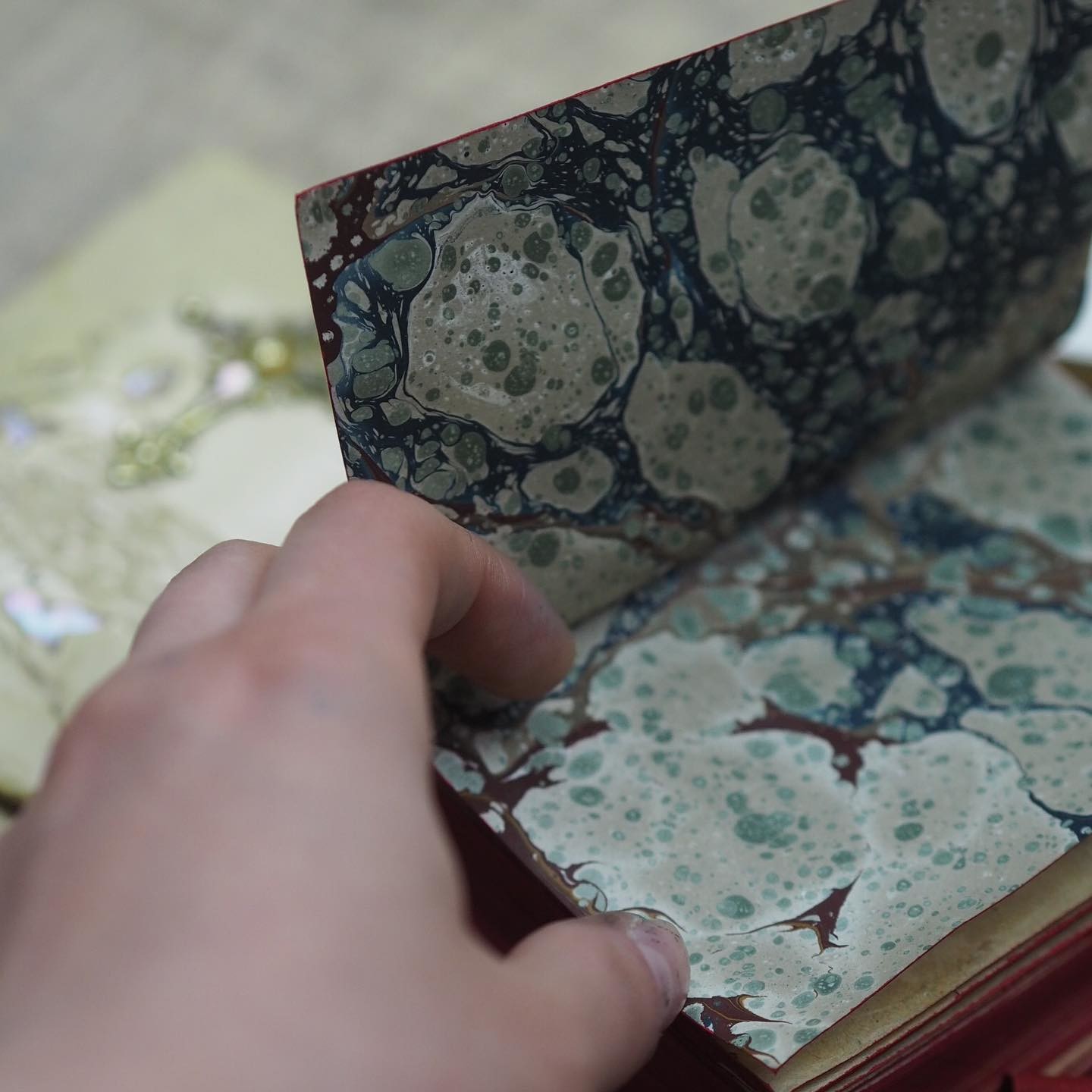
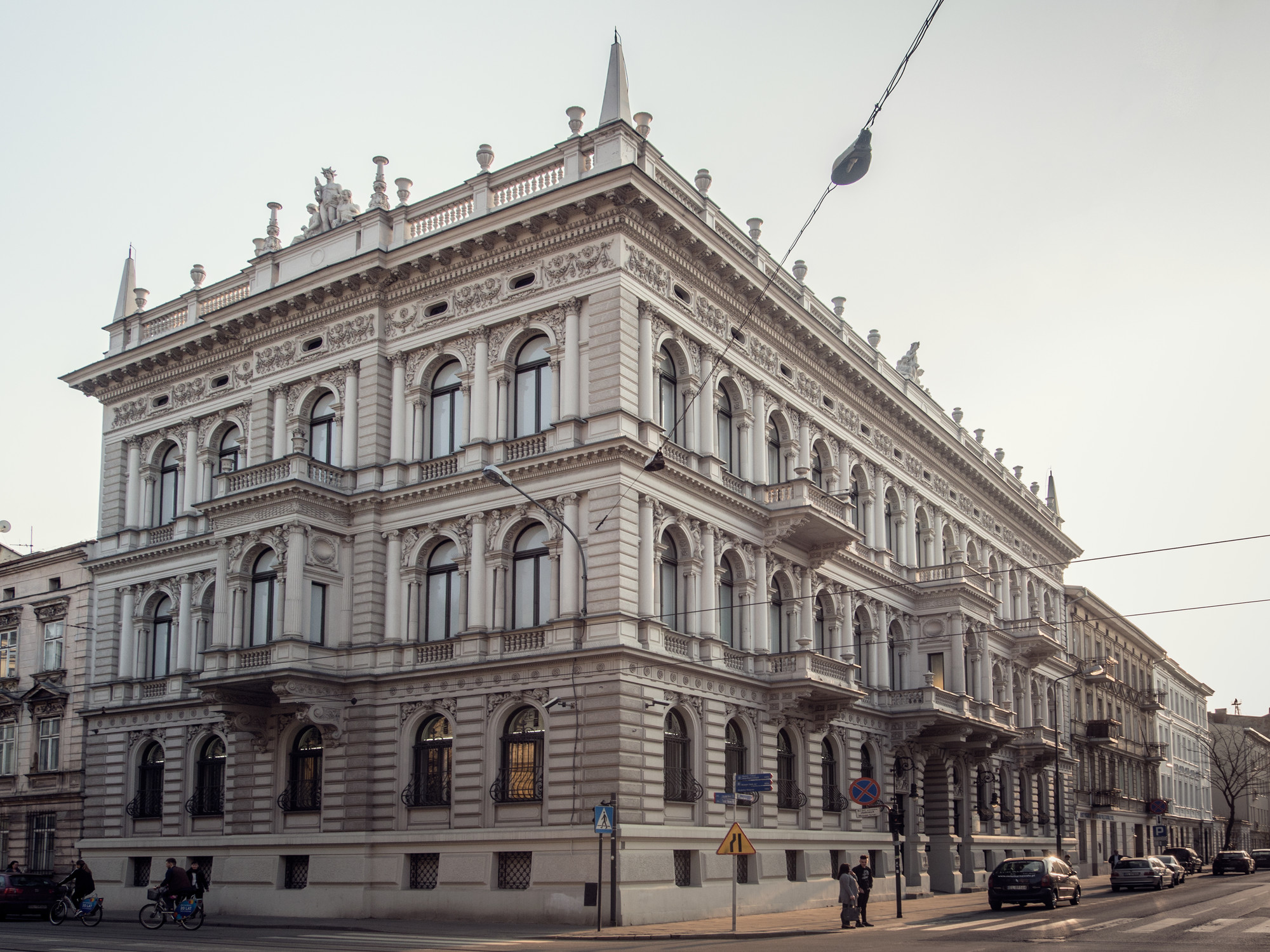
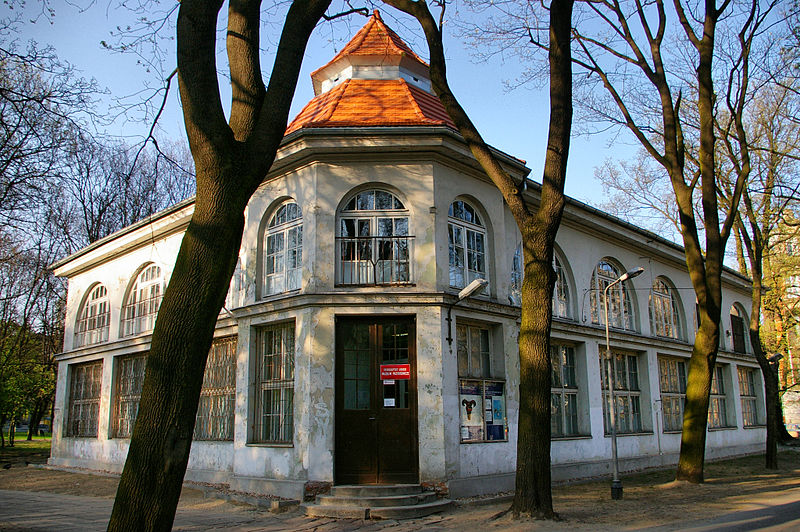
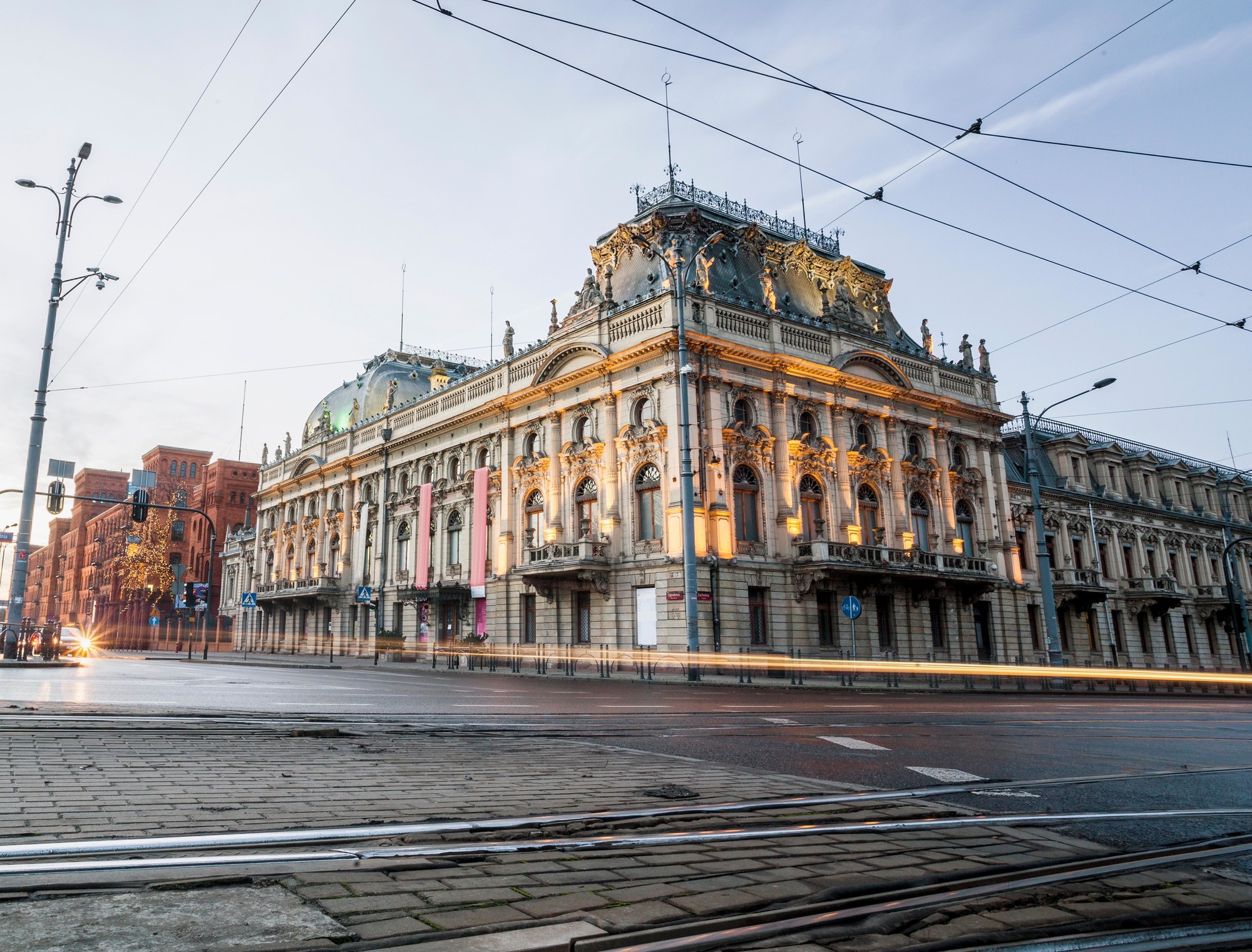
Situated inside the former villa of Henryk Grohman the Book Art Museum is a strange one room affair open only by prior appointment. On display are everything from medieval works to modern day e-books by way of a numerous tomes dating back through the centuries. Particular pride of place is attributed to a section devoted to latter day Polish artists.
[...]


Add your comment

ul. Tymienieckiego 24

tel. (+48) 502 62 64 66

Open on request only.
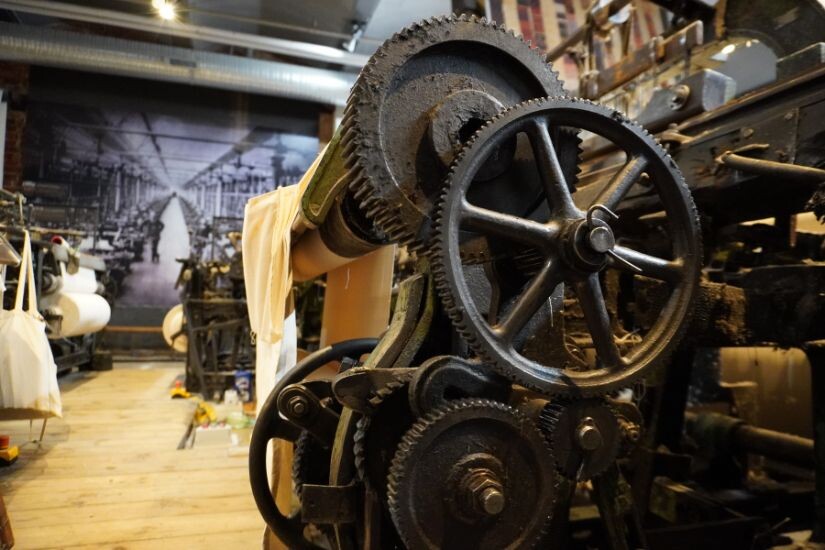
To understand exactly what Łódź is all about, and to really get under the city’s skin, a visit to the Textile Museum is a good place to start. Although everything is displayed in Polish only, the three floors of exhibition rooms containing a mind-boggling array of steam-driven looms, fabric-printing machines, contrasting recreations of how the workers and their factory-owning bosses lived and worked, original paintings of Łódź in its 19th-century heyday, lace, rugs and other paraphernalia connected to the textile industry speak volumes about the city that’s often referred to as the Manchester of Poland. The icing on the cake, the museum is housed inside Ludwig Geyer’s mammoth 19th-century White Factory, an extraordinary building worthy of a journey in itself. [...]


Add your comment

ul. Piotrkowska 282

tel. (+48) 42 683 26 84

Open 09:00-17:00,
Mon Closed,
Thu 11:00-19:00,
Sat 11:00-16:00,
Sun 11:00-16:00.
This is industrial tourism at its best, allowing visitors to Łódź to penetrate the earths core and visit the sewers that lie below. Designed by William Heerlein Lindley, and put into action by Stefan Skrzywin, this red brick subterranean reservoir was originally opened in 192 [...]


Add your comment

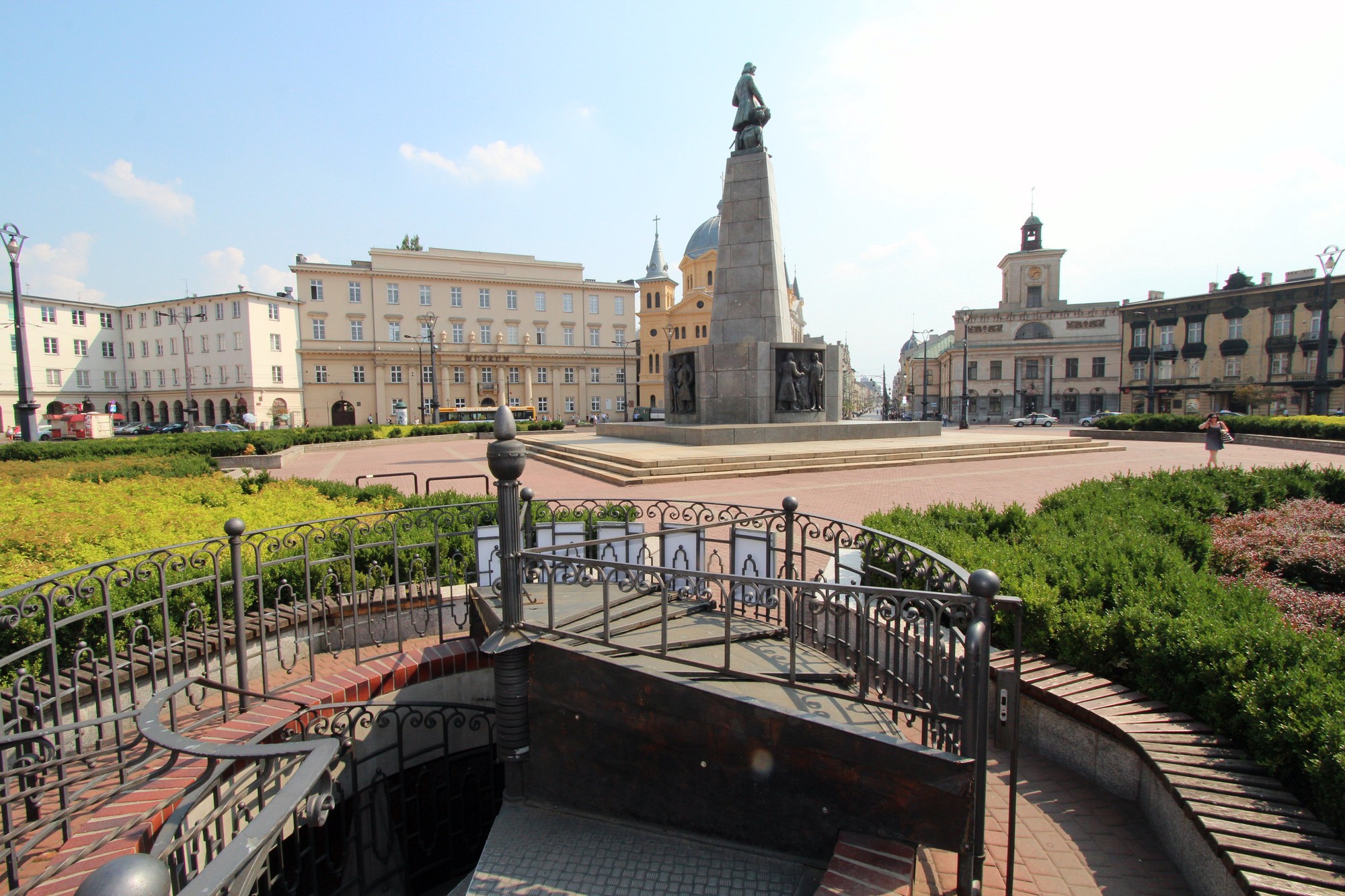
Pl. Wolności (near Tadeusz Kościuszko Monument)

tel. (+48) 42 254 90 11

Closed for winter. Scheduled to re-open in mid-March
Remember those old fashioned science museums with dinosaur skeletons and brains frothing in jars? And the notices that would order visitors to ‘keepaway from the glass’, as well as the fearsome old battleaxes that would enforce such rules. Here’s the exact opposite; a museum that makes science fun. In fact, rather than ordering you to ‘keep away from the glass’, this place actively encourages visitors to ‘push’, ‘touch’ and ‘enter’. The Experymentarium museum is designed to arouse the guests curiosity, with the ultimate aim being that visitors leave with a better understanding of the world around them. The learning experience is carved into eight sections: mechatronics, vibrations (waves and sounds), thermodynamics, optics, astronomy, biology, genetics and chemistry. The experiments visitors get to play around with are the brainchild of Polish scientists and students, and revolve around ideas of light, sound, anatomy, nature and new discoveries. The space takes up1,200m2 of the Manufaktura complex, and also features a wing designated for temporary exhibits from Polish and European institutions. Patrons include Łódź University and the Łódź Technical University, and the miscellaneous weirdness you’ll encounter number a metre long soap bubble, a flat light bulb, sounds from outer space and displays where you can produce your own paper, or even play music using light. This project is directly inspired by professor Frank Oppenheimer, who was the mastermind behind the first such venture of its kind: the Exploratorium in San Francisco, opened back in 1969. Your visit
should take approximately 80 minutes, during which time you’ll wander through five enclosed rooms, all of which come centred around a large open space. But the really clever bit is the way this educational centre is split into ‘night’ and ‘day’ – you’ll find all the mad light experiments taking place in the ‘night’ area. Finish your visit off with a spell in their café/bar. [...]


Add your comment

ul. Karskiego 5 (Manufaktura)

tel. (+48) 42 633 52 62

Open 10:00 - 21:00
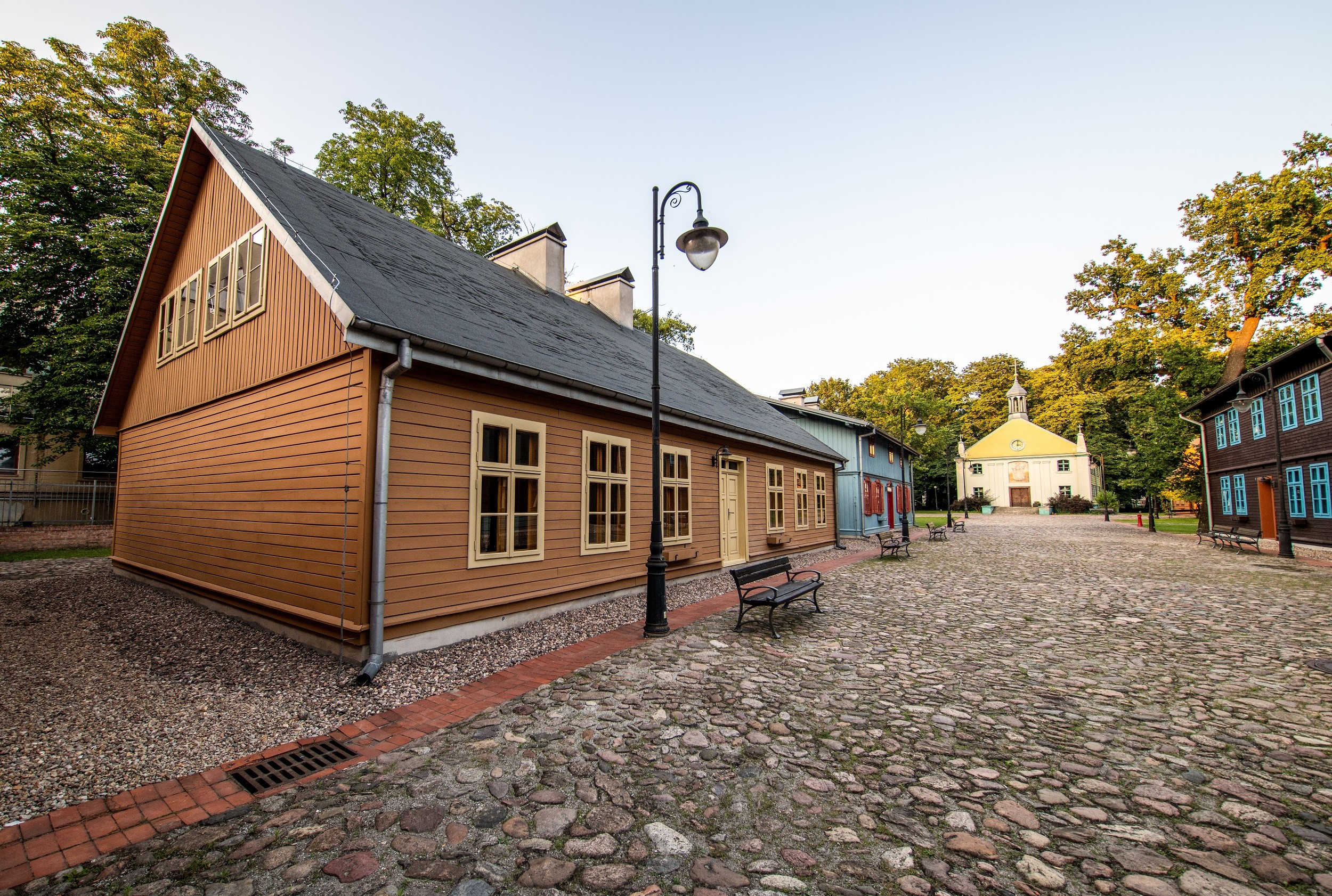
One of the most intriguing places in Poland, Księży Młyn (Prince’s Mill) was first mentioned in 1484 in reference to a mill built on the Jasien River in 1387. Passing from family to family the site grew in size over the years until it was commandeered by the invading Prussians in 1793. The original complex was burnt to the ground on May 9, 1822 and three years later the property was officially incorporated into the Łódka settlement. The same year the Polish cotton-spinning specialist Krystian Wendisch began building a new mill on the site, which was by this time a two-kilometre street called Przędzalniana (Spinning Mill Street), on what’s now ul. Tymienieckiego. The mill was the biggest in the area, comprising of three storeys, 70 metres long, 17 metres wide, and with 25 windows along the front, and used water from the Jasien River to power the cotton spinning machines. In 1830 Wendisch died and the mill was handed over to the state and the mill operated for a further 12 years until modern steam-powered competition forced it to close. Three years later Karol Moes, who would later go on to become one of the city’s leading industrialists, turn the mill into a cloth factory, switching to steam in 1854. The American Civil War brought about an interruption in cotton imports and Poland’s textile industry was in crisis during the years between 1861-64, and again the factory closed. Reopened once more in 1868 by Teodor Krusche, the mill burnt down again in 1870. Meanwhile in 1854 the 28-year-old Belgian-German Karol Scheibler arrived in Łódź. From a wealthy family who made their fortune in cloth, Scheibler opened a modern factory and was soon leaving the competition behind. In October 1870 Scheibler bought Moes’ burnt-out mill for 40,000 roubles and began radically transforming what was by now a 500ha area. Here Scheibler built not only mills, including the monster four-storey Pfaffendorf complete with 1,200 looms and 70,000 spindles and a weaving plant but an entire gasworks to light his factories and the neighbouring workers’ houses too - the first private gasworks in the city. In 1878 Scheibler added a direct train connection with the city’s main train station and a number of warehouses. By now the southern end of the complex was known as Manufaktura Księży Młyn. In 1874 tragedy striked again, and the main mill burnt down. Not discouraged, Scheibler invested even more money into what was turning rapidly into an entire city within the city. In 1875, Scheibler’s daughter married Edward Herbst, and the young couple moved into the adjoining Italian renaissance-style Rezydencja Księży Mlyn. In the same year Scheibler added several two-story houses for his workers and opened a school for their children. At the height of its existence in 1879, Łódź’s Księży Mlyn included all of the above plus more residential buildings and a wall around the entire complex that was locked at night. In 1881 Karol Scheibler died. Księży Mlyn continued to grow, with the opening of a hospital (again another first, this being the first factory hospital in Poland), and on June 20, 1884 Łódź’s first voluntary fire brigade unit were founded inside Scheibler’s factory. WWII destroyed most of Księży Mlyn, although some of it, including a street of original worker’s tenements and the Rezydencja (now a splendid museum) survived. [...]


Add your comment

ul. Przędzalniana 72

tel. (+48) 42 674 96 98

Open 10:00-17:00, Sat, Sun 11:00-16:00. Mon Closed.
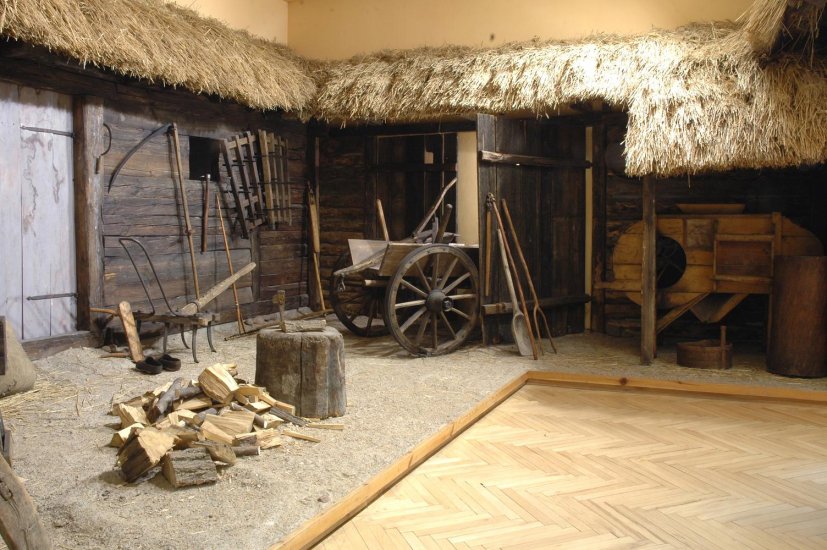
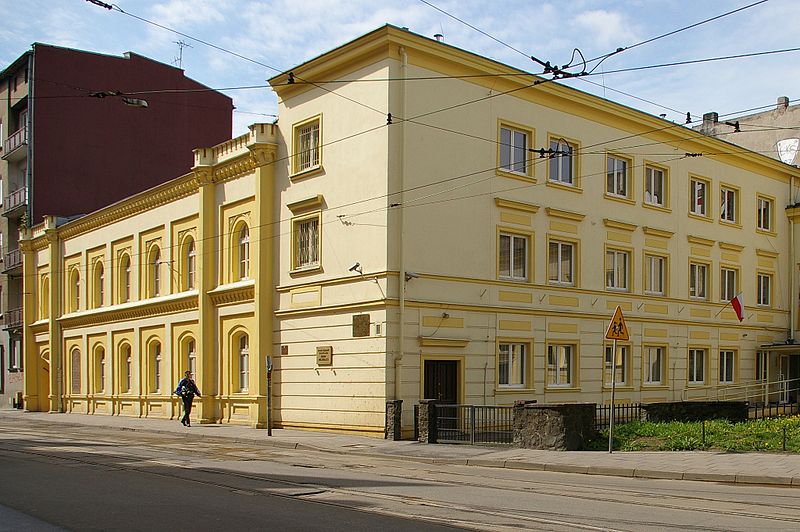
Established in 1931 and one of the leading research institutions of its kind in the country, this charming little museum is packed with intricately carved swords and muskets, archaeological finds from Palaeolithic Poland including flint axes, pots and the customary skeleton in a glass case, charming models of river settlements from the 3rd century, recreations of 19th-century peasant houses and a peculiar exhibit dedicated to the history of money in Poland displayed in a pretend bank. If the idea of being followed by the staff doesn't worry you in the least then this museum can't come recommended highly enough. Of particular note, and easily missed, is the small collection of puppets from Polish animated films in a series of glass cabinets opposite the toilets on the ground floor. [...]


Add your comment

Pl. Wolności 14

tel. (+48) 42 632 97 14

Open 09:00-16:00,
Mon Closed,
Tue 10:00-17:00,
Thu 11:00-18:00.
Last ticket sold 30 minutes before closing.
See HollyLodz for further details. [...]


Add your comment

Pl. Zwycięstwa 1

tel. (+48) 42 674 09 57

Open 09:00-16:00,
Mon Closed,
Tue 10:00-17:00,
Thu 11:00-18:00.
ul. Ogrodowa 15

tel. (+48) 42 654 03 23

A typically run of the mill Polish museum that wouldn’t look out of place in a small town anywhere in the country, find the usual collection of stuffed birds and rocks not very thoughtfully presented and illustrated in Polish only. Belonging to the university, there’s little reason to drop by here unless you’re a fan of this kind of thing or if you’re in the park and the heavens open. [...]


Add your comment

ul. Kilińskiego 101 (Sienkiewicza Park)

tel. (+48) 42 665 54 90

Open 10:00-17:00,
Mon Closed,
Sat 10:00-14:00,
Sun 10:00-14:00.
Last ticket sold 30 minutes before closing.
ul. Drewnowska 58

Set inside a former Tsarist prison your tour begins on the ground floor, where a walk around the former cells allows visitors to glimpse depressing sights like huge, rusty restraints, a pitch-black isolation cell and playing cards and chess sets produced by the inmates. From there the museum is a c [...]


Add your comment

ul. Gdańska 13

tel. (+48) 42 632 20 44

Open 09:00-17:00,
Wed 10:00-18:00,
Fri Closed,
Sat 10:00-15:00,
Sun 10:00-15:00.
Changing modern art exhibitions courtesy of artists from Israel, Russia and Germany. Due to re-open in mid-March with a temporary exhibit titled 'Architecture as a symbol of Power'.
[...]


Add your comment

ul. Więckowskiego 36

tel. (+48) 42 633 97 90

Open 10:00-19:00,
Mon Closed.
Open 10:00-19:00. Closed Mon (Closed till mid-March)