This In Your Pocket Guide is available as

Bookmark and Share

Poznan | Sightseeing | Places of Interest

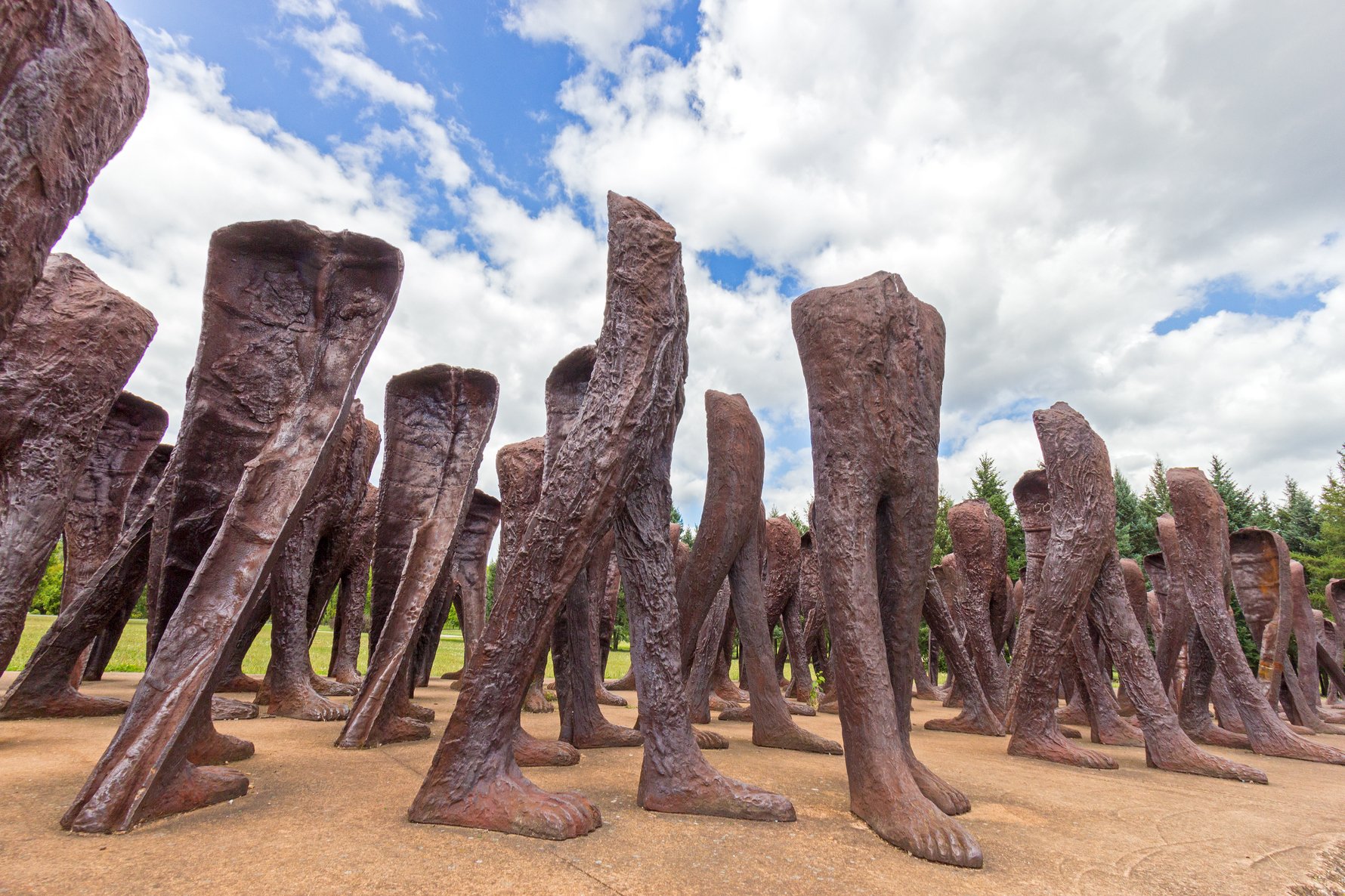
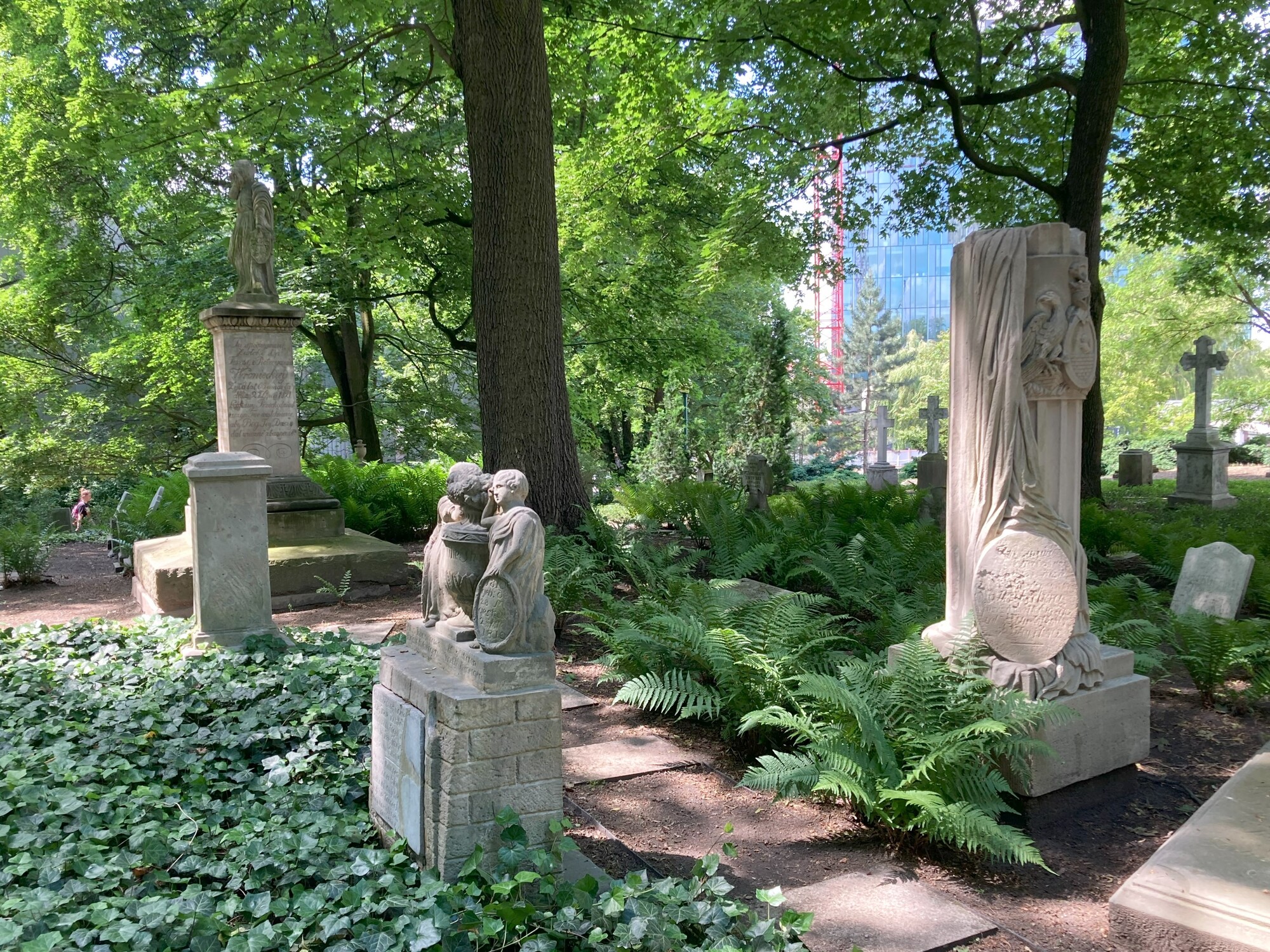
Winiary Hill, north of the Old Town, was transformed into a fortress from 1828 to 1839 by the Prussians. It was destroyed in the siege of 1945, and the remains of the fortifications house the Museum of the Poznań Army and the Citadel Museum, which has open-air displays of military equipment. The rest of the area the fortress occupied is now a large park. Of note are the cemeteries that lie on the south west of the park boundaries. A commonwealth graveyard includes the remains of allied airmen shot down over Poland during WWII and is also the resting place for several of those captured during The Great Escape – yes it was a true story (minus Steve McQueen). Next to it a cemetery dedicated to Red Army soldiers killed during the 1945 siege, with a soaring monument standing out as an awesome display of Socialist Realism. The red star that once topped it was long removed, the rumours that it was filled with jewels proving to be urban myth. Jammed in between Soviet and Commonwealth memorials are plots dedicated to Poles killed under Fascism, and also during the 1956 Wielkopolska Uprising. After all the gloom and death the installation titled ‘The Unrecognized’ by Magdalena Abakanowicz comes as light relief. Some 112 cast iron headless figures stand at over two metres high and make for curious viewing. Added to the park in 2002, the meaning of the controversial installation is open to debate. For more about the artist visit www.abakanowicz.art.pl.    [...]


Add your comment

Wzgórze Cytadela

A must for all beer aficionados. What could be better than half a day out at one of Poland’s biggest breweries? The Poznan Brewery, which produces Lech, Tyskie, Żubr and Redds lies on the outskirts of the city.

There is no minimum number of people required for a tour so you can happily book by yourself. They do ask that you make an appointment for a tour the day before or at very least on the morning of your planned visit. Despite this, our un-announced arrival presented no significant problems - although we were naturally disappointed thatwe would have to wait half an hour in the bar before a guide could be rustled up.

The first hour consists of a waltz through the production process, fermenting and mashing as well as the usual guff about water purity and the like. The most striking thing about the first hour’s tour through the production plant is the lack of humans and the sheer amount of steel and technology. The two hour tour, which is available in English, German and Russian is both informative and  thorough and your guides are employees of the brewery chosen for their years of experience and interest in the brewing process. The brewery, dating from 1980, is fairly impressive, and having been treated to a facelift in the 1990s is thoroughly modern; you’ll find yourself surrounded by sparkling steel on all sides.

For your second hour you’ll be whisked off to the multimedia centre. Here you’ll be treated to a film on the history and production of beer, as well as a galaxy of new attractions telling the story of Lech. We recommend that you take notes because you will be quizzed on the film when it finishes, we kid you not. Take the opportunity to have your photo taken inside a huge can of Lech which you can then instantly email to all of your friends or get involved in the bottling process which is guaranteed to bring out the child engineer in all of you.

After your exhausting cultural experience you’ll finish the tour with a well-earned beer which you can choose from their portfolio of brands, and you can complete your immersion into the world of Lech by buying up fleeces, keyrings, pens and beer mugs from the souvenir shop.

To get to the Brewery take a tram over to Rondo Rataje over the river and then take the M1 bus out to the shopping mall on the edge of town. Hop off and you can’t miss the brewery as it has three huge towers draped in bright green Lech flags. Alternatively a taxi ride from the centre will set you back about 20zł. [...]


Add your comment

ul. Szwajcarska 11 (Nowe Miasto)

tel. (+48) 61 878 74 60

Open 10:00-14:00,
Mon 10:00-18:00,
Wed 10:00-18:00,
Sat 10:00-18:00,
Sun Closed.
A cult figure in military history, Napoleon Bonaparte made several visits to what is now modern day Poland, with Poznań hosting him a couple of times during his forays into the east. He first arrived in the city on November 27, 1806, in a time sandwiched between victorious campaigns agains [...]


Add your comment

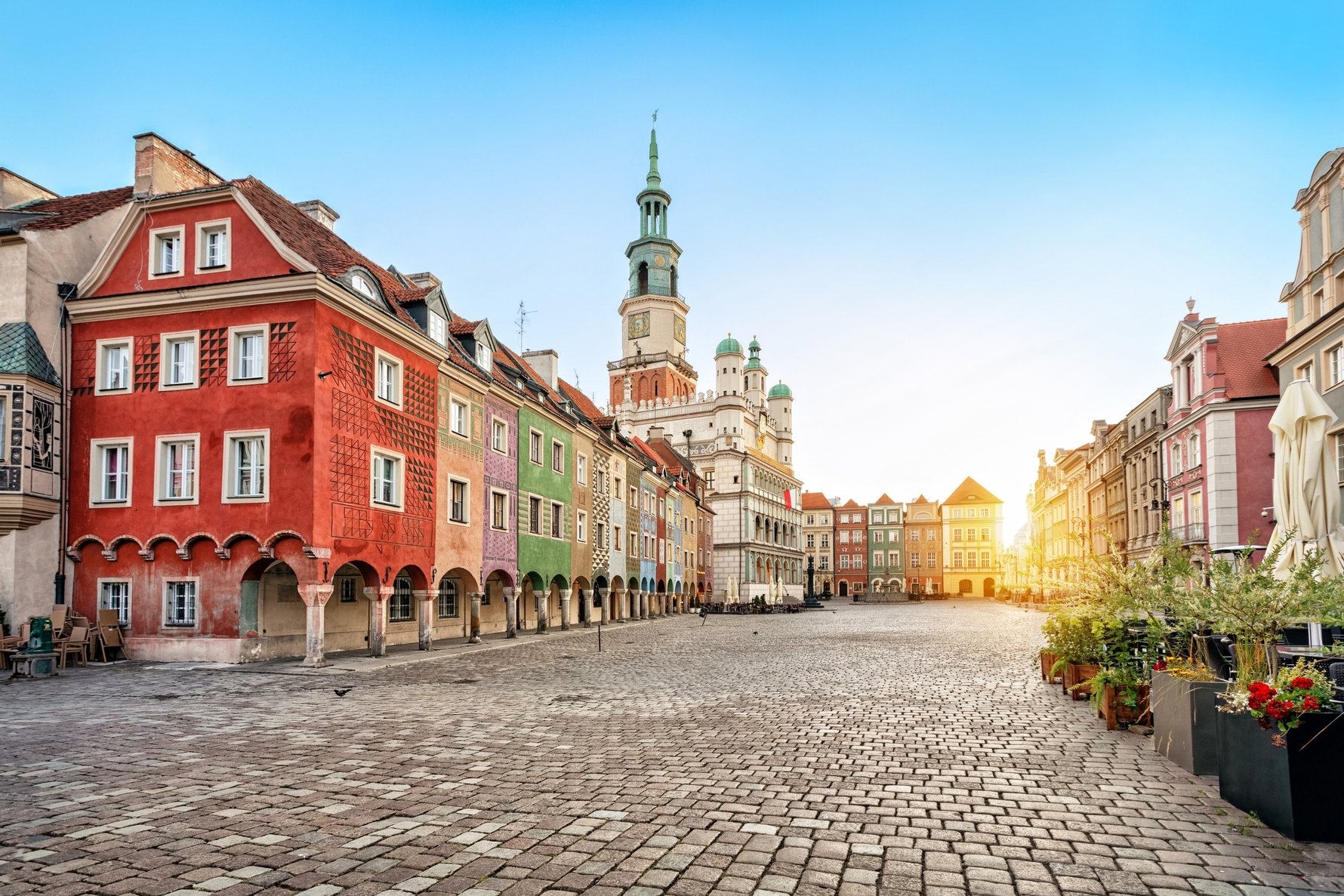
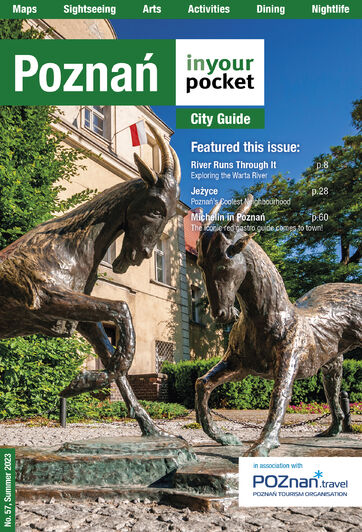
First built at the beginning of the 14th century, the seat of Poznań’s municipal authorities was rebuilt following the great fire of 1536. Italian architect, Giovanni Quadro of Lugano, was commissioned to oversee the reconstruction, and a renaissance loggia and attic were added, offset by a classical tower. Once revered as the most beautiful building north of the Alps, the town hall has been beset by a catalogue of disasters. A fire in 1675, a hurricane in 1725 and then bomb damage during WWII mean that little of the original structure remains. The oldest surviving parts are the cellars with their early-Gothic cross-vaulted ceilings. Today it houses the Historical Museum of Poznań, whose collection encompasses exhibits from the 10th century till the present day. The biggest draw is the Great Entrance Hall with its elaborately decorated vault, supported by two huge pillars. The tableaux are inspired by the bible, astrology and figures from mythology. The crowds you’ll see gathering outside the building at noon are waiting for the two mechanical billy goats to emerge. On Sundays and holidays, a bugle call also comes from the tower; legend has it that a town-hall bugler took care of the King of Ravens, and in return the birds helped to save the city during a siege. Directly outside the town hall is a whipping post, dating from 1535. It was here that miscreants were whipped, executed or led to the city boundaries before being banished from Poznań. The figure standing on top depicts the executioner of Poznań, and funds for the statue were raised from fines levied on maids who would dress above their station. [...]


Add your comment

Stary Rynek 1

tel. (+48) 61 856 81 91

Open 09:00-15:00,
Mon Closed,
Fri 12:00-21:00,
Sat 11:00-18:00,
Sun 11:00-18:00.
Last entrance 30 minutes before closing.
Ostrów Tumski
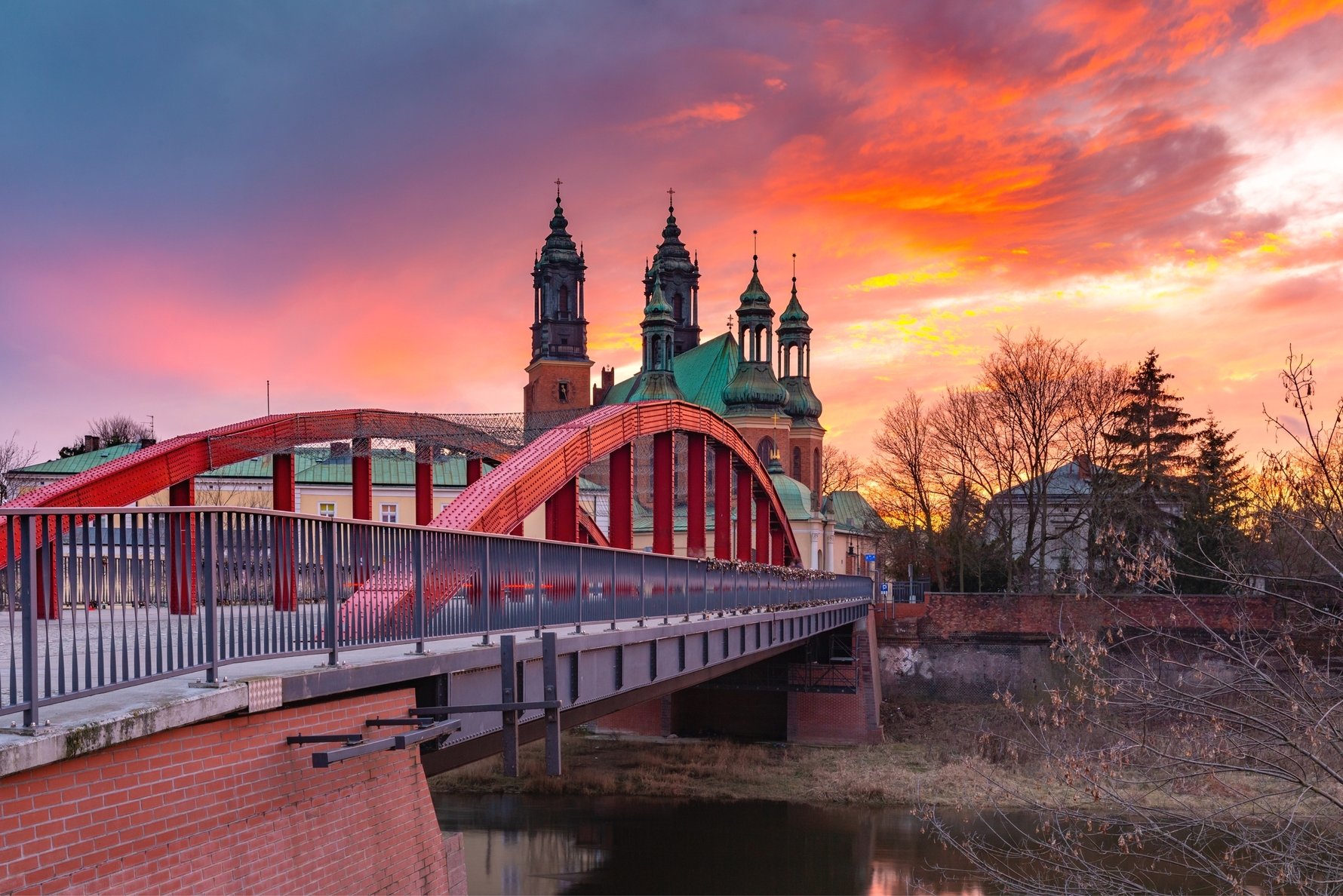
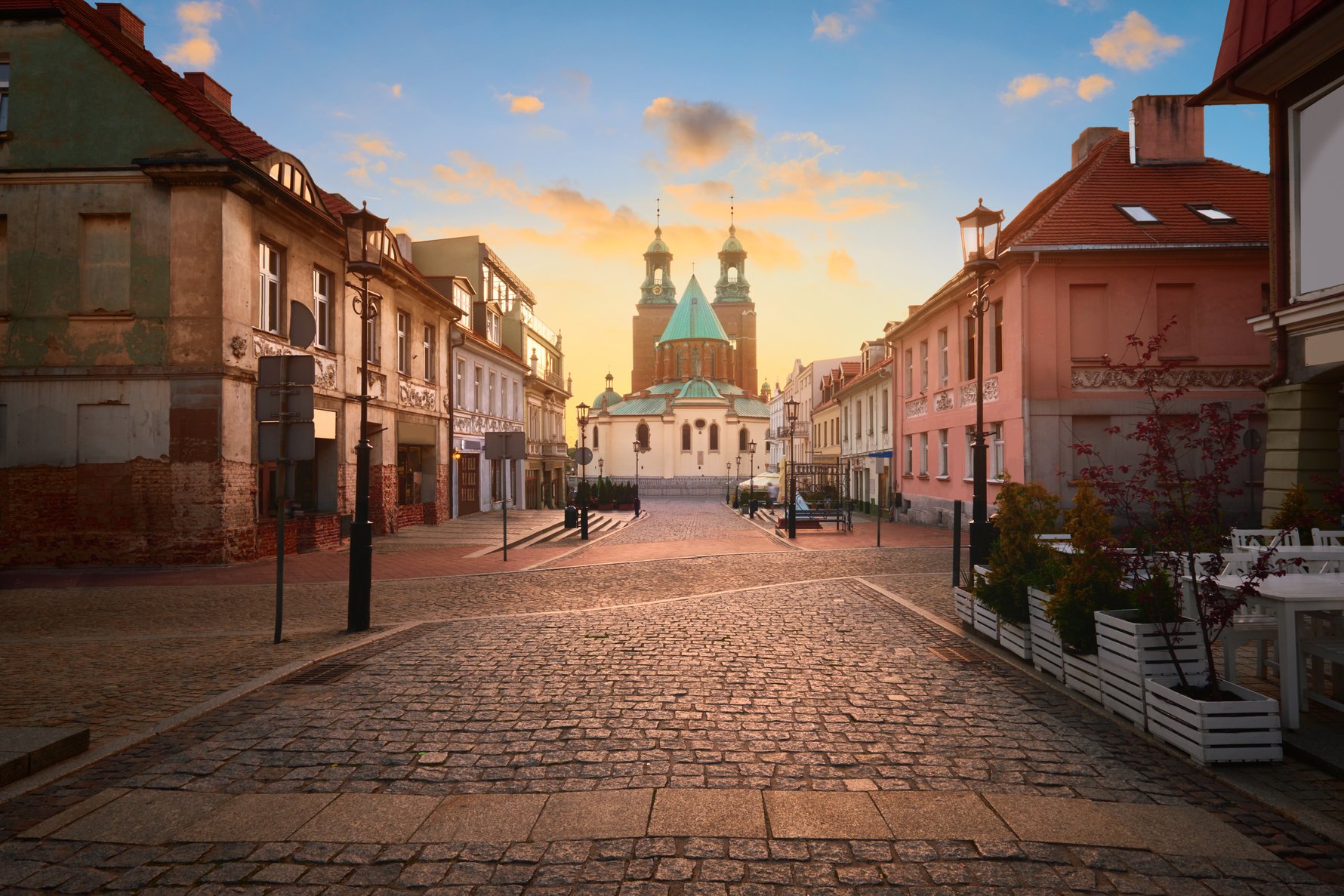
This island is where the city originated and ‘where Poland began’ according to Pope John Paul II. Legend has it that three Slav brothers called Lech, Czech and Rus met at this island having not seen each other for years. The city was named to commemorate their reunion, poznać being Polish for ‘to meet'. A castle was built on the island in the 9th century, and by the 10th century it had become a major centre of the Piast state. This is the spot where Poland adopted Catholic baptism and where the first bishopric was established in 968. Mieszko I and Bolesław Chrobry, the founders of the Polish state, are buried in the cathedral. Remains of 19th century Prussian fortifications are still visible on the Cybina riverside. [...]


Add your comment

 A huge model that shows Poznań in its form as presented in Brau-Hogenburg’s picture sketched in 1618. Constructed over a period of six years the model takes up a space of 50m2 and is built on a scale of 1:150. The decorative details are impressive, and you can expect lots of kids as well as anoraked model enthusiasts pulling up the school seats around it as they wait for the show to begin. As the lights dim a recorded commentary begins and visitors are taken through the area-by-area story of Poznań’s development. Foreigners get given headsets to listen to heavily accented commentary in the language of their choice, though this is at times drowned out by hilarious background noise that includes medieval soldiers screaming in agony. And it doesn't end there. Now added are similar models depicting Poznan in the 11th century, as well as a detailed model of the main square.
[...]


Add your comment

ul. Franciszkańska 2 (basement of the Franciscan Church, entrance from Ludgarda Street)

tel. (+48) 61 855 14 35

Open 09:30-17:00, Sun 11:00-17:00. From June Open 09:30-19:15, Sun 11:00-19:15. and by prior arrangement.
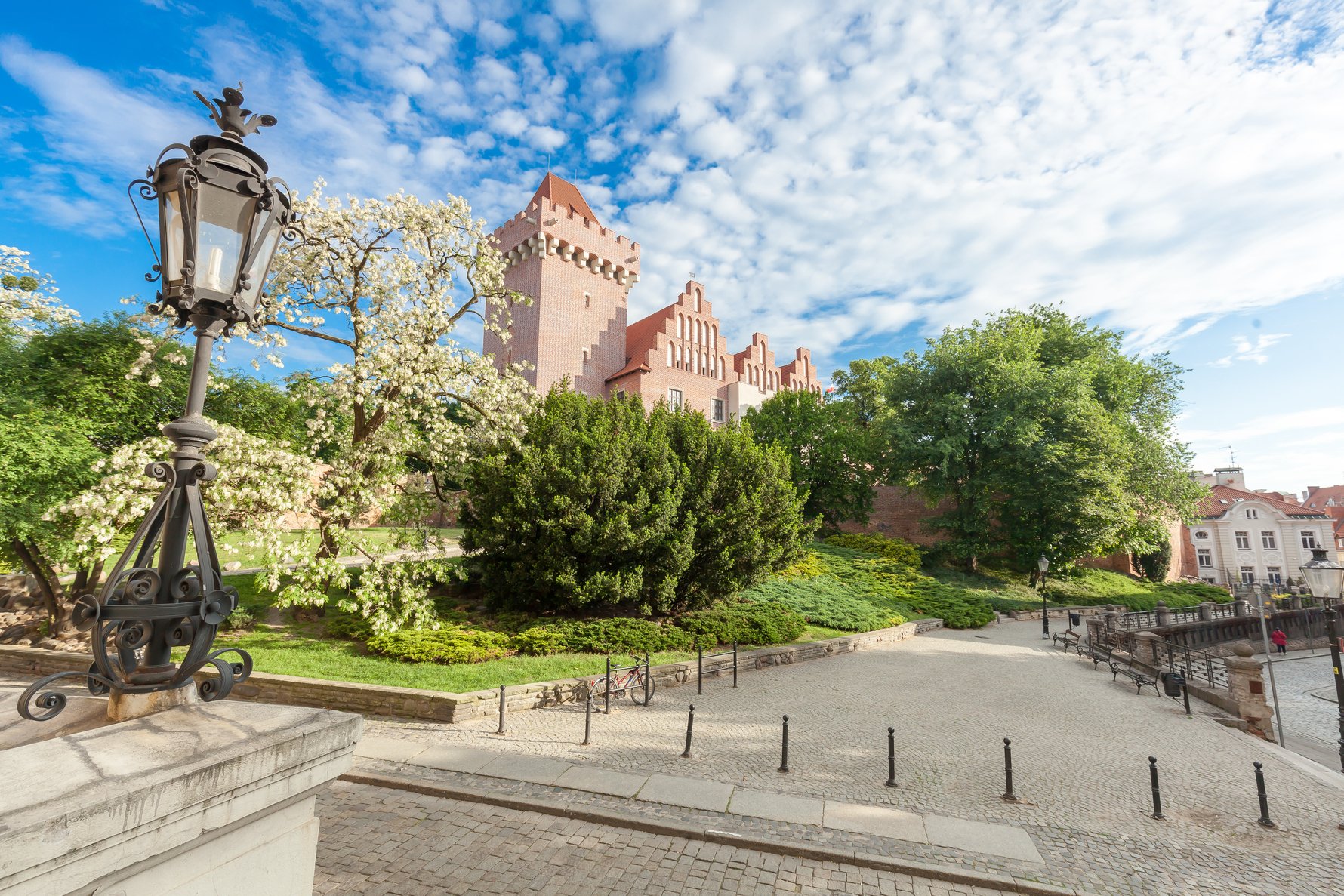
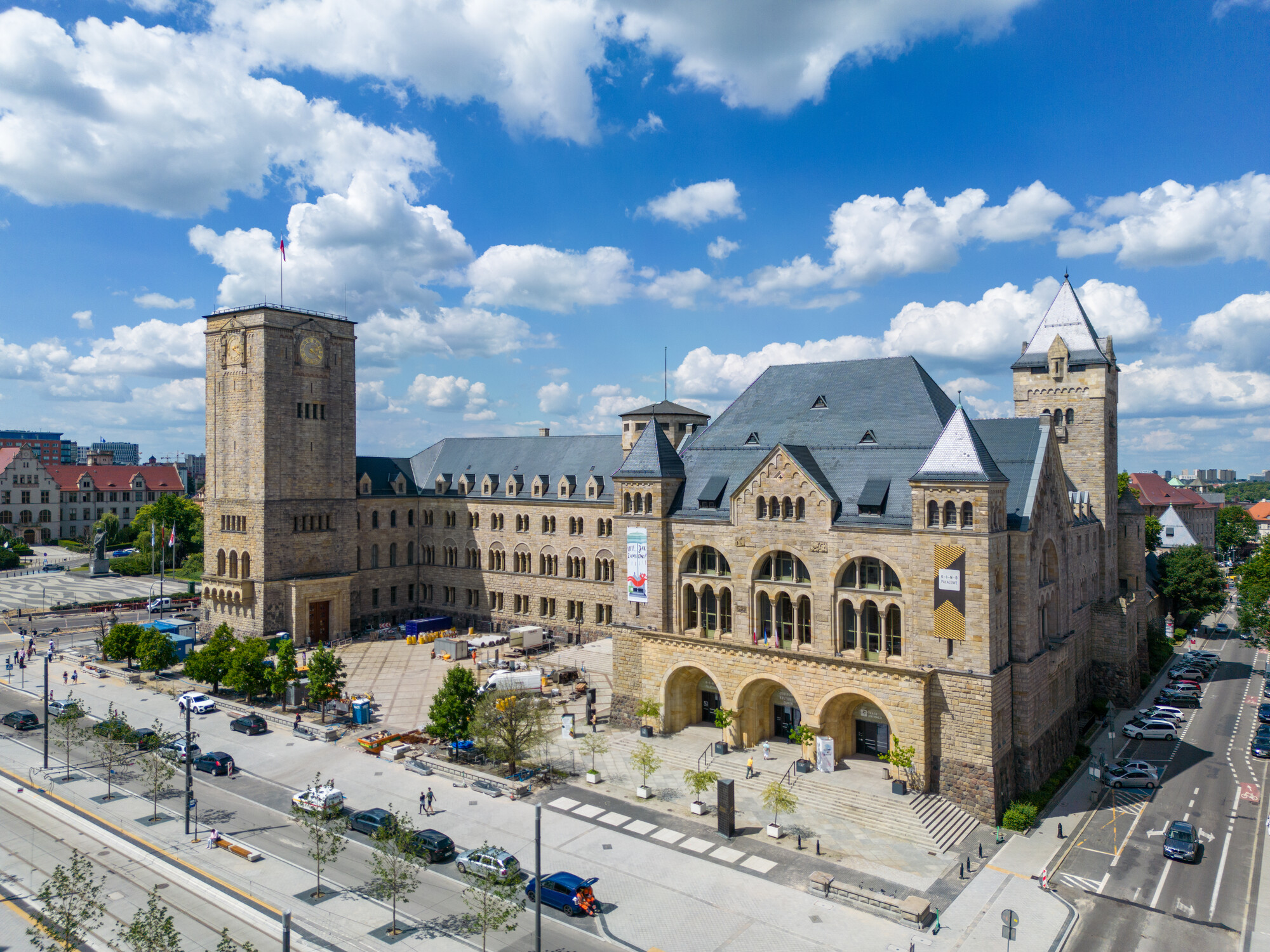
Construction on Poznań’s fearsome castle began in 1905, with the keys officially handed over to Kaiser Wilhelm II in 1910. Designed by Franz Schwechten the building was built following neo-Roman aesthetic with living quarters for the Kaiser located in the west wing, and the throne ro [...]


Add your comment

ul. Św. Marcin 80/82

tel. (+48) 61 646 52 76

Open 11:00-19:00,
Mon Closed.
Admission depending on repertoire.
The Old Town Square
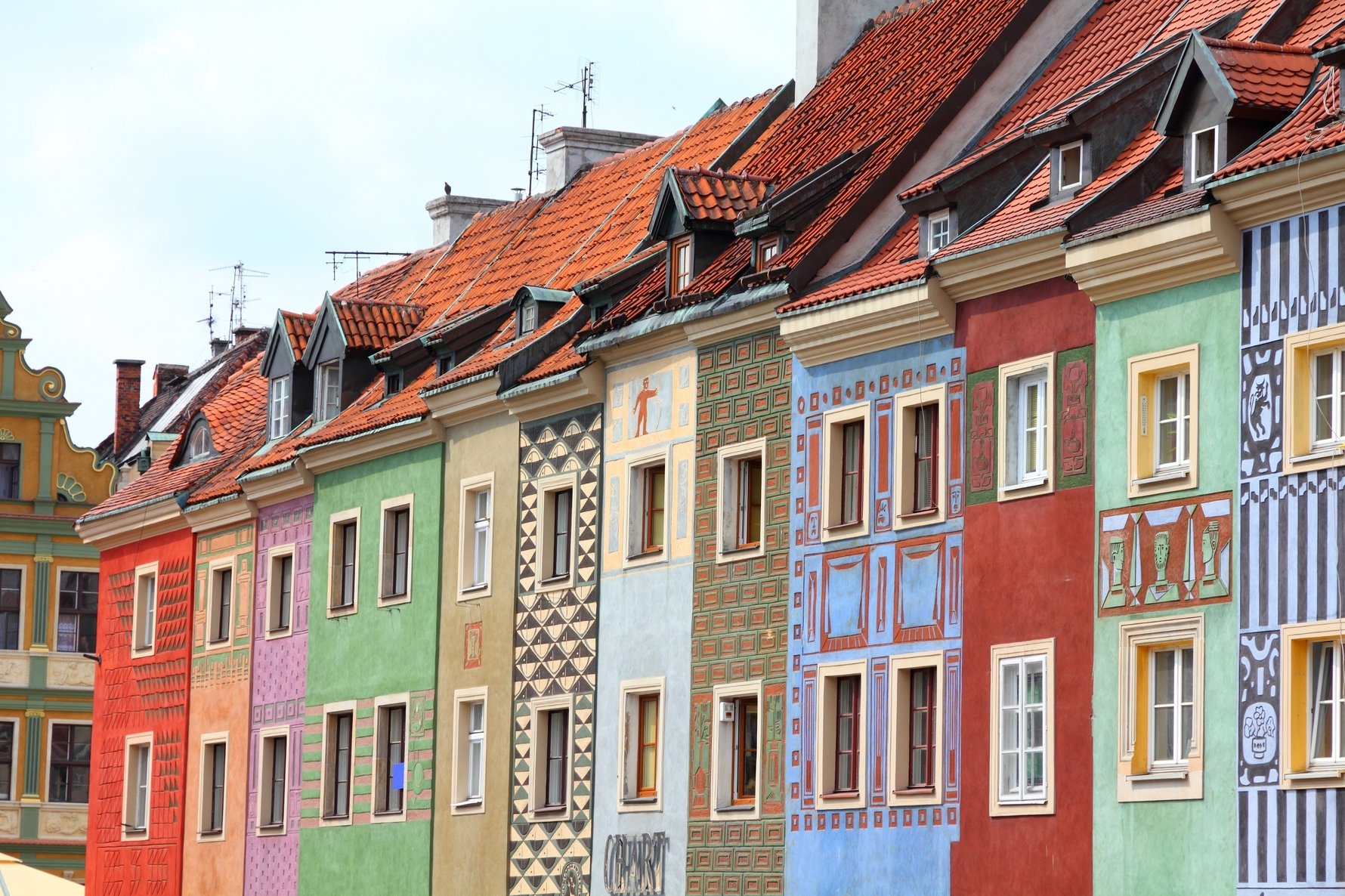
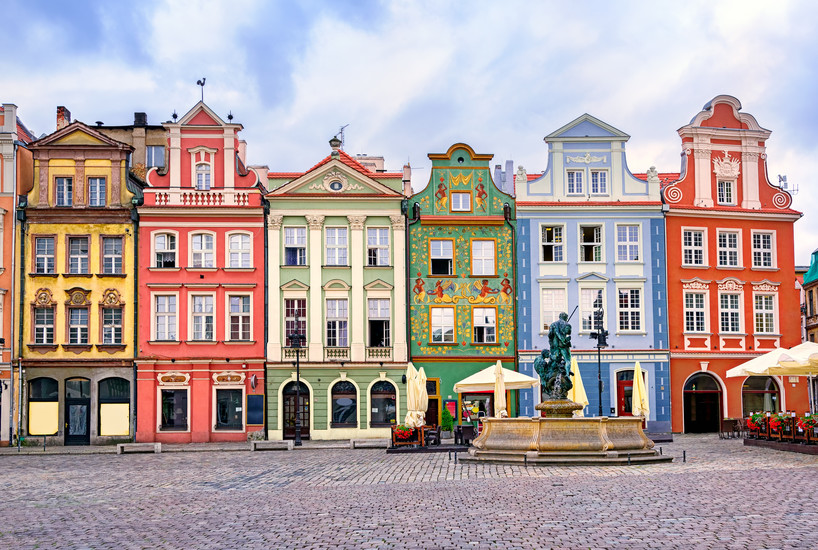
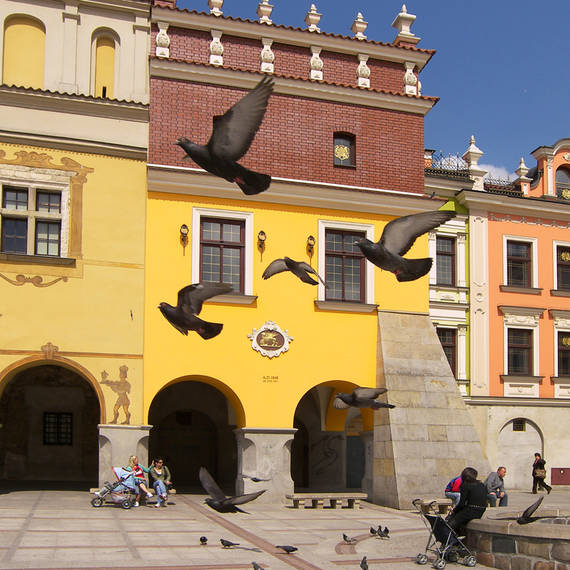
The Old Town Square was the centre of old Poznań, and to this day is rich in historic architecture, museums and restaurants. Around 60 per cent of the old town was flattened during WWII, though most of the houses were meticulously rebuilt in the 1950s following Baroque and Renaissance styles. Aside from the two concrete carbuncles planted needlessly in the middle, the town square remains one of the most picturesque in Central Europe. Behind the town hall lies the City Scales building that once housed the hardware for weighing merchandise on its way to the market.
Keep your eyes peeled for several interesting buildings that rim the Rynek:
Stary Rynek 43 – Poznań’s oldest chemist, Under the White Eagle has been operating since 1564.
Stary Rynek 48 - Originally built in the 12th century the house boasts the oldest gothic cellars in the city. During the 16th century it was residence of town mayor Kacper Goski. Author of Plague in the Air, Goski also dabbled in astrology. His unlikely, but ultimately accurate, prediction of the Turkish defeat at the Battle of Lepanto immortalized him across Europe.
Stary Rynek 50 - Worth noting for its gothic façade and the small portico over the doorway. During a bawdy drinking bout King August II of Saxony tumbled out of the window; the roof broke his fall and saved his life. Nearby a tablet marks the level that floodwaters reached in 1736.
Stary Rynek 52 - Once owned by Mikołaj Ridt, the trader was apparently turned into a werewolf after a foul-mouthed outburst directed at a neighbouring convent. Following war damage the house was rebuilt in 1945 in renaissance style.
[...]


Add your comment

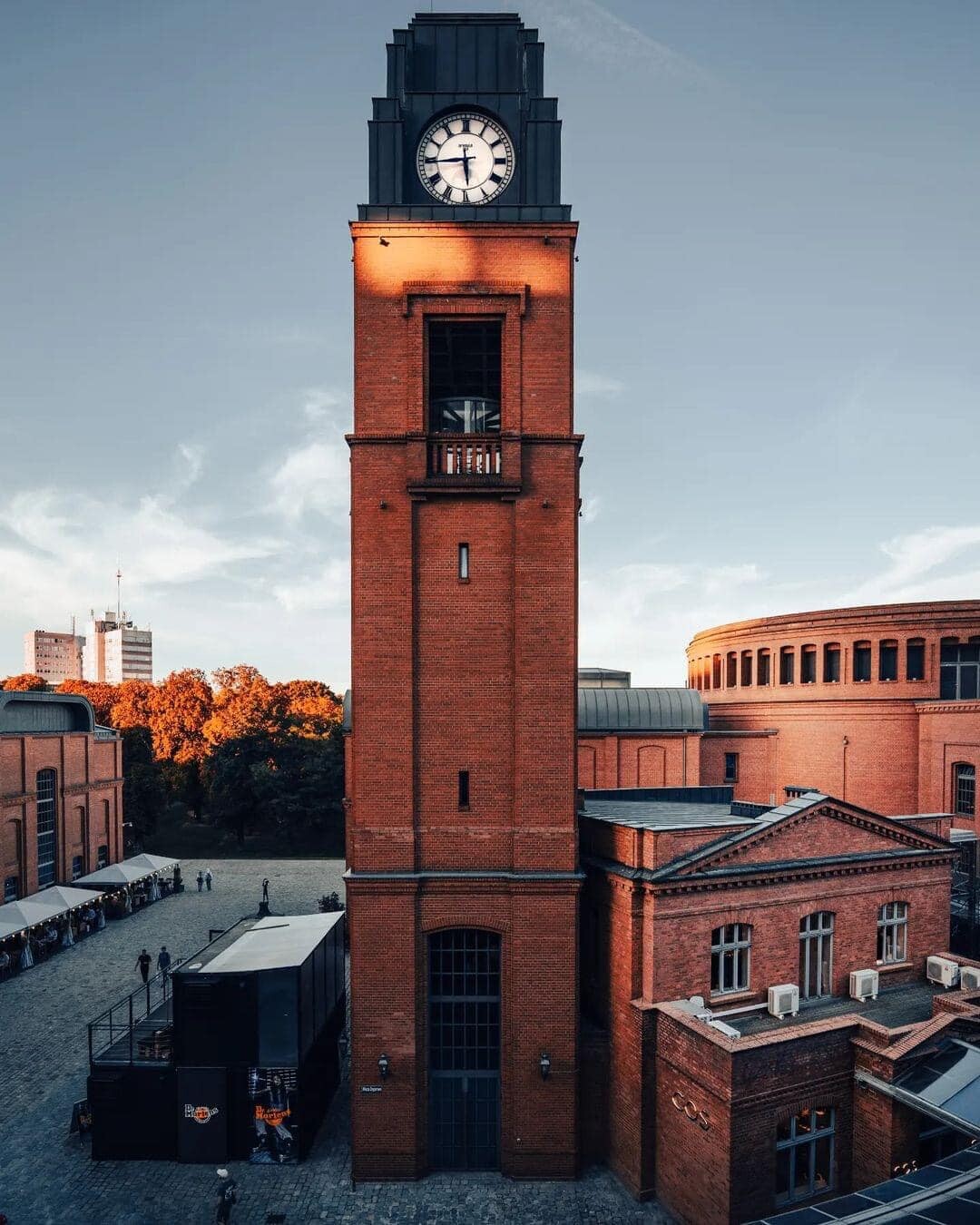
After being annexed by Nazi Germany in 1939 Poznań was incorporated into the Third Reich and saw an aggressive Germanisation policy with over 100,000 civilians expelled from the city, replaced with Volksdeutch settlers from the Baltic States and other far-flung regions. Of those exiled many died in mass executions conducted in 1940 in the area surrounding Lake Rusałka (E-1). Gestapo HQ was located in Dom Żołnierza (ul. Niezłomnych 1), in a building that was opened in March 1939 to serve as home to a Polish military garrison. Housing around 200 Gestapo officers the building was primarily used as an interrogation centre with thousands tortured in the basement. It was stormed by the Red Army in February 1945, and fiercely defended by SS military students who ultimately opted for mass suicide over capture. Completely battered by this siege, the only original remenant of the building is its tower, spared the brunt of Soviet aggression for the fact it was used as a reference point by artillery units. Prisoners processed through Dom Żołnierza usually ended up in the (still functioning) prison on ul. Młynska (B-1), or the notorious Fort VII (Al. Polska) in the far west of the city. Used as a penal camp this network of 19th century fortifications today serves as the Museum of Martyrdom, and its gloomy subterranean chambers are filled with relics recovered from the site – photographs, cutlery, wallets and roasries. Outside the death wall commemorates the thousands shot by firing squad. The Jews faced a particularly vile fate, and it was in Poznań, 1943 that Himmler delivered his speech declaring Nazi intentions to exterminate Jewish life. Today little survives of Poznań’s Jewish heritage, with the early 19th century graveyard on ul. Głogowska (E-4) destroyed by the Nazis, before being commandeered by the authorities in the post-war period and incorporated into the MTP trade fair. Earmarked to serve as the palatial quarters of Gauleiter Arthur Greiser heavy reconstruction work on the Zamek (A-2, ul. Św. Marcin 80/82) by Albert Speer meant that in reality Gresier spent much of the war residing on ul. Berwińskiego 5, today the home of a local radio station. Once the Soviet siege began Poznań was as good as doomed, with the old town faced with around 90% total destruction. A few images of the city in ruins can be viewed in the History of Poznan Museum inside the town hall (C-1, Stary Rynek 1). Another area defended to the last man was the citadel in the north of the city, which today houses the Poznan Army Museum (G-1). Of note are the cemeteries that lie on the south west of the park boundaries. A commonwealth graveyard includes the remains of allied airmen shot down over Poland during WWII and is also the resting place for several of those captured during The Great Escape – yes it was a true story (minus Steve McQueen and a few other Hollywood touches). Next to it a cemetery dedicated to Red Army soldiers killed during the 1945 siege, with a soaring monument standing out as an awesome display of Socialist Realism. The red star that once topped it was long removed, the rumours that it was filled with jewels proving to be an urban myth. Jammed in between Soviet and Commonwealth memorials are plots dedicated to Poles killed under Fascism, and also during the 1956 Wielkopolska Uprising. [...]


Add your comment