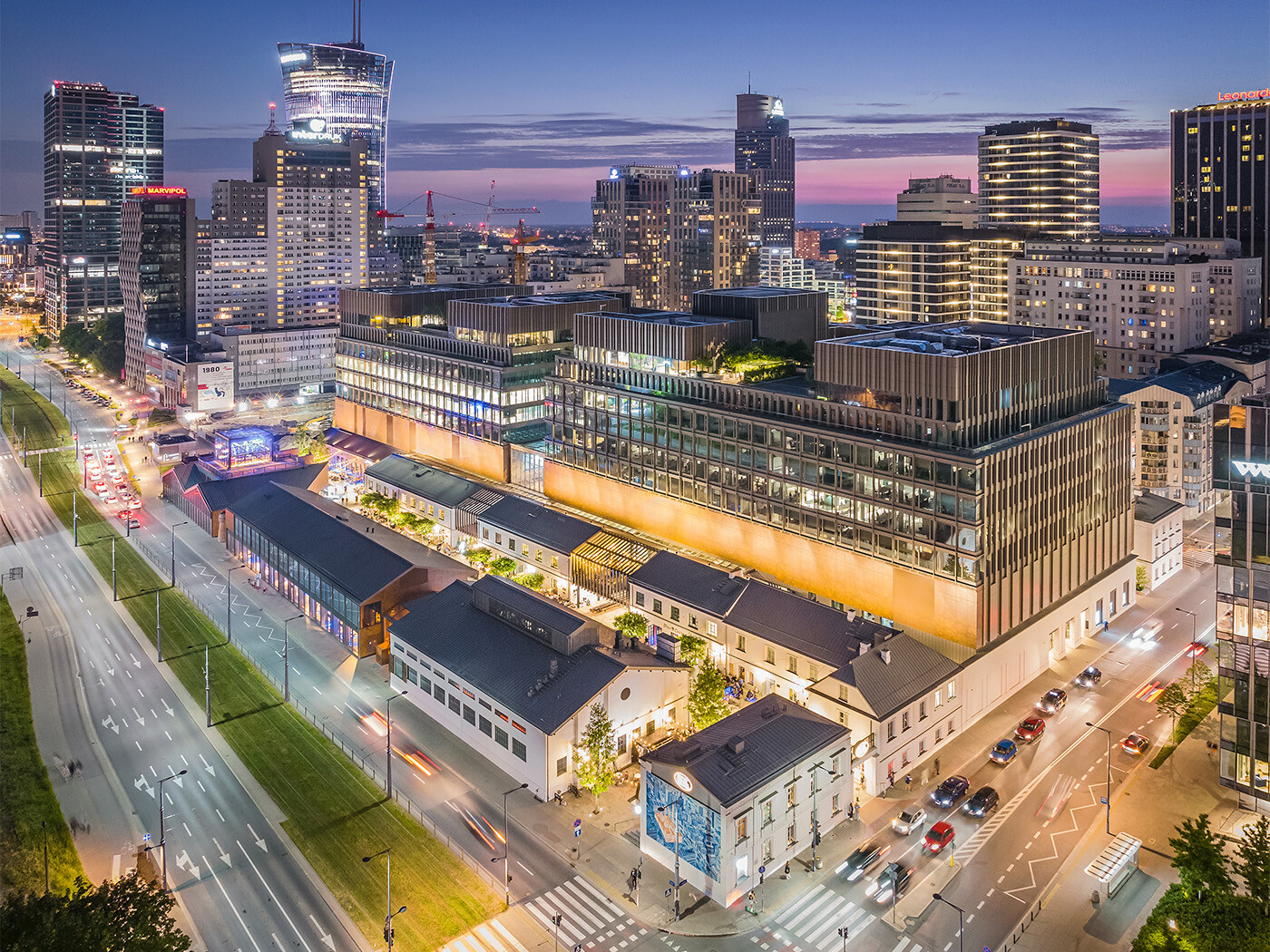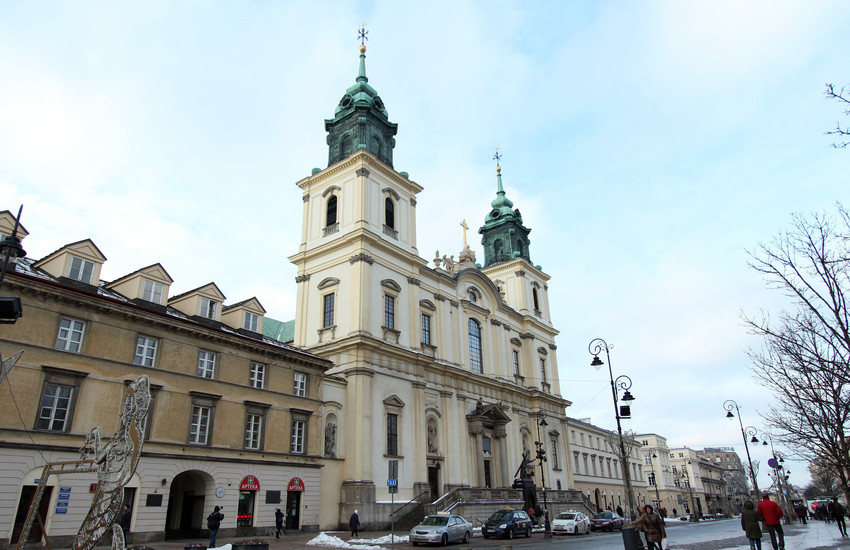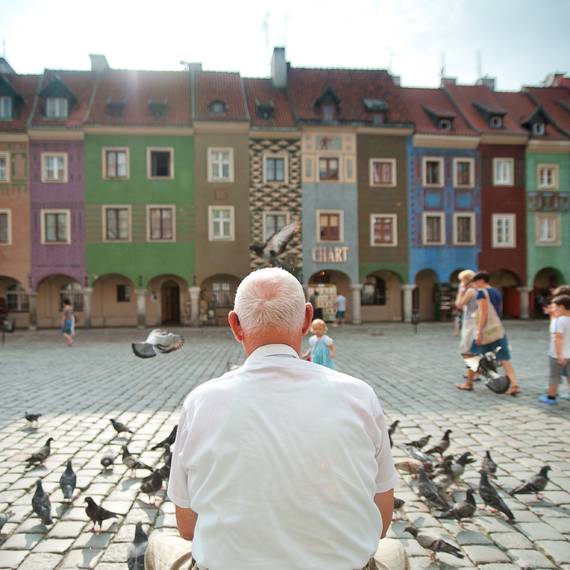
Sightseeing and Warsaw don’t usually go together, and the reason, if not the blame, for that falls on her citizens. While some cities may have been happy to wait out Nazi occupation, the Warsaw locals were having none of that. The ensuing uprising which took place in 1944 would become both the most glorious and tragic episode in the city’s history. Doomed from the outset the Warsaw Uprising enraged Hitler, and his retribution proved swift and brutal. Warsaw was to be wiped from the face of the map, and his cronies set about their orders with a zealous fury. While Red Army tanks stood stoically stationed across the river the Nazis set about blasting western Warsaw from the map. Anything deemed of cultural importance was dynamited, and whole districts were set on fire. By the time ‘liberation’ arrived, over 90% of the city lay in total ruin. ‘I have seen many towns destroyed, but nowhere have I been faced with such destruction,’ commented a visibly moved Eisenhower on a later visit to the city. That the city still stands at all is tribute enough to the indefatigable spirit of the Polish capital. Nowhere bore the brunt of the Nazi malice more than the Old Town, and it’s here that most tourists will choose to start their tour of Warsaw. Using paintings and photographs as an architectural blueprint the Old Town was painstakingly rebuilt, the reconstruction of the historic centre only completed as late as 1962. The areas inclusion on the UNESCO World Heritage List speaks volumes for the effort involved, and nothing is more striking than the colourful, wonky-looking burgher houses that frame the Old Town Square (B1/2, Rynek Starego Miasta). The historic centre is also home to numerous churches, including the striking St John’s Cathedral (B-2, ul. Świętojańska 8) whose details number the gothic artworks of Wit Stwosz as well as the tombs of knights, regents and eminent citizens. Marking edge of old town is the Royal Castle (B-2, pl. Zamkowy 4), reconstructed from a pile of rubble at incredible cost between 1971 and 1984. The prescribed tour will take you through the Kings’ apartments and chambers, heavily adorned with paintings of famous Polish moments. Although you’ll find plenty of photographic opportunities in and amongst the tight cobbled alleyways save a few shots for the viewing platform at the top of St Anne’s Church (B-2, ul. Krakowskie Przedmieście), and don’t leave the area without first exploring the lesser known delights of the New Town.
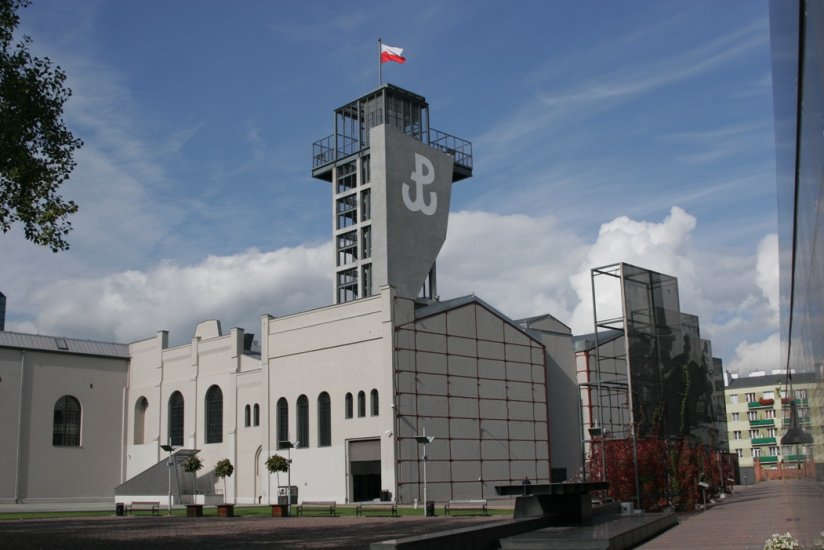
There is far more to Warsaw than its old town however, and one museum that demands to be visited is the Warsaw Uprising Museum (D-3, ul. Przyokopowa 28). It’s here, inside Poland’s best museum, that you’ll learn about the cities doomed rebellion against the Nazis in 1944. Packed with interactive displays, photographs, video footage and miscellaneous exhibits this is guaranteed to leave a deep mark on all visitors, and will go a long way in explaining why Warsaw is far from the architectural pearl it once was.
Although the Nazis flattened the Jewish Ghetto after a heroic uprising in 1943 there are still traces of Warsaw’s Jewish past, including a remaining piece of the Ghetto wall (E-3, ul. Sienna 55), a memorial where the loading ramp to Treblinka once stood (E-1, Umschlagplatz) as well as one of the largest Jewish cemeteries in Europe (D-1, ul. Okopowa 49/51). Most recently, a trail marking the Ghetto boundaries has been unveiled, it’s course interspersed 21 dual-language plaques at sights of specific interest.
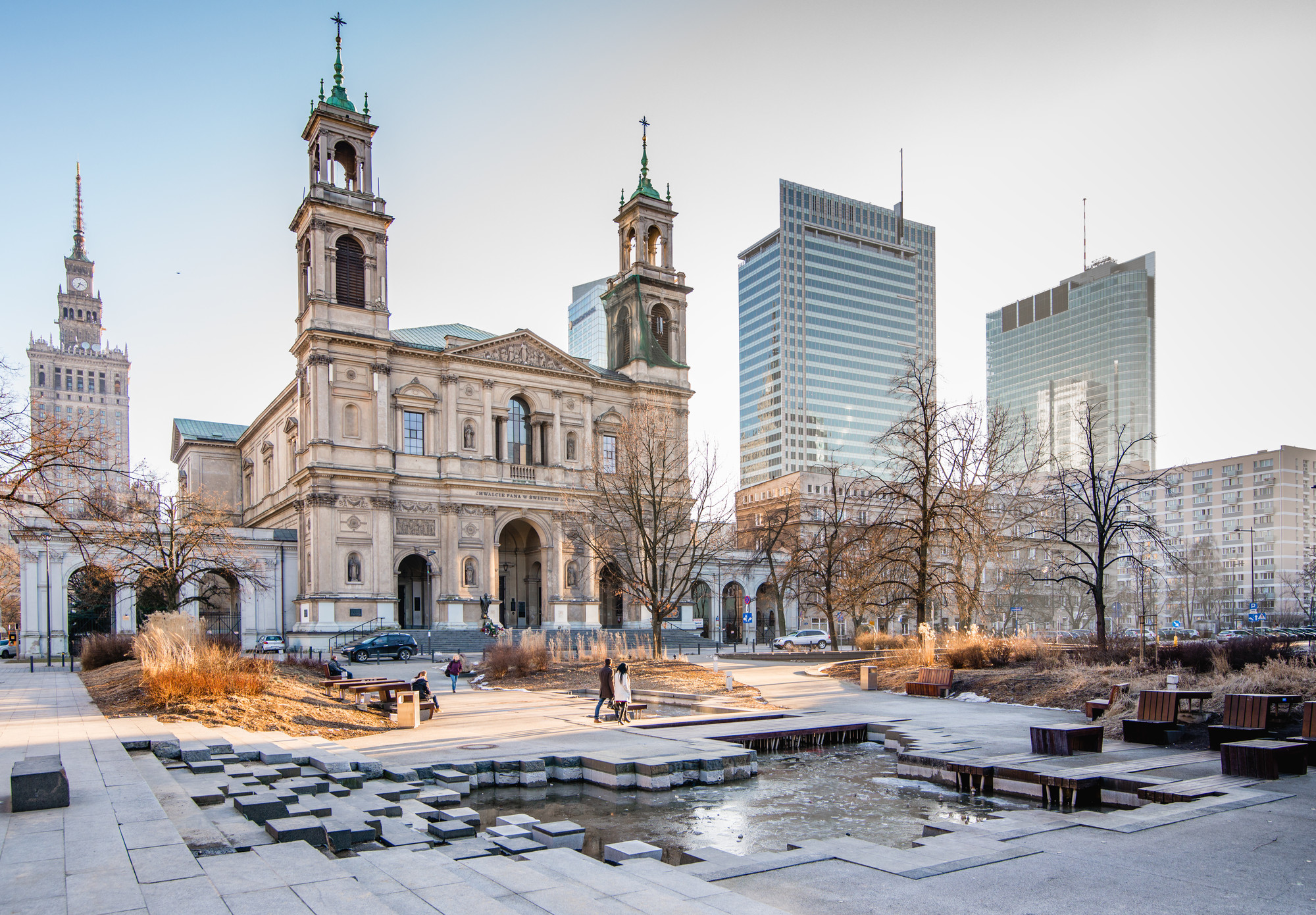
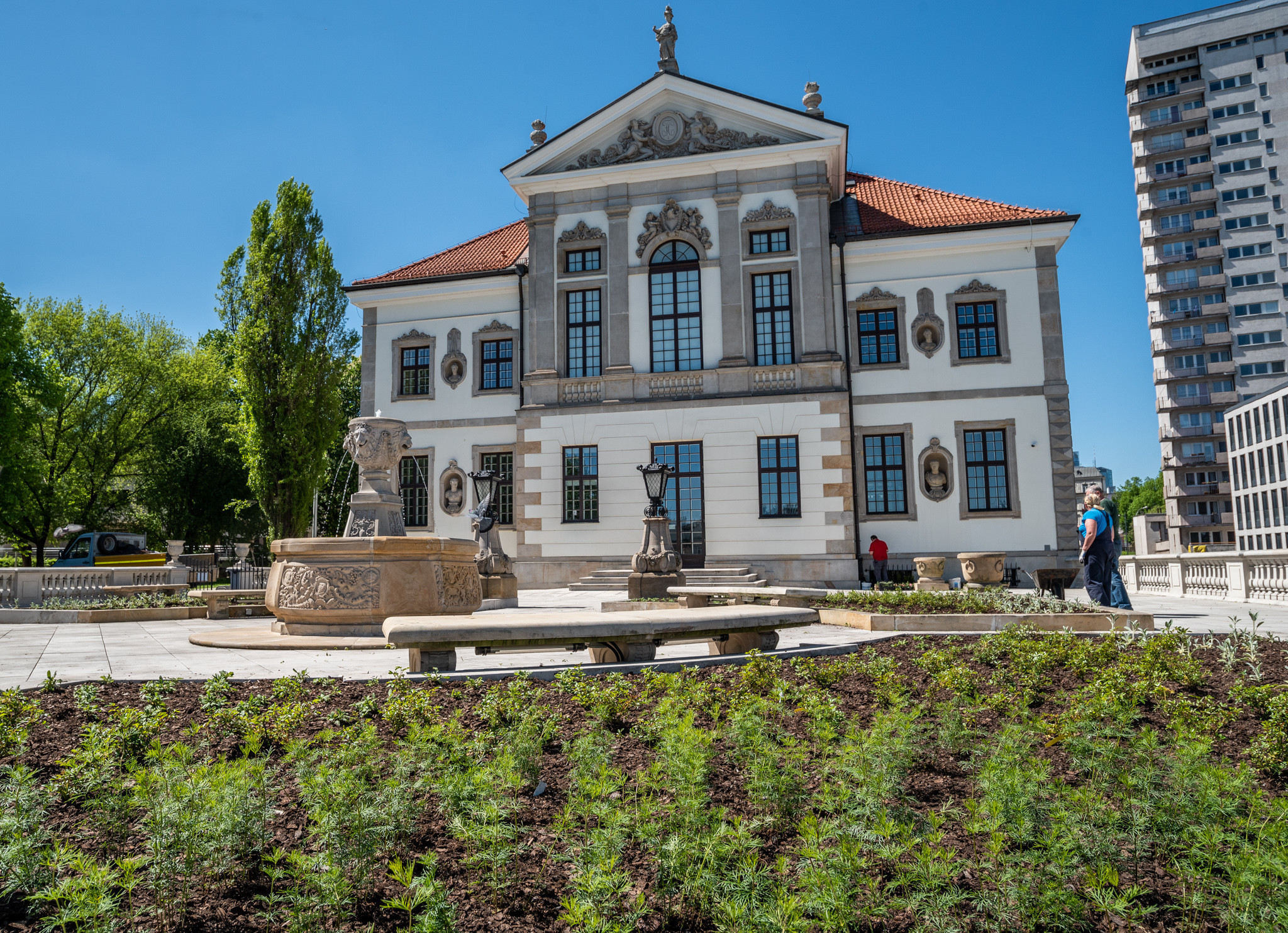
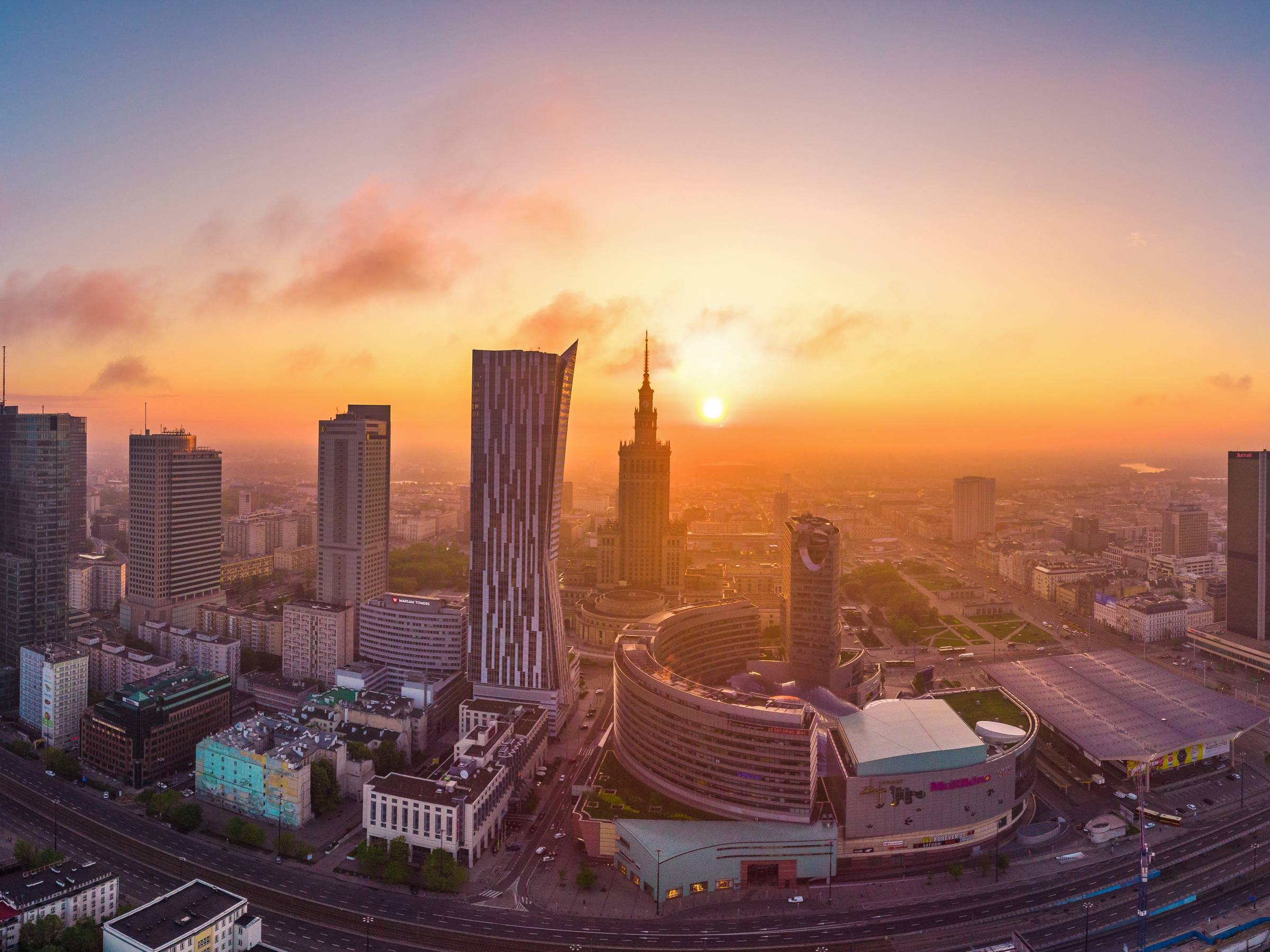
The cities defining landmark however has to be the fearsome Palace of Culture and Science (B-4, pl. Defilad 1). Looking like something you’d see in Ghostbusters the building towers at just over 231 metres in height - making it the tallest and largest structure in Poland. Commissioned by Stalin as a ‘gift from the Soviet people’. Completed in 1955, and built using an estimated 40 million bricks the crowning glory is the viewing platform on the 30th floor. While it’s the most obvious, it’s not the only example of the Socialist Realist style, and visitors have plenty to marvel at from the everyman residential units of Muranow and pl. Konsytucji, to the stern looking block that once housed Communist HQ (ul. Nowy Świat 6). Across the river the Praga suburb is undergoing a long due revival, and its growing reputation as an artistic haven is evident in the cafes that have sprung up along the pre-war Ząbkowska street. But while the Praga area is breathing once more, it still looks shabby. For a glimpse of Warsaw’s Imperial beauty head instead to her palaces, in particular Łazienki Park and Palace (G-4, ul. Agrykoli 1) and Wilanów Palace - dubbed ‘The Polish Versailles’ - (ul. Stanisława Kostki-Potockiego 10/16).
Latest Comments:
Jewish Museum
Unfortunately this museum - - which was once scheduled to open at the end of 2011 - - isn't expected to open until 2013....Jewish Museum
Has this museum opened? This is Dec 2011.Thank you...Warsaw Uprising Museum
My father fought n the AK in the Warsaw Uprising as a 16 year old boy. When I saw the Museum in 2007 it was a very moving experience for me....Eastern Station Warsaw
We took the Cold War HQ bike tour and found it amazing! The guide (and owner) is a well educated and travelled very passionate young fellow who really knows his information....Nike
Thanks for your comment - - you are correct about the shield we gave Nike too many weapons when really she just has a sword (and serious flexibility)....Nike
1. She does not have a shield2. She was moved because she was standing where the city hall was before it was destroyed in 1945; when it was finally reconstructed in the 1990s she had to move....Ujazdowski Castle (Museum Of Modern Art/CSW)
Very much enjoyed the museum but the service in the Qchnia Artystyczna was the worst we experienced over a three week visit to Poland....Palace of Culture and Science (PKiN)
when's the best time to go?...Copernicus Science Centre
I went there on Sunday and while the family and I thoroughly enjoyed it, could someone point out to them that a 45 minute wait to get in is unnecessary....Palace of Culture and Science (PKiN)
When the Palace of Culture was first opened, the people of Warsaw used to say you got the best view of Warsaw from the viewing gallery - because it was the only place in Warsaw from which you couldn't see it....Church of the Nuns of the Visitation
I have just asked one of our researchers to clarify how the organ survived. A nun at the church tells us that the surrounding area was apparently razed during the war, but that the church miraculously survived with the organ within....Church of the Nuns of the Visitation
How can this be the 'original organ which [Chopin] himself played..." when other sources claim that the church was razed to the ground by the Germans in WWII and subsequently rebuilt from 1946? Before the war, was the organ removed and placed in safe storage, a known procedure elsewhere in Europe....Adventure Warsaw
The trip in old communist van was really enjoyable and fun. I've learned a lot about Polish history and I found Warsaw a great and undiscovered City....Warsaw Uprising Museum
My wife and I visited the museum on the anniversary of the uprising last year August 1st 2009. An excellent place to visit You left the right sunshine and entered the dark places of wartime Warsawa....Warsaw Uprising Museum
My Grandfather was a Home Army soldier who survived the Warsaw Uprising, only to be taken to Germany as a POW, so this museum was a must see for me when I visited Poland....