Wilanów

Wilanów
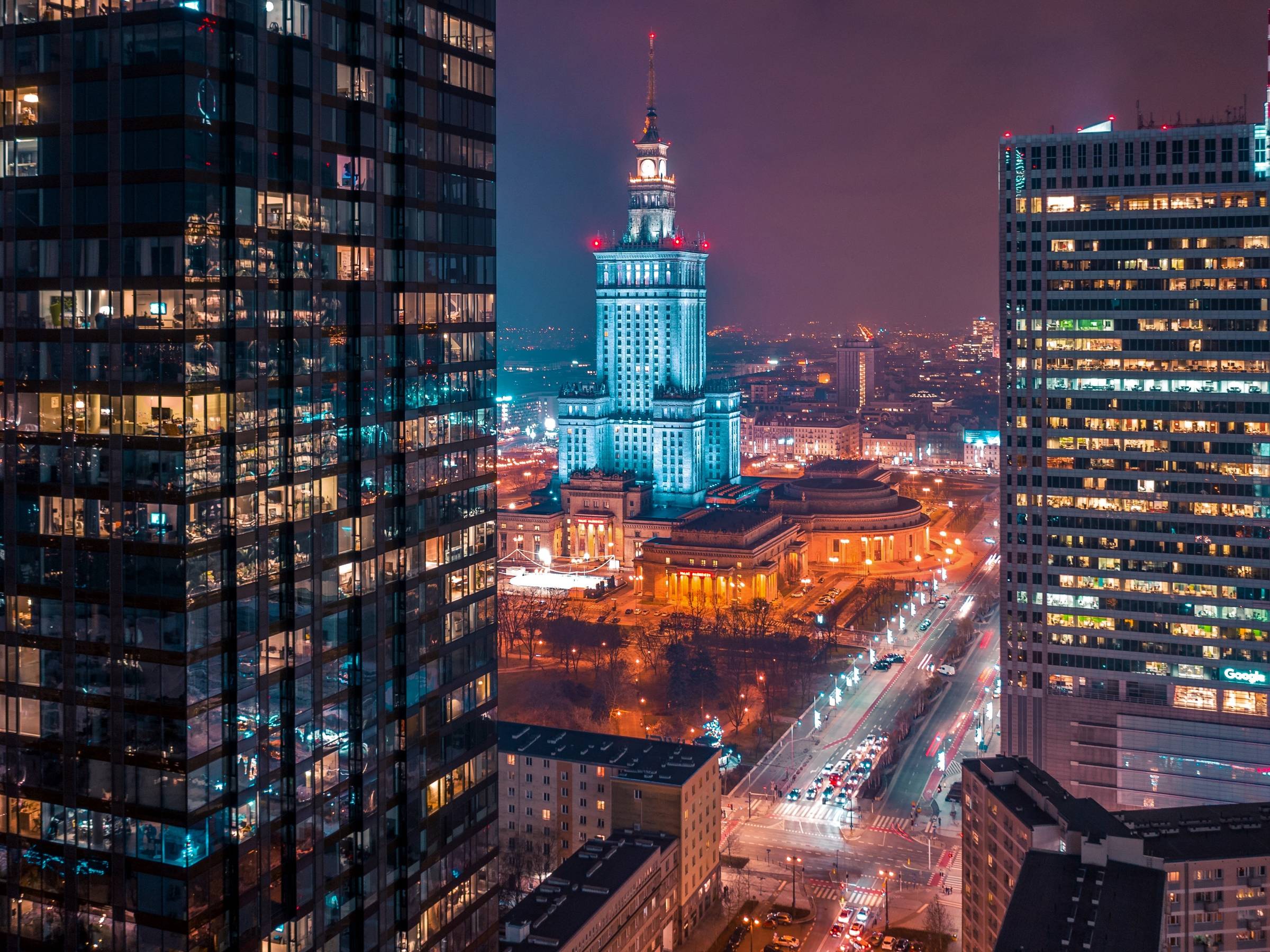
It is very easy to visit Warsaw and imagine its history stretches no further back than the communist post-war era and that of WWII when the city was effectively wiped from the map of Europe. But that would be to only understand a small part of this city and country’s history. The nation’s capital has been at Warsaw since the late 16th century and in its time had been the centre of the burgeoning Polish-Lithuanian Commonwealth a union which lasted over 200 years and whose territory at one point stretched from the Baltic to the Black Sea incorporating much of modern day Poland, Ukraine, Belarus and the Baltic States. With so much of pre-war Warsaw destroyed there are few places to experience what this must have been like more than at Wilanow’s palace and gardens.

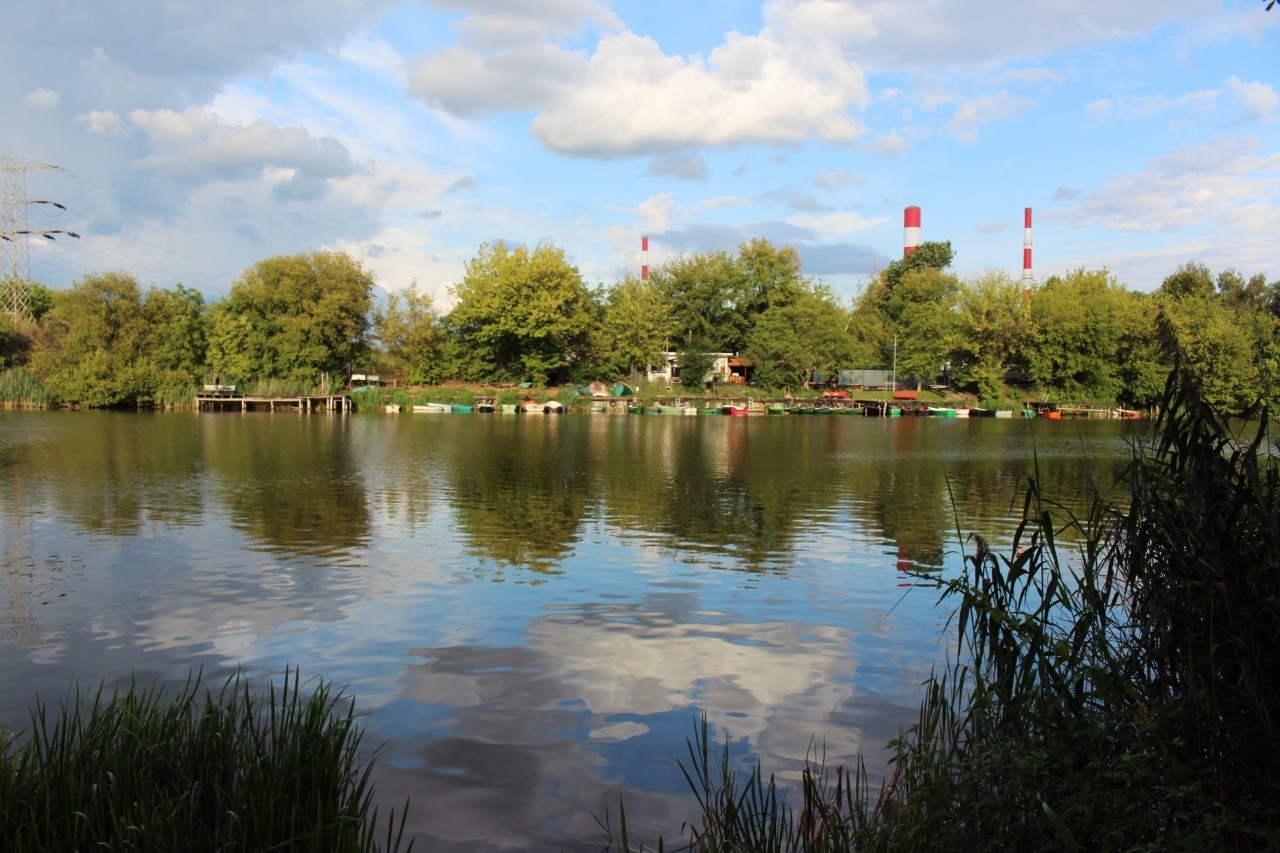
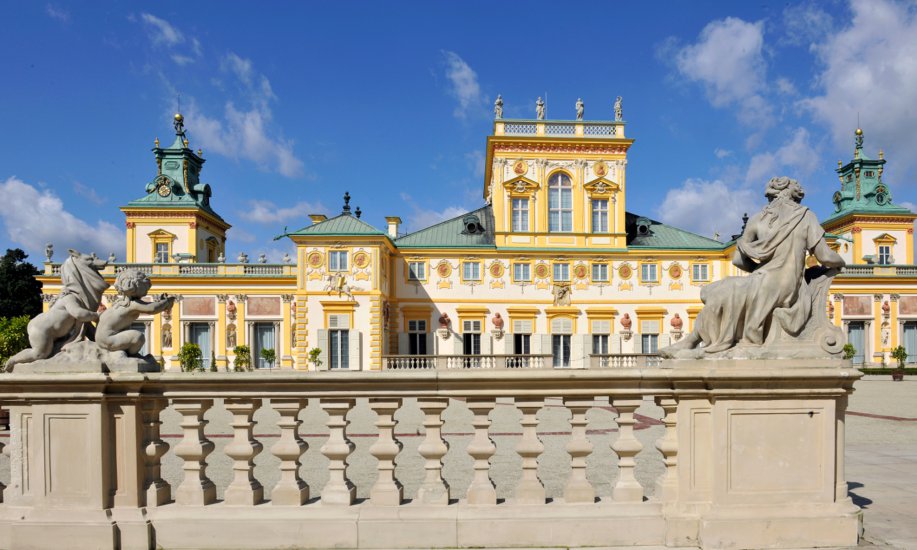
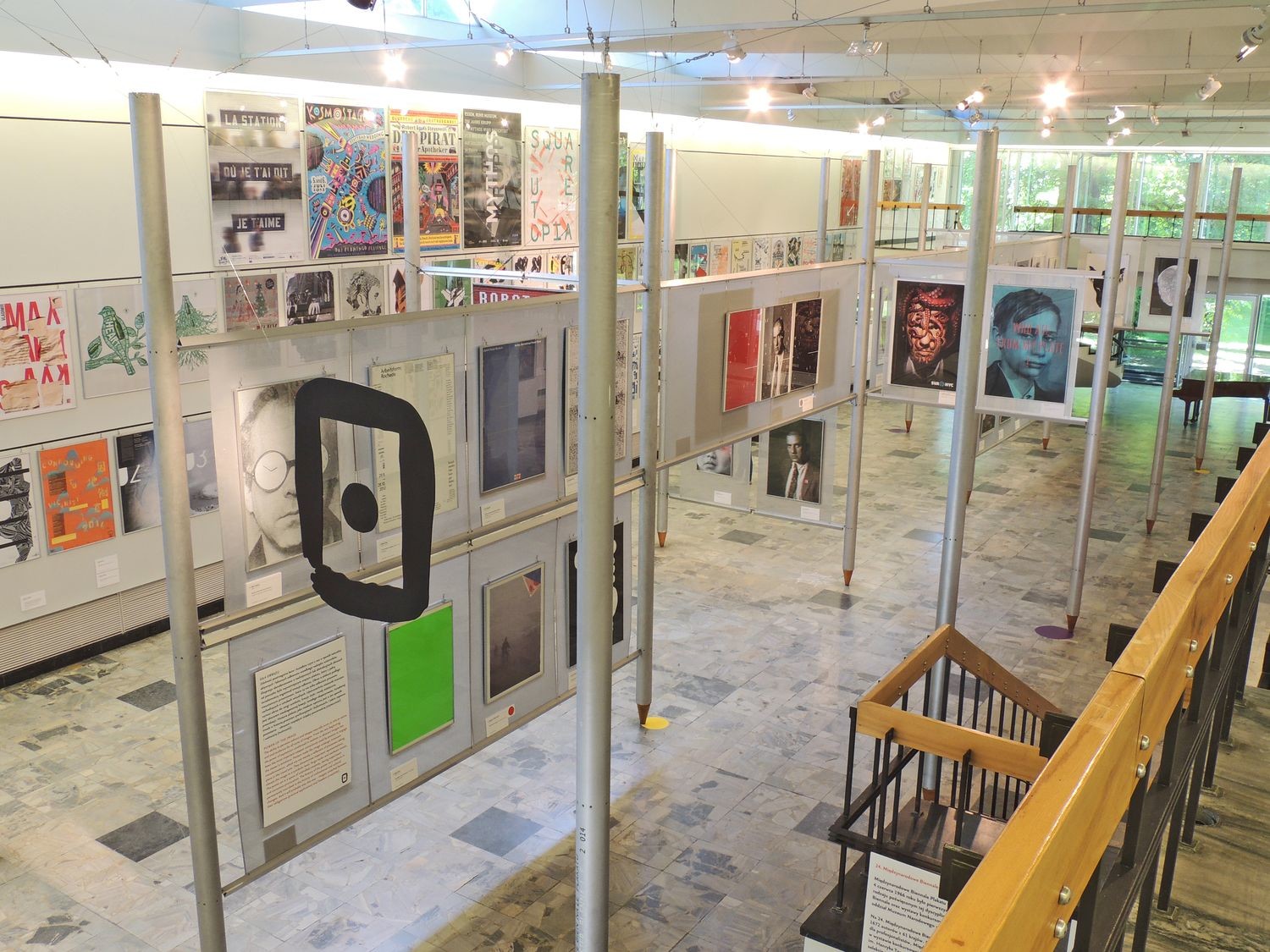
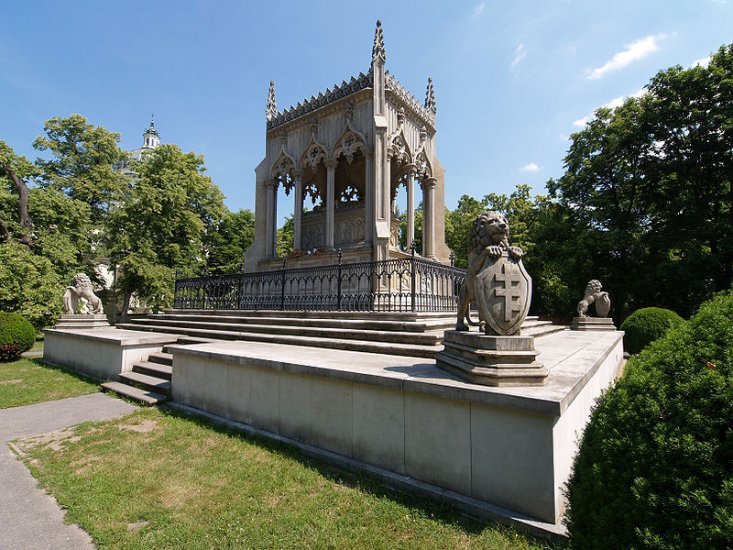
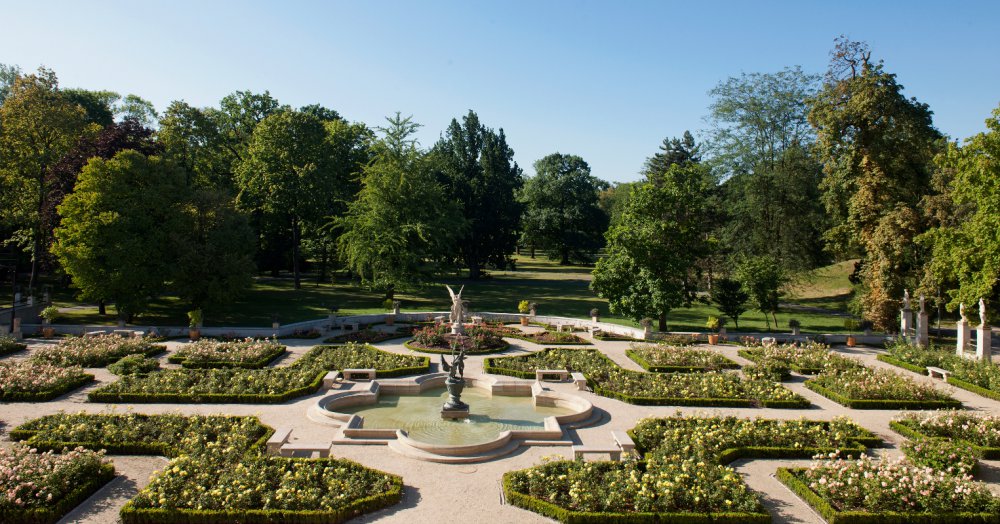
The ‘Polish Versailles’ is just one of the many fitting monikers applied to this splendid, late 17th-century Palace which can be found in the Warsaw district of Wilanów, 10 kilometres south of the city centre. Essential visiting for all who come to soak up the capital’s lavish culture and wish to understand a little more about ancient Poland, Wilanów is more than just a Palace – it represents an era from which much has been lost. The palace, park and surrounding ensemble of buildings represent the height of Polish Baroque and this is one of Poland’s greatest national treasures.The sprawling 45-hectare setting is also full of things to do, from visiting the superb Poster Museum next door to renting a rowing boat on the Palace’s lake. If the weather’s good and you’ve got time to spare, it’s easy to spend an entire and thoroughly rewarding day here.

History

Wilanów gets its name from the Warsaw borough in which Wilanów Palace is located. First mentioned in the 13th century as Milanów, the then tiny village changed hands several times before being bought in the 17th century by the family of Stanisław Leszczyński. Leszczyński began building a Palace here, but the project was halted by the Deluge and the subsequent capture and plundering of the region by the Swedes. In 1676 the abandoned Milanów was bought by King Jan III Sobieski looking for a country retreat away from Warsaw and he ordered a new Palace to be built. Originally called Villa Nova (New Village), the name was soon polonised to the one it’s known by today. A brick manor house was built in 1680 expanding in two stages into a palace during the years 1681-1696 under the supervision of Agostino Locci to his own design. It is within the central part of the palace where you will see the living quarters of King Jan III Sobieski and his French queen consort, Marie (or Marysieńka as she was affectionately called by Sobieski and still is by Poles today) in what is the original part of the palace.

After Jan III Sobieski’s death in 1696, his widow returned to France and the palace through their sons became the property of Elzbieta Sieniawska. She continued to develop the palace most notably the two wings, which were built in the years 1720-1729. Sieniawska, like many of the subsequent owners, honoured Sobieski by conserving much of the palace in memory of the victorious king. It was to become a royal residence again in the early 1730s during the reign of August II the Strong. Over the next two hundred years the palace became the property of a succession of the most important Polish families including the Czartoryskis, Lubomirskis, Potockis and Branickis and each left their mark as they expanded and developed the property. One of its most enlightened residents was Stanislaw Kostka Potocki who in the early 19th century, at a time when Poland as a country ceased to exist because of the Russian/Prussian/Austrian partition, made his collection of art and access to the royal apartments of King Jan III Sobieski available to the public. Keep an eye out for the words ‘Cunctis patet ingressus’ on the palace floor signifying that the palace and its collection were ‘open to all’.

The palace avoided the fate of the city of Warsaw and survived the war virtually intact although its collections were seriously looted. Confiscated by Poland’s post-war Communist government, Wilanów became part of the National Museum in Warsaw and was painstakingly renovated during the 1950s and early 1960s opening its doors to the public again in 1962. Today it is the subject of a 32 million zloty revitalisation and digitalisation program which is overseeing conservation work in the royal apartments, archaeological research of the area and which will result in the creation of a 3D workshop in the museum, 3D digitalisation of certain exhibits and a virtual museum called the Historical Royal Residence.