More features:
-
Disaster in Smolensk
Poland hit world headlines on April 10th, 2010, when a plane carrying President Lech Kaczyński, his wife and ninety four other passengers crashed by the Russian city of Smolensk killing all on board....
-
Euro 2012 in Warsaw
The decision to make Poland a co-host of Euro 2012 was greeted with surprise both inside and outside Poland as well as by jubilation that Michel Platini and his UEFA committee had the foresight and courage to bring such a successful tournament here....
-
Hot beer
There’s a number of ways to survive the colder months in Poland, and we’ve tried them all, from dressing up like Eskimos to sitting at home in our pants....
-
What the locals like
During June 2011 Poland’s Gazeta Wyborcza newspaper invited 21 journalism students from City University London to visit the country’s largest cities to assess whether they would be ready to host the upcoming Euro 2012 football tournament....
-
A new kind of loo
Plenty of upgrades and new additions have come to Warsaw in anticipation of Euro 2012 – check out that shiny new stadium across the river – but one of the most interesting improvements can be found at Warsaw Central Station....
-
Jan III Sobieski
Jan Sobieski was born in Olesko near Lwow (now Ukrainian Lviv) in 1629. His father was a Polish-Lithuanian nobleman who ensured young Jan and his brother received a first class education and they both went on to study at the Jagiellonian University in Krakow before Jan travelled abroad....
-
Złota 44
Born in Lodz in 1946, Daniel Libeskind has gone on to become one of the world’s best known architects, with projects like the Imperial War Museum in Manchester and the Jewish Museum in Berlin to his credit....
-
Ask your Concierge
Dear Guests and readers of Warsaw In Your Pocket, I am pleased to announce that in January this year our Concierge Association became a member of the oldest and most prestigious association of professional hotel Concierges, and which is represented in over 45 countries -“Les Clefs d’Or....
-
May Day
The lifespan of this guide sees Poland hit National Holiday Season, and aside from Easter visitors should take note of two more dates for the diary....
-
Yitzhok Farbarovitsh
Heard of Yitzhok Farbarovitsh? We’d imagine not, in which case stop what you’re doing and give a moment to one of modern Poland’s more interesting and quirky characters....
-
Skyscrapers
Warsaw’s love affair with skyscrapers can be traced back to the 1930s and the erection of the Prudential Insurance Building....
-
Warsaw - Did you know? (1)
Cult British band Joy Division were originally called Warsaw before they hit the big time. They only changed their name after concerns that concert posters might be misinterpreted as adverts selling Poland’s capital to British holidaymakers....
-
The story of Syrenka - The Symbol of Warsaw
Feisty, beautiful and busty. Her image has bewitched millions, and you’ll find her film star looks printed on everything from flags to mags....
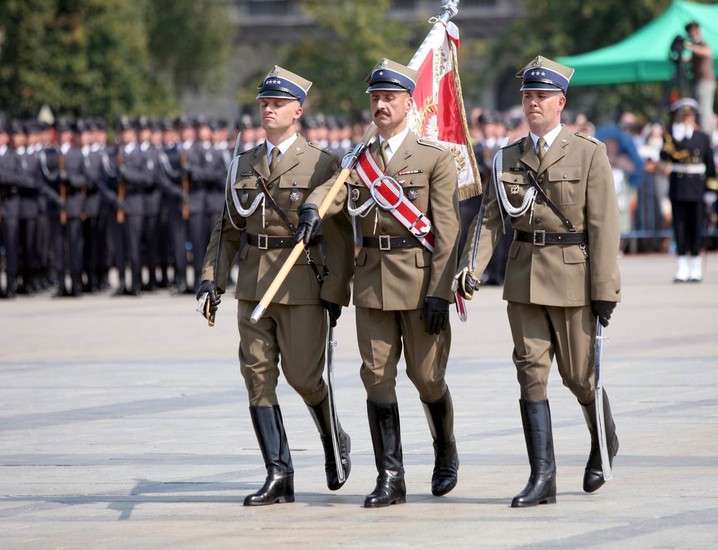
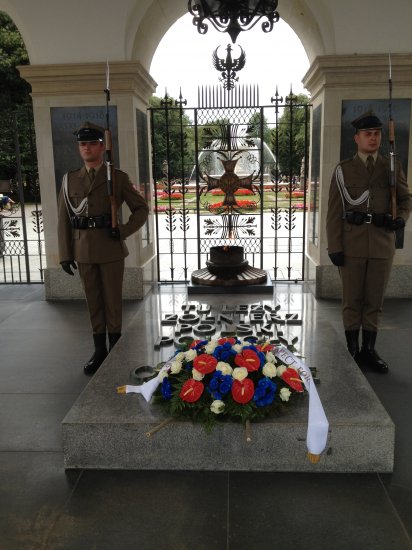
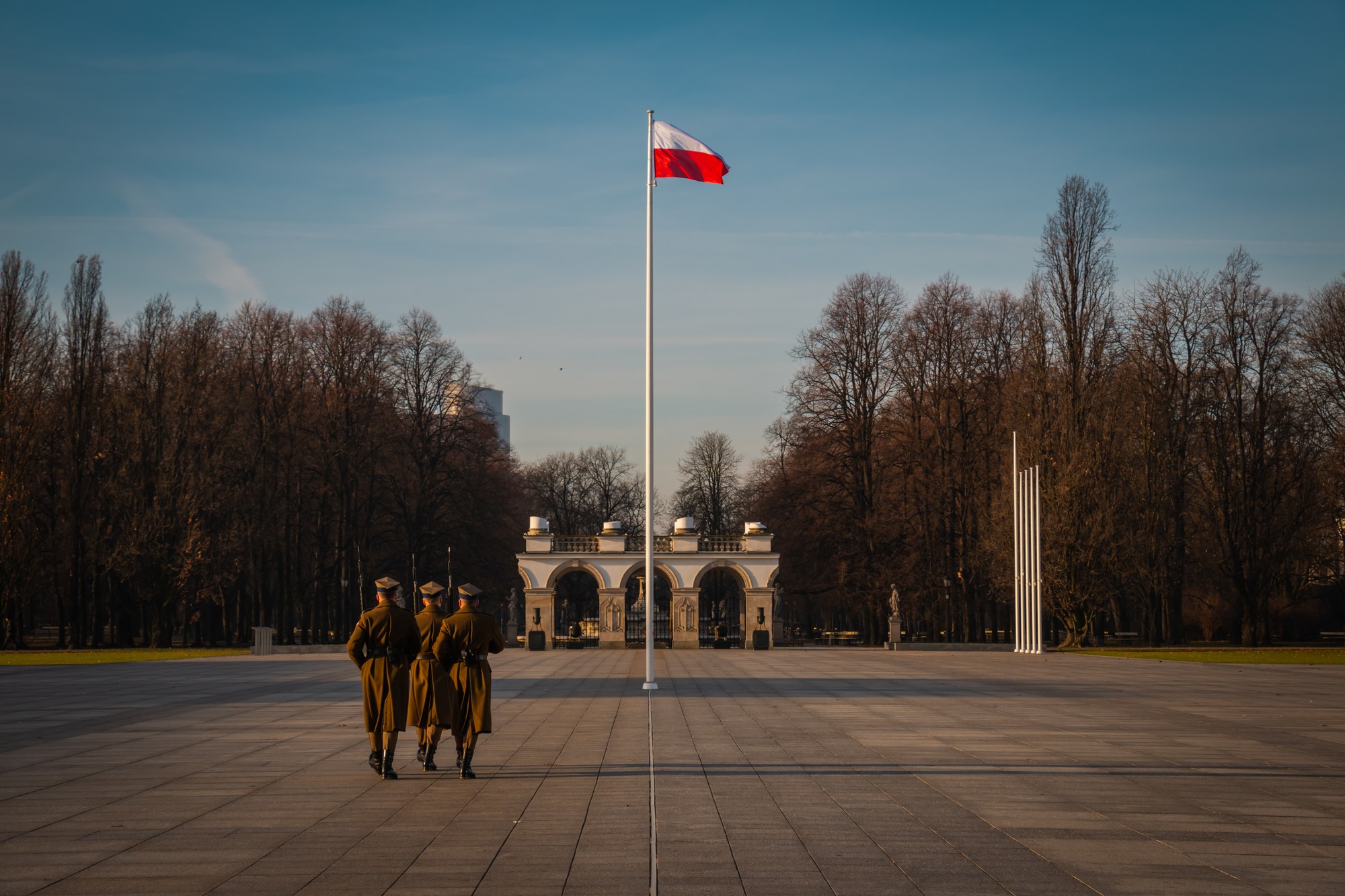
Polish Army Day
Polish Army Day, www.prezydent.plIf you’re fortunate enough to be in Poland on August 15 you will get to experience a somber national holiday: Polish Army Day. The title sounds vague, but it commemorates the fact that Polish soldiers repulsed an attack from Soviet Cossack units in the 1920 battle of Warsaw during the Polish-Bolshevik war. The Polish 1st Army resisted the Red Army’s direct assault on the capital as well as the attack on the town of Radzymin 23km away. The success of the Polish Army in sending the Soviets packing is often called “the miracle at the Vistula.” Naturally, this holiday didn’t exist while Poland was under communism, but in 1992 the Sejm created the public holiday to coincide with the Assumption of the Blessed Virgin Mary – a two-for-one holiday, if you will. In addition to celebrating past victories, August 15 is also a day of holy masses to honor those who died in battle. Military cemeteries have ceremonies to commemorate the war dead, and in front of the Tomb of the Unknown Soldier in Warsaw the Changing of the Guard of Honor is celebrated with the participation of the Highest State Authorities. In Warsaw celebrations also typically include a speech by the president and parades on Pl. Piłsudskiego (B-2/3) .