Ask someone who has been to both Australia and New Zealand which one they preferred and you will get one of two answers. Either they will immediately, enthusiastically declare for one and spend ten minutes telling you why the other is overrated. Or they will sigh, stare at the middle distance, and say it really depends what you’re after. Both answers are correct.
This is genuinely one of the more complicated comparisons in travel, partly because the two countries are so different, and partly because they sit close enough together geographically – a three-hour flight across the Tasman Sea – that people keep expecting them to be more similar than they are.
The Landscape: Chalk and Cheese
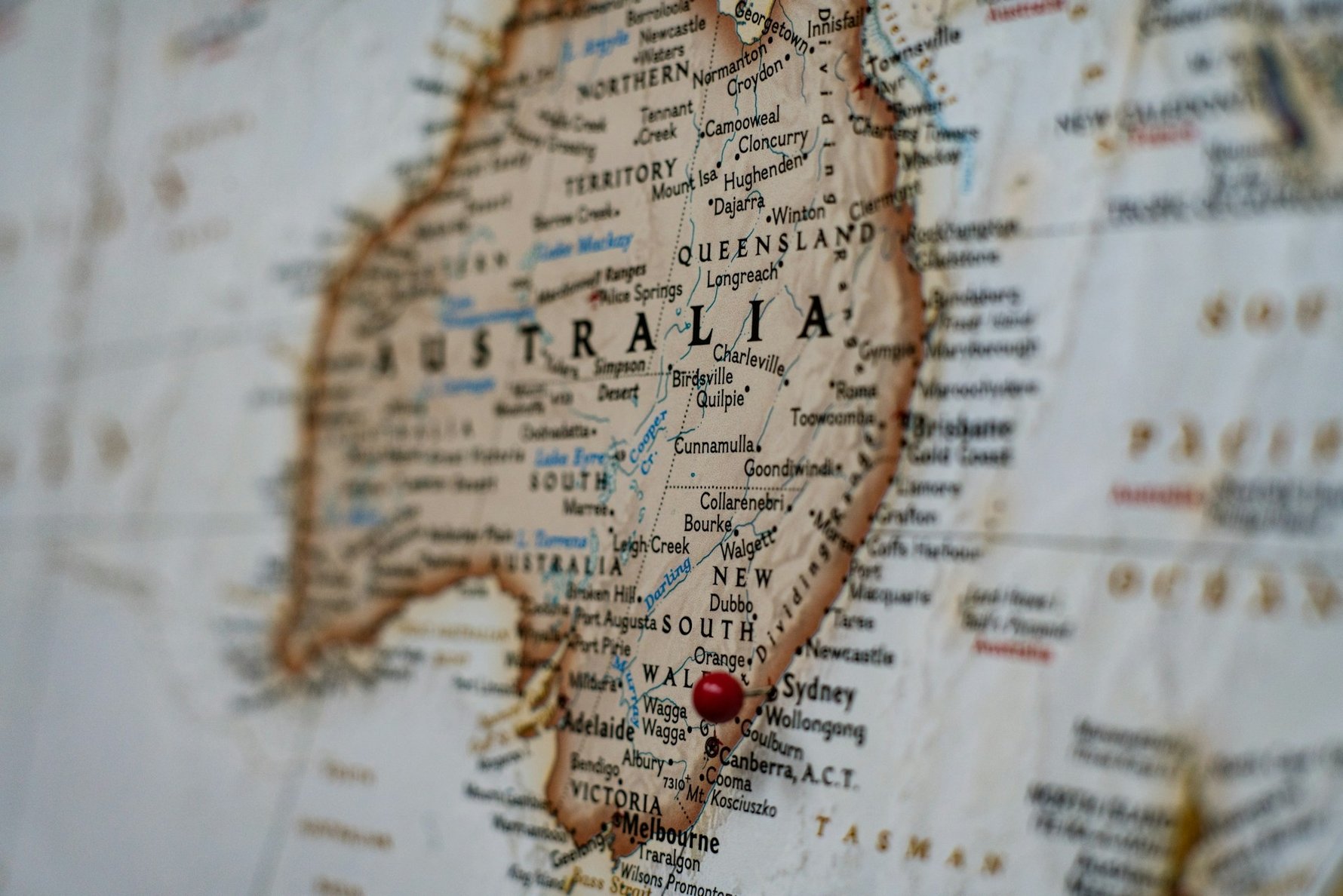
Australia is vast, sun-blasted, and ancient – a continent-sized country where 70% of the interior is desert and most of the population clings to the coastal fringe. Its landscapes are extraordinary but spread over genuinely enormous distances. The Great Barrier Reef is the largest coral reef system on earth. Uluru sits in the red heart of the country like something from another planet. The Great Ocean Road in Victoria is one of the world’s great coastal drives. And between all of these highlights there is, frequently, a very long stretch of not very much.New Zealand is the opposite: intensely, almost aggressively scenic in a way that starts to feel slightly unreasonable. Mountains, fjords, glaciers, geothermal fields, subtropical islands and temperate rainforests all packed into a country roughly the size of the United Kingdom. The South Island in particular – Milford Sound, the Southern Alps, the drive between Queenstown and Christchurch – is the kind of place that makes even seasoned travellers reach for their cameras with an undignified urgency. There are no deserts. There are also, pleasingly, no venomous snakes.
For sheer concentrated scenic drama, New Zealand wins. For variety of landscape and the sort of iconic, globally-recognised natural and man-made landmarks that make a destination feel unmissable, Australia has the edge. It rather depends on whether you want your beauty concentrated or spread across a continent.
The Cities: Not Much of a Competition
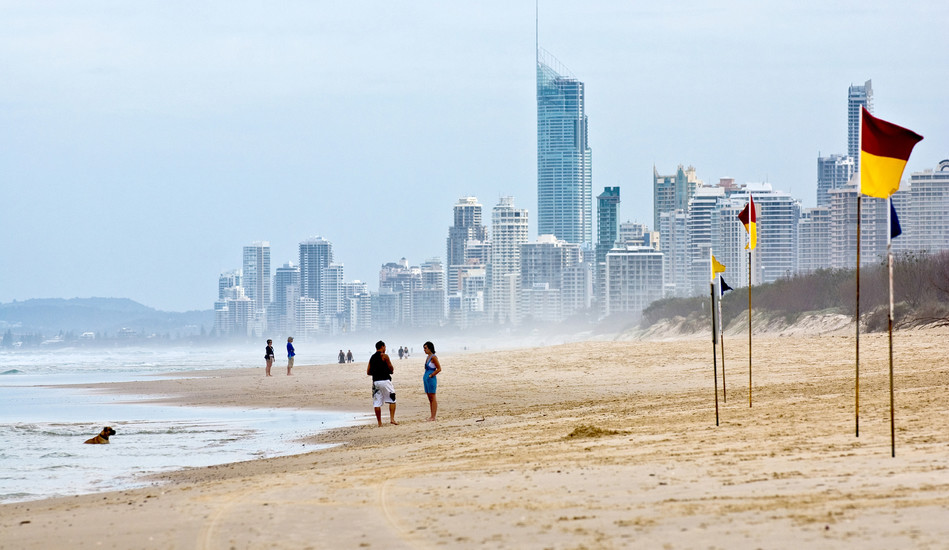
Sydney is one of the great cities of the world and it knows it. The harbour, the Opera House, Bondi, the bridges, the food scene, the sheer sense of a city that has worked out how to be a city – it is genuinely excellent and would be the headline attraction of most countries. Melbourne, meanwhile, runs a close second and will tell you loudly that it should actually be first. Brisbane, Perth, and Adelaide all have their considerable charms.Auckland is a fine city. It has two harbours, a decent food scene, and easy access to Waiheke Island, which is lovely. It is not Sydney. Wellington, the capital, is small, windy, and surprisingly interesting, with an excellent museum and a café culture that punches considerably above its weight. But New Zealand’s cities are not really the point of New Zealand. They are pleasant staging posts on the way to somewhere spectacular.
If urban energy, world-class restaurants, nightlife, and cultural institutions are high on your list, Australia wins by a distance.
The Wildlife: A Question of Risk Tolerance
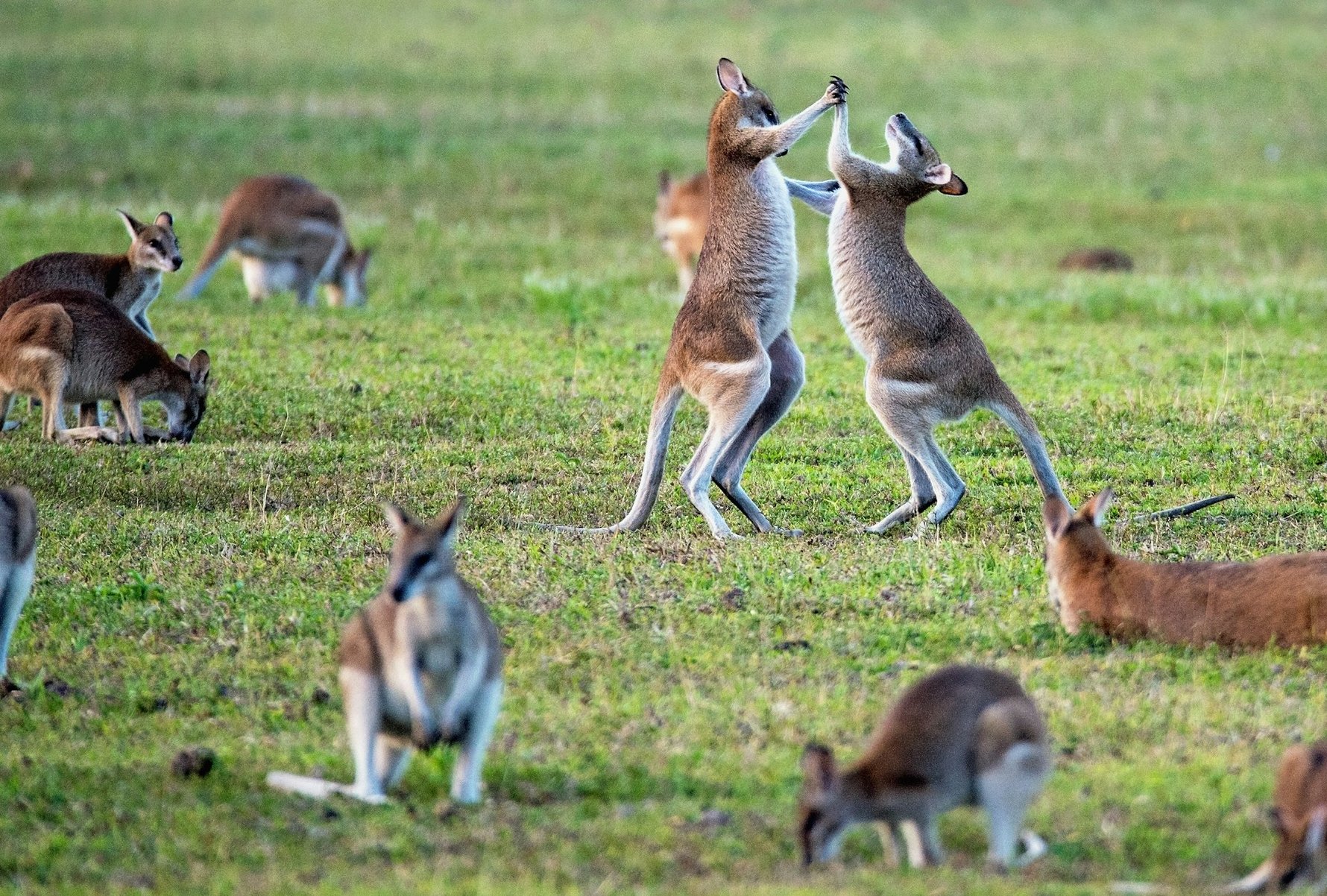
Australia has kangaroos, koalas, wombats, echidnas, the platypus (which is exactly as deranged in person as it sounds), and an impressive array of creatures that will harm you. The snakes, the spiders, the box jellyfish, the saltwater crocodiles, the blue-ringed octopus – Australia’s reputation for dangerous wildlife is not entirely mythologised, though the average visitor to Sydney is statistically more likely to be injured by a rental bicycle than anything with fangs.New Zealand has no land predators and no venomous snakes. Its most famous animal is the kiwi, a flightless bird that is nocturnal, shy, and practically impossible to see in the wild. It also has the world’s smallest dolphin (Hector’s dolphin), the kea (an alpine parrot of considerable intelligence and destructive capability), and fur seals in profusion. For wildlife encounters, Australia offers more spectacle and more adrenaline. New Zealand offers a more tranquil, considerably less fatal alternative.
As a Place to Live: The Honest Version
Around 53,000 New Zealanders moved to Australia in 2024, which tells you something. Australian wages are typically 15–25% higher than their New Zealand equivalents, which goes a long way towards explaining the flow of people across the Tasman. The cost of living in Australia is higher – around 20% more expensive overall – but salaries in skilled professions tend to cover the gap, and the superannuation system (12% of your wages going into a retirement fund on top of your salary, by law) is a genuine financial advantage that New Zealand’s KiwiSaver doesn’t quite match.New Zealand’s job market is smaller, wages are lower, and Auckland’s housing market is painful in its own right – though the median house price still sits below Sydney’s. The quality of life, particularly outside the major cities, is genuinely excellent. Commutes are shorter, the pace is slower, and the landscape is right there, available, at all times. For people who value access to nature over career acceleration, New Zealand makes a compelling case.
Healthcare in both countries operates on a universal public system, though neither is without its waiting lists and gap fees. Both rank highly for safety, education, and overall liveability. New Zealand sits higher on global peace indices; Australia has larger, more economically diverse cities with broader job markets.
The honest summary: if you’re chasing career opportunities and urban life, Australia is the rational choice. If you want to live somewhere that feels like a permanent holiday and are prepared to earn a bit less for it, New Zealand makes a serious argument.
For a Holiday: What Are You Actually After?
Two weeks in Australia means making hard choices. Sydney and the Blue Mountains, the Great Barrier Reef, Uluru – these alone will fill a fortnight and leave you with a list of things to come back for. The distances between them are significant, and internal flights add up. It is a country best visited more than once, which is not the worst problem to have.Two weeks in New Zealand is more manageable. The North Island and South Island can both be done meaningfully in a week each, and the road trip format – hire a car, drive between remarkable things, stop frequently to stare at the view – suits the country perfectly. You will not run out of things to look at. You may, however, run slightly low on cities to explore once you’ve done Wellington and Queenstown.
The most common advice from people who have done both, and the advice we find ourselves reluctantly agreeing with: if you have the time and budget, do both. The Tasman Sea is not the Pacific – the flight is short, and combining a week in Sydney or Melbourne with ten days driving the South Island of New Zealand is one of the great travel itineraries available to anyone with the good sense to make it happen.
So, Which One?
Australia for cities, wildlife spectacle, beach holidays, and career prospects. New Zealand for landscapes, outdoor adventures, a quieter life, and the arguably smug satisfaction of living somewhere that genuinely looks like a film set. (It is, frequently, a film set.)Both for everything else.