It would be great if crossing from Czechia into Germany and then on to Poland felt like a breeze, but less experienced travellers can struggle with it. The changes in currencies and customs can be dizzying. One minute you might be buying a muffin with a card at a café, and the next, you’re at a border-town kiosk struggling to use an app that half a dozen websites assured you was simple and intuitive.
In this part of Central Europe, the way people pay reveals much about how they live, shop, and travel. It’s also what makes moving around in this trio of countries a little tricky, especially for the uninitiated.
Poland likes mobile payments, while Germany is still more comfortable with cash. Meanwhile, Czechia exists in an in-between space, with rapidly modernizing card habits that aren’t as advanced as you’d see in Warsaw or Berlin.
Knowing local payment habits is useful for budget travellers and commuters alike. With that in mind, let’s discuss the three payment cultures of Czechia, Germany, and Poland in greater detail. A little preparation can save you fees, awkward pauses, and the notorious “card declined” look of embarrassment.
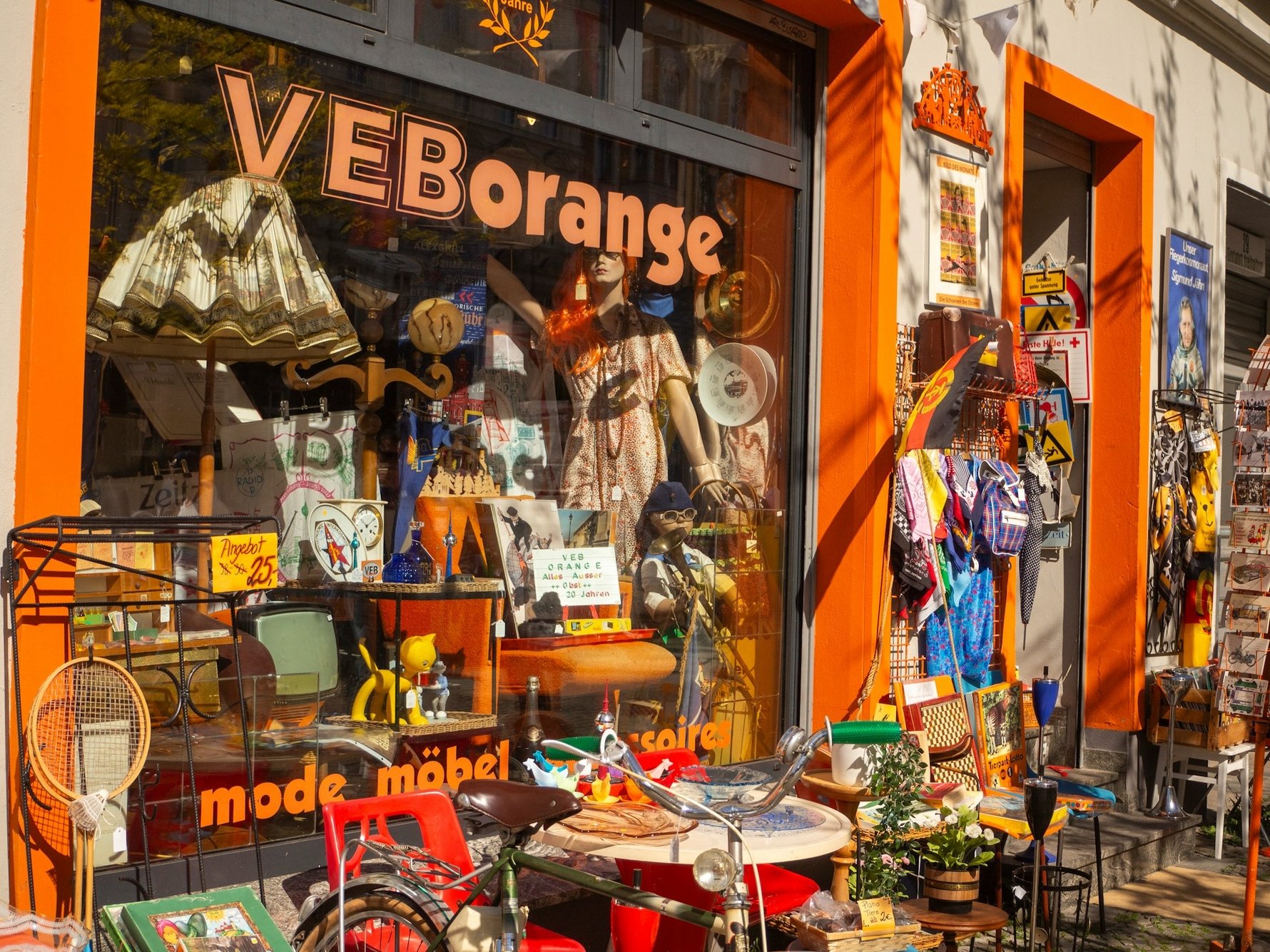
In Germany, it’s not uncommon to pull your phone out in a city centre market to pay for lunch, only to notice everyone around you is paying with cash. The country’s moving into the digital age, but it’s definitely dragging its feet a bit. Germans are often careful, selective, and reluctant to give up the systems they already trust. That’s why you’re still expected to pay with cash at many bakeries, flea markets, and corner kiosks.
PayPal is a major online favourite, especially for e-commerce purchases, where it enjoys a 57% usage rate. Girocard, popular at supermarkets like Rewe, is a domestic bank-linked debit system that retailers in this part of the world trust implicitly. Apple Pay and Google Pay are expanding, but they’re not dominating the market, at least not yet. While Germans are open to digital convenience, they’re not as ready to abandon familiar tools as you might see elsewhere.
If you’re travelling in Germany, it pays to be flexible. Cash is useful for small purchases and quick market stops. PayPal can be your go-to for online bookings and some local services.
Card payments should be reserved for restaurants, larger chains, hotels, and transport. If you’re entering the country from Czechia or Poland, it’s sensible to carry euros and to keep your card close at hand. App payments are sometimes possible, but you shouldn’t count on their reliability.
Prague Finds the Middle Ground Between Cards and Apps
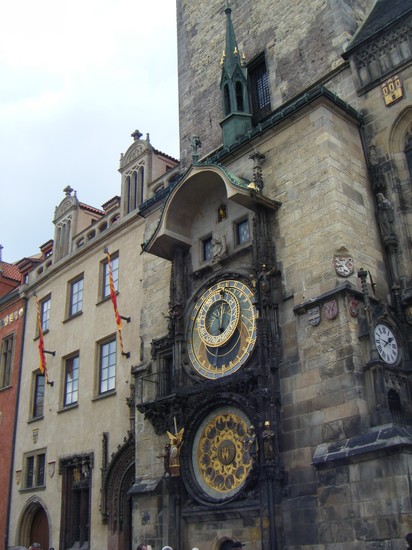
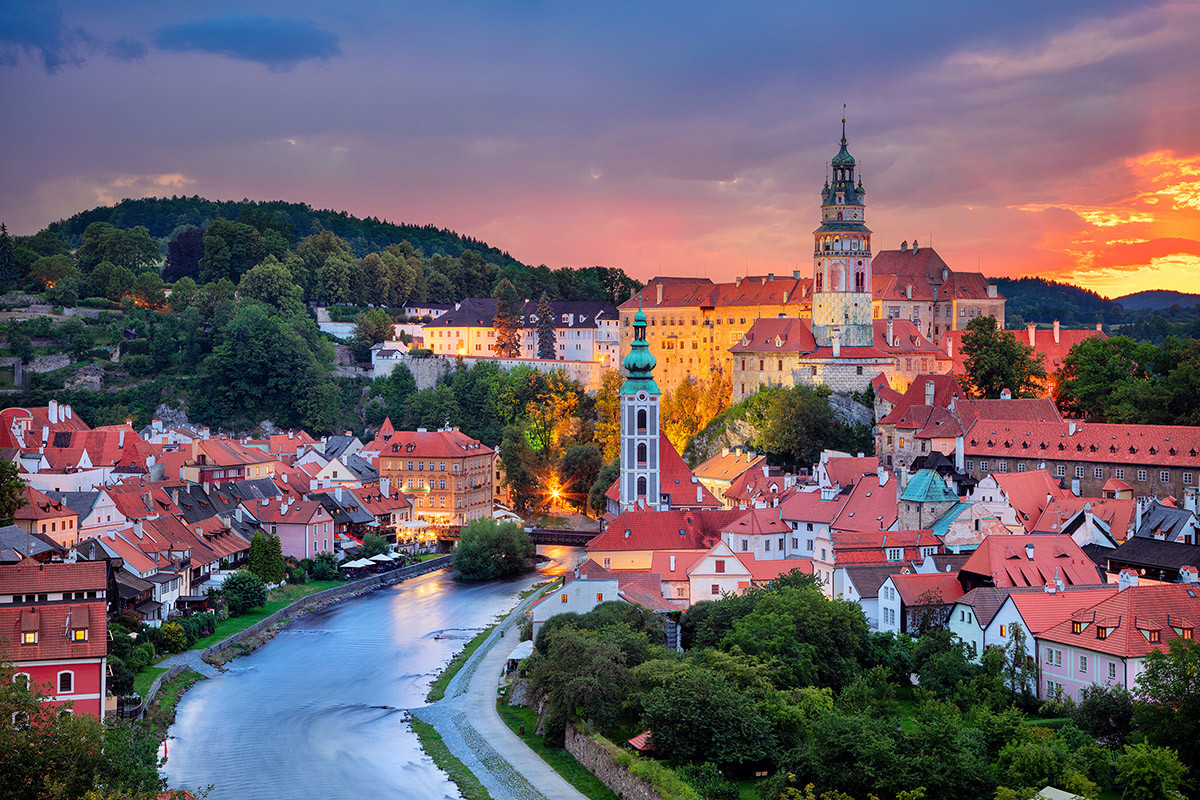
Czechia is more open to contactless card payments, especially in larger cities. Most visitors should have no trouble using this method for cafés, museums, trains, and shops. App-based payment tools have been gaining ground, though, with younger users leading the way. This is a place where modern payment habits have taken hold, but not so much that cash has been completely replaced.
Twisto has established itself here. It offers a buy-now-pay-later model, which appeals to people who like to easily split costs or delay payment. GoPay is another popular option, serving as a gateway for e-shops and integrating Twisto instalments. Locals have become accustomed to a payment ecosystem that lets them move seamlessly between card taps, app approvals, and various online checkout flows.
In day-to-day life, Czech residents often turn to cards for straightforward purchases, as well as using them in conjunction with apps where they want flexible spending options. They might use Twisto when splitting a bill with friends at a café or when engaging in a large grocery run. GoPay, meanwhile, is frequently the method of choice for tickets, online services, and ride bookings.
For travellers, the main takeaway is simple. Czechia can be regarded as card-friendly, but having one or two local-style digital options as standbys can make your time there easier. That’s especially true if you’re staying near the Polish border and want to seamlessly navigate between the payment habits of each country.
In Poland, mobile payments have gone mainstream. BLIK can be regarded as the centre of this revolution. Polish citizens don’t just regard it as another seldom-used app on their phones. Rather, it’s part of daily life for millions of users, and it has become one of the country’s most recognisable payment methods.
BLIK has over 18 million users and processes more than 2 billion transactions per year—a highly impressive market share that speaks to its near-total immersion.
BLIK integrates with bank apps and lets users generate one-time codes for online shopping, in-store payments, and ATM withdrawals. It’s strong in the e-commerce niche, where users often rely on it. It now outpaces cards as the default choice for digital purchases—something that would have been nearly unthinkable a couple of decades ago.
Travellers visiting Poland should be aware of this trend. In situations where you might expect paper money to still rule, BLIK may end up being your preferred payment method. At supermarkets, food stalls, and festival entrances, the local instinct is now to pull out a phone, and you can do the same.
The BLIK guide at PolskieKasyno reveals how deeply the app has spread into everyday digital routines, with many players using it for instant top-ups on online casino and gaming sites. This trend reflects something broader about the Polish payment culture. People are using mobile tools not just for shopping, but for low-friction transactions after work, dinners at trendy restaurants, and nights on the town. BLIK makes peer-to-peer payments easy, whether you want to split a bar tab or send a friend money after a football match for the snacks they bought you.
Cards still work fine, and tourists who feel more comfortable with them will find that they’re accepted in most cities. Przelewy24 and similar systems also play a prominent role in larger transfers and online checkout flows.
What makes Poland different from Germany and Czechia, though, is that phones have become the default wallet. Anyone used to card-first travel might be a bit put off by that, but most find they adjust to this new world with relative ease, as long as they keep an open mind.
You Can Move Smoothly from One System to the Next
It’s possible to move about within this border region without payment drama if you set your mind to it. A travel wallet like Revolut can help you bridge currencies, while a mix of card, cash, and app access is superior to relying on just one system.
If you’re moving between all three countries as part of a single trip, it’s worth checking which apps can be linked to your bank. You’ll also want to be mindful of which cards have the lowest foreign transaction fees and which payments will trigger extra charges.
The most practical setup might involve carrying a debit or credit card for hotels and larger purchases, while also having some cash on hand for Germany. Add a mobile-payment option that works well in Poland, and you’re well set up to handle transactions in all three countries.
If you’re staying longer, local SIM access or reliable roaming might become a factor, since app approvals and top-ups are only possible when you have reliable phone connectivity. It’s also smart to watch for scams in border towns. Rushed exchanges and poorly lit payment spots can become costly errors for unwary travellers.
Europe is not moving at one speed where payment methods are concerned, and neighbouring countries can have very different ideas about what the new normal looks like. Travelling through this region can be highly enjoyable, but savvy border-hoppers should know how to adapt quickly. If you know when cash, card, or phone payments are expected, you’ll have an easier time—whether you’re visiting for business or pleasure.