There is a version of Prague that lives rent-free in the minds of a certain generation of travellers: a city where the beer costs less than water, where a three-course dinner barely dents a banknote, where you could spend a long weekend living extremely well on what you might otherwise spend on a Friday night out at home. That Prague existed. It was real. People who visited in the late 1990s and early 2000s still talk about it with the misty reverence usually reserved for deceased relatives and discontinued chocolate bars.
That Prague is also, to be direct about it, largely gone.
Prague is cheaper than London, Paris, Amsterdam, Zurich and most of Scandinavia. If you are coming from those places, you will still notice the difference, and it will not be unpleasant. But if you are arriving with the expectation of the absurdly cheap city that made it famous among budget travellers, you are about ten to fifteen years too late and will need to recalibrate accordingly.
The city is no longer a bargain destination in any meaningful sense. It is a mid-range European capital with mid-range European prices in most areas, higher-than-mid-range prices in the tourist centre, and a reputation for cheapness that the travel content industry has been slow to correct because the old narrative is tidier and more searchable.
Why Did It Change?
The honest answer is that a country getting wealthier is a good thing, even when it is inconvenient for people hoping to eat steak on a backpacker budget. The Czech economy has grown considerably over the past two decades. Wages have risen significantly – Prague now has the highest average wages in the country by some margin, and national wage growth has consistently outpaced the EU average in recent years. A city where local people earn more is, by straightforward logic, a city where things cost more.
Tourism pressure compounded this. Prague has become one of the most visited cities in Europe, drawing millions of international visitors a year to a historic centre that has not physically expanded to accommodate them. The Old Town, Malá Strana and the area around Charles Bridge are now operating in a tourist economy that bears only a loose relationship to the one the rest of the city inhabits. The same meal can cost considerably more depending on whether you are eating it within eyeshot of a medieval tower or around the corner from one.
Post-pandemic price resets did the rest. Hospitality businesses across Europe used reopening as an opportunity to reprice, and Prague was no exception. Some of those increases were one-offs; many were not. The city's hotel market in particular has repositioned itself upmarket quite deliberately, with the municipal government openly stating that attracting high-spending visitors rather than high volumes of backpackers and stag parties is the strategic priority. This is not a secret policy. They have said it publicly. Average room rates in the city centre now rival Vienna's, which would have seemed improbable fifteen years ago.
Where the Old Prices Have Survived
Not everything has changed at the same rate. Public transport remains exceptionally good value: an extensive network of trams, metro and buses that covers the city thoroughly and runs late into the night. Locals use it, the city subsidises it, and it has not been repriced for tourists. If you are sensible about transport, this is one area where Prague genuinely delivers on its historic reputation.
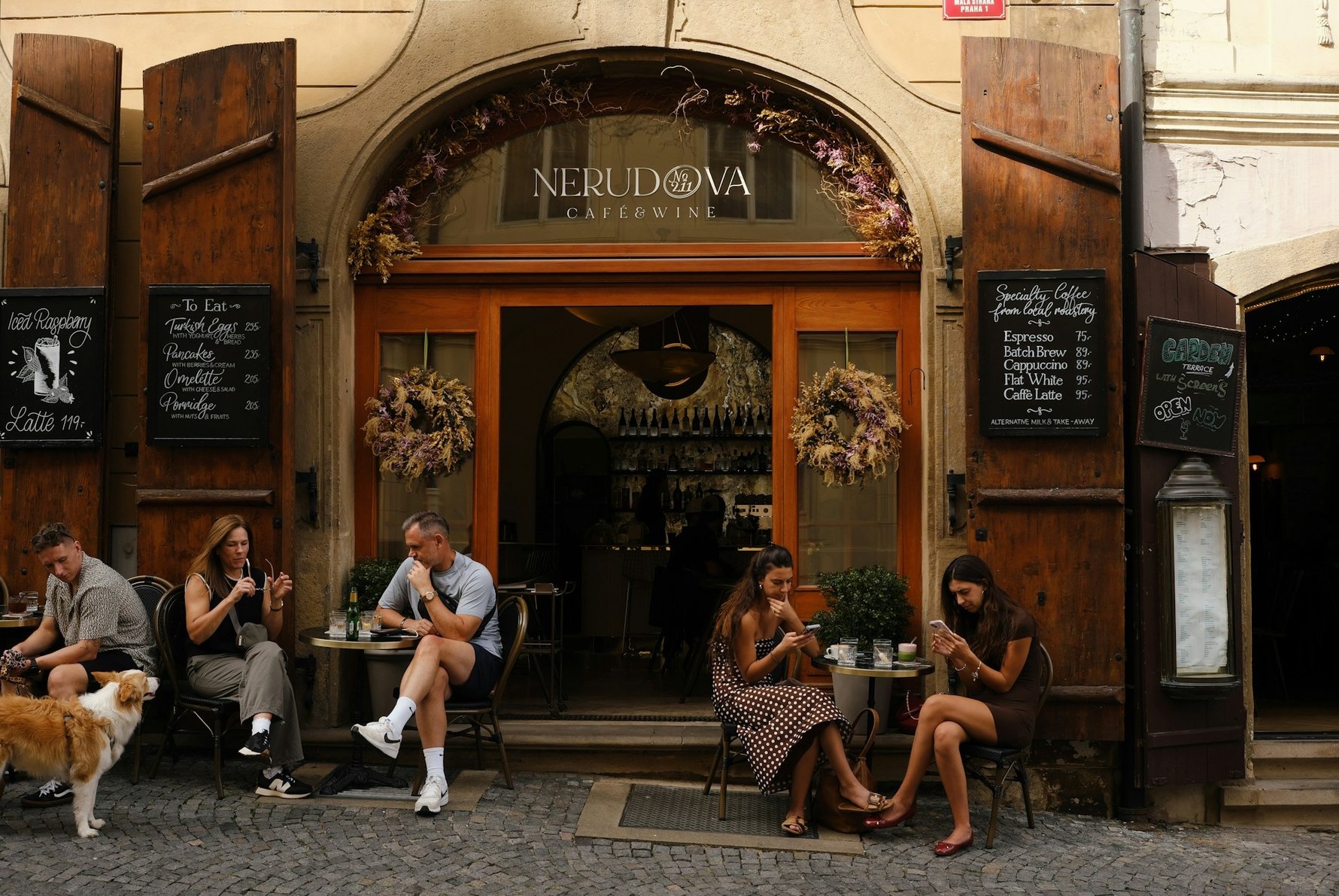
Food and drink outside the tourist circuit is still noticeably cheaper than in Western European capitals, though the gap is narrower than it was. Czechs eat out regularly and the neighbourhood pub and restaurant culture means there is a functioning market for honest, affordable food that is not aimed at visitors. The challenge for tourists is finding it, which requires walking more than ten minutes from the Old Town Square and exercising some judgement about which establishments have English menus prominently displayed and which do not.
Czech beer, it should be noted, remains very good and still reasonably priced in the right places. The tankové pivo – unpasteurised tank beer, delivered directly to the pub and served without the usual processing – is one of Prague's genuine and specific pleasures, and finding a pub that serves it well is a better use of time than hunting for somewhere cheap. Quality and price, in this particular area, are more closely aligned than in most European cities.
Where the Prices Will Surprise You
Accommodation in the centre has become expensive. The middle ground – decent hotels in good locations at reasonable prices – has compressed significantly as the market has moved toward budget hostels at one end and increasingly upscale hotels at the other. Visitors who booked Prague hotels five years ago and are returning with the same budget will find that it no longer buys the same room.
Attractions have also repriced. Entry to Prague Castle, the major museums and the various tower climbs has risen considerably over the past decade, and these are not costs that yield to haggling or off-peak timing. Some of the castle complex can be visited without paying, which not all visitors realise, but the ticketed sections now command prices that would not look out of place in any major Western European city.
The tourist restaurant trap is real and operates more aggressively in Prague than in many comparable cities. Establishments around Old Town Square, Wenceslas Square and Charles Bridge charge a significant premium for location and have been known to add service charges, cover charges and other items that do not appear prominently on the menu. This is not a new phenomenon, but it has intensified as the supply of genuinely local businesses in the historic centre has dwindled.
The Honest Summary
Prague is worth visiting. It is a genuinely beautiful, historically dense, architecturally extraordinary city with excellent beer, good food and enough going on culturally to keep any reasonable visitor occupied for several days. None of that has changed.
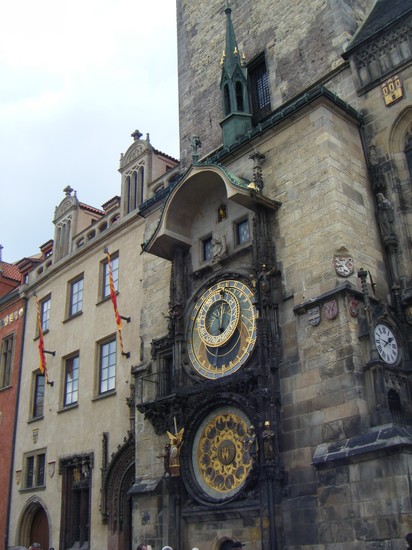
What has changed is the financial proposition. Prague is no longer the city where careful planning and a modest budget produce an experience well above what you paid for. It is a city where a mid-range budget produces a mid-range trip, where the tourist centre charges accordingly, and where finding the good-value version of the city requires some effort and a willingness to leave the immediate vicinity of the astronomical clock.
If you are comparing it to Paris or London, you will still feel better off. If you are comparing it to the Prague of legend – the one your older colleagues keep describing unprompted over drinks – you are going to need to update your expectations. That city has not been demolished. It has simply grown up and started charging European prices, which, for a European capital in 2025, is entirely reasonable even if it is slightly less convenient for the rest of us.