Europe has no shortage of beautiful buildings. That's obvious to anyone who's been there, or even just scrolled through a travel blog. But here's something people don't always think about: some of the most impressive ones are casinos. And not in a flashy Vegas way. A lot of them go back centuries, drawing on Baroque and Renaissance design in ways that genuinely catch you off guard. Huge staircases, gold leaf ceilings, painted motifs. They're the sort of spaces where gambling is almost secondary to just standing there with your neck craned upward. That combination of real architectural heritage and entertainment doesn't really exist outside of Europe, and it's reason enough to visit even without any interest in the tables. The hard part is narrowing down which ones actually deserve the trip.
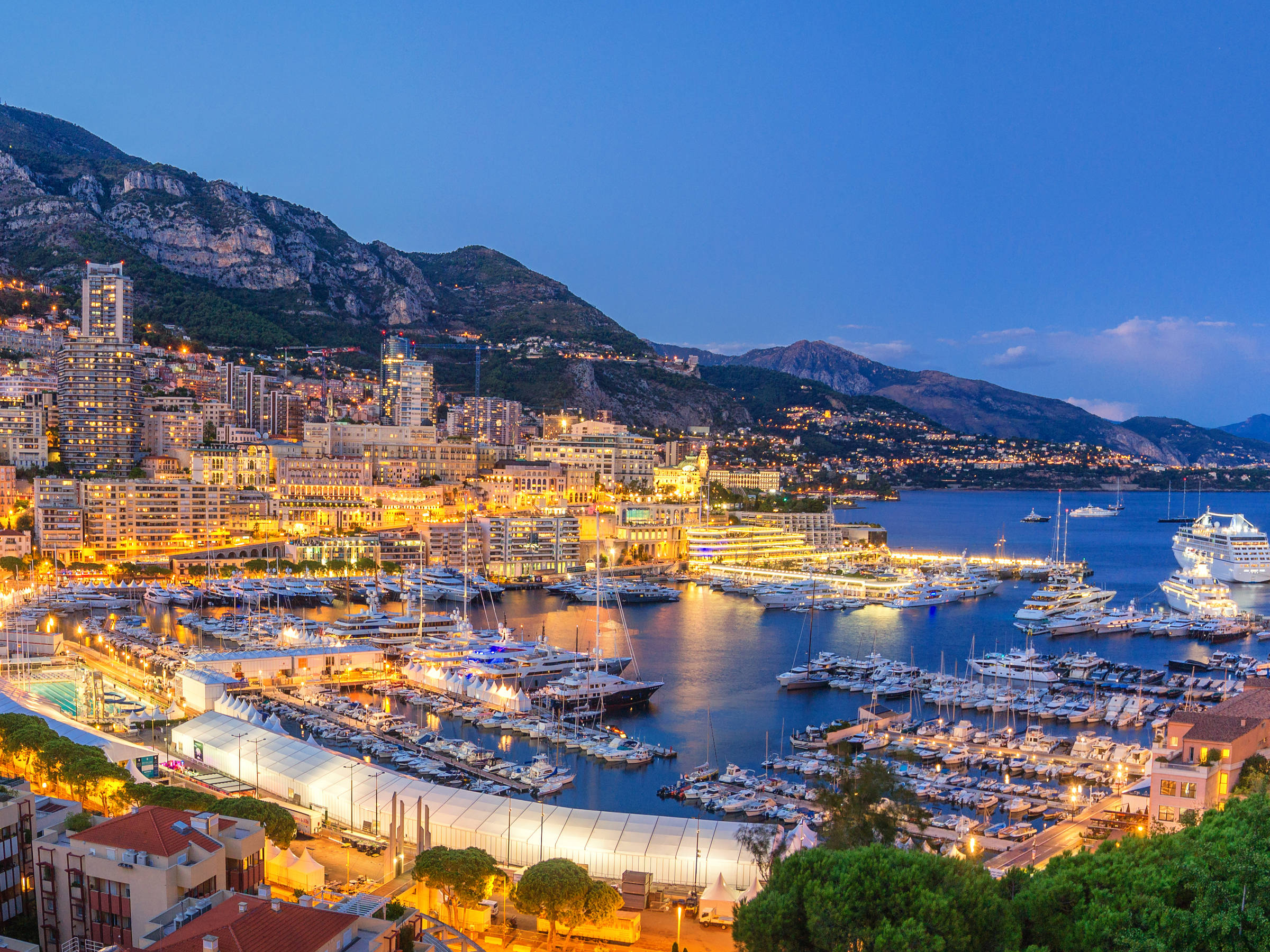
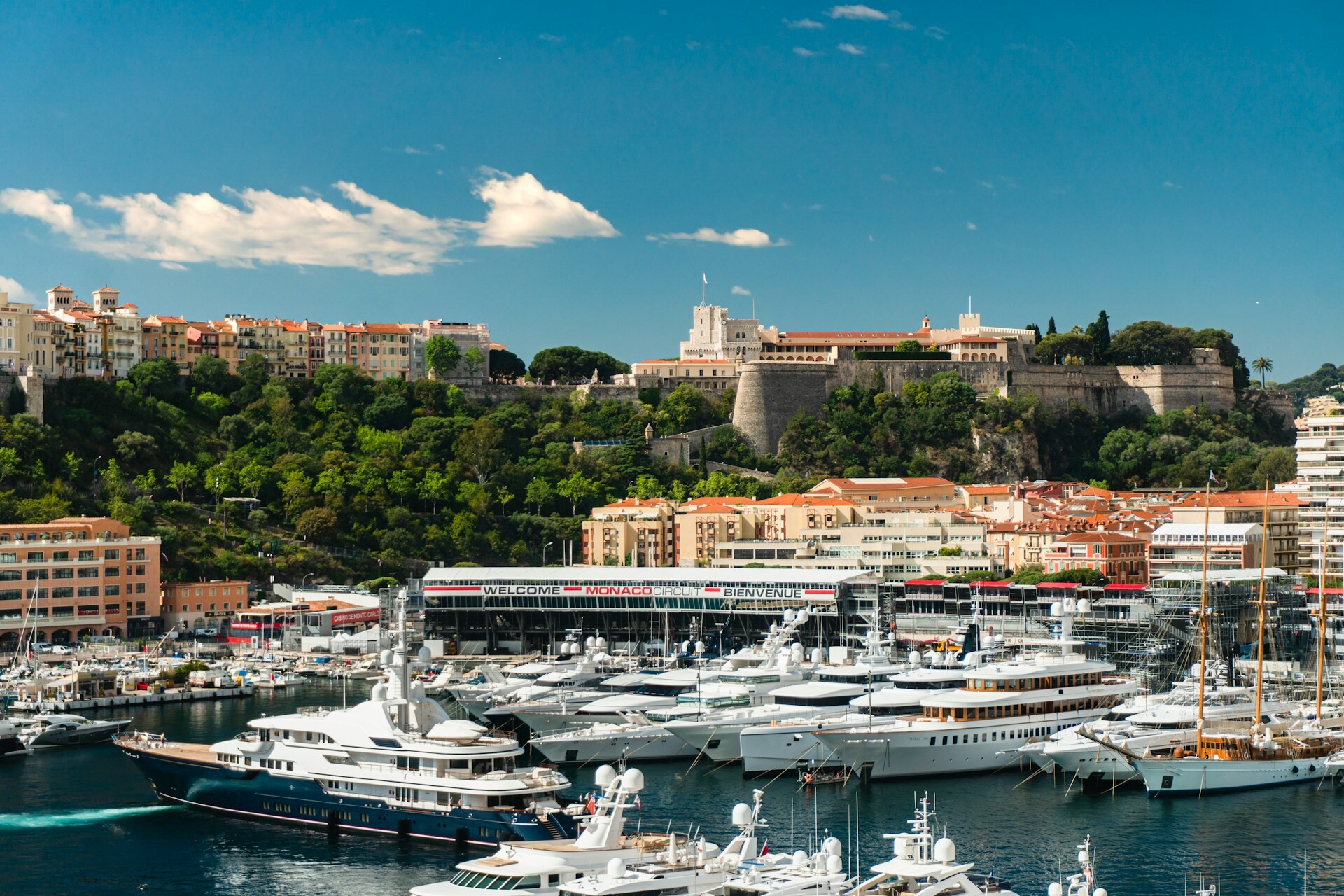
So, here's a rundown of some of the best, starting with Monaco, because the Monte Carlo casino basically put that entire town on the map.
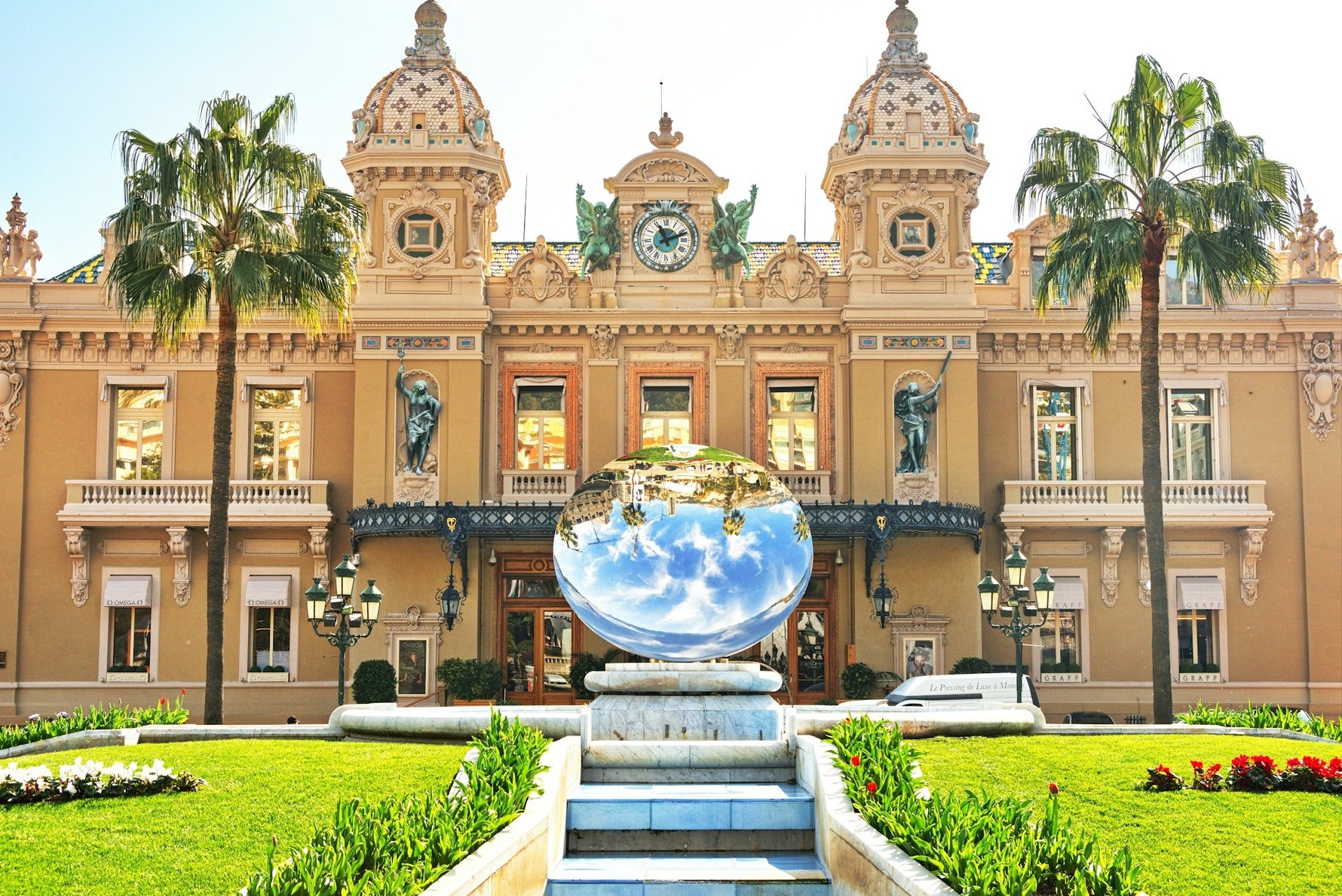
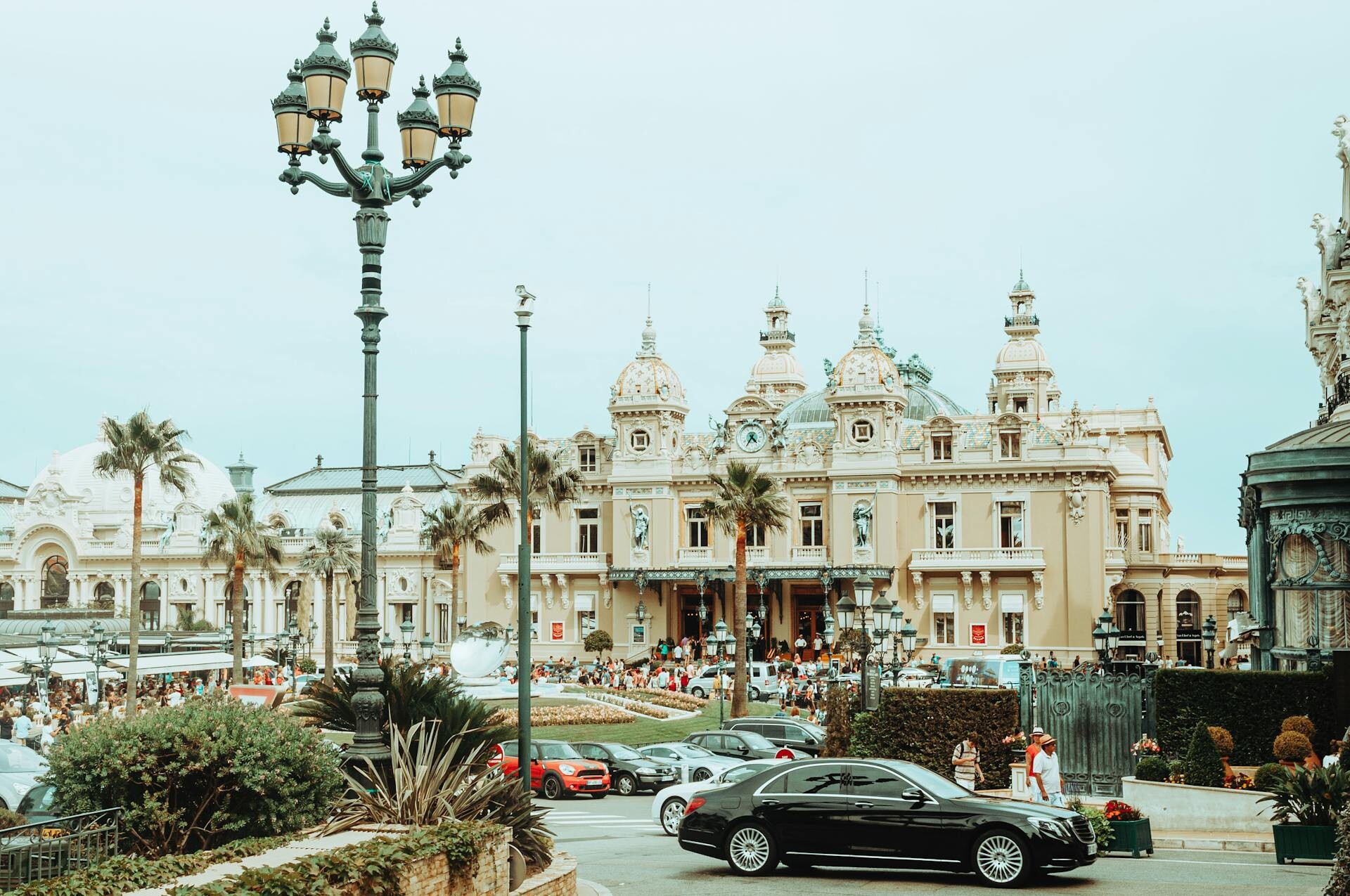
Casino de Monte Carlo in Monaco, by Charles Garnier
Monaco and luxury go hand in hand, everyone knows that. But the Casino de Monte Carlo is really where that whole identity started. Charles Garnier designed it in the late nineteenth century (he's the same person who designed the Paris Opera House, by the way) and you can tell. The facade alone is something else. Marble columns, detailed sculptures, all of it meticulously done. Going inside somehow tops the exterior. There are crystal chandeliers that look absurdly oversized, thick velvet drapes framing stained-glass windows taller than most front doors, and coloured light spilling across the gaming floor whenever the sun hits right. The environment is so spectacular that the tables almost feel like a secondary attraction. Everything about the place screams royal palace, and it takes a second to remember people are actually just here to play baccarat.
Casino Baden-Baden in Germany, by Friedrich Weinbrenner
Over near the Black Forest, there is Casino Baden-Baden, which went in a totally different direction. The designers pulled heavily from French chateau architecture. Think Versailles, but slightly scaled down. There is red and gold everywhere, along with classical motifs painted across the ceilings. You could honestly spend your whole visit just taking in the rooms and never actually sit down at a table, which highlights how much of an entertainment venue it is in its own right. Every room has a unique visual theme, stopping the place from ever feeling repetitive. Moving through the building feels like flipping through chapters in a history book. Breathtaking is a heavily overused word, but it absolutely fits here. It offers a very specific, old-world kind of luxury that makes a trip to the southwest of Germany completely worthwhile.
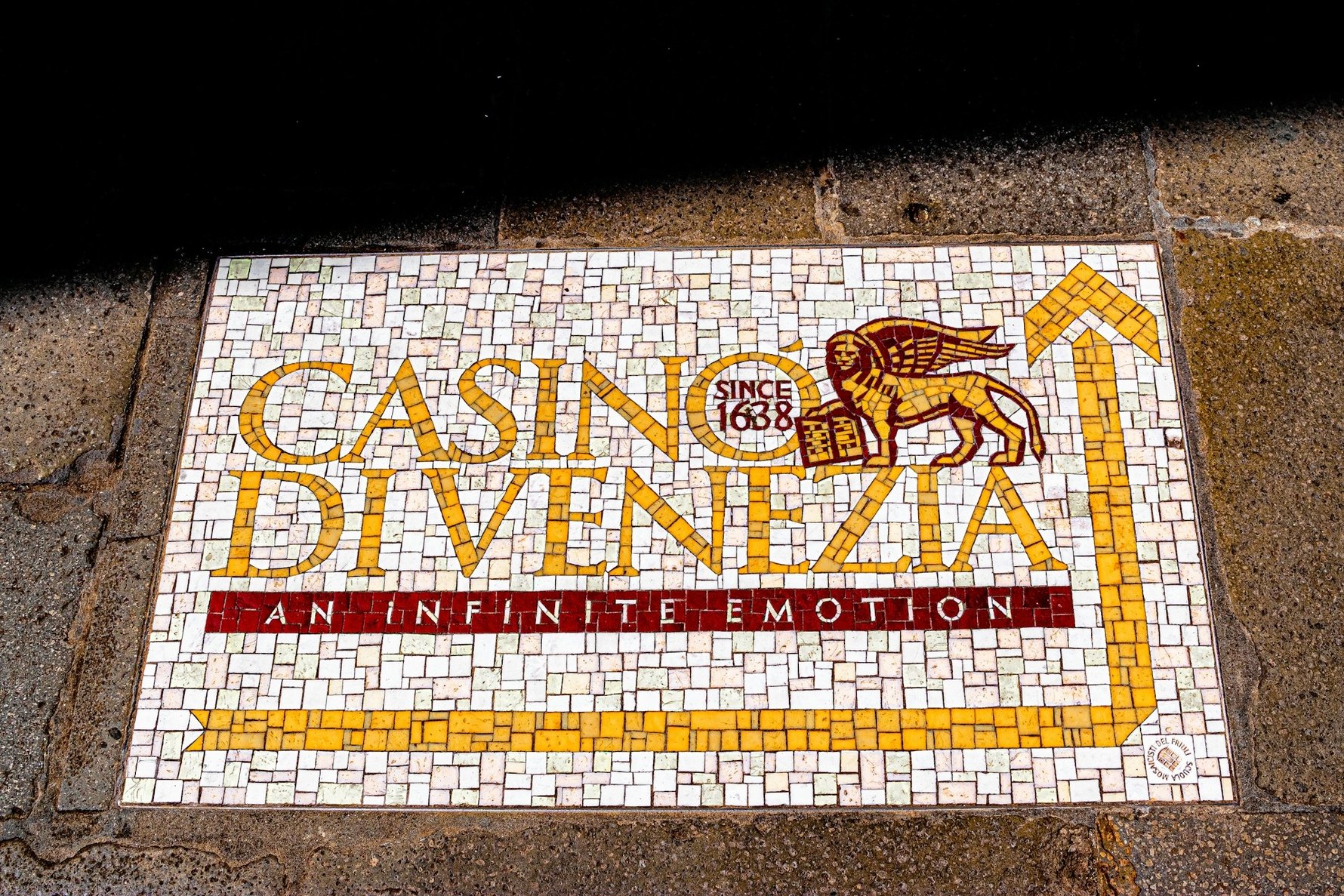
Italy takes a completely different approach, which shouldn't surprise anyone. The Casinò di Venezia occupies a Renaissance palace (the Ca' Vendramin Calergi), which is situated right on the Grand Canal, and it happens to be the oldest gaming house anywhere in the world. The arched windows look straight out over the water, and guests can show up by boat because the main entrance literally opens onto the canal. That fact alone puts it in a different category from basically every other casino out there. Inside, there are paintings by celebrated Italian artists, and the atmosphere has such a deeply romantic quality that's hard to describe unless you've spent time in Venice. Honestly, the building captures the soul of the city more convincingly than half the tourist spots do.
Casino Estoril in Portugal, by Filipe Nobre de Figueiredo and António Campello
Not everyone wants gilded ceilings and oil paintings, though. If you lean more toward clean, modern design, Casino Estoril on the Portuguese Riviera is the one to look at. It's got strong Art Deco influences, like geometric lines, and big glass facades, and it's actually the largest casino on the Iberian Peninsula. Compared to somewhere like Monte Carlo, it's a completely different world, and that shift in tone is actually quite welcome. Contemporary art installations are dotted around the interior, and the way the space is laid out means you drift from the slots into the show lounges almost without realising it. There's a well-known bit of trivia attached to this place, too: it's said to be the casino that sparked Ian Fleming's Casino Royale.
The Shift from Grand Halls to Digital Spaces
Europe has an incredible range of casino architecture, stretching across centuries of design traditions. From the heavy marble columns in Monaco to the waterside grandeur of Venice, visiting these venues is as much about experiencing living history as it is about the games themselves.
However, the day-to-day reality of how people play has obviously shifted. You don't always want to pack a dinner jacket and trek across the continent just to enjoy a few hands of blackjack. The modern experience is much more localised. Rather than acting as exclusive tourist destinations, digital platforms have brought the entertainment home by tailoring the experience to specific regional markets. A player in Ireland, for instance, can easily access a secure session at a regulated online casino designed specifically for their local jurisdiction, entirely bypassing the need to travel.
Whether you prefer the sheer convenience of a modern, regionally focused platform or the heavy velvet drapes of a traditional European gaming room, the environment always dictates the experience. The thread running through all of it is that someone genuinely cared about how the space looked, felt, and functioned for the player.