Northern Ireland is a small place, which is both excellent news and, if you happen to be driving, occasionally terrifying news. The good news is that Translink – the public body responsible for buses, trains, and the general movement of people from one part of the province to another – does a reasonably impressive job of holding everything together. From the sleek new Grand Central Station in Belfast to a coastal bus route that takes you past scenery of almost implausible loveliness, getting around without a car is not only possible but, on occasion, genuinely enjoyable. Here is what you need to know.
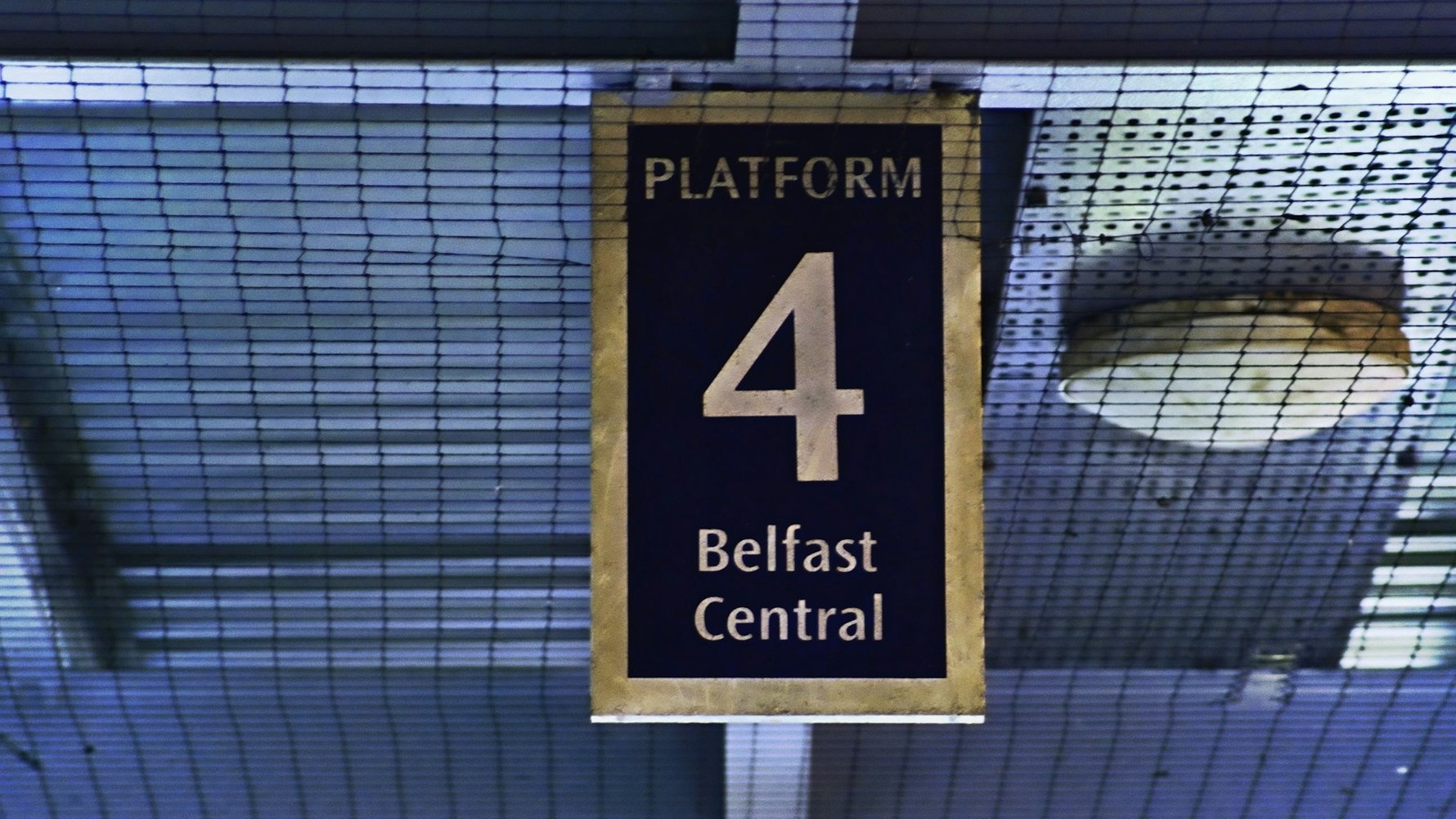
Everything in Belfast now flows through Grand Central Station, which opened in phases in late 2024 and immediately became the largest integrated transport hub on the island of Ireland. It sits in the Weavers Cross area near Great Victoria Street, replacing both the old Europa Buscentre and Great Victoria Street railway station, neither of which had aged particularly well. The new building – 26 bus stands, eight rail platforms, a sawtooth roofline and a Pret A Manger – cost around £340 million and is the sort of place that makes you feel a city has decided to take itself seriously.
Grand Central is where you will arrive from Dublin by train, depart for Derry by bus, and wait for a suburban Metro service while watching someone attempt to navigate a very large suitcase through an automatic barrier. It also has a BrewDog, if the automatic barrier business takes longer than expected. All Translink services can be planned and booked via translink.co.uk, where the Journey Planner will do its earnest best to get you where you are going.
Belfast Metro: Buses Within the City
Within Belfast itself, the Metro operates 12 bus corridors radiating out from the city centre, with most services departing from around Donegall Square, in the shadow of City Hall. It covers the greater Belfast area including outlying districts like Newtownabbey, Dundonald and Dunmurry, and runs frequently enough that you rarely wait very long. Free colour-coded timetables are available from the Metro Kiosk on Donegall Square West, for those who still enjoy a piece of paper.
Fares are reasonable. An unlimited day ticket on Metro and Glider costs £4 with the mLink app or a dayLink smartcard (dropping to £3 if you board after 9:30am), and a cash day ticket is £4.20. Contactless payment is accepted onboard, which saves the increasingly awkward scramble for exact change.
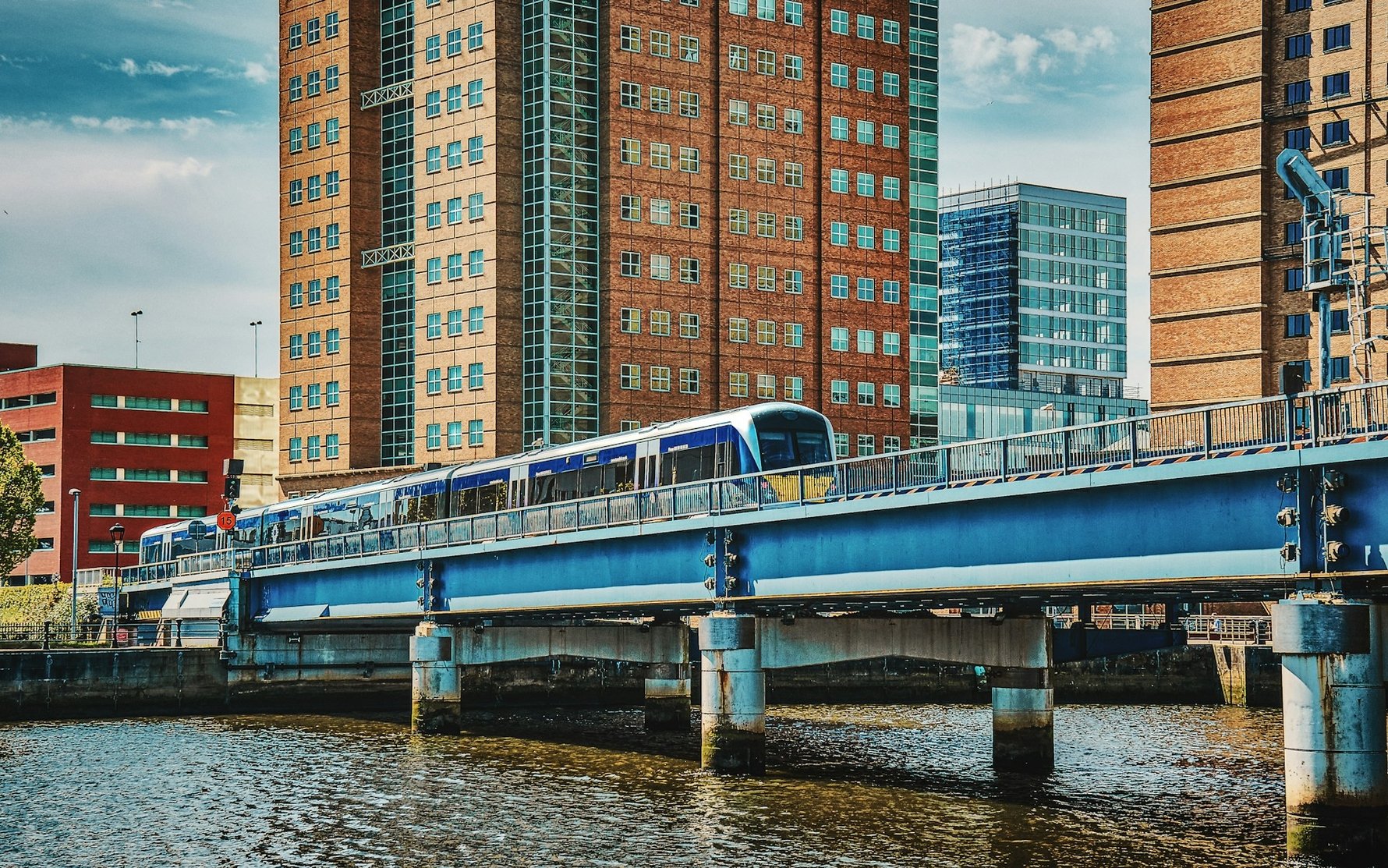
The Glider launched in 2018 and is, to be clear, a bus. A very good bus – 18 metres long, bendy, with real-time passenger information, free Wi-Fi, USB charging points, air conditioning and departures every seven to eight minutes at peak times – but a bus nonetheless. The distinction matters mainly because Belfast spent a very long time arguing about whether to build a tram, and the Glider is the pragmatic answer that emerged from that argument.
Route G1 connects Dundonald in east Belfast with west Belfast via the city centre; Route G2 links the Titanic Quarter with the centre. Both routes are genuinely useful, and the frequency means you treat them more like an underground line than a bus service, which is the point. Tickets are purchased before boarding at the halts rather than on the vehicle, which keeps things moving. The Glider shares its ticketing with Metro, so your dayLink card covers both.
NI Railways: Trains Across the Province
Northern Ireland Railways – the rail arm of Translink – operates a modest but well-used network from Belfast Grand Central. The main lines radiate out to Bangor, Larne, Portrush (via Coleraine), Derry~Londonderry, and Portadown, with suburban services also calling at Botanic, City Hospital, Yorkgate and other Belfast stations. It is not a vast network by European standards, but it covers most places visitors actually want to go.
The train to Bangor takes about 35 minutes and runs through some pleasant coastal scenery. The Derry line (around 2 hours) is the longest, passing through Antrim and Ballymena before reaching the Foyle. Portrush – the jumping-off point for the Giant’s Causeway and the Causeway Coastal Route – takes roughly 90 minutes from Belfast. Tickets can be bought from station machines, on board from the conductor, or via the mLink app. Off-peak (after 9:30am) fares offer a third off the standard price, which is worth knowing if your schedule allows any flexibility.
The Enterprise is the flagship service of cross-border rail travel on the island of Ireland, jointly operated by Translink and Iarnód Éireann, and has been connecting Belfast and Dublin since 1947. It departs from Grand Central Station hourly Monday to Saturday (15 times daily), and every two hours on Sundays (eight services). The journey takes roughly two hours and ten minutes, which compares very favourably with driving and does not involve the M1 at all.
There are no passport checks, no border formalities, and no need to think very hard about the fact that you are crossing an international boundary, which is one of the neater practical aspects of the Good Friday Agreement. Standard class is comfortable with power sockets and Wi-Fi; Enterprise Plus (first class, available on dedicated trainsets) comes with reclining seats and hot meals served to your seat. Advance fares from £9.99 are available online; book in advance through translink.co.uk for the best prices.
Passenger numbers have surged since the service went hourly in late 2024, with a 40% increase recorded in the first year. A new fleet of Stadler electric-diesel trains is on order for delivery by 2029, which should bring the journey time down below two hours. For now, the existing service is excellent, and a window seat on the right side heading northbound – for coastal views and a glimpse of the Mournes – is worth requesting.
Ulsterbus: Getting to Towns and Villages
For anywhere the train does not reach – which includes a great deal of Northern Ireland – Ulsterbus fills the gap. It operates around 1,100 buses to towns and villages across the province, from Enniskillen in the west to Downpatrick in the east, and is the reason you can get to places like the Marble Arch Caves, the Mourne Mountains and the Dark Hedges without owning a car. Services vary in frequency; market towns tend to be well served, more rural destinations considerably less so, and checking the timetable in advance is not optional.
Also worth knowing is the Antrim Coaster (Service 252), a seasonal bus that runs between Belfast and Coleraine along the Causeway Coastal Route from April to September. It takes the scenic road past Larne, the Glens of Antrim, Ballycastle and the Giant’s Causeway, and at around three hours each way is one of the more pleasant bus journeys available in these islands.
Goldliner: Express Cross-Province and Cross-Border Services
Goldliner is Translink’s express coach brand, connecting Belfast with major destinations across Northern Ireland and beyond. The flagship Maiden City Flyer (Service 212) runs between Belfast and Derry~Londonderry, taking around 90 minutes and departing frequently throughout the day. Cross-border services X1 and X2 connect Grand Central with Dublin and Dublin Airport, making them a useful and affordable alternative to the Enterprise for those with heavy luggage or a preference for arriving at the airport directly.
There is also a cross-channel bus route – Service 923 – linking Belfast with Glasgow and Edinburgh via the ferry crossing at Stranraer. It is not fast, it is not glamorous, but it does work, and for those travelling on an especially tight budget it remains an option worth considering.
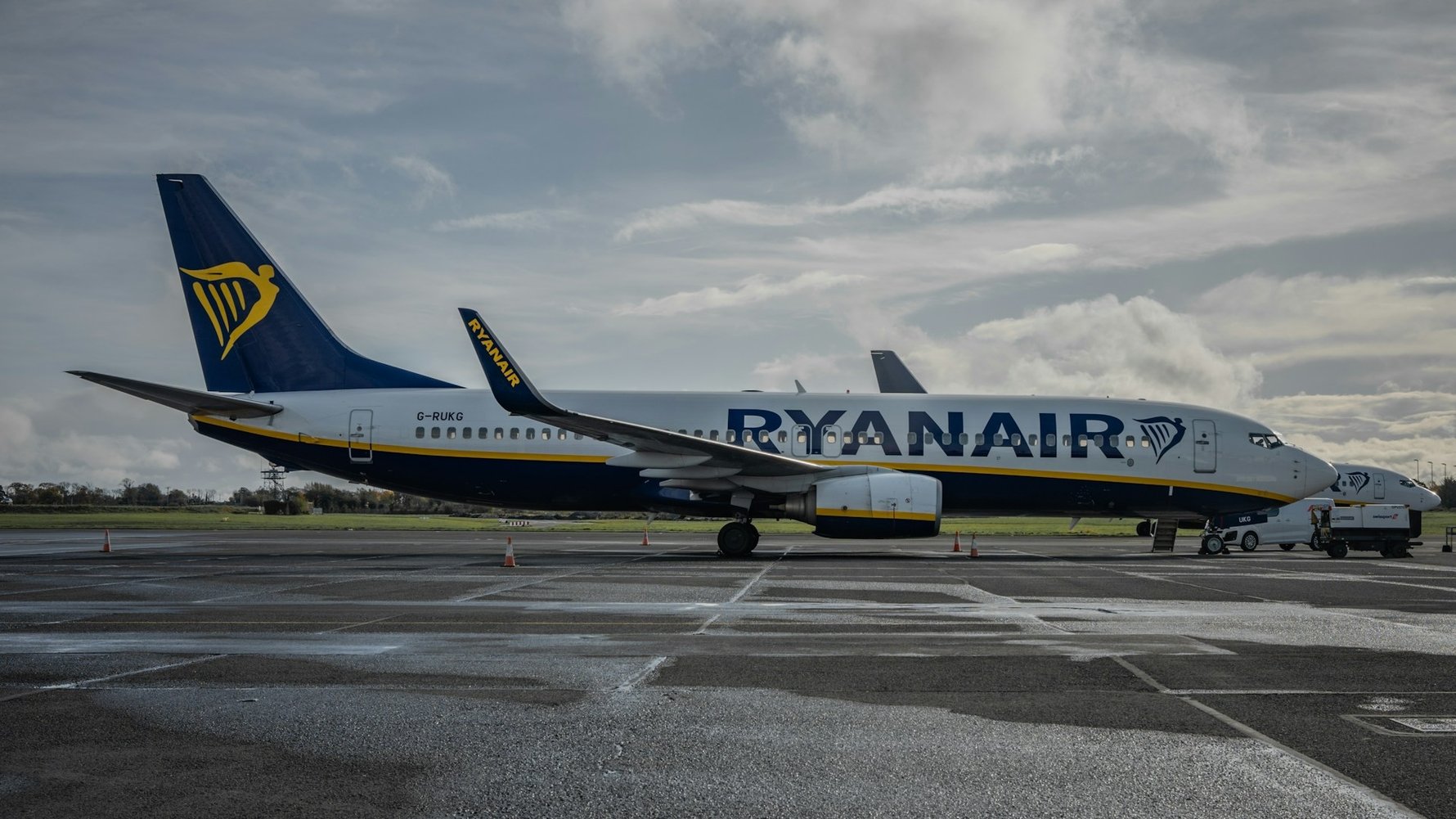
Belfast is served by two airports, which is either convenient or confusing depending on which one your flight uses.
George Best Belfast City Airport is the closer of the two, sitting just under 9km from the city centre. The Airport Express 600 bus runs every 20 minutes during peak hours directly to Grand Central Station; the journey takes around 10 minutes and costs around £2.30. Alternatively, Sydenham railway halt is a short walk from the terminal (there is a footbridge – worth noting for those with heavy cases or mobility issues), from which trains reach the city centre in about five minutes.
Belfast International Airport is 18 miles northwest of the city and requires more effort. The Airport Express 300 runs every 15 minutes at peak times to Grand Central Station, with the journey taking approximately 30 to 40 minutes. From towns further afield, the 109A Ulsterbus service connects the airport with Lisburn and Antrim, and an add-on £2.20 ‘Airlink’ ticket allows rail passengers from as far north as Derry and Portrush to transfer to the 109A at Antrim station.
Ferries: Arriving by Sea
Belfast is well-connected to Britain by sea, with Stena Line operating two routes out of the Port of Belfast. The Belfast to Cairnryan (Scotland) crossing takes two hours and fifteen minutes, with up to 12 sailings daily – making it comfortably the quickest sea link between Northern Ireland and Britain. The Belfast to Liverpool route (served by the Stena Edda and Stena Embla) takes eight hours and offers day and overnight crossings; the onboard Sky Bar and cabin options make the longer journey considerably more bearable.
The port is located off Junction 1 of the M2 motorway. Foot passengers can reach the city centre by Metro bus or a ten-minute taxi ride. For those crossing from Scotland with a car and planning to venture further into Northern Ireland, the Cairnryan route is the obvious choice. P&O Ferries operates a separate but related service between Larne (30km north of Belfast) and Cairnryan, which is worth knowing if Larne makes more geographical sense for your onward journey.
Tickets and Travel Cards
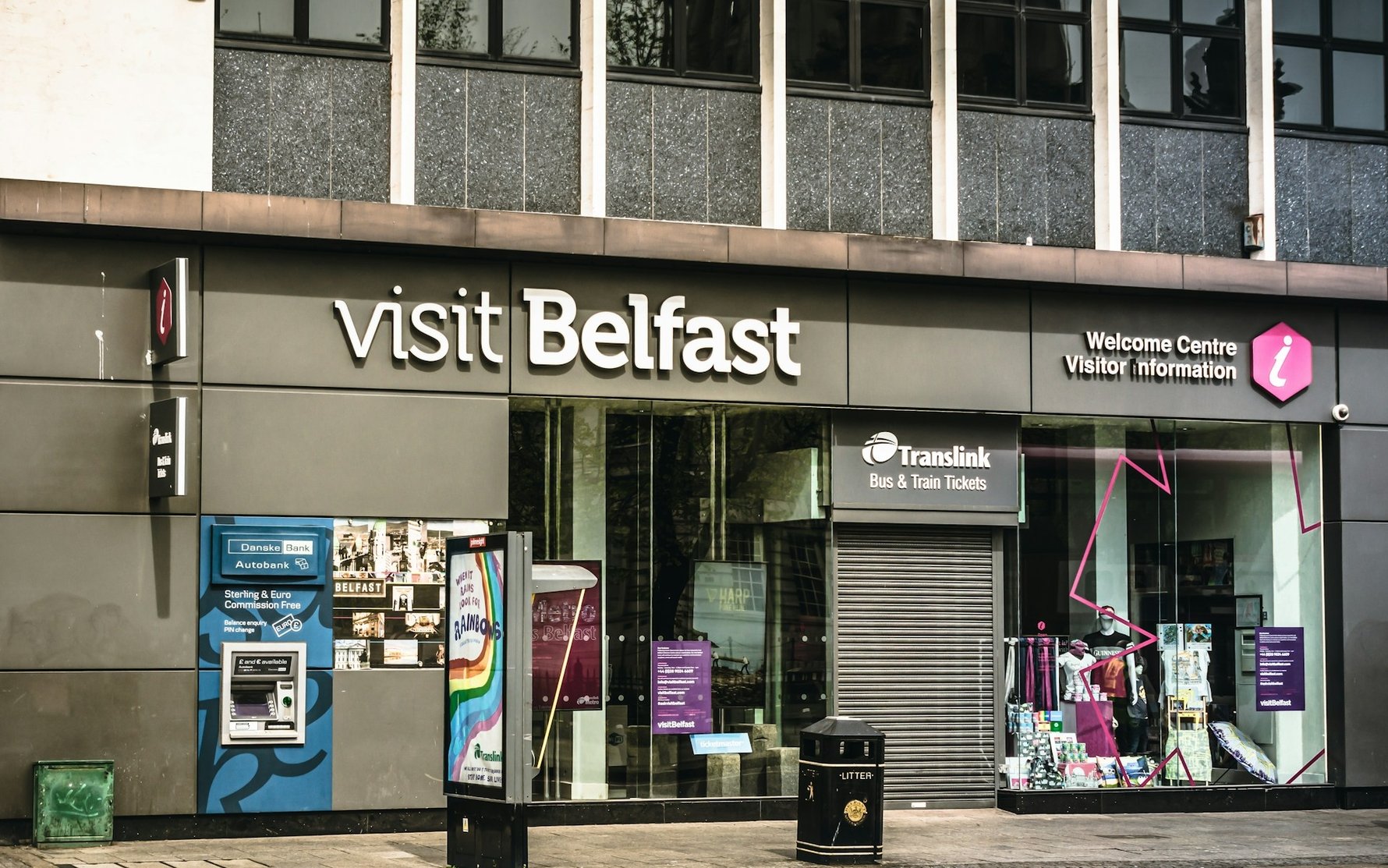
Translink has put some thought into making its ticketing less painful than it might be. The main options for visitors are:
dayLink / mLink Day Ticket – Unlimited travel on Metro and Glider for one day. £4 at any time, £3 after 9:30am via the mLink app or smartcard; £4.20 in cash. Covers the vast majority of what you need within Belfast.
Belfast Visitor Pass – Unlimited bus and train travel on Metro, Glider and zone 1 rail services for one, two or three consecutive days. Comes with discounts at local attractions and restaurants, which partially offsets the cost.
iLink Smartcard – The integrated smartcard for regular travellers, covering Metro, Glider, NI Railways and Ulsterbus services within five zones. Can be topped up with day, week or monthly travel; best value if you are staying for a while or making multiple day trips.
Friends & Family Ticket – Unlimited bus and train travel within Northern Ireland for up to two adults and four children, for £24 for one day. Available Monday to Friday after 9:30am, and all day at weekends. Good value if there are more than two of you moving around.
Sunday Day Tracker – Unlimited rail travel across Northern Ireland on Sundays for £10. No time restrictions. Given what the rail network can reach on a Sunday, this is quietly one of the better deals on the list.
For those aged 16 to 23, the yLink card (£8) gives a third off bus and rail travel across Northern Ireland, and up to 50% off Enterprise fares. Over-60s with a SmartPass travel free on all Translink services, which may or may not seem fair depending on how old you are.
Taxis and Apps
Taxis in Belfast are plentiful and reasonably priced by the standards of comparable UK cities. Value Cabs is the largest operator and holds the official contract at Belfast City Airport; other firms include fonaCab and the various black cab operators. The famous Black Taxi Tours of Belfast – narrated tours of the murals and political history of north and west Belfast – operate from the city centre and are worth considering even if you have no particular need to get anywhere.
Uber operates in Belfast alongside local alternatives. Standard metered taxis are generally straightforward; asking for a price estimate before setting off is always reasonable practice.
A Note on Driving
A car undeniably opens up parts of Northern Ireland – particularly the Fermanagh lakelands, the Sperrins and the more remote sections of the north coast – that public transport reaches imperfectly or not at all. If you are planning to do the Causeway Coastal Route at your own pace, or to venture into the countryside beyond the main towns, hiring a car for at least part of your trip is a sensible idea. Within Belfast itself, it is not. Parking is increasingly expensive, traffic around Grand Central has generated some discussion since the station opened, and the Metro, Glider and your own feet will cover the city more efficiently. The car is for the countryside; the bus is for the city. Northern Ireland has arranged things, broadly speaking, to allow for both.