
Lublin's unique heritage has resulted in different superstitions being associated with different landmarks, for which reason the Lubelskie region is often referred to as the ‘ land of legends ’. If you're travelling with children and they're not at the same level of appreciation as their elders, pay attention to the 🐐 that appear below ! They offer a colourful tale behind some of Lublin's key sites!
Lublin Old Town
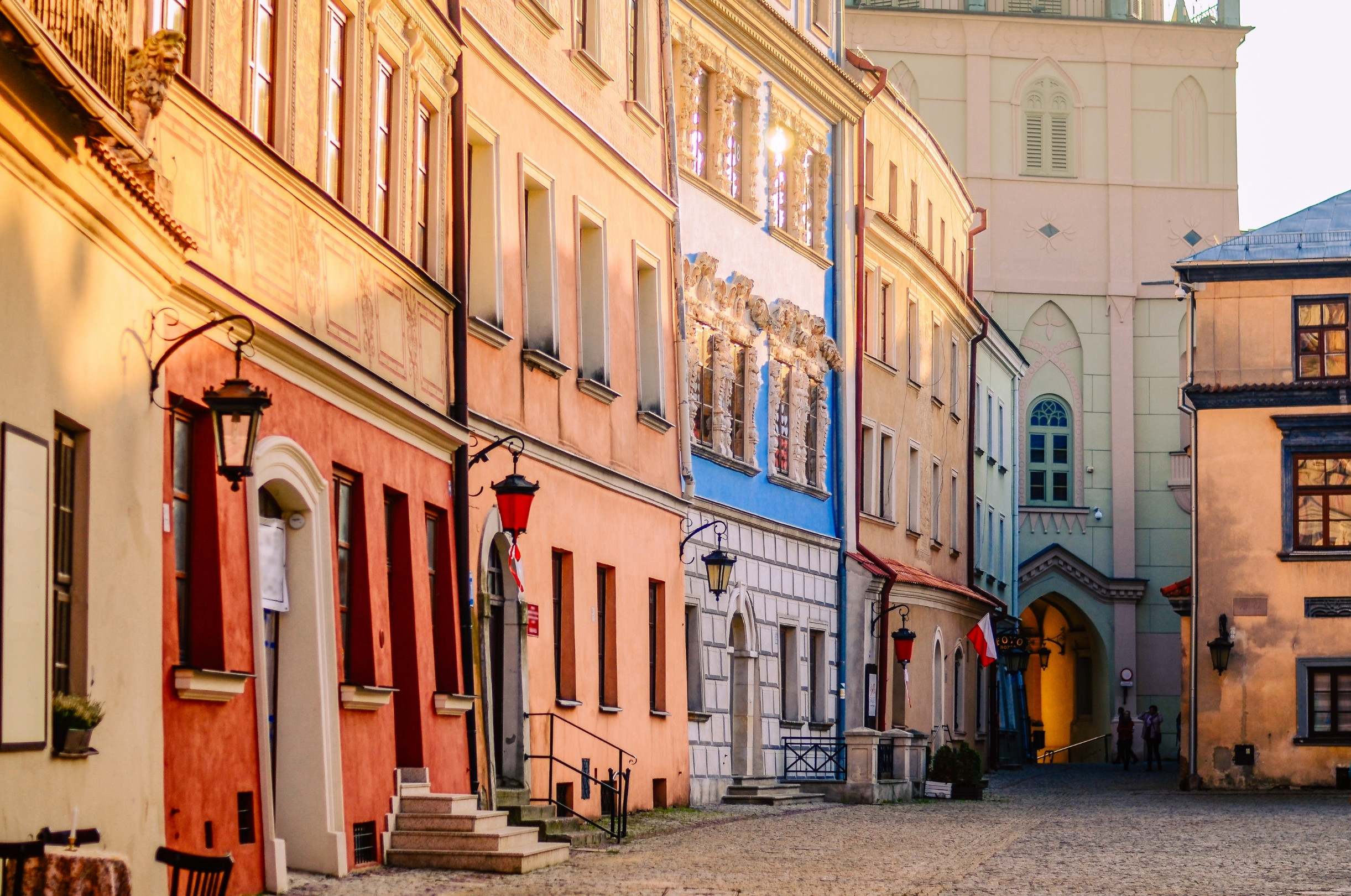
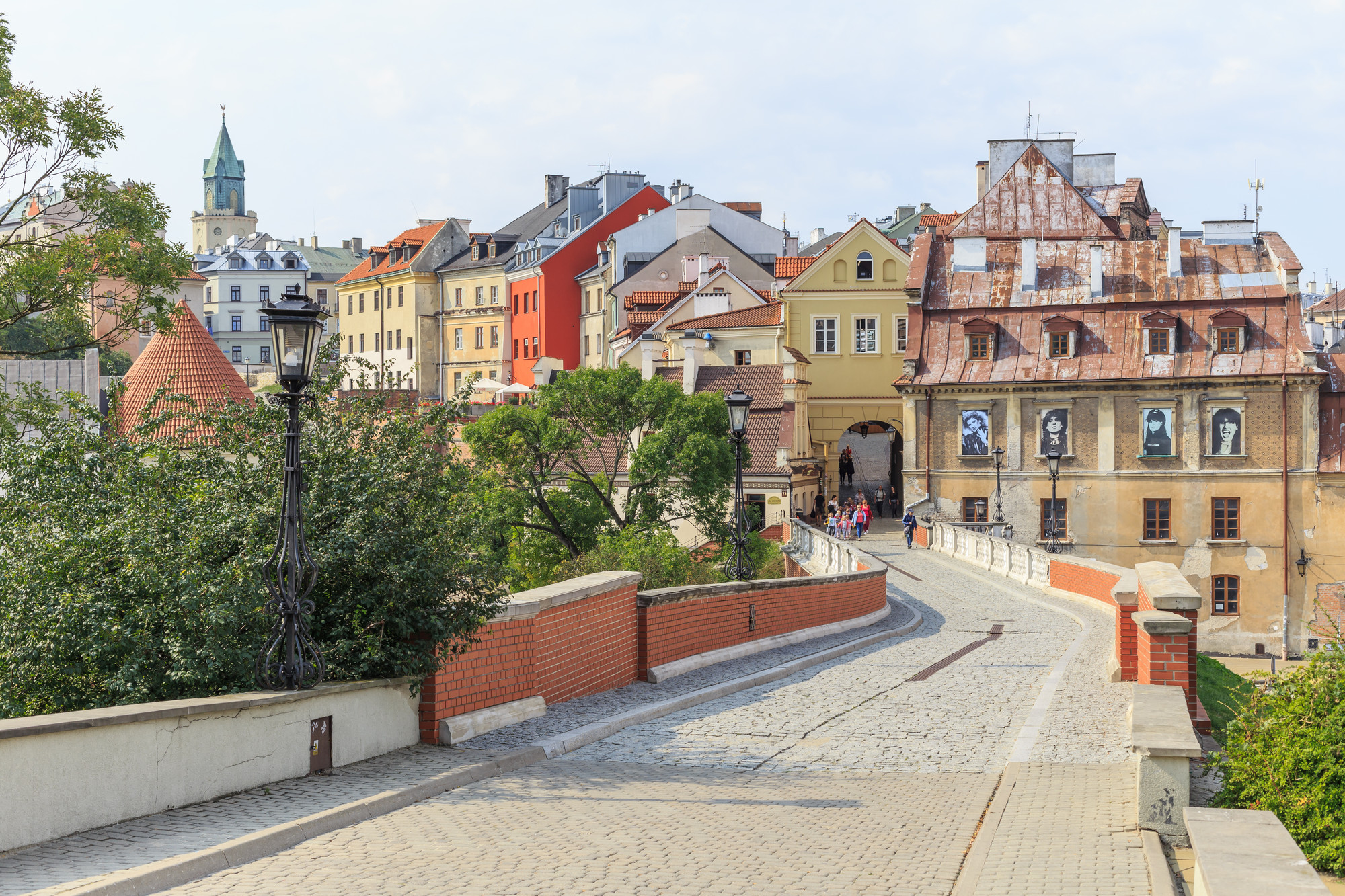
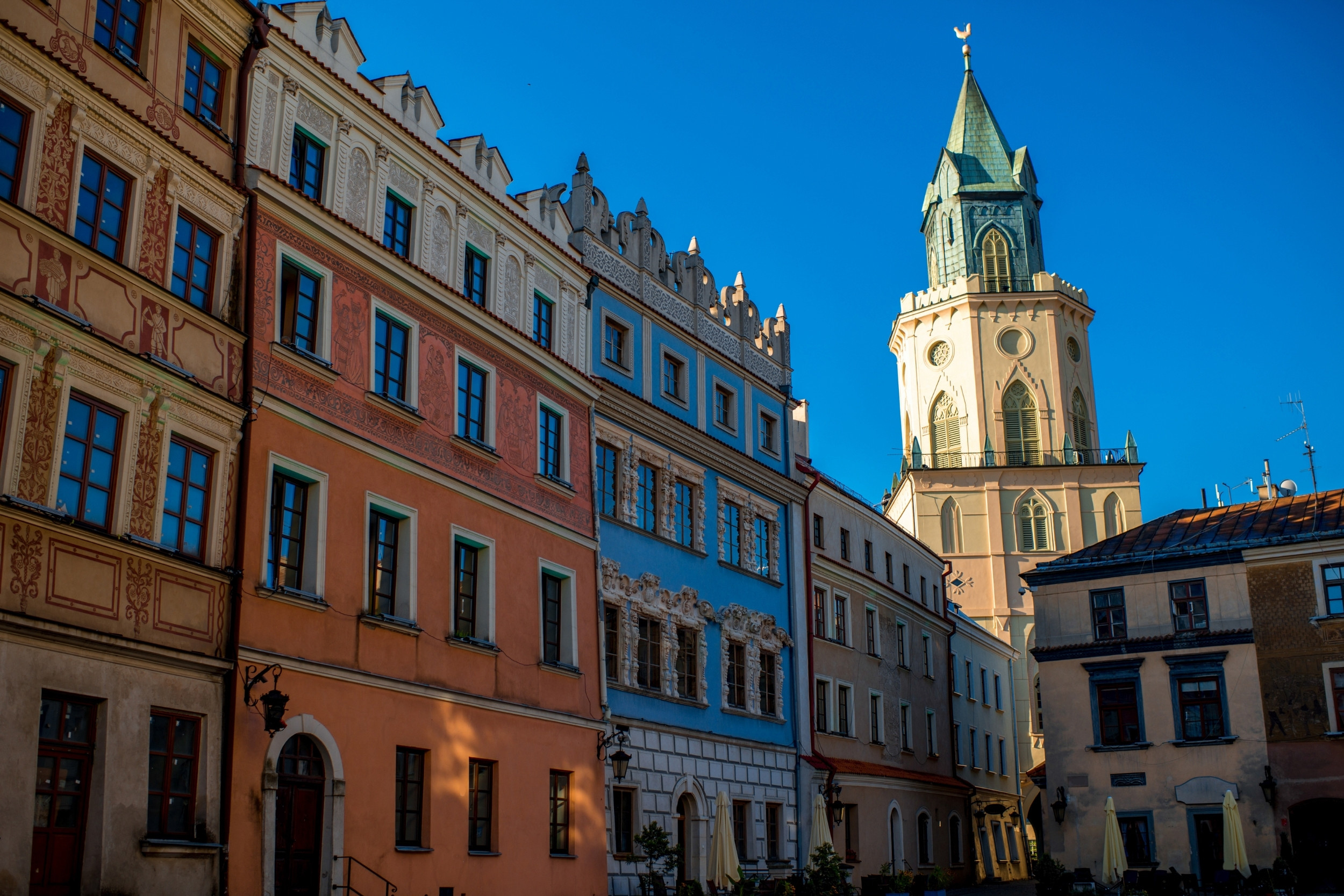
After arriving in Lublin, your first port of call should be, without any detours, a visit to the historic centre. Founded in medieval times, Lublin’s old town boasts a collage of architectural patterns, dating primarily from the late Renaissance. Other features include two 14th-century gateways, the highlight of which being the Kraków Gate - a postcard favourite. The town square houses are mostly built in renaissance style, and recent renovations have restored many of the buildings to their former glory. With a generous 70% of these structures surviving the destruction of WWII, the old town is a wonderful glimpse into old Poland, and largely free from the buskers and kebab signs that fill Poland’s more travelled hotspots. Most of the top attractions in Lublin are located within this district, if not a short walk away!
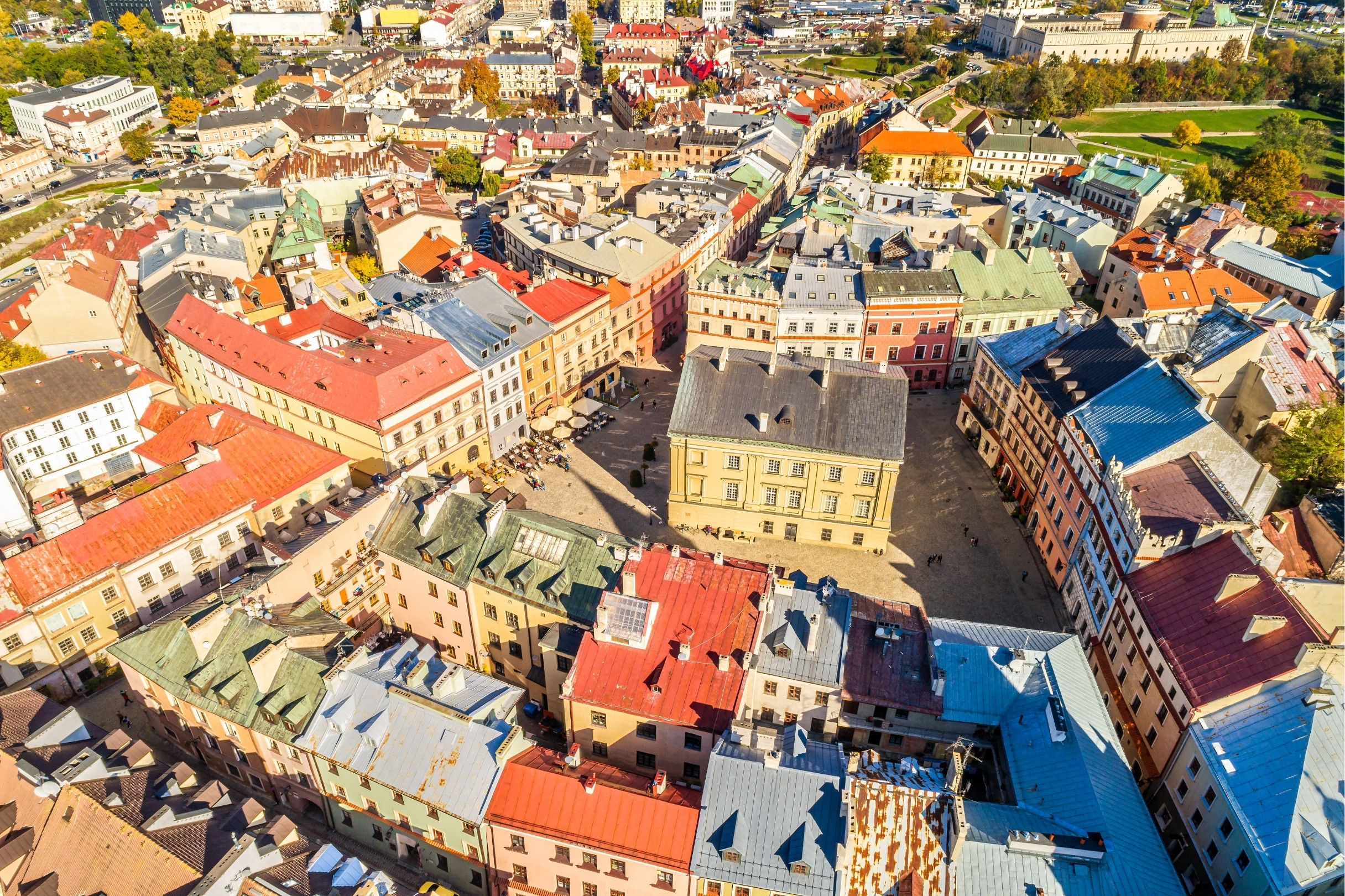
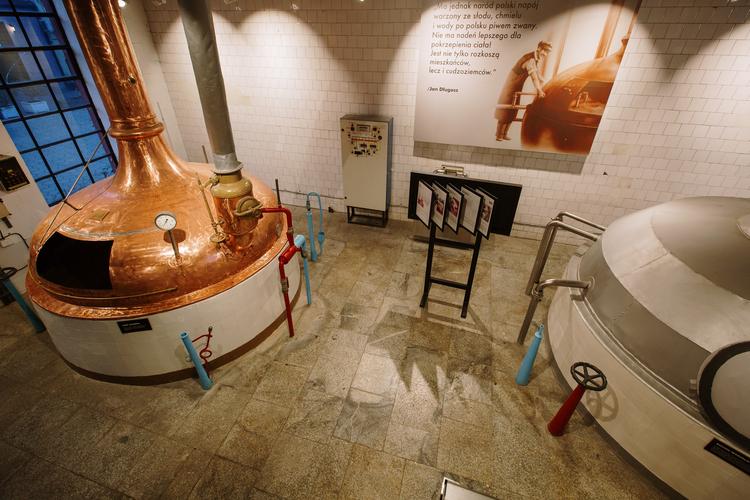
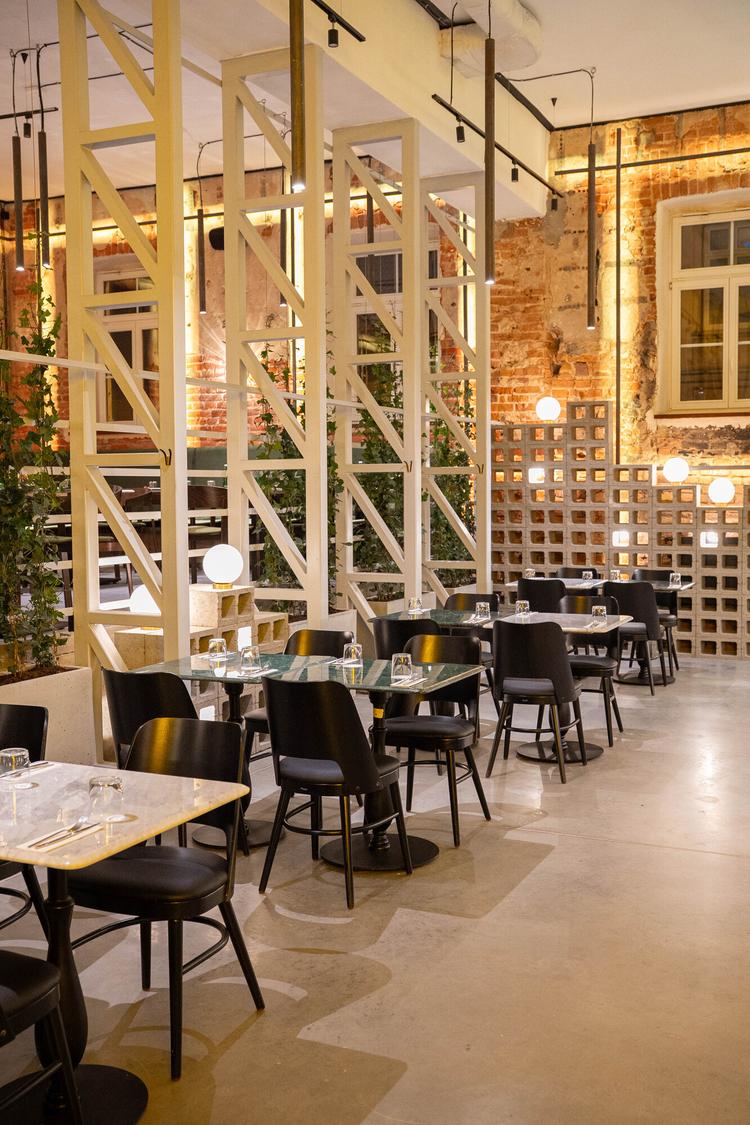
A lap around the picturesque rynek (ENG: Market Square) will reveal a number of great spots for drinking and dining. Notable mentions include Jewish cuisine at Mandragora and Słodka, a fantastic art-deco Polish restaurant called Niepospolita, and a quaint little coffee spot at Akwarela. Smack back in the middle is the Crown Tribunal Building, which is a starting point for the immensley-popular Lublin Underground Trail. Whist exploring through the narrow cobblestone laneways, you will eventually stumble across one of two imposing churches that reside within the old city limits. The first is the Dominican Basilica and Monastery at the end of ul. Złota, dated from the mid 1300s, and in possession of a fantastic painting depicting the fire of Lublin in the 18th century. A block to the south-west, the Archcathedral can be found, featuring the Trinitarian Tower that offers the best views of the old centre from above! Down towards Grodzka Gate and Lublin Castle, you can drop in at Browar Grodzki, a brewery-restaurant that offers stunning views to the east.
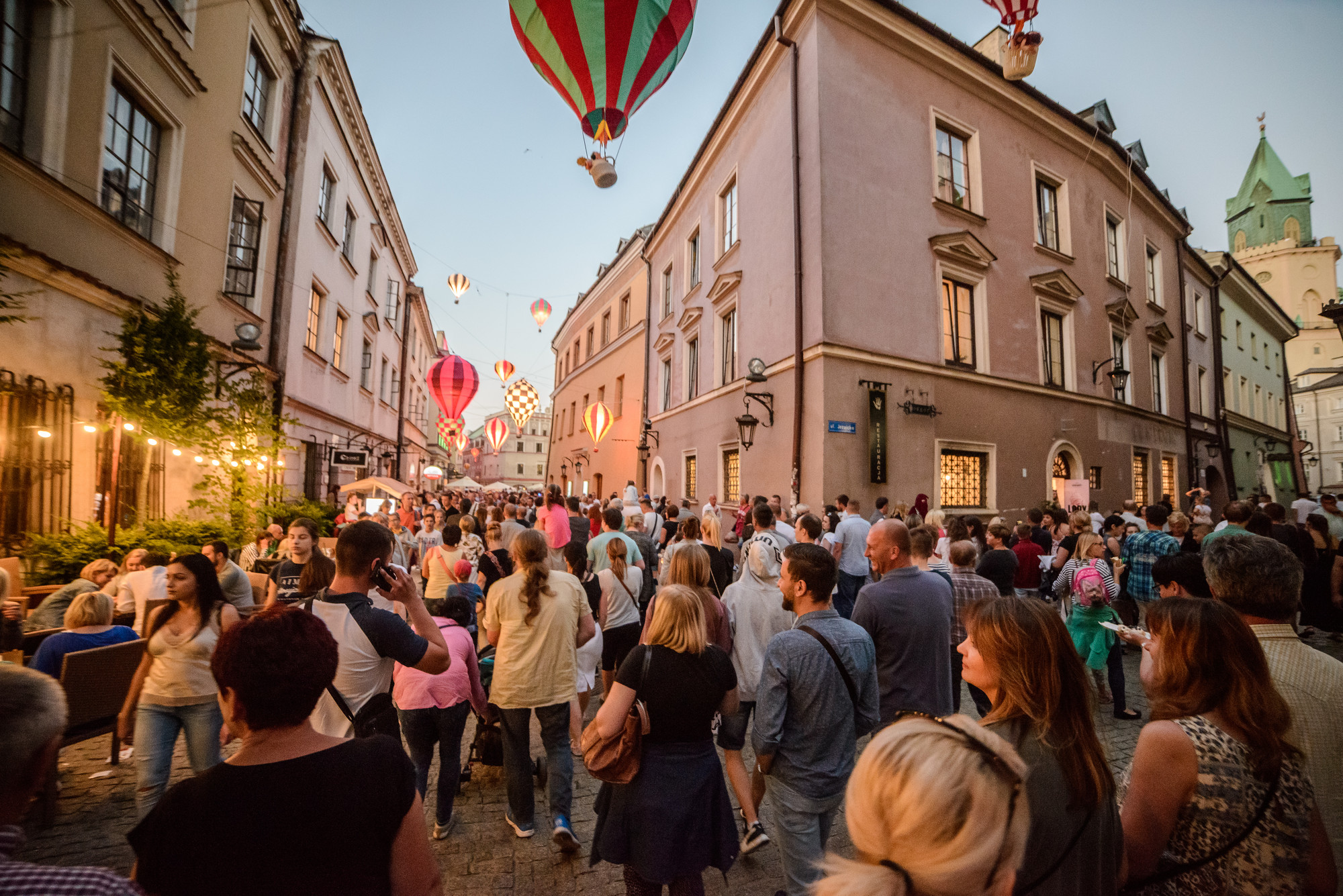
Photo by J. Scherer / Photo by the Presidential office - Marketing of the city of Lublin.
🐐 Numerous legends are associated with the old centre in general. The oldest of these is that of a three-headed dragon, known back in the day as a 'viper' who emerged from an oak grove in the Bystrzyca river valley and chose to live under the city. The viper was believed to have been responsible for bringing the rain, which was essential weather for ensuring a good harvest, as well as guarding the city from dead souls who roamed the land. Offerings to appease the three-headed beast included milk, honey and grain. Viper motifs can be found all over the city on doorfronts, and ul. Żmigród translates as Vipertown Street. 🐐 The other legend is attached to the fancy blue tenement house at Rynek 12, which was the home of Mayor Konopnica in the 16th century. His beautiful daughter, Basia, fell in love with a poor nobleman's son named Jan Rudnicki, a betrothal of which Mayor Konopnica did not approve. Rudnicki, not willing to accept Konopnica's decision, swept up Basia after mass on Christmas Eve and escaped into an oncoming blizzard. While most stories that play out like this have a tragic, ghostly ending, this one is quite the opposite - Basia and Jan Rudnicki lived happily ever after on the Rudnicki estate, despite not gaining forgiveness from old man Konopnica!