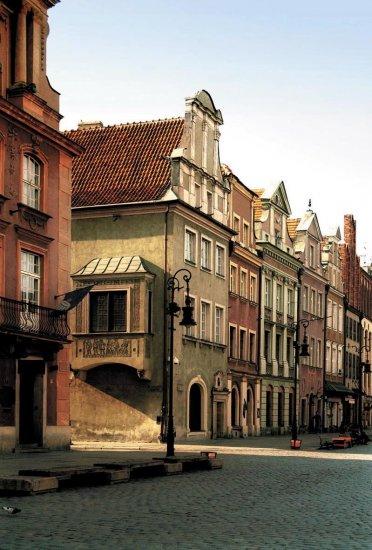
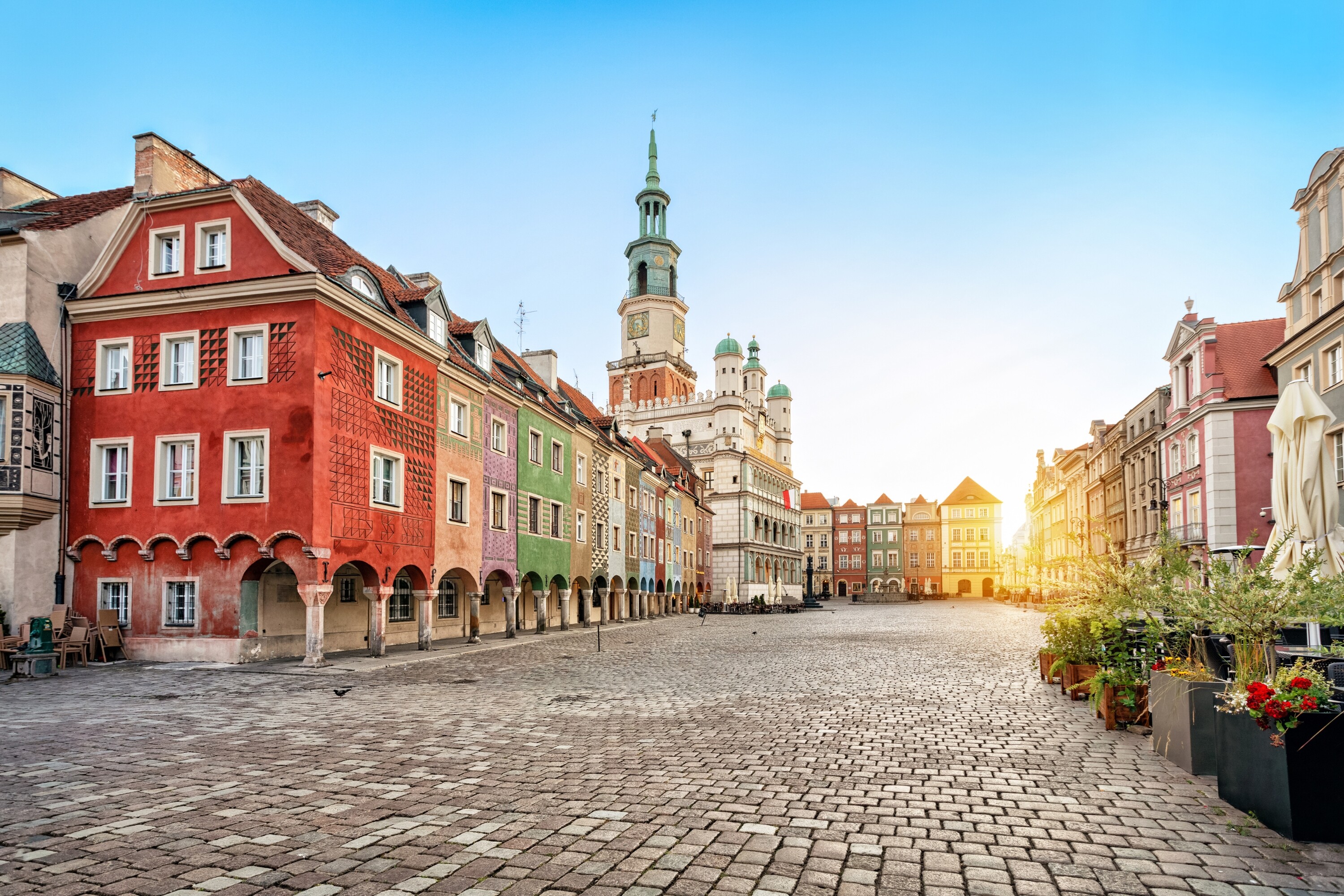
So here we are, right in the middle of this gorgeous historical city, Poznań. You're in the right place - as it happens, this lovely square isn't just a looker. Packed with monuments, landmarks, museums, and mementos from the city's rich history, it warrants more than a passing glance and smartphone pic. Faithfully reconstructed after the immense damage of WWII, the Main Square can easily take a few hours to properly explore and enjoy.
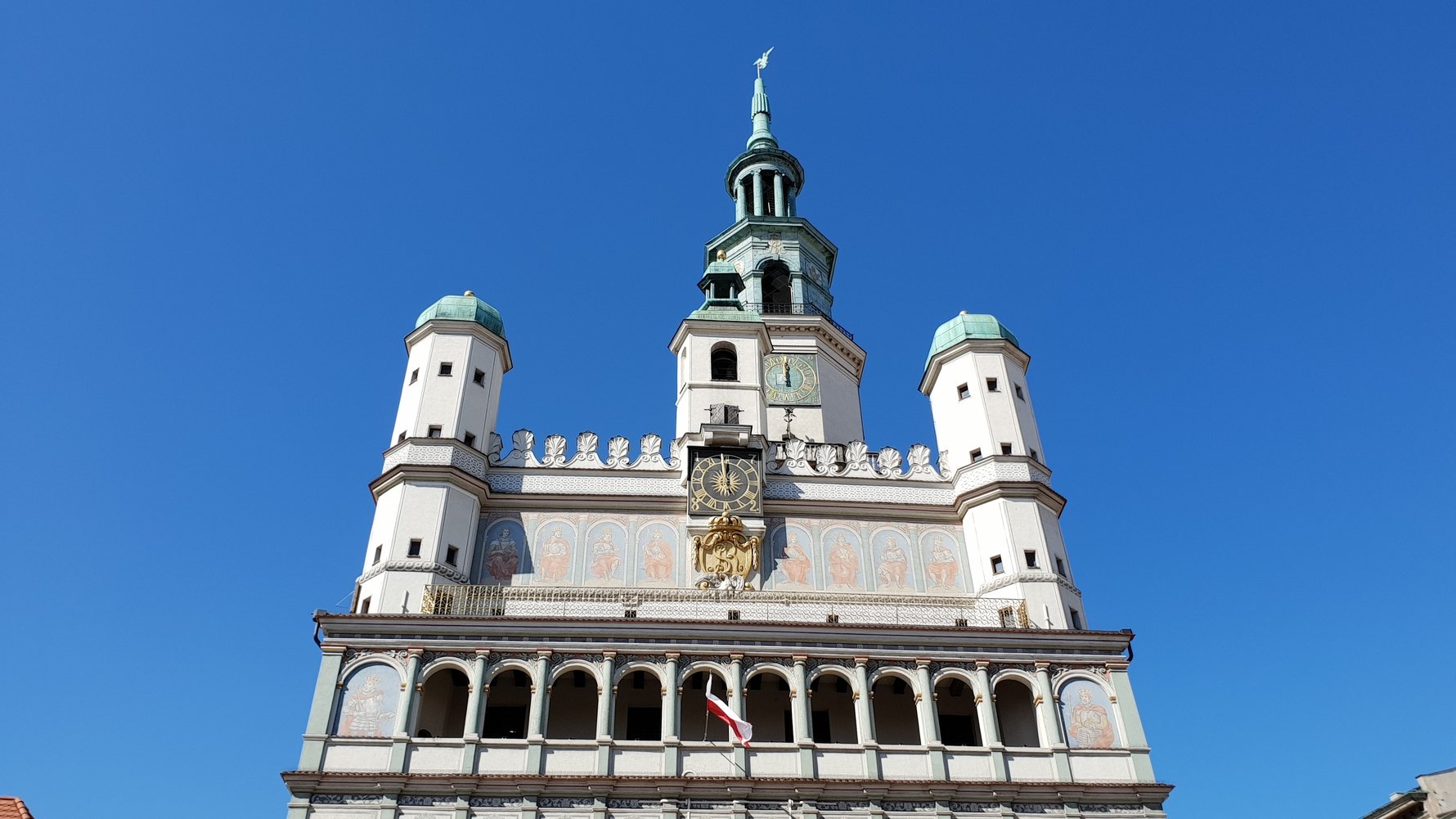
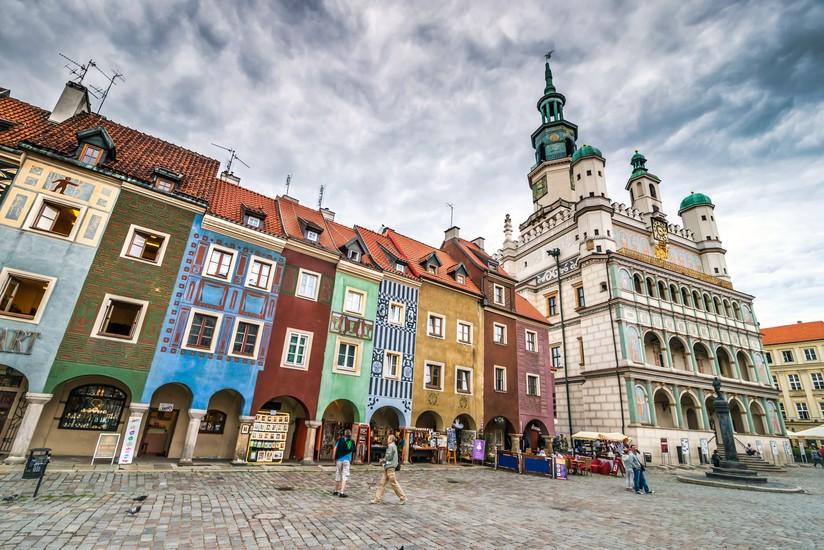
The most impressive structure on the Main Square has to be the deliciously elaborate Town Hall at its centre. First erected in the early 14th century, it truly flowered in the mid-1500s when Italian architect Giovanni Quadro of Lugano added the Renaissance loggia, attic, and classical tower, earning the structure acclaim as “the most beautiful Renaissance town hall north of the Alps”. Unfortunately, a catalogue of historic disasters - including a 1675 fire, 1725 hurricane, and WWII bomb damage - have resulted in the sad reality that today little of the original structure actually remains, though it has been faithfully rebuilt to retain its status as the city's showpiece.
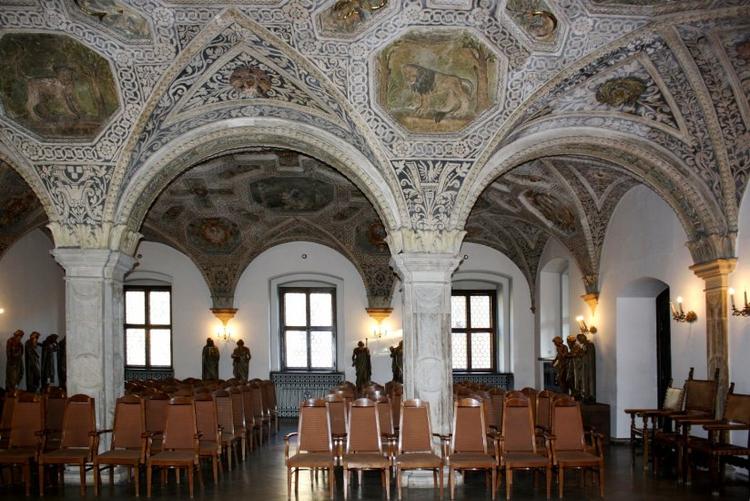
Today the Old Town Hall houses the Historical Museum of Poznań, whose collection encompasses exhibits from the 10th century till the present day. The biggest draw is the Great Entrance Hall with its elaborately decorated vault, supported by two huge pillars. The tableaux are inspired by Biblical and mythological figures. Similar decorations, including four pairs of female allegories of virtues, can be seen gracing the building’s facade.
Crowds gather outside the Town Hall each day to witness two mechanical billy goats emerge from a door above the clock at precisely noon and proceed to butt heads twelve times. Simultaneously, a trumpeter plays the town’s traditional bugle call from a balcony. The bugle call (hejnał) dates back at least to the 15th century, and the goats have been ramming heads since 1551. Replaced and restored over the years, the present pair have been at it since 1954. Of course there’s a half-baked legend to go along with them: when the clock was completed in 1511, the governor of the Poznań province was invited for the unveiling. The hapless cook preparing the celebratory feast burnt the venison, so he went out and managed to steal a pair of goats to serve instead. Alas, the goats escaped and traipsed up to the top of City Hall, where they began butting heads, amusing the collected crowd and the governor himself, who decreed they be added to the clock.
Just outside the Town Hall, near its southeast corner, you’ll find the proudly protruding Pranger, a 16th-century punishment device funded by fines placed on servant women, wet-nurses, and barmaids who dressed up too frilly or wore jewellery deemed inappropriate for their social standing (the outrage!). Topped with a severe statue of a sword-wielding executioner in a Crusader’s outfit, unlucky criminals would be chained to this octagonal column and whipped, or - if the executioner was feeling fancy or the crime warranted it - have his ears or fingers chopped off. Sadly, the contraption no longer elicits deserved fear, as evidenced by repeated vandalism by drunken students and football hooligans - an offence which would surely be more creatively punished in the Pranger’s heyday than in our current times. Luckily, the original isn’t actually in any danger, as it has long been moved to the Historical Museum and replaced with a copy.
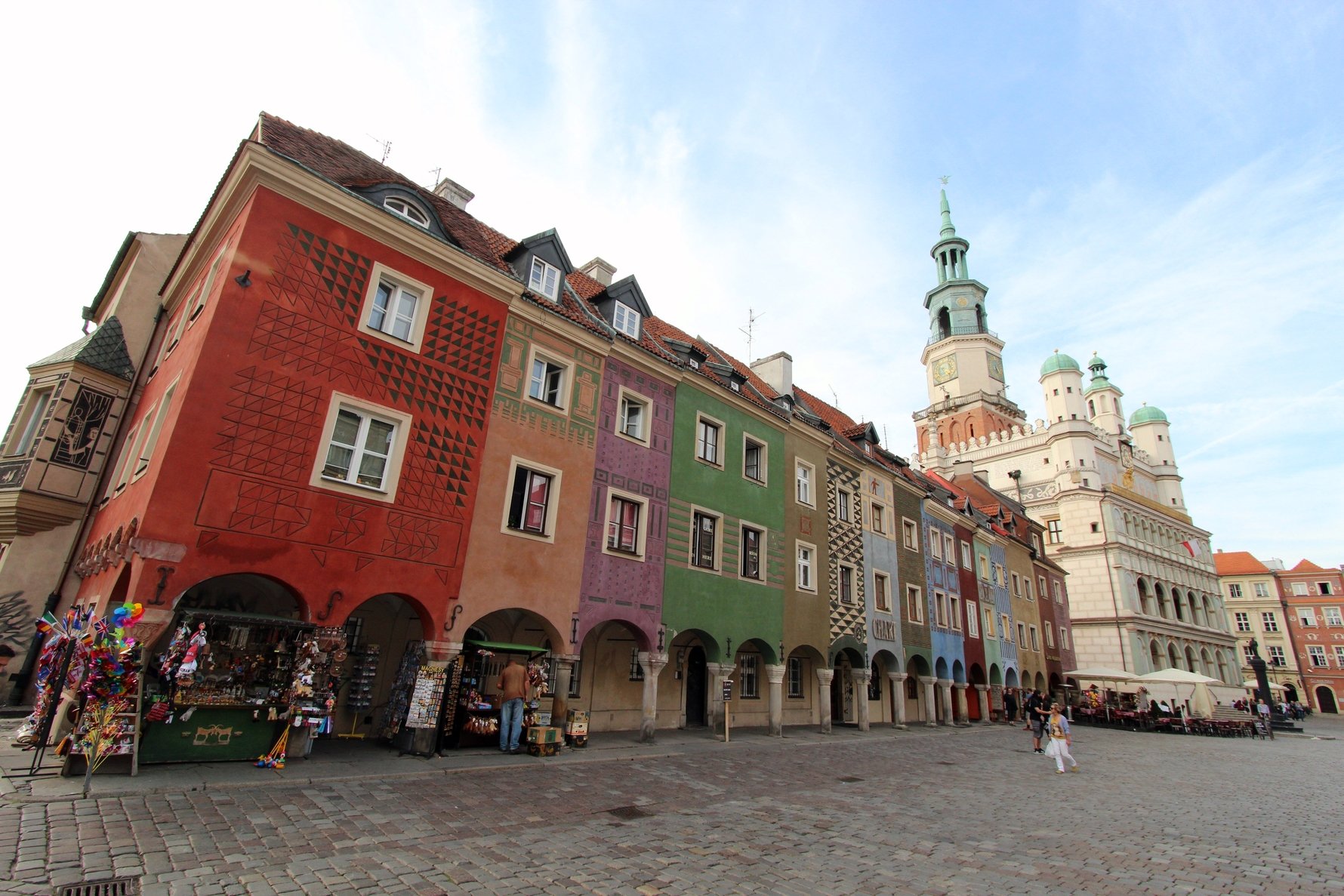
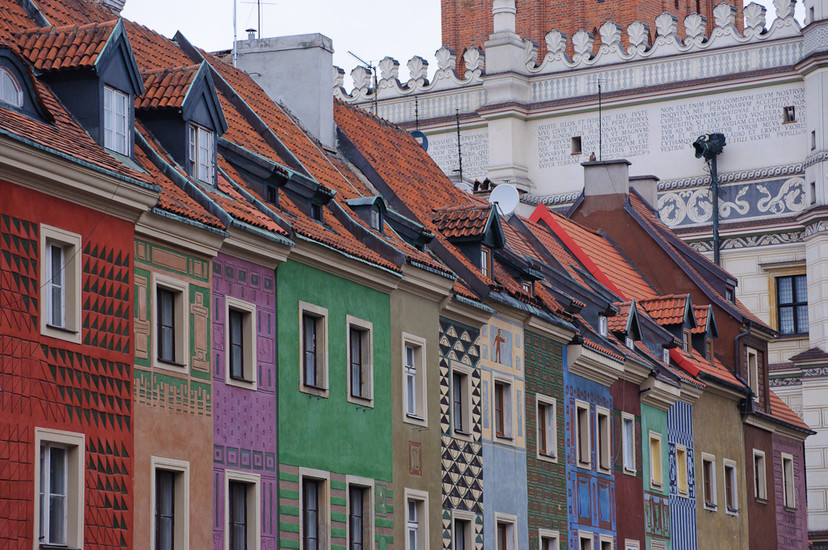
To the left of the Town Hall is perhaps the most recognisable Poznań sight: the picture-book-worthy, technicolor row of townhouses planted right in the middle of the Main Square. Originally called “herring shops” (budy śledziowe), they were home to merchants, and their arcades held fish, candle, torch, and salt stands. They were later renamed to Budnicy Houses (domki budnicze) in honour of a class of merchants known as Budnicy, whose headquarters used to operate at no. 117. Look closely and you’ll see their coat of arms on the facade: three palm trees and a herring.
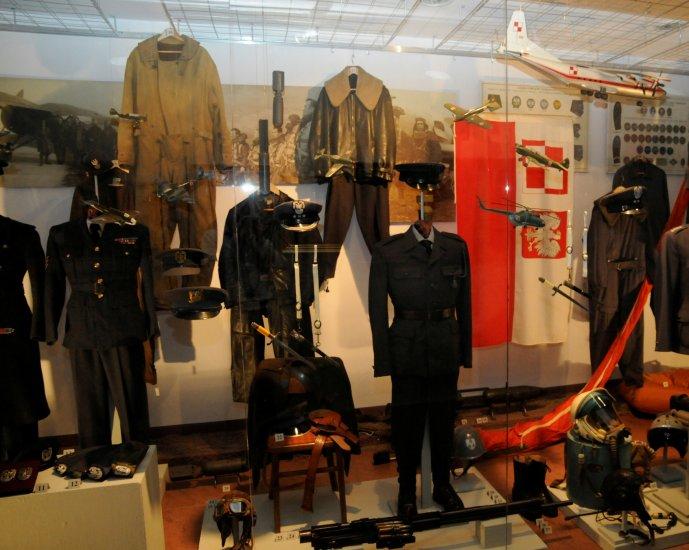
Moving clockwise around the centre of the Main Square, we come across two sad concrete carbuncles haunted by the ghost of the beautiful Cloth Hall that stood in their place before World War II. The one closer to the merchant houses is now the Wielkopolska Military Museum, while the one on the left houses Arsenał, a contemporary art gallery originally known as the Central Exhibition Bureau.
Continue clockwise, and the 18th-century police guardhouse will come into view. Originally haphazardly constructed using wood, it was redone in classicist style by Jan Chrystian Kamsetzer in 1783-1787. In the inter-war period, it served as a garrison jailhouse. Like much of the Old Town, this structure was all but levelled in the Battle of Poznań in 1945, and the building had to be reconstructed in later years, serving as the Workers’ Movement Museum during communism. It currently houses the 1818-1819 Wielkopolska Uprising Museum.