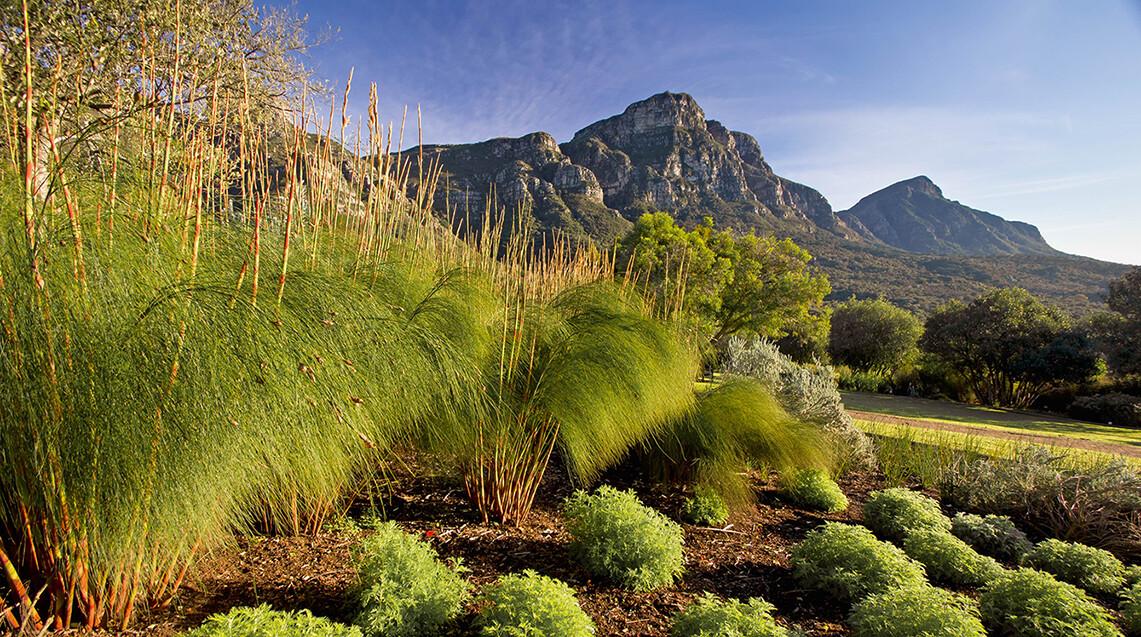
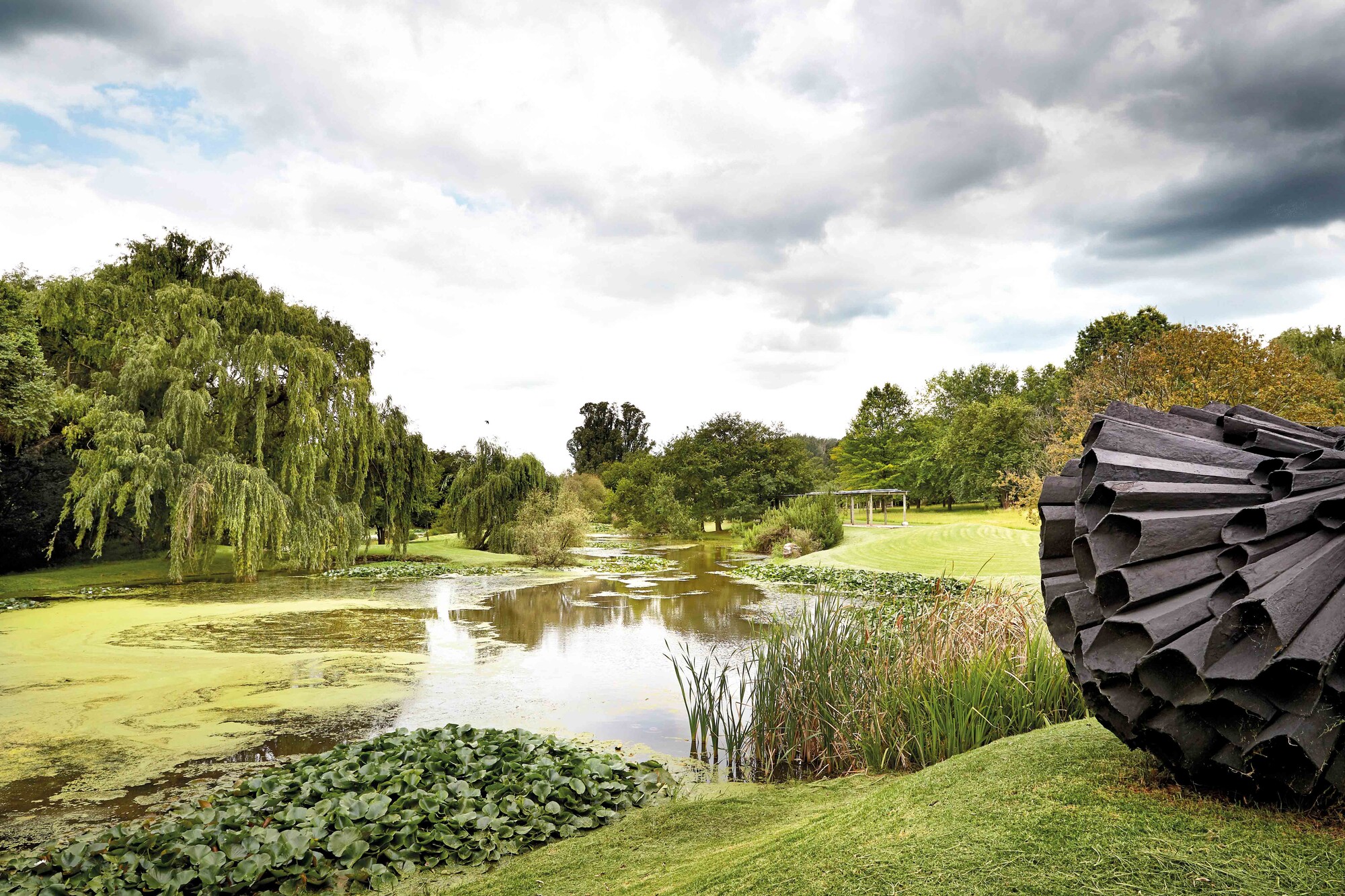
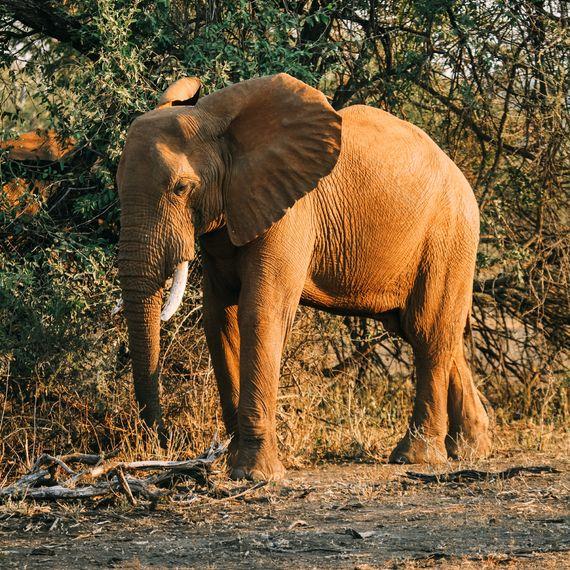
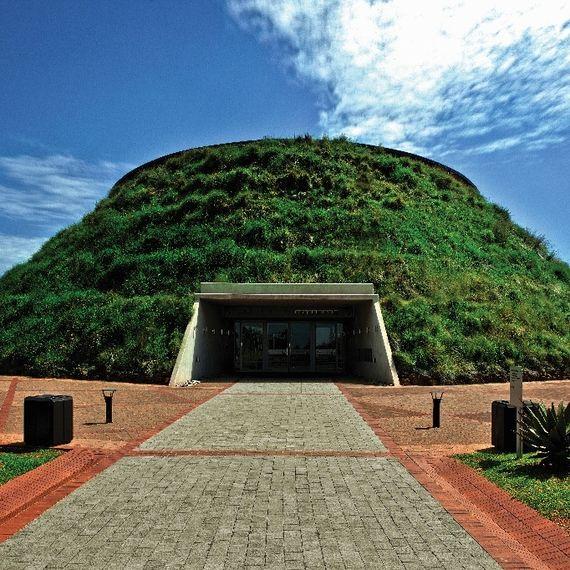
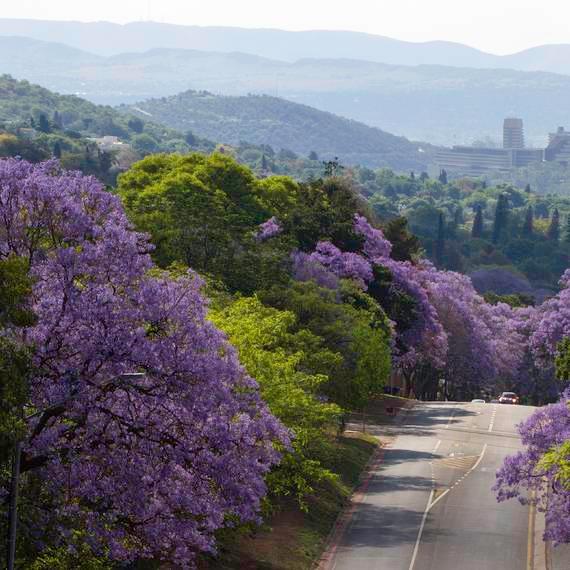
What began as a "living laboratory" for the scientific study of plants has become one of the most beautiful and popular attractions in the country in the form of Kirstenbosch National Botanical Garden , or Kirstenbosch for short. It's a property of staggering size and beauty, with an interesting history that dates back to the 19th century. Today, Kirstenbosch is one of the many wondrous properties that falls under the jurisdiction of the South African National Biodiversity Institute (SANBI).
In 1811, a botanical collector named William Burchell visited Cape Town . Inspired by the natural beauty of the area, he commented that the establishment of a botanical garden would be greatly beneficial for both scientific enquiry and the public. Of the east-facing slopes of Table Mountain, he wrote: "The beauty here displayed to the eye could scarcely be represented by the most skilful pencil."
A century later, in 1911, a professor of botany, Henry Harold Welch Pearson , along with botanist Neville Pillans and the curator of the Cape Town Municipal Gardens, George Herbert Ridley , set out to look for a site where a new botanical garden could be established. "Pearson was inspired by the country's living assets – its abundant and beautiful flora," and he campaigned for the establishment of a national botanical garden where plants could be studied in their natural habitat. They considered several sites for this ambitious project, finally settling on Kirstenbosch thanks to Burchell's initial effusive comments on the area's beauty.
"The most cherished features of Kirstenbosch are the peace, safety, and unique sense of place that the Garden evokes."
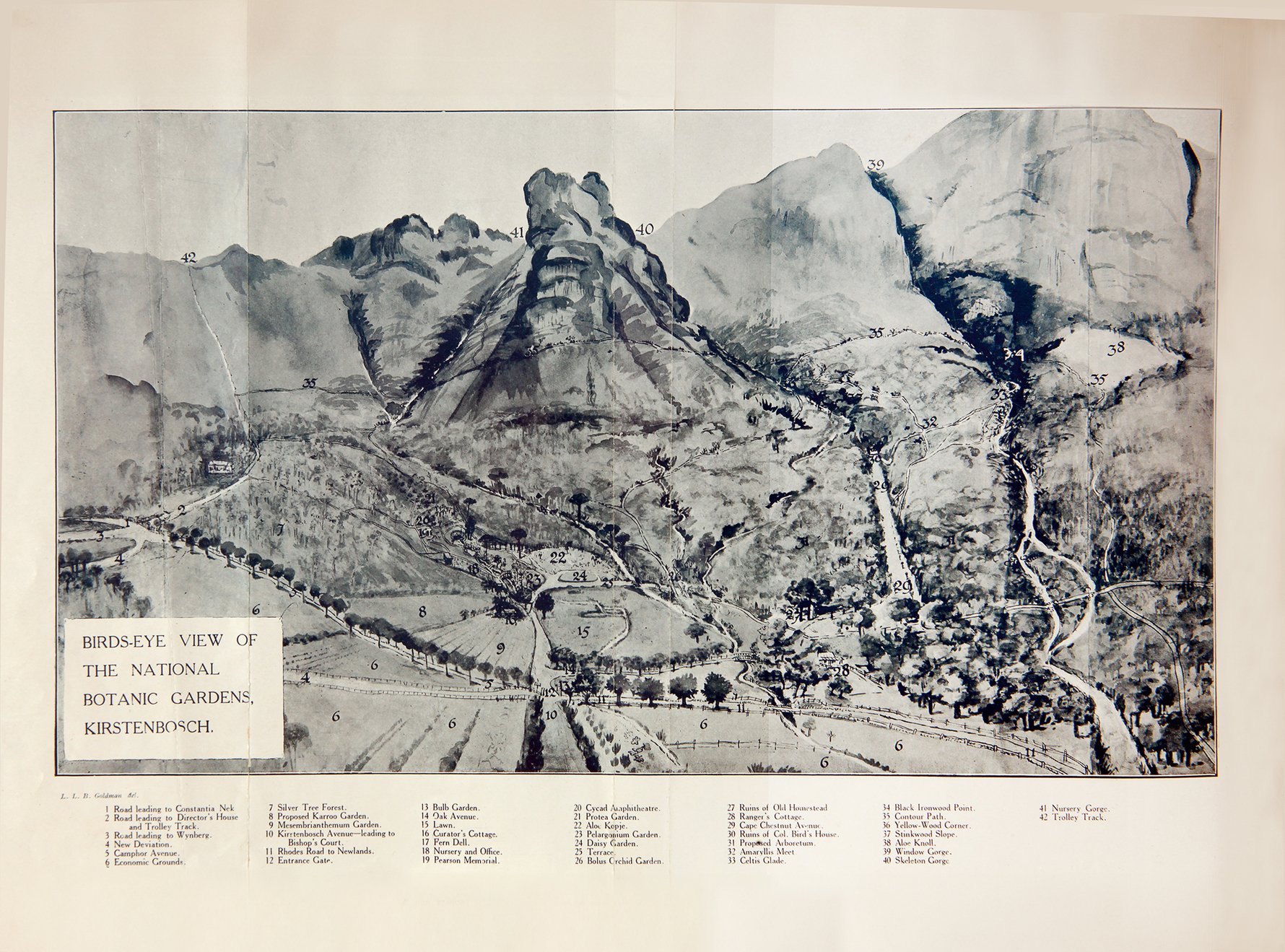
After much deliberation and contestation, Pearson's dream was finally realised in 1913, when Kirstenbosch was opened where what was then called Leendertsbos. It is notable for being the first botanical garden to focus solely on indigenous flora, and since then, it has grown dramatically in size and stature. Given the need for scientific enquiry, Kirstenbosch was developed systematically and deliberately to house its collection of an estimated 7,000 plant species. The result was an assembly of different sections, each a celebration of a different aspect of South African indigenous flora.
Today, Kirstenbosch is home to a vast array of plants, some of them more than 100 years old. However, the garden is not just a collection of plants – it is a curated, carefully designed space that satisfies the need for education, physical activity, entertainment, and the sheer joy of being in nature. "Kirstenbosch is an outdoor classroom of particular splendour" that has inspired, educated, and entertained people for more than a century.
Historical attractions
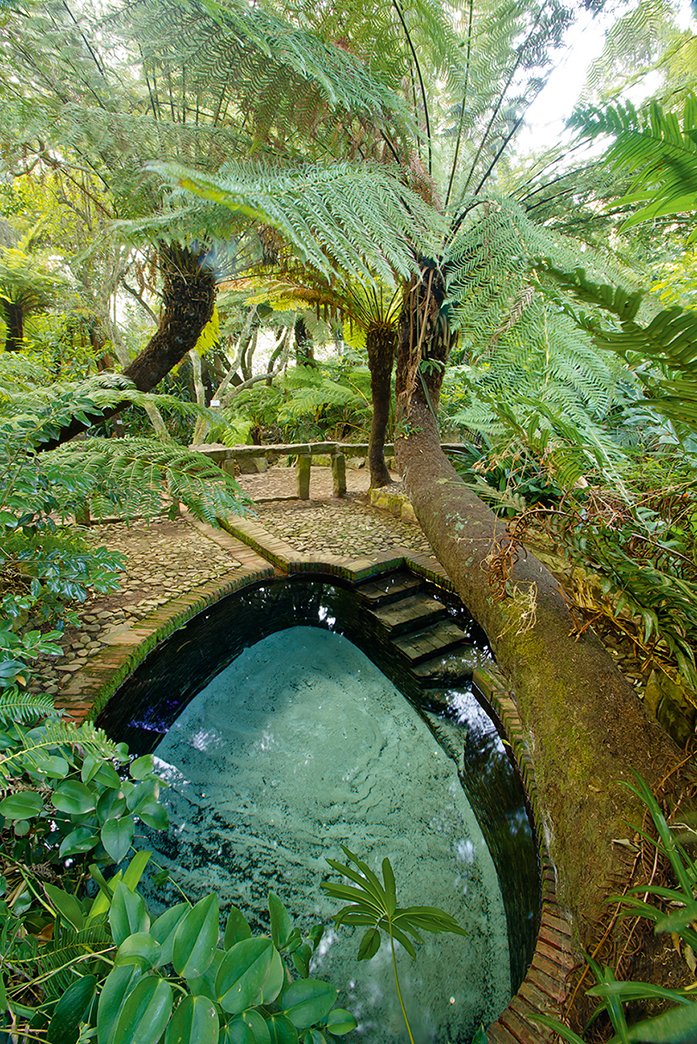
COLONEL BIRD'S BATHAt the start of the 18th century, financial constraints in South Africa's then British administration resulted in the government selling sections of land, including parts of what is now Kirstenbosch. Some of this land was bought by Colonel Christopher Bird , who, in 1811, built a small pool in the shape of a bird in the heart of Kirstenbosch. Known today as Colonel Bird's Bath , it was originally used to collect spring water. The bath is also part of a myth involving Scottish travel writer, artist and socialite Lady Anne Barnard , who, it is claimed, bathed in the pond. The water in Bird's Bath is clean to drink, making it a delightful attraction with a charming backstory.
CAMPHOR AVENUE
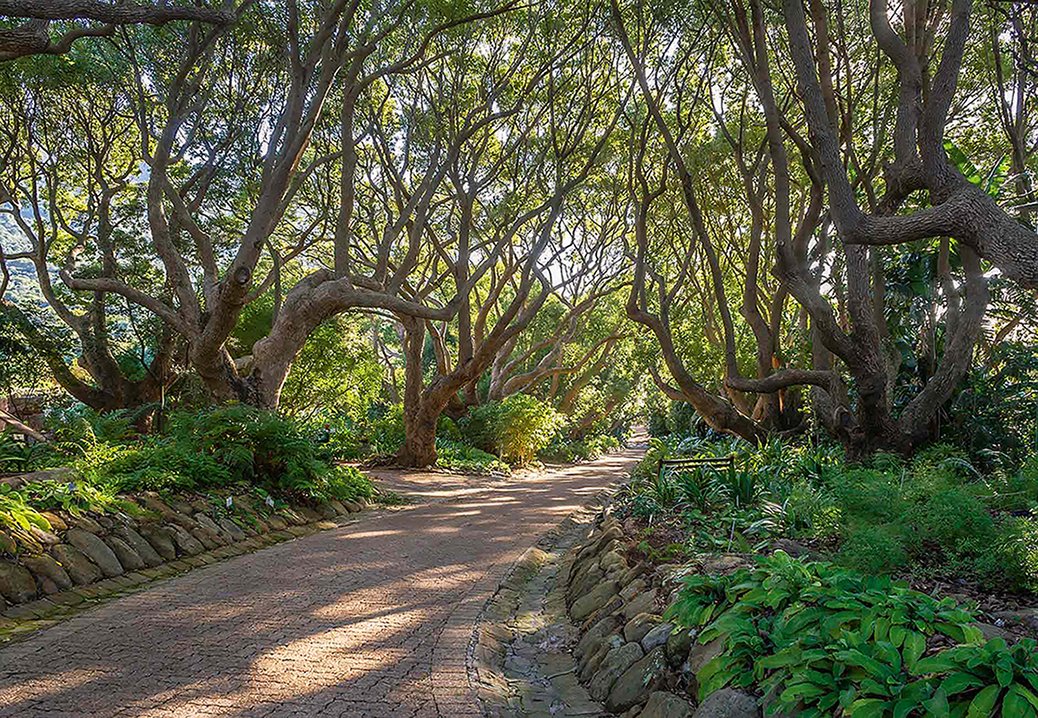
Throughout his term, then Prime Minister of the Cape Colony Cecil John Rhodes showed concern about the impact of urban development on natural environments. To protect these areas, he bought large tracts of land along the east-facing slopes of Table Mountain. The current site of Kirstenbosch was part of this land, and was left to "the united peoples of South Africa" after his death in 1902. In 1898, Rhodes planted an avenue of camphor trees on a portion of this land to provide him with shade on his rides from Groote Schuur to Constantia. Although these trees are alien species, they weren't removed when the garden was opened in 1913. They have grown into a magnificent, towering canopy that still flanks the path Rhodes travelled, and is now known as Camphor Avenue .
PEARSON'S GRAVE
Pearson's passion for botany gave South Africa, and specifically Cape Town, an exceptional legacy. Thanks to his dedication to the scientific study of indigenous flora, the country has a rich network of institutions and gardens that attract visitors from all over the world. "What made his vision of a new botanic garden so different from others around the globe was his emphasis on the study and preservation of the country's indigenous flora," and this vision won him several awards during his career. When Pearson died in 1916, he was buried on a knoll overlooking his beloved collection of cycads. The site, now backed by an enormous Atlas cedar, is known as Pearson's Grave , and has fittingly been inscribed with the words, "If ye seek his monument, look around you."
Trails and tracks
SILVERTREE TRAIL
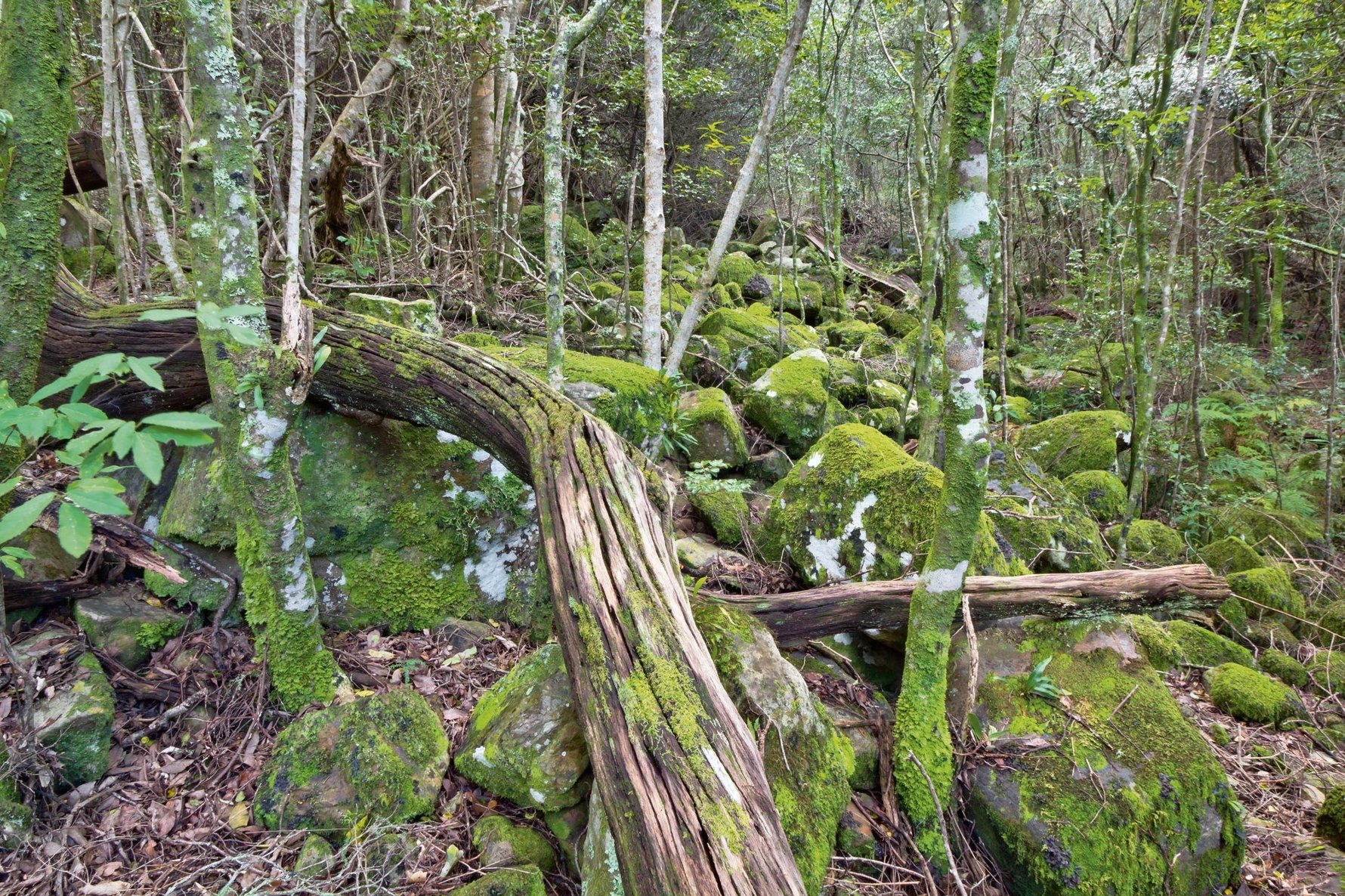
Whether you're an avid hiker or someone who enjoys a casual stroll, Kirstenbosch has trails to satisfy all needs. A favourite among these is Silvertree Trail, a 7,75km circular walk that crosses the entire length of Kirstenbosch. The trail borders the Afrotemperate forest of Table Mountain, which used to be home to entire forests of shimmering silver trees, a species that can only be found in a small area of the Cape Peninsula.
Sadly, the mid-1600s saw an increased demand for timber, leading to vast tracts of forest being cut down. In 1657, carpenter and sawyer Leendert Cornelissen was charged with protecting these forests. This part of the forest became known as Leendertsbos, and Cornelissen became the first curator of what became Kirstenbosch. Thanks to his "debauched" behaviour (which included "drinking, celebrating, fighting, brawling, [and] swearing"), Cornelissen's career as curator didn't last very long. Nevertheless, his efforts established the practice of formal conservation efforts in South Africa.
Today, Kirstenbosch, in collaboration with the Botanical Society of South Africa, Table Mountain National Park (TMNP), the Forestry and Agricultural Biotechnology Institute (FABI), and SANBI has launched a project to help save the silver tree.
YELLOWWOOD, STINKWOOD, AND BOEKENHOUT TRAILS
The conservation efforts initiated by Cornelissen were further solidified in 1658, when Jan van Riebeeck proclaimed that yellowwood trees were not to be cut down, "no matter under what pretext". Yellowwood trees grow slowly and a popular timber tree, the combination of which drastically reduced the country's tree population. They are also the national tree of South Africa, and the forests of Kirstenbosch are known for their large yellowwoods. Whether you're a flora enthusiast or simply enjoy being in the forest, the 3km-long Yellowwood Trail is a beautiful showcase of these magnificent trees.
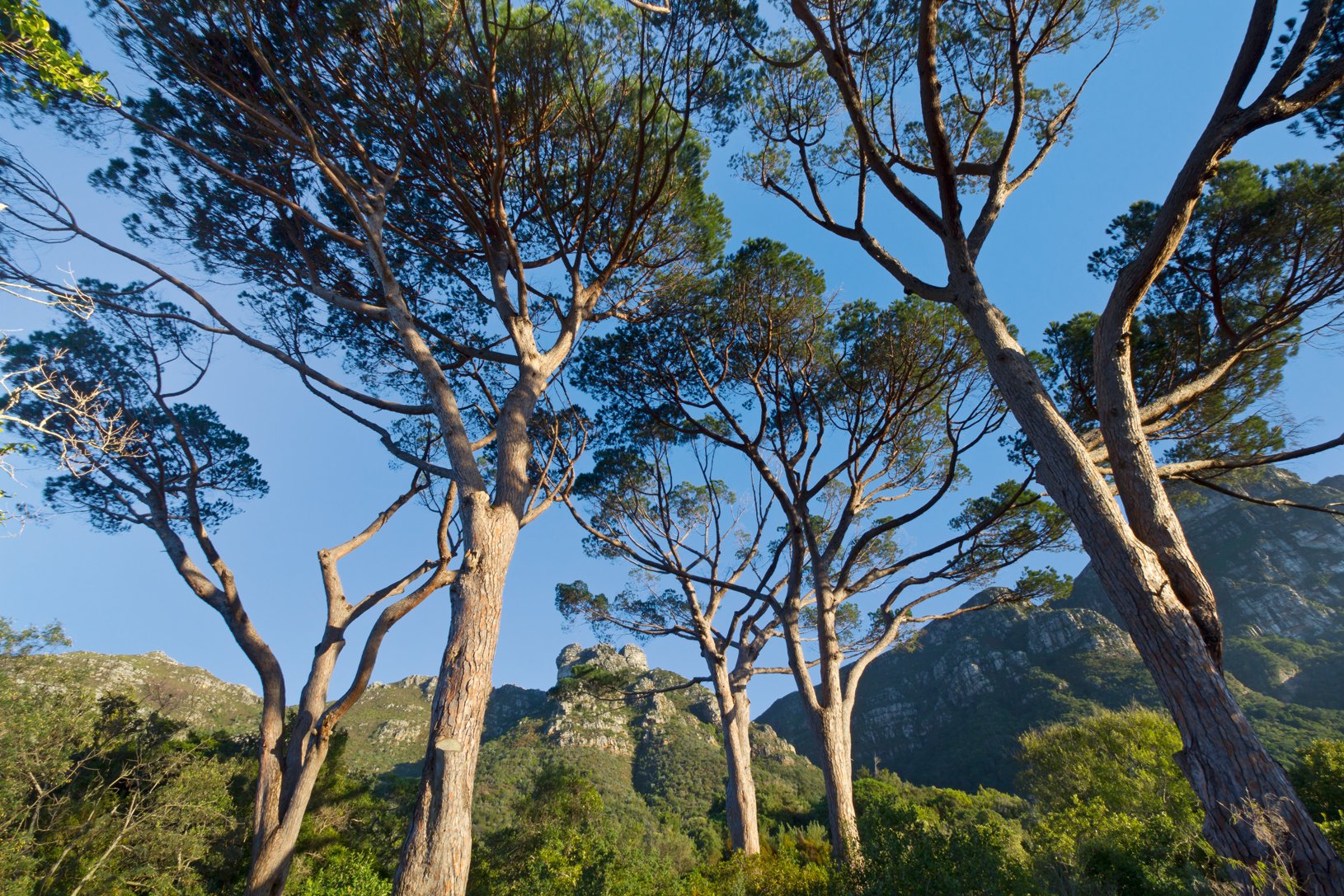
Another popular (and therefore scarce) timber tree is stinkwood, which can be found on the 1,5km-long Stinkwood Trail that traverses the oldest part of the forest. If you are pressed for time, the 650m Boekenhout Trail is ideal for a quick view of the mountain. This trail includes alien plants such as stone pines, which were planted in the 19th century, and is an example of the "tolerant approach" taken by botanists when the garden was first designed in 1913.
BRAILLE TRAIL
Another interesting feature of Kirstenbosch is the Braille Trail , which is a short 450m-long trail designed to give people who cannot see the opportunity to explore the forest without assistance. With its mulched pathway, braille signposts, plentiful birds and frogs, and fragrant plants, it is a feast for the senses.
SKELETON GORGE AND NURSERY RAVINE
For the more ambitious hiker, there are several longer trail options on Table Mountain. The mountain can be accessed through Kirstenbosch along Skeleton Gorge or Nursery Ravine . Fine examples of Afrotemperate forests, great efforts have been made to conserve these areas. Sadly, despite these efforts, the dense canopy of trees was greatly diminished by the end of the 18th century. Although it will take many years to replace the mighty trees that once stood here, restoration efforts are ongoing and have been relatively successful. Keep in mind that both these trails are incredibly steep, and Skeleton Gorge includes a short scramble to get to the top.
FYNBOS WALK
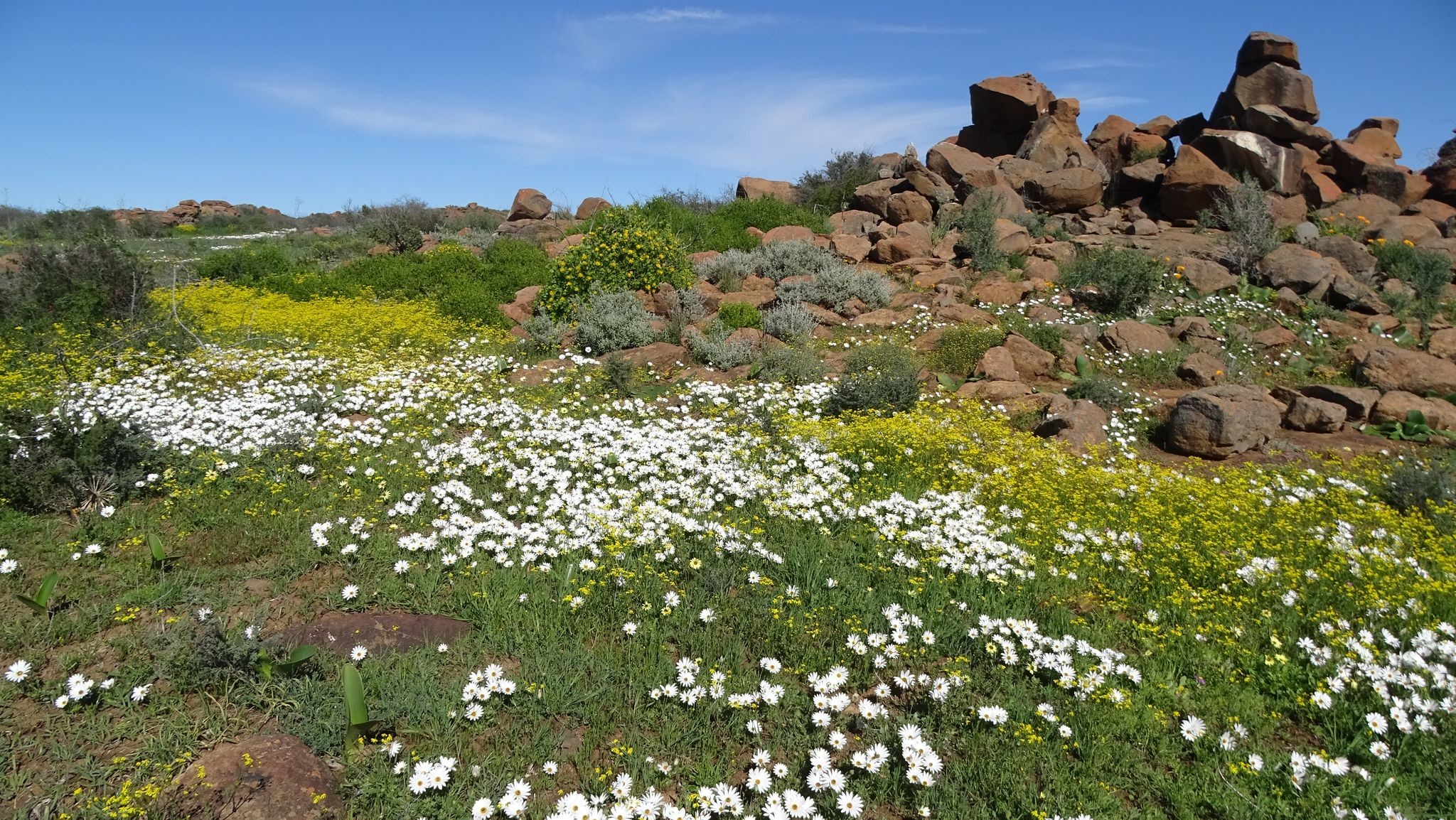
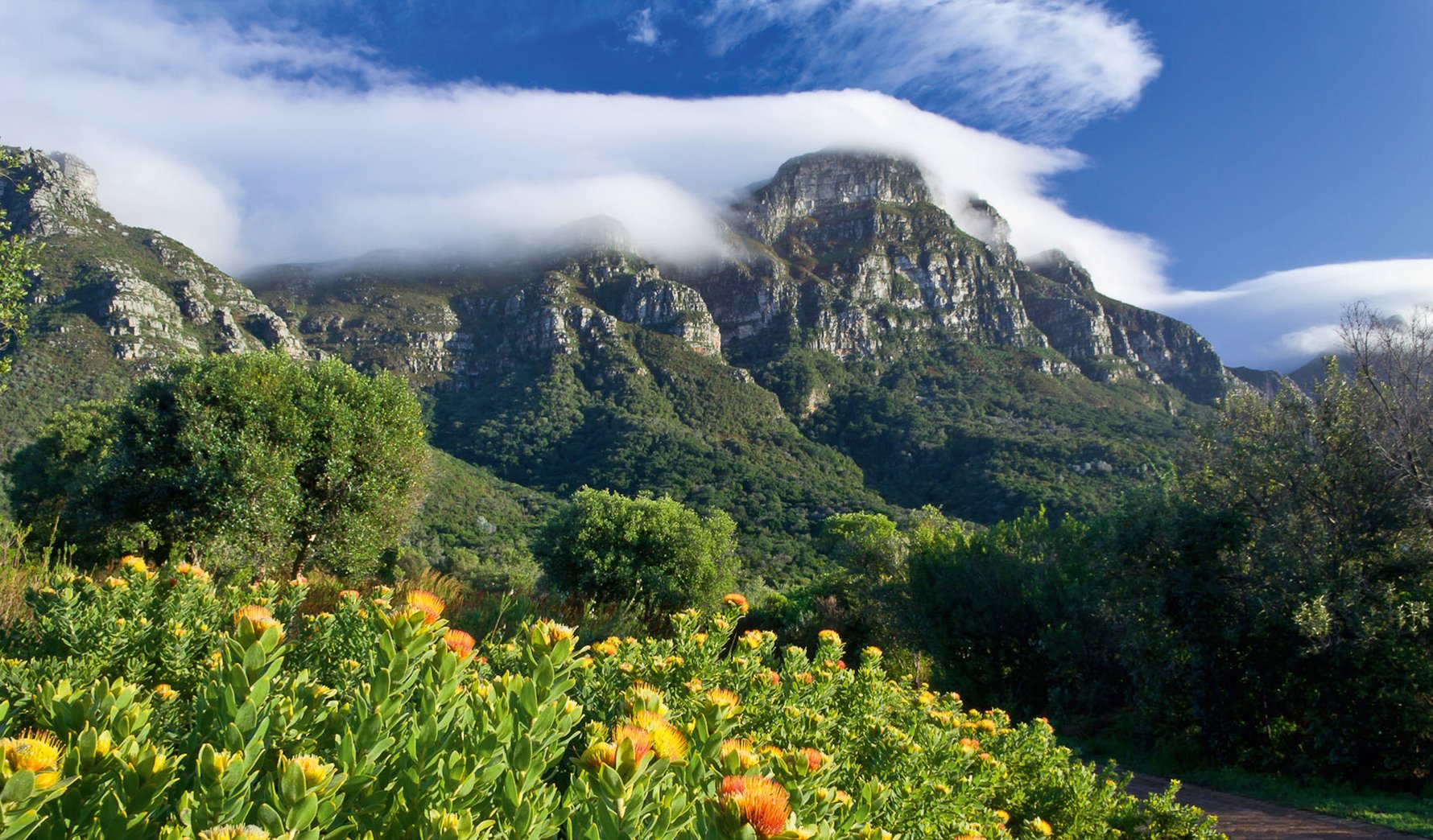
Fynbos is a uniquely South African biome found only in the Western and Eastern Cape. With its focus on indigenous flora, it is no surprise that this vegetation has a special place in Kirstenbosch. It is estimated that there are more than 8,500 species of fynbos, many of which can be found in Kirstenbosch. The Fynbos Walk meanders through the several gardens dedicated to different fynbos species (see more below), and also crosses the highest points of the garden from where you can see Table Mountain, some of the suburbs of Cape Town, and the Hottentots Holland Mountains.
MARY MULLINS WALKWAY
In the 1990s, the establishment of the National Botanical Institute (NBI) indicated that a new era had arrived in South African plant history. The NBI had ambitious goals, one of them being "to become a world leader in the development of botanical gardens, in plant conservation and education, and in botanical research".