Zurich has a reputation problem, and the reputation is wrong. Finance capital of one of the world's wealthiest countries, home to the suits and the Swiss bank accounts – the assumption is that it must be sterile, expensive and dull. It is certainly expensive. The rest, however, is nonsense. Zurich is a genuinely world-class city that somehow packs the cultural weight of somewhere three times its size into a compact, walkable, lake-fringed package. A medieval old town, one of Europe's great art museums, a counterculture district that emerged from the ruins of industrial decline, and a lake so clean you can swim in it in the middle of summer: this is not a city that is merely tolerated on the way to the mountains. It is a destination in its own right.
What follows is our pick of the city's essential attractions. We haven't included everything – Zurich rewards wandering, and half the pleasure is in the finding – but this will get you started.
The natural starting point, and one that earns its status rather than simply demanding it. Zurich's Altstadt spreads across both banks of the River Limmat and is divided, loosely, into the quieter left-bank quarter around Lindenhof and the livelier right-bank lanes of Niederdorf. Both repay serious exploration on foot. The streets are narrow, the buildings are beautifully preserved, and the whole thing has an ease about it that sets it apart from the more relentlessly touristic old towns of other European cities. Spend a morning getting properly lost in here before you do anything else.
Grossmünster
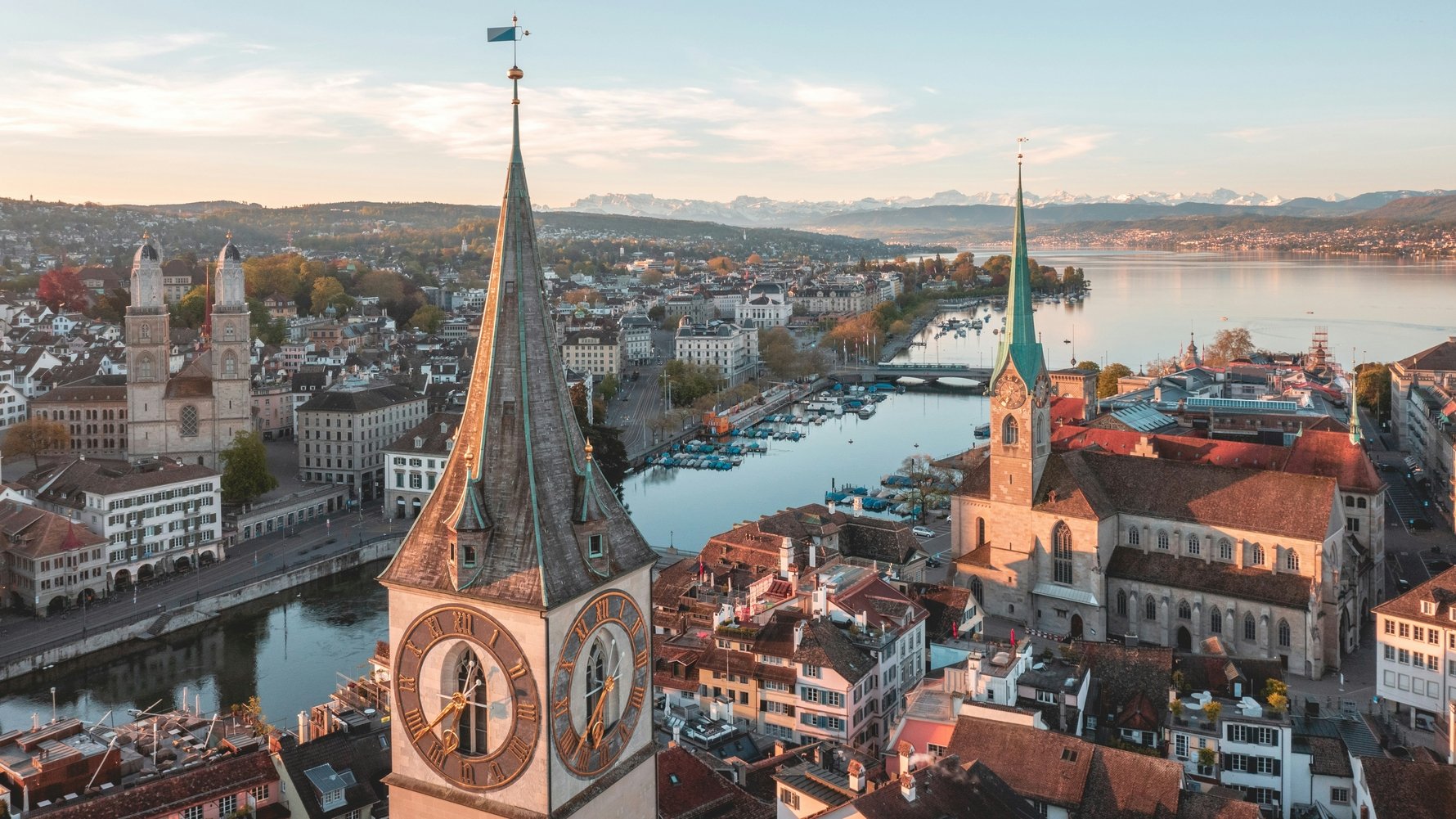
The twin Romanesque towers of the Grossmünster are Zurich's most recognisable landmark, rising above the right bank of the Limmat with the quiet authority of something that has been here since the 12th century – because it has. It is also, for the historically inclined, a site of genuine significance: it was from the Grossmünster that Ulrich Zwingli launched the Swiss Reformation in the 1520s, an event that sent shockwaves across Europe and, indirectly, reshaped the modern world. The interior is austere by Catholic standards (Zwingli wasn't keen on decoration), but climb the Karlsturm for sweeping views over the city and you'll forgive the lack of frescoes immediately.
Fraumünster
Directly across the Limmat from the Grossmünster, and its stylistic opposite in almost every way. The Fraumünster is distinguished above all by its extraordinary stained-glass windows, five of them designed by Marc Chagall in the 1970s and a sixth – in the transept – by Augusto Giacometti. The Chagall windows in particular are remarkable: luminous, dreamily surreal, and worth the entrance fee several times over. The church dates to the 9th century, though the green copper spire that punctuates the Zurich skyline is a more recent addition. Go in the morning when the light comes through the windows at its best.
Lindenhof
A small hilltop park in the heart of the old town, and the site of Zurich's Roman origins – this was a customs post on the Rhine frontier as far back as the 1st century AD. Today it is considerably more peaceful: a tree-shaded square where locals play oversized chess and visitors catch their breath and take in one of the better views in the city. It costs nothing, it takes fifteen minutes, and it is exactly the kind of thing Zurich does effortlessly well. A perfect interlude between churches.
Kunsthaus Zürich
Switzerland's largest art museum, and one of the most important in Europe – a claim that causes Zurich some mild embarrassment given how rarely it makes it into the conversation. The permanent collection alone runs to Monet, Picasso, Kandinsky, Van Gogh, and the largest collection of Edvard Munch outside Norway. The Swiss rooms are particularly strong: Ferdinand Hodler, Giacometti (both Alberto and Augusto), and a substantial Dadaist section in homage to Zurich's role as the birthplace of that peculiarly Swiss contribution to chaos. A major new wing designed by David Chipperfield opened in 2021, doubling the space and adding a serious contemporary art programme. Allow a full half-day at minimum.
The Swiss National Museum (Landesmuseum Zürich)
The building alone is worth a visit: a gloriously overstated late-19th-century confection that looks like someone designed a castle by committee, with turrets, towers and arched windows competing for attention in a way that somehow works. Inside, it is the country's largest collection of Swiss cultural history, covering everything from the medieval period through to the present day. The archaeology rooms are particularly good, and the temporary exhibitions tend to be more adventurous than the staid exterior might suggest. It sits immediately next to the main train station, which makes it an almost irresistible first stop.
Lake Zurich
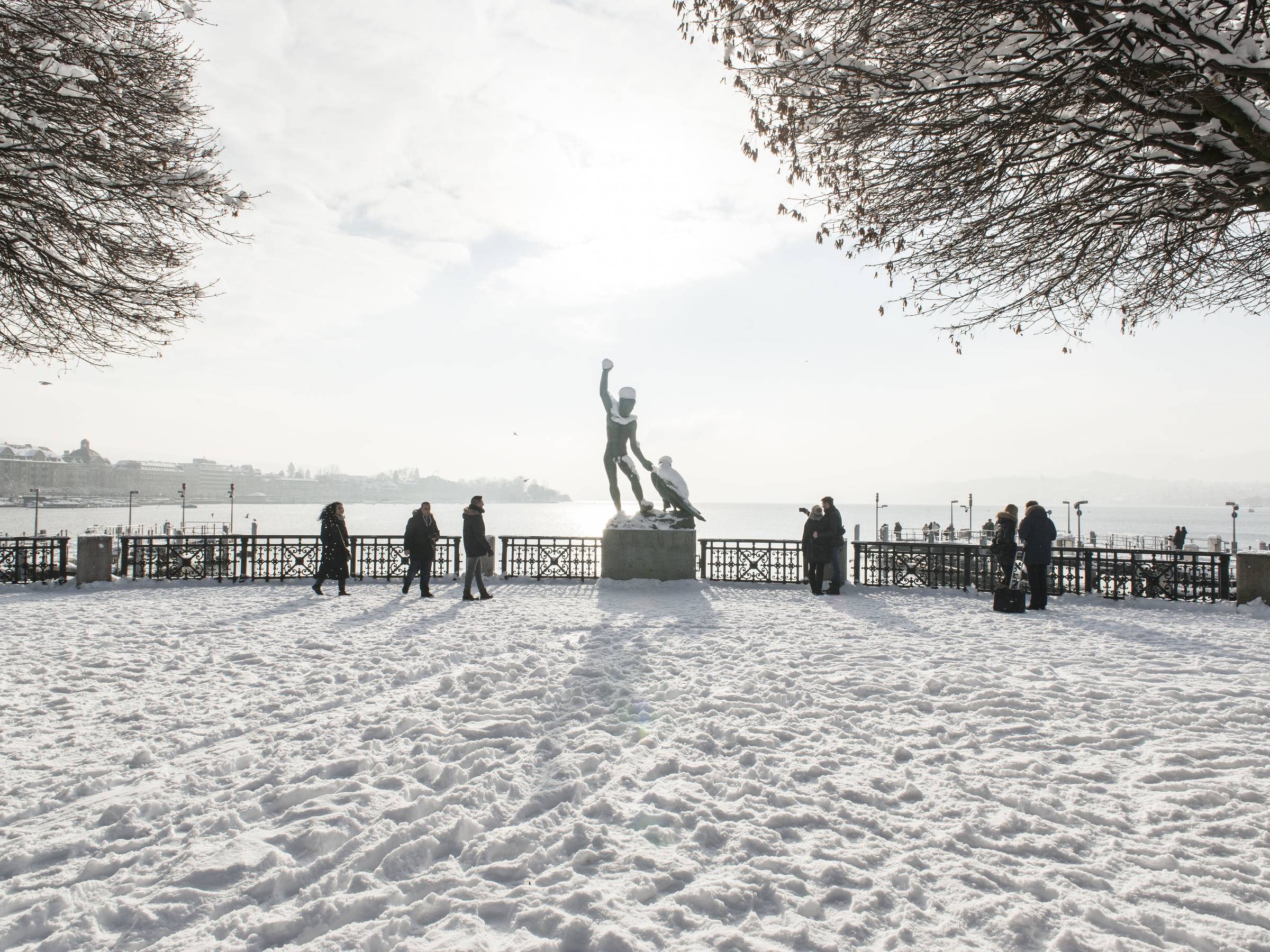
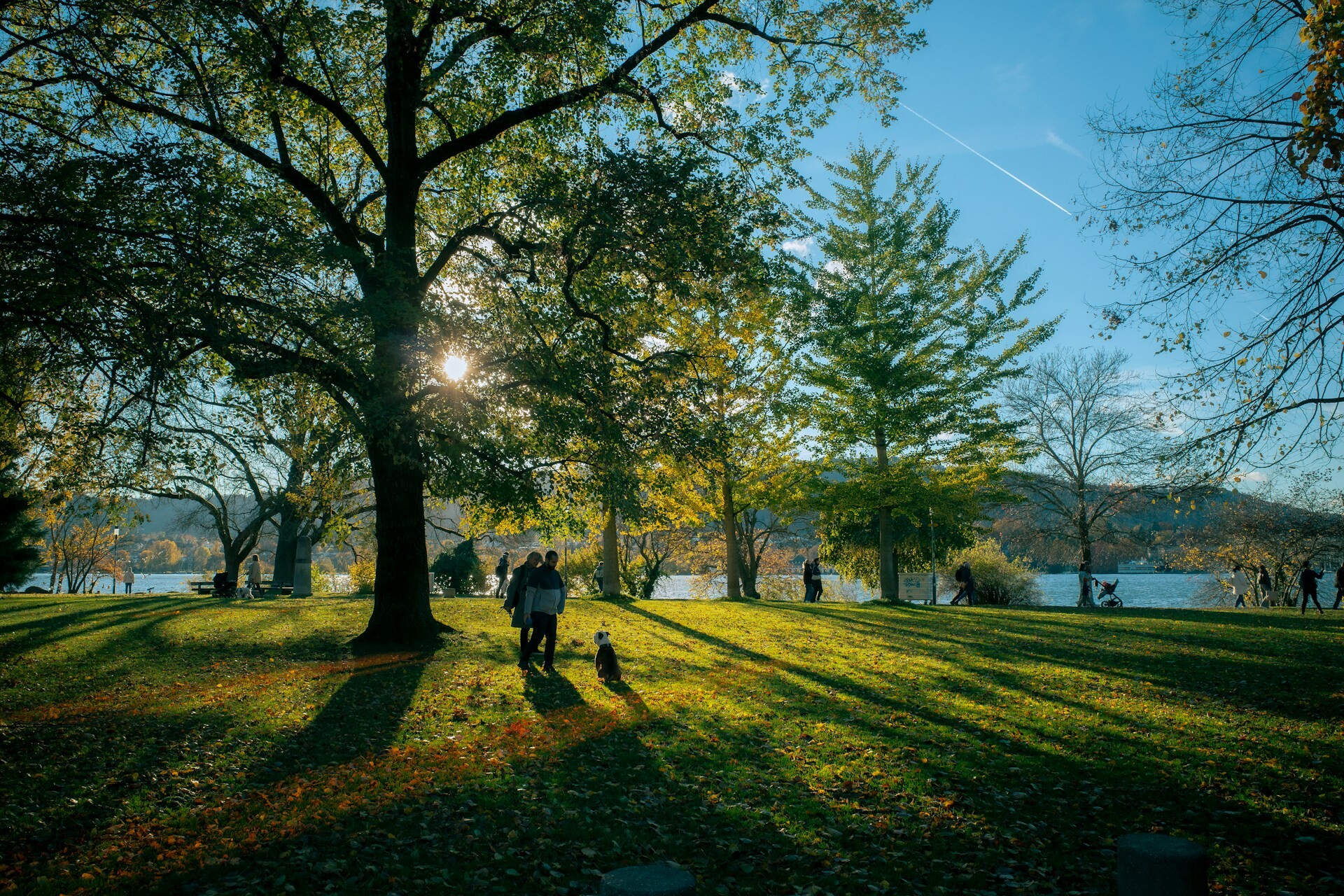
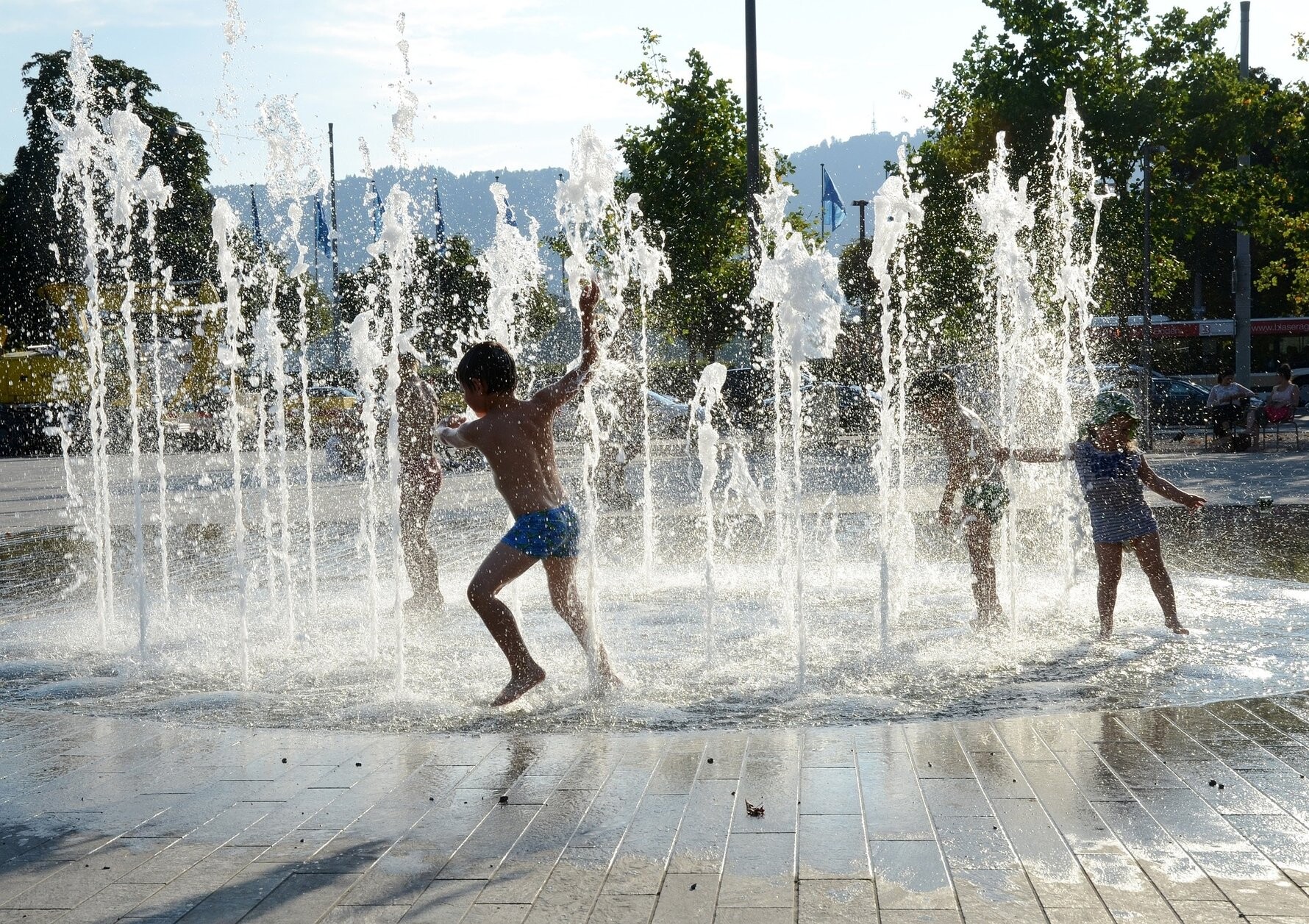
The lake is not merely a backdrop; it is a fundamental part of city life in a way that visitors from landlocked cities find quietly astonishing. Zurichsee stretches some 40 kilometres southeast into the Alpine foothills, and on a clear day the view from the Bürkliplatz – the square at the lake's northern end – extends all the way to the snow-capped peaks beyond. In summer, the lakeside fills with swimmers, picnickers and sundry loungers; the lake itself, fed by mountain meltwater, is clean enough to swim in throughout the warmer months. In winter, it is simply beautiful. Boat cruises run year-round for those who prefer their water at arm's length.
Bahnhofstrasse
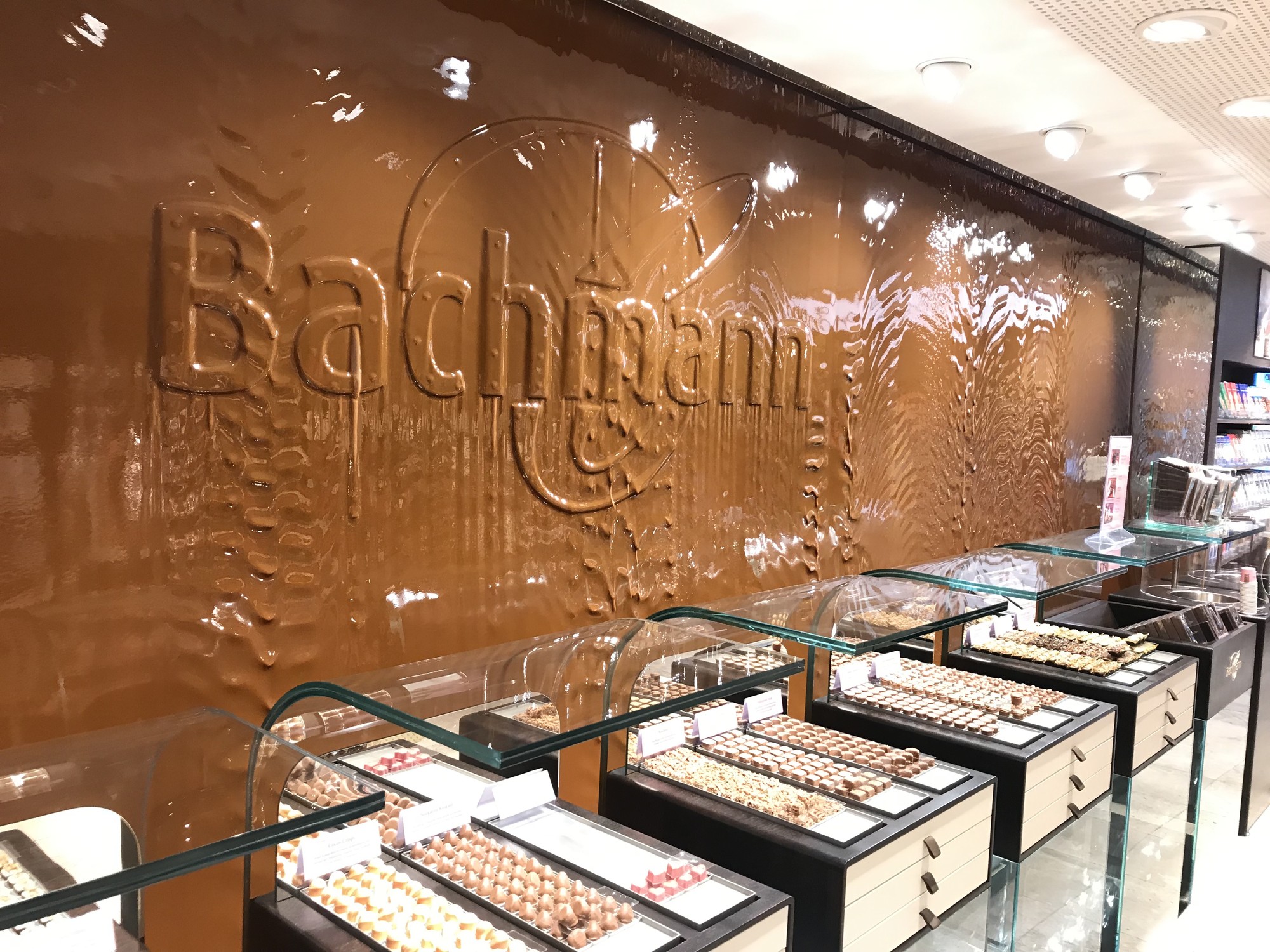
One of the world's most expensive shopping streets, stretching 1.4 kilometres from the main station down to the lake. If you're in the market for a Rolex, several boutiques will be delighted to assist. If not, it is still worth a stroll: the street is pedestrianised, lined with trees and trams, and anchored at the lake end by the Bürkliplatz with its flower market and views. The Sprüngli confectionery at Paradeplatz is the unavoidable chocolate stop – the Luxemburgerli (the house's signature small macarons) are, it must be said, excellent. Read our guide to shopping in Zurich for more on what the street actually offers beyond window-gazing.
Zürich West
The city's most interesting neighbourhood, and the one that catches visitors by surprise. Zürich West was, not long ago, a fairly grim post-industrial district of warehouses, rail yards and disused factories. Its reinvention – gradual, organic, driven by artists and entrepreneurs rather than developers – has produced something genuinely worthwhile: a neighbourhood of independent bars, restaurants and cultural venues that retains its rough edges while making room for good design and better food. The Im Viadukt market under the railway arches is the obvious draw, but the whole area is best explored without a map. Frau Gerolds Garten, a semi-open-air bar and garden complex built from repurposed shipping containers, is one of the most enjoyable places to spend an afternoon in the city.
Uetliberg
Zurich's local mountain – the word "mountain" applied here in the Swiss sense, meaning it reaches 871 metres and affords spectacular views, rather than in the sense that you need crampons. Uetliberg is accessible directly from the city centre by train in under half an hour, and the walk to the summit takes another twenty minutes from the station. On a clear day, the panorama encompasses the city, the lake, and a broad sweep of the Alps beyond. A network of marked hiking trails extends across the ridge for those who want to make a proper day of it. The fact that you can be here from central Zurich in less time than it takes to clear a European airport security queue says something about the city's particular, rather marvellous quality of life.
The Niederdorf
The right-bank section of the old town deserves a mention of its own. Niederdorf is Zurich's most characterful quarter: a tangle of narrow lanes, oriel windows and small squares that fills up in the evenings with locals moving between restaurants and bars. It is not, in the tourist-board sense, undiscovered – the streets can be crowded on summer weekends – but it earns its popularity. The Limmatquai, running along the river's edge, is particularly pleasant for an evening walk, and the covered market at the Niederdorfstrasse end of things is worth a look in the mornings.
A note on cost
Zurich was ranked the world's most expensive city in 2025, and this is not a title it wears with any embarrassment. Museum entry, restaurant meals and public transport all cost more than almost anywhere else on the continent. That said, several of the best things in Zurich are free: Lindenhof, the lake, Zürich West, most of the walking. And the Zurich Card – available for 24 or 72 hours – covers unlimited public transport and free or discounted entry to most of the major attractions, and quickly pays for itself. Read our guide to Zurich for free for more on keeping costs under control.