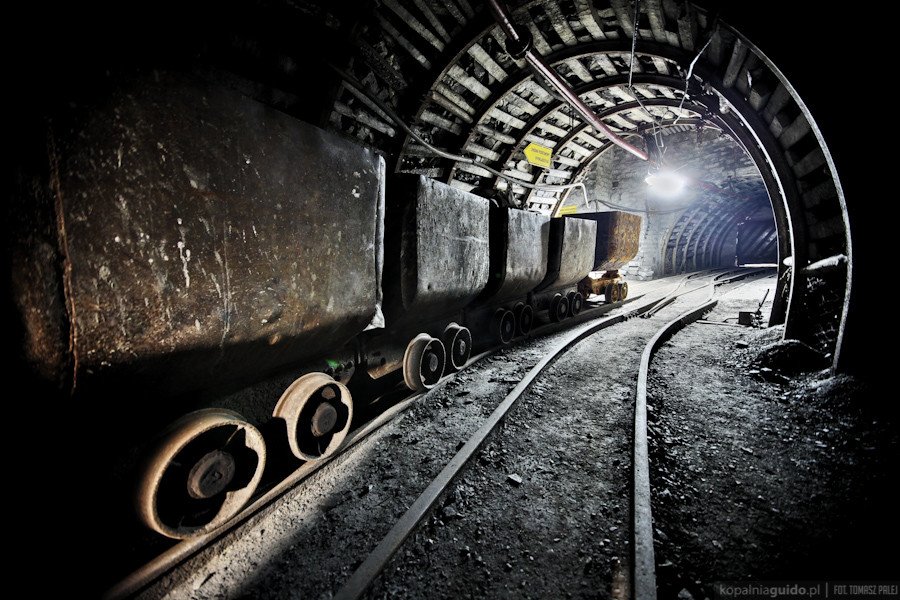
We’ve heard it before and we’ll hear it again, but to those who would claim that there’s nothing in Silesia but a bunch of abandoned mineshafts: you’re overlooking one rather important detail about the region. Most of those mineshafts aren’t abandoned. Indeed of 38 working mineshafts in Poland, 37 of them are in Silesia and with gasoline costs continuing to rise, it’s conceivable that more will open as coal is increasingly construed as a more economic energy source (that the Russians don’t control). Here in Silesia a career in mining is still considered a successful, stable, high-reward occupation: dependable monthly paycheck, social insurance, early retirement, long term benefits. You simply have to risk your life each day and expose yourself to long-term health hazards. No biggie.
Unfortunately, the harsh reality of the dangers coal miners face each day in the pit was made explicitly clear in 2009 when an accident occurred at the ‘Wujek Śląsk’ mine in Ruda Śląska. Some 40 workers were underground on September 18th when a methane gas leak ignited setting off a fiery explosion one kilometre below the surface. Twelve people were killed instantly by the blast and an additional 37 were hospitalised, eight of whom eventually died of the severe burns sustained to their bodies and respiratory tracts; the last casualty of the blast was recorded on October 2nd. The Polish government immediately declared two days of national mourning after the incident, and an investigation was immediately launched. Though the probable cause was determined to be methane ignition, insufficient or negligent safety measures were also assumed to be somewhat responsible. Certainly this isn’t the first time tragedy has struck the mining industry, and the 20 deaths from the Ruda Śląsk incident only rank as the most significant since 23 miners lost their lives in an explosion in the Silesian Halemba mine in November 2006.
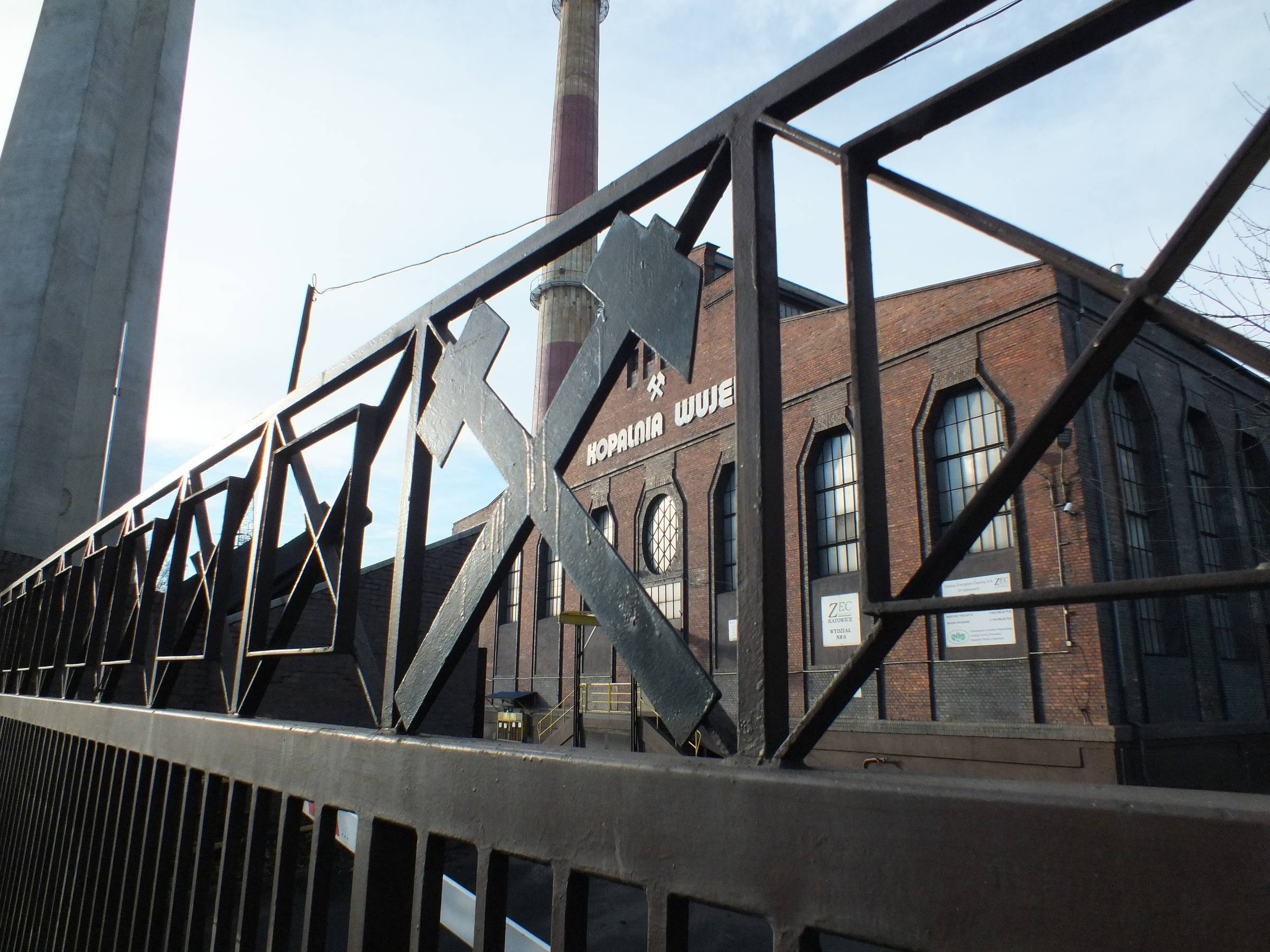
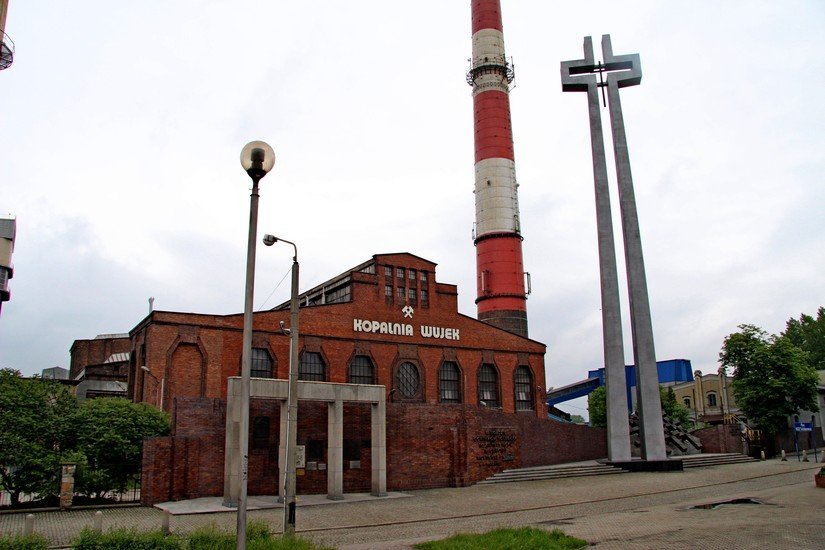
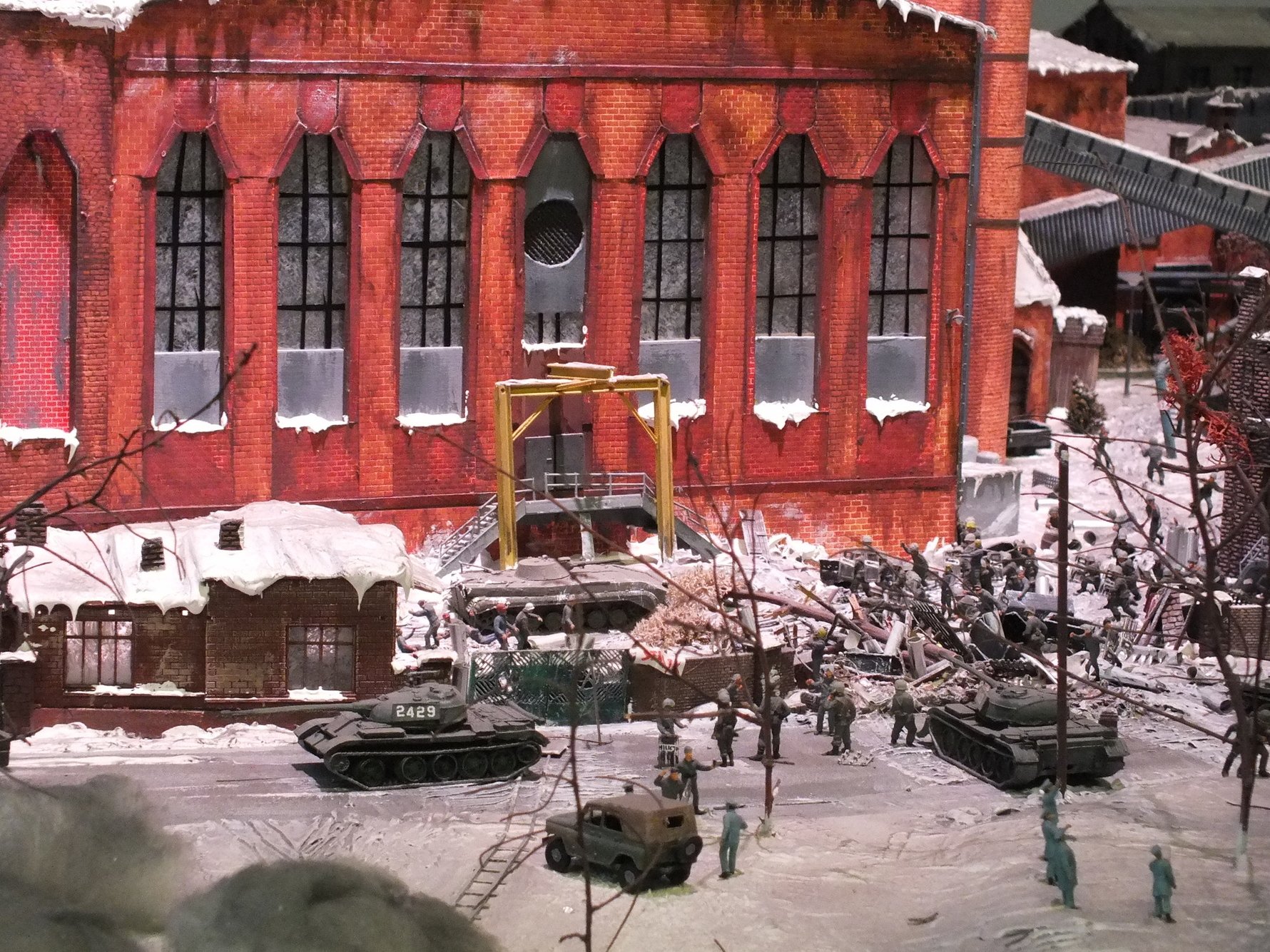
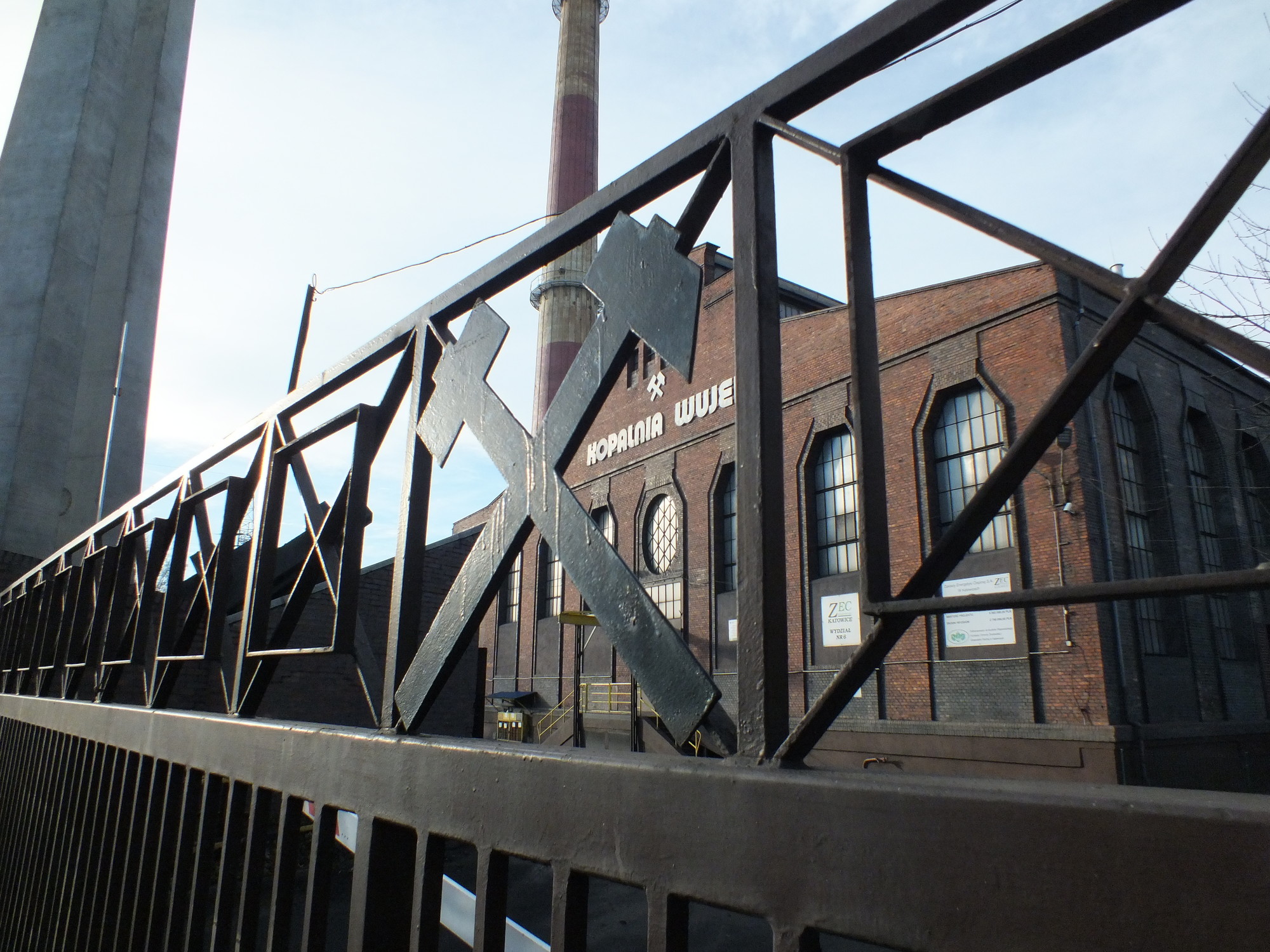
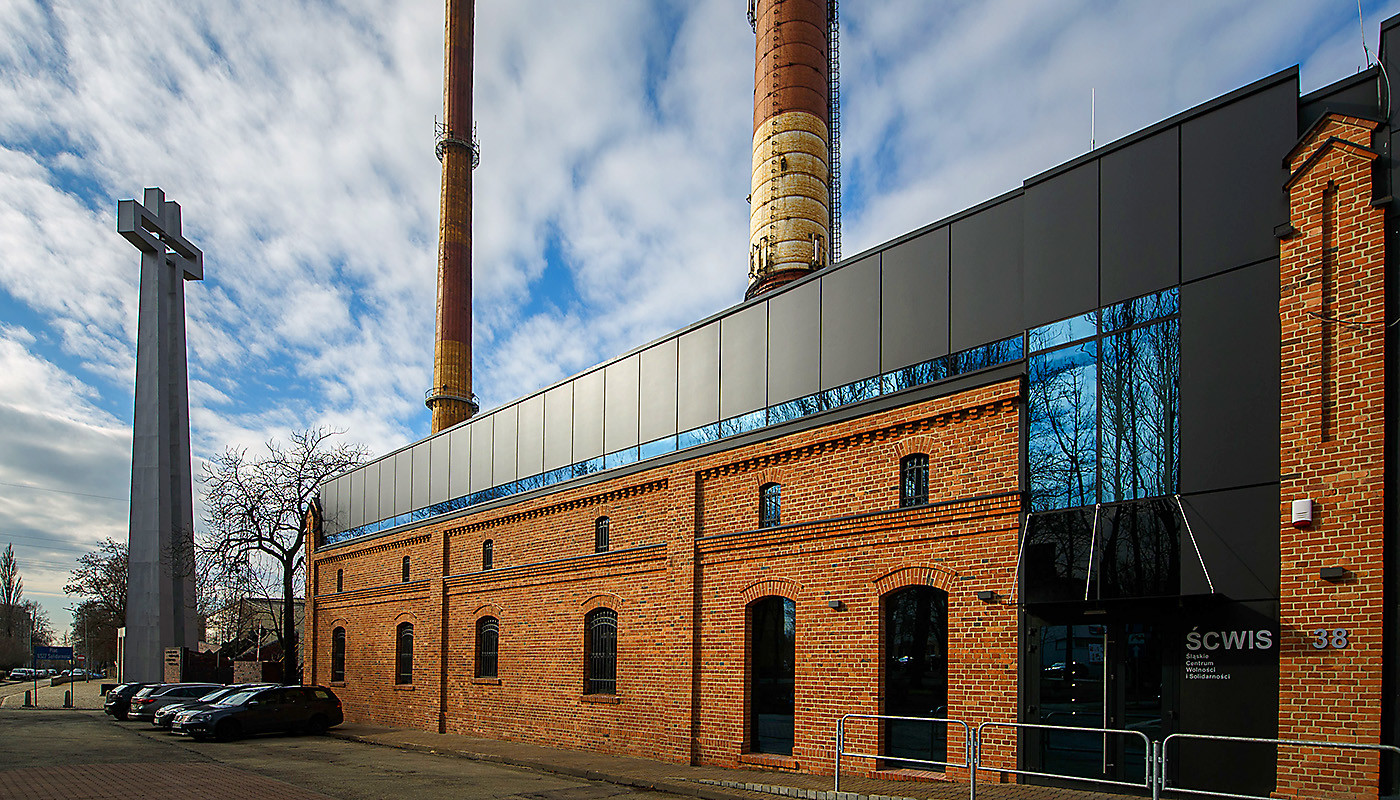
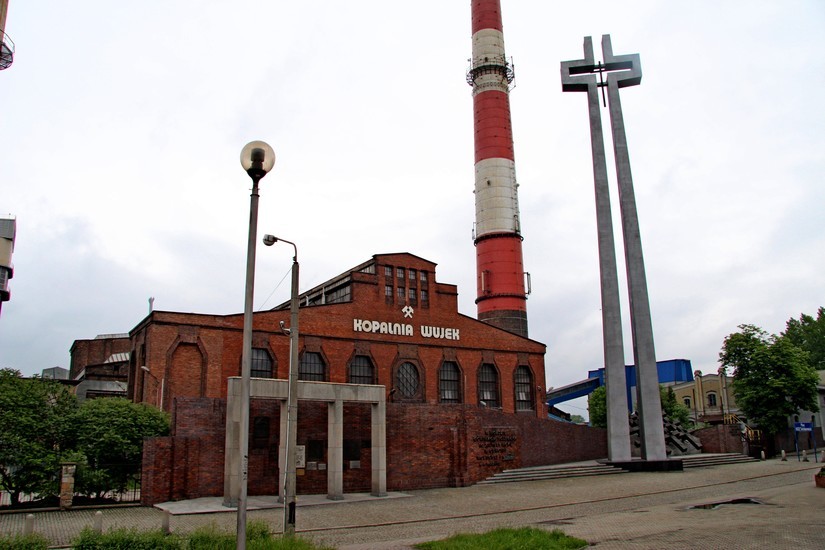
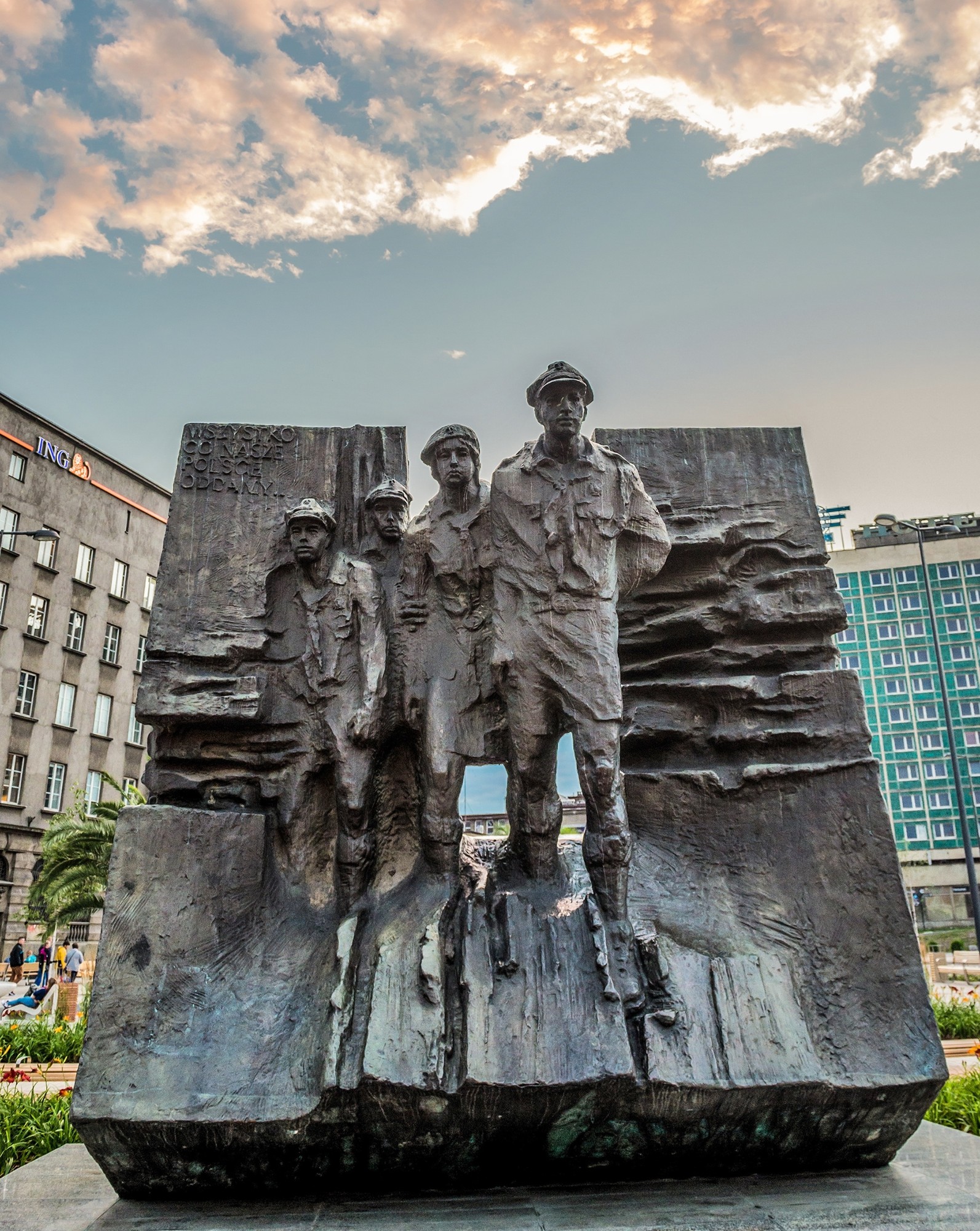
KWK Wujek – the company which operates the mine in Ruda Śląska – actually runs two mines in the region, and you may have seen the other one. Located in downtown Katowice, and ironically juxtaposed against the picturesque Kościuszko Park across the street, the same-named ‘Wujek’ mine in Katowice is an iconic part of the city’s landscape thanks to its two candy-striped smokestacks blighting the skyline and sabotaging the air quality. The older of the two mines, Katowice’s Wujek – which is Polish for ‘Uncle’ – was so named out of fondness for the mining industry’s role in the city’s between war prosperity. Like his brother in Ruda Śląska, Katowice’s Uncle Wujek has been no stranger to adversity, however it was a tragedy of different circumstances that Katowice’s Wujek is remembered for today. Here on December 16th, 1981, seven miners were shot dead on the spot, with another two later dying of their wounds, following your standard Soviet show of force – or ‘pacification’ as the politicos called it – provoked by a miners’ strike during martial law. Today a museum commemorates those events in excruciating patriotic detail, and the Memorial Cross of the Wujek Miners stands in their honour at the same place where tanks rammed through the fencing of the premises. Unveiled in 1991 by Lech Walęsa himself, the 32-metre tall monument creates a symbolic gateway at the mine’s ul. Wincentego Pola 65 entrance. Today the ‘Wujek Pacification’ is remembered in the Polish national consciousness as a brave act of defiance against the oppression of the communist regime. The best that can be hoped for the legacy of the tragedy in Ruda Śląska is that it impacts increased safety measures in an industry that continues to earn a reputation for recklessly putting lives at risk.