More features:
-
Wisława Szymborska
To borrow from the lady herself, “they say the first sentence…is always the hardest. Well, that one’s behind me, anyway....
-
Jerzy Kosiński
Born in Łódź, 1933, Jerzy Kosiński stands out as one of the 20th century's great literary talents, with a life story every bit as sinister and dramatic as his books....
-
Solidarity
Although Solidarity was officially christened in 1980, its roots can be traced some ten years earlier....
-
Poles you should know
Poland’s been alive for over 1,000 years, and seeing that it occupies a great big lump of Central Europe it seems only natural that it’s produced a few household names over the years....
-
Marek Grechuta
With his catchy spoken lyrics, roaring drink habit and rumoured schizophrenia, Marek Grechuta was the embodiment of tortured genius, his place in Polish music history cast in stone – think of this guy as the Polish Bob Dylan....
-
Grzane piwo/wino
There’s a number of ways to survive winter in Poland, and we’ve tried them all, from dressing up like Eskimos to sitting at home in our pants....
-
Polish Alcohol
Proven masters of make-do with the potato as their primary resource, the Poles have been producing and drinking vodka since the early Middle Ages, distilling their skill into some of the best vodka blends available in the world, many of which date back centuries....
-
Andrzej Wajda
Born in 1926 in the Polish town of Suwałki, Andrzej Wajda is regarded by many as the father of Polish cinema....
-
Wojtek the bear
Fond of a bevvy and a fag Wojtek’s habits weren’t too different from your typical soldier, but typical he most certainly wasn’t....
-
Nicolaus Copernicus
Head 100km east of Gdańsk and you’ll come across Frombork, a pleasant little town that hit world news in November....
-
The Pianist
Based on the biographical novel by Wladsylaw Szpilman, the Oscar-winning film charts Szpilman’s battle for survival in the Warsaw ghetto....
-
National Holidays
ChristmasWinter in Poland can be miserable, but Christmas proves to be anything but. The culmination of the Grinch period is Christmas Eve, and as in most countries is celebrated by eating....
-
Creepy Poland
You have not come to Poland to visit a pyramid, but that’s exactly what you can do if your journey takes you up north....
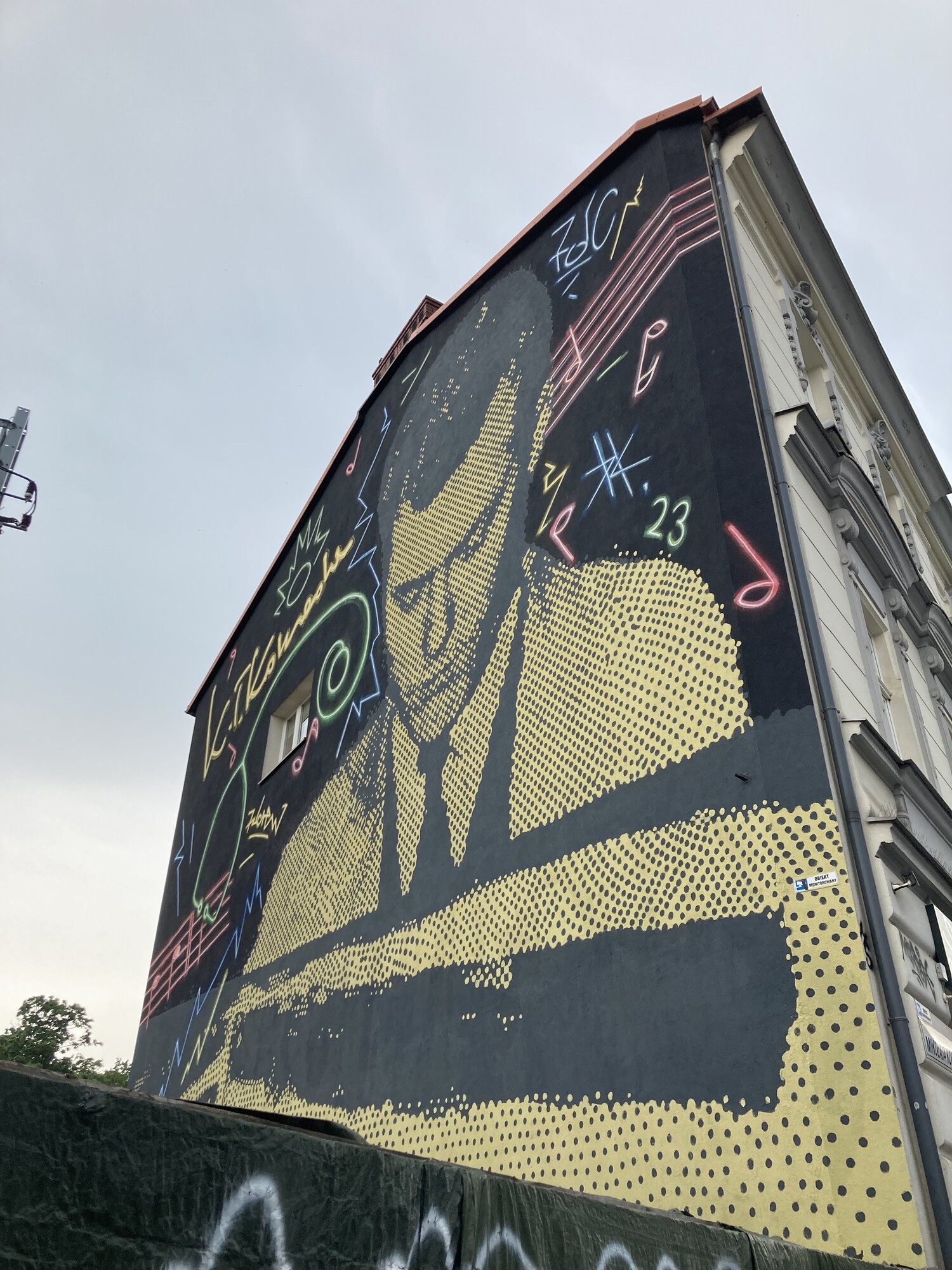
Krzysztof Komeda
Born in
Poznań in 1931, Krzysztof Komeda stands out as one of Poland’s finest music talents and remains, even in death, a source of inspiration. He studied piano from an early age, and was inducted into Poznań’s conservatory in 1939. Though the war disrupted his studies it is
also credited with landing him his name. Born Krzysztof Trzciński he found himself nicknamed Komeda after scrawling the word on a wall – he had meant to write ‘komenda’ (as in command post) – while playing with his mates. The local partisans had a good laugh over it and from there the name stuck. With the war over he resumed his musical aspirations and started playing in the subterranean jazz dens of Kraków. He juggled his burgeoning musical career with a job at a health clinic, and it was here his pseudonym took root; keen to hide his nocturnal life from his employees he started performing under the name Krzysztof Komeda. His band scored success at the 1956 Sopot Music Festival, and he re-christened his charges the Krzysztof Komeda quartet. They became the first Polish band to play modern jazz, and his spoken poetry won fans far and wide. He started collaborating with film directors and wrote scores for Roman Polański’s classics Knife in the Water and Rosemary’s Baby among numerous others. Like all the greats his death is shrouded in mystery. He died in Warsaw from brain injuries with claims of an earlier car accident in LA being the cause, while Roman Polański wrote that a grappling bout with writer Marek Hłasko could have been to blame. The truth will never be known. Credited with influencing a whole generation he stands out as one of the immortals of Polish music, and his memory is honoured by the annual Komeda Jazz Festival in Słupsk.