Live Football in Kraków
Poland is a country with a rich football heritage, fanatical supporters and a major European tournament to look forward to hosting. However there are major problems with corruption, incompetent administration of the game and a pretty serious hooligan issue. So while watching a game here is not discouraged, do exercise caution when attending a game particularly the local derby between Krakow’s two major clubs.
Poland as a national side has finished 3rd in 2 World Cups and the older fans among you will remember the likes of Grzegorz Lato (Golden Boot winner at the West German World Cup of 1974), Kazimierz Deyna and Zbigniew Boniek (one half of the great Juventus midfield pairing with Michel Platini). The national side can boast some talented players such as Arsenal’s Wojciech Szczesny and Borrusia Dortmund’s Jakub Blaczykowski but the depth of the squad is poor and the trainer, Franciszek Smuda has tried to remedy this by recruiting foreign players with Polish ancestry. The lack of competitive matches and this wholesale rebuilding of the team has Poles thankful that they qualify for Euro 2012 by way of being hosts but fearful that this will result in a series of high profile thrashings at the hands of some of the continent’s bigger sides.
At club level there are some positive signs for the future. With the national side typically recruiting players plying their trade in foreign leagues, Polish clubs are even worse off and this is reflected in the fact that their last representatives in the group stage of the Champions League were Widzew Łódź in 1996. The 2011/12 season did see champions Wisła Kraków reach the last CL qualifying round before dropping into the Europa League where they were joined by Legia Warsaw and this improvement along with a number of new stadia openings has given the Polish supporters something to be positive about. That said the standard of the Polish league (Ekstraklasa) is poor, the smell of corruption continues to hang over the game (currently over 100 people, including club officials and refs, have been arrested in connection with corruption dating back over many years) and attendances are very low in comparison to western European leagues.
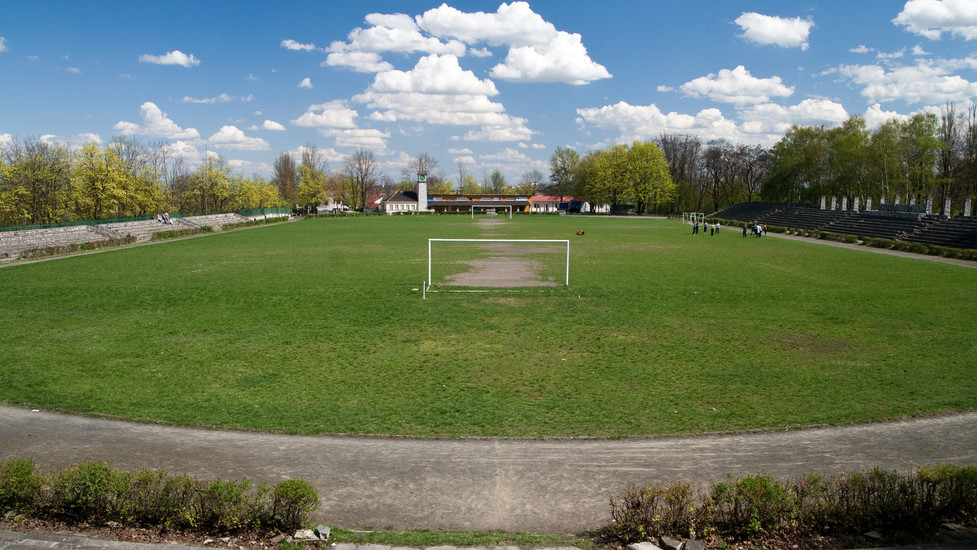
However in Kraków you are able to see 2 of the country’s biggest clubs and experience a match day quite unlike anything you might be used to. Say it quietly but Wisła, formed in 1906, are Krakow’s biggest club with twelve league titles, 8 of them having come since 1999, but European glory has proved elusive. Wisła play their matches at ul. Reymonta 22 inside a completely rebuilt 34,000-seater stadium that the Dutch national team will use as its training facilities for the Euro 2012 tournament.
Cracovia, also founded over 100 years have the distinction of being Poland’s longest surviving professional outfit, as well as the late Pope’s team of choice. Founded in 1906 ‘the Stripes’ won four league titles during the interwar period, and followed it up by scoring another success in 1948. Since then the trophy cleaner has had nothing to do but clear away cobwebs. Having moved into a newly built stadium that will be used by the Italian national side during Euro 2012, Cracovia tickets are cheaper although security is tighter.
One thing to be aware of in Polish football is the peculiar allegiances that exist between supporters of different teams and more importantly the animosity amongst others. When two ‘friends’ are playing each other expect a cheery atmosphere, bbq and beer being provided by the hosts and the distinct lack of uniformed police and security. If however enemy teams are playing each other, expect baton wielding, armoured police and scenes from Braveheart. Complete lunacy. For the record Wisła Kraków are big friends with Lechia Gdańsk and Śląsk Wrocław and big enemies with their local rivals Cracovia with the Kraków Derby carrying the nickname 'The Holy War'. Cracovia are good friends with Arka Gdynia and Lech Poznań who just happen to be local rivals of Wisła’s friends. Can you spot a theme? The animosity between the two was stoked in early 2011 when a well-known Cracovia fan was beaten to death in what appeared to be an organised attack by fans of Wisła. Supporters groups have claimed that the incident had nothing to do with football or the bulk of genuine supporters and more to do with hooligans, drugs and turf wars.