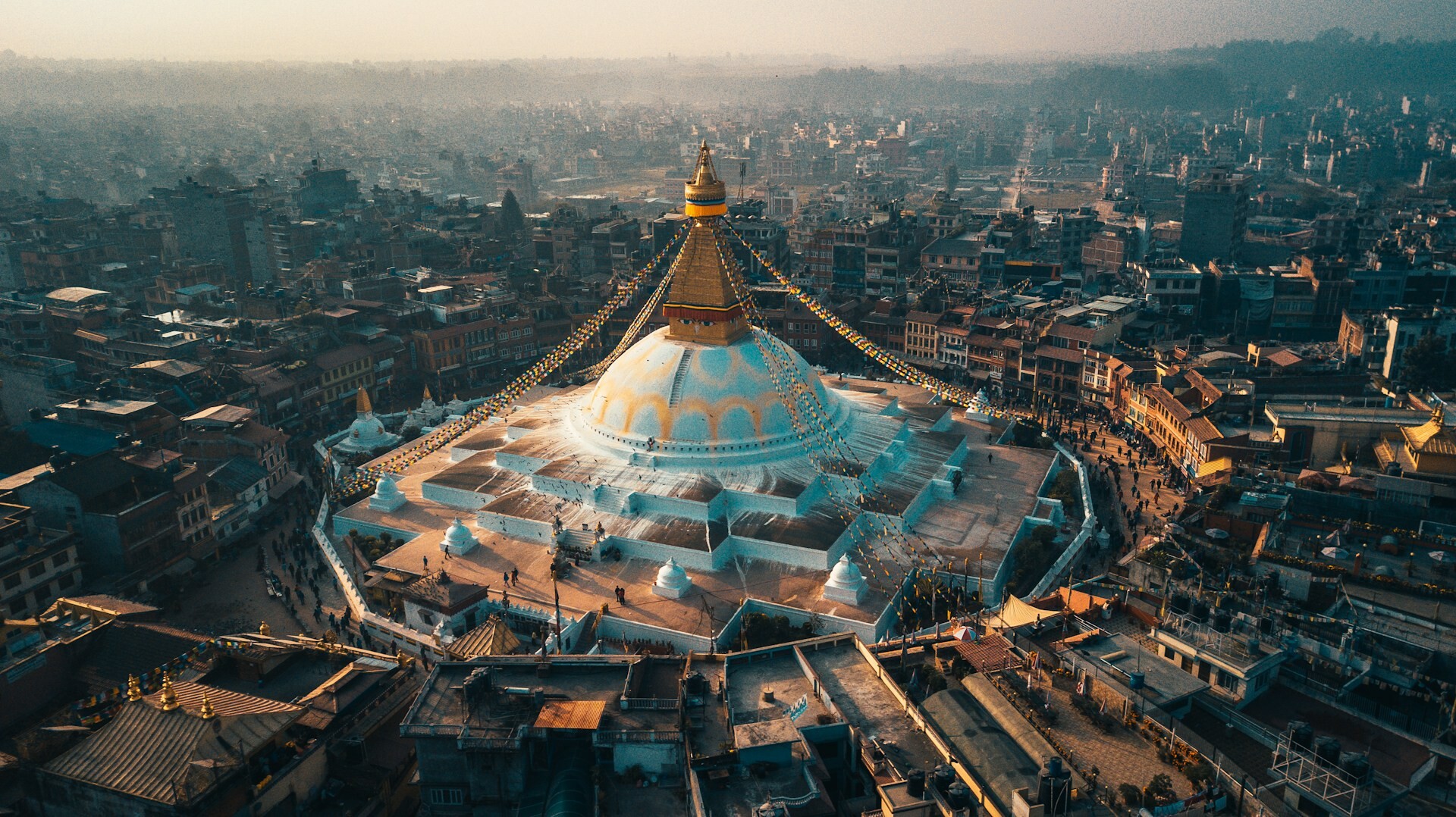
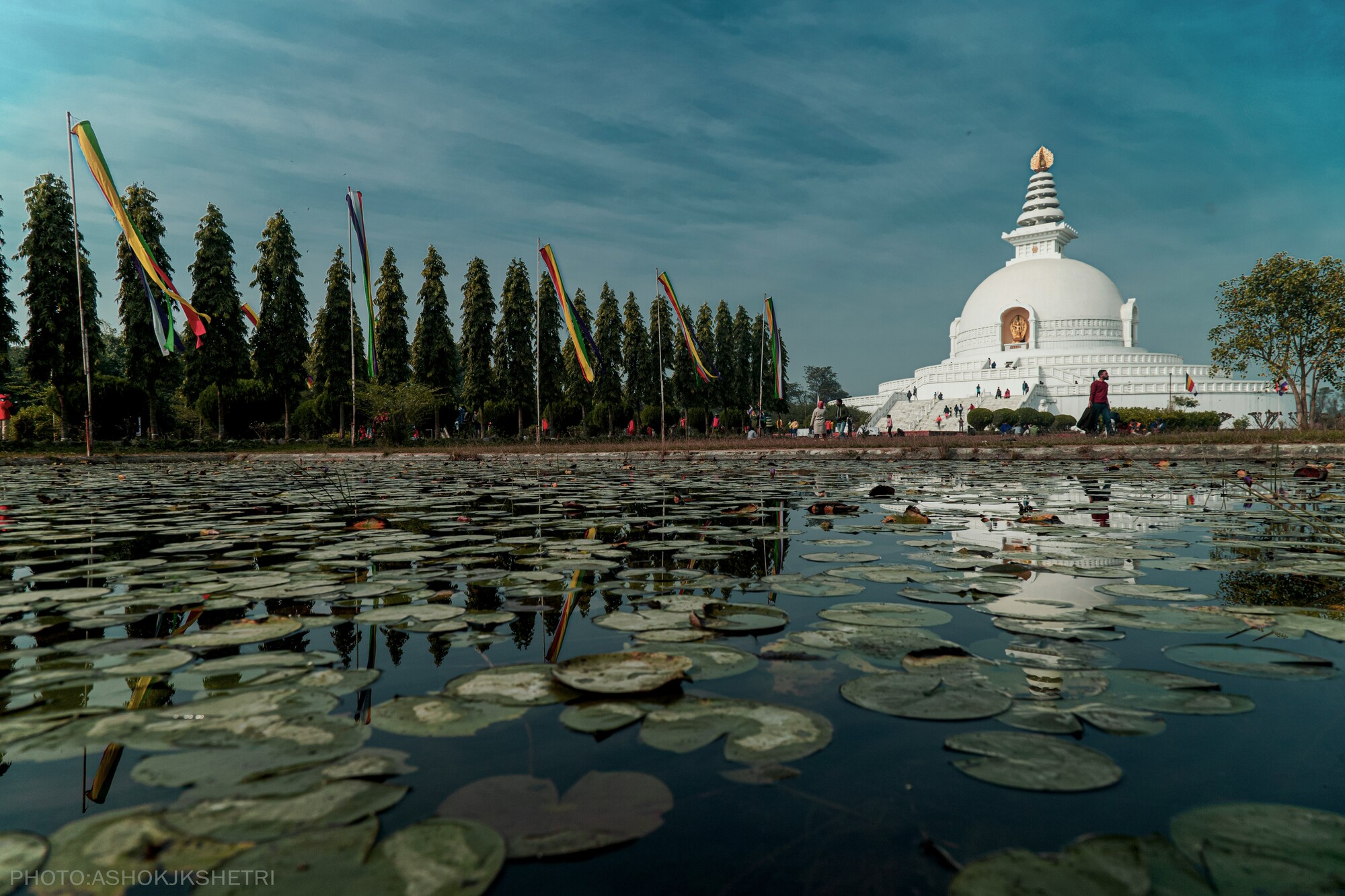
Nepal's trekking seasons are a bit like Goldilocks logic applied to mountains: two windows that are just right, one that's too wet, and one that's too cold. The good news is that the two "just right" windows – autumn and spring – are both genuinely excellent, and even the off-seasons have their charms if you know what you're getting into.
Here's a breakdown of what to expect from each season, so you can work out the best time to come based on what matters most to you – whether that's perfect views, wild flowers, fewer fellow trekkers, or simply the most affordable teahouse beds on the trail.
Autumn (September to November): Peak Season for Good Reason
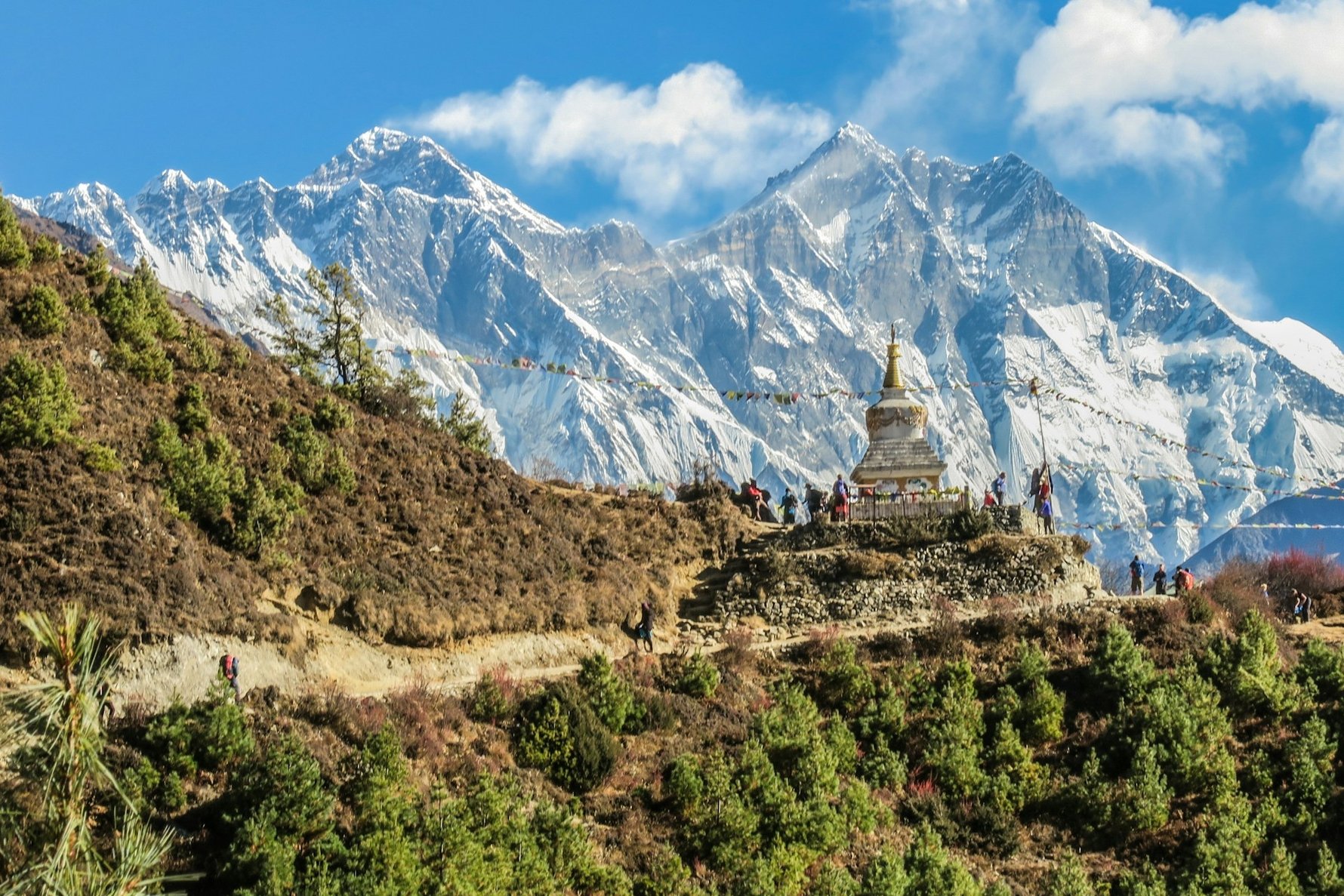
Autumn is, by most accounts, the best season to trek in Nepal – and the crowds on the Everest Base Camp trail in October will very much confirm this. The monsoon wraps up in mid-September, and what it leaves behind is remarkable: washed-clean air, crystal-clear skies, and mountain views that make you feel like you've wandered into a screensaver.October is widely regarded as the single best month for trekking in Nepal. Temperatures at lower elevations sit comfortably between 15°C and 20°C during the day, nights are cool but manageable, and visibility is at its sharpest. The trails are dry, the passes are open, and the high-altitude routes – Thorong La on the Annapurna Circuit, Larkya La on the Manaslu Circuit – are fully accessible.
November is quieter, crisper, and in many ways just as good, particularly in early November. As the month progresses, temperatures start to bite at higher elevations and snowfall becomes more likely above 4,000m or so. By late November, you're edging into the pre-winter window and need to be more careful about what you've signed up for.
September deserves a mention too – it's technically still monsoon shoulder, and early September can be a gamble. But the second half of September often brings settled skies and noticeably thinner crowds than October.
The catch: autumn's reputation is well-earned, which means it's also the busiest and most expensive time to trek. Book teahouses well in advance on popular routes, expect to pay peak prices, and don't be surprised to find yourself walking in a loosely connected convoy up to Everest Base Camp.
Spring (March to May): Flowers, Fewer People, and Slightly Murkier Views
Spring is the second main trekking season in Nepal, and depending on your priorities, it might actually be the better one. The days are longer and warmer than in autumn, rhododendron forests are in full bloom from late February onwards, and the trails are significantly less crowded than in October. The atmosphere feels a little more relaxed.It's also the main expedition season – the big Himalayan climbing permits are all geared around the spring summit window – so if you're trekking to Everest Base Camp in April or May, you'll likely find yourself sharing the trail with teams heading for the top of the world. That's either exciting or alarming, depending on your perspective.
The downside of spring is haze. The air hasn't been washed clean by monsoon rains, and as the season progresses – particularly in April and May – dust, smoke, and atmospheric haze can blur the high-altitude views that you're presumably there to see. You'll generally need to get above 3,000m or so before the peaks really reveal themselves. This is worth keeping in mind if mountain panoramas are your main motivation.
By May, precipitation levels are rising and the monsoon is knocking at the door. Late May treks require a weather eye and some flexibility, particularly on routes with high passes.
March is generally considered the sweet spot of spring – warming temperatures, rhododendrons coming into bloom, relatively clear skies, and far fewer other trekkers than you'll find in October.
Monsoon (June to September): The One Most People Skip
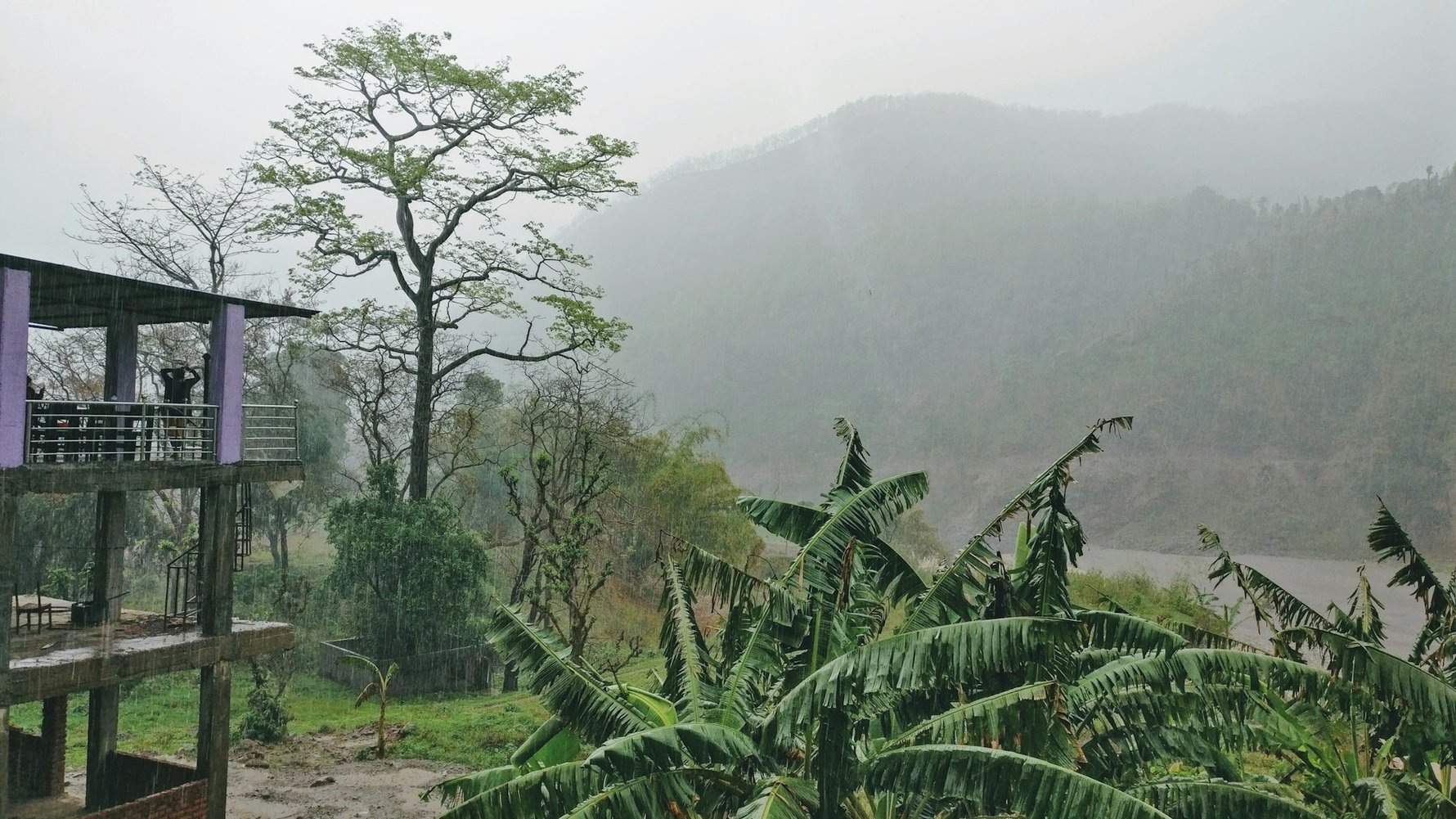
The monsoon is not the time most people choose to trek in Nepal, and there are good reasons for that. Trails become muddy and slippery. Leeches emerge in impressive numbers. Clouds park themselves in front of the mountain views you came to see. Landslides are a genuine concern on many routes, affecting both trails and roads. It's not nothing.That said, the monsoon isn't a complete write-off – it just requires route selection. A handful of regions in Nepal sit in the Himalayan rain shadow, receiving only a fraction of the monsoon rainfall that hammers everywhere else. Upper Mustang, Upper Dolpo, and the Nar-Phu Valley are the main examples, and they're actually at their best in June, July, and August – dry, dramatic, and significantly quieter than they are in peak season. These areas require restricted area permits and tend to be more expensive and logistically involved, but they're exceptional destinations.
Even in monsoon-affected regions, more rain falls at night than during the day, and mornings are sometimes surprisingly crisp and clear. The landscape is intensely green, waterfalls are roaring, and some trekkers genuinely love it. But it's a choice to go in with eyes open, not a decision for the uninitiated or the inflexible.
Winter (December to February): Cold, Quiet, and Cheaper
Winter trekking in Nepal gets a worse reputation than it perhaps deserves – at least at lower and mid altitudes. Yes, it's cold. Temperatures at high elevations can drop to -10°C or below at night, and most high passes close due to snowfall. Thorong La, Larkya La, and the other significant crossings above 5,000m are generally impassable from December to February.But for lower-altitude routes, winter is quietly underrated. The skies are often strikingly clear, the trails are almost empty, and teahouse rates drop noticeably. Poon Hill is a popular winter trek for good reason – the sunrise views over Annapurna and Dhaulagiri are every bit as spectacular as in autumn, and you might have the viewpoint almost to yourself.
January is the coldest month, and you'll need to pack properly – thermal layers, a warm sleeping bag, serious gloves. A lot of the cheaper guesthouses in Kathmandu have no central heating, and neither do many teahouses at altitude. Cold management becomes part of the daily routine. But if you're prepared, the combination of clear mountain views, zero crowds, and lower prices makes winter a legitimately good option for the right kind of trekker.
A Note on Changing Conditions
Nepal's seasons are becoming less predictable. Mountain temperatures have risen measurably over recent decades, monsoon patterns are shifting, and weather events that were once unusual are happening with more regularity. In October 2025, for instance, Cyclone Montha swept in from the Bay of Bengal during what should have been peak season, causing widespread trail damage, stranded trekkers, and significant disruption across the Manaslu, Langtang, Mustang, and Everest regions.This isn't a reason to stay home. Nepal's mountains are as spectacular as they ever were, and the vast majority of treks proceed without incident. But it is a reason to buy decent travel insurance, build some flexibility into your itinerary, check trail conditions with your agency before departure, and not treat the calendar as a guarantee.
When to Go: A Quick Summary
- Best overall: October and early November for crystal-clear skies, open passes, and peak conditions on all major routes. Book early and expect company.
- Best for spring: March and early April for blooming rhododendrons, warmer days, fewer crowds, and slightly hazier but still excellent views.
- Best budget season: December and January for low prices, empty trails, and good low-altitude trekking – if you're prepared for the cold.
- Best kept secret: Late September, which offers near-autumn conditions with fewer trekkers and lower prices than October.
- Rain shadow only: June, July, and August in Upper Mustang, Upper Dolpo, or Nar-Phu if you're specifically seeking out these special areas.
For most first-time trekkers, October remains the safest recommendation – the weather is as reliable as it gets, the trails are fully open, and the mountain views justify every cliché you've ever read about Nepal. But if you're flexible about timing, don't discount March or the quieter shoulder weeks either. Sometimes the slightly-less-perfect season is a more enjoyable experience for it.
See our guide to trekking in Nepal for everything else you need to know before you go, or check out our breakdowns of the Annapurna region, Everest Base Camp, Langtang Valley, and the Manaslu Circuit.