Most people think of Kathmandu as a city. It is, of course – a sprawling, chaotic, endlessly fascinating one – but the real draw is bigger than that. The Kathmandu Valley is a roughly oval bowl in the Himalayan foothills, around 25 kilometres across, home to three ancient royal cities, seven UNESCO World Heritage Sites, and more temples per square kilometre than anywhere else on earth. You could spend a week here without scratching the surface. Most visitors get two or three days. That's enough to fall in love with the place, if not quite enough to understand it.
This guide covers everything you need to know before you arrive: the cities, the sites, how to get around, when to go, and how to plan your time without losing your mind in the traffic.
The valley is anchored by three distinct cities, each with its own identity and its own Durbar Square – the royal palace complexes that formed the centrepieces of their respective kingdoms during the Malla dynasty.
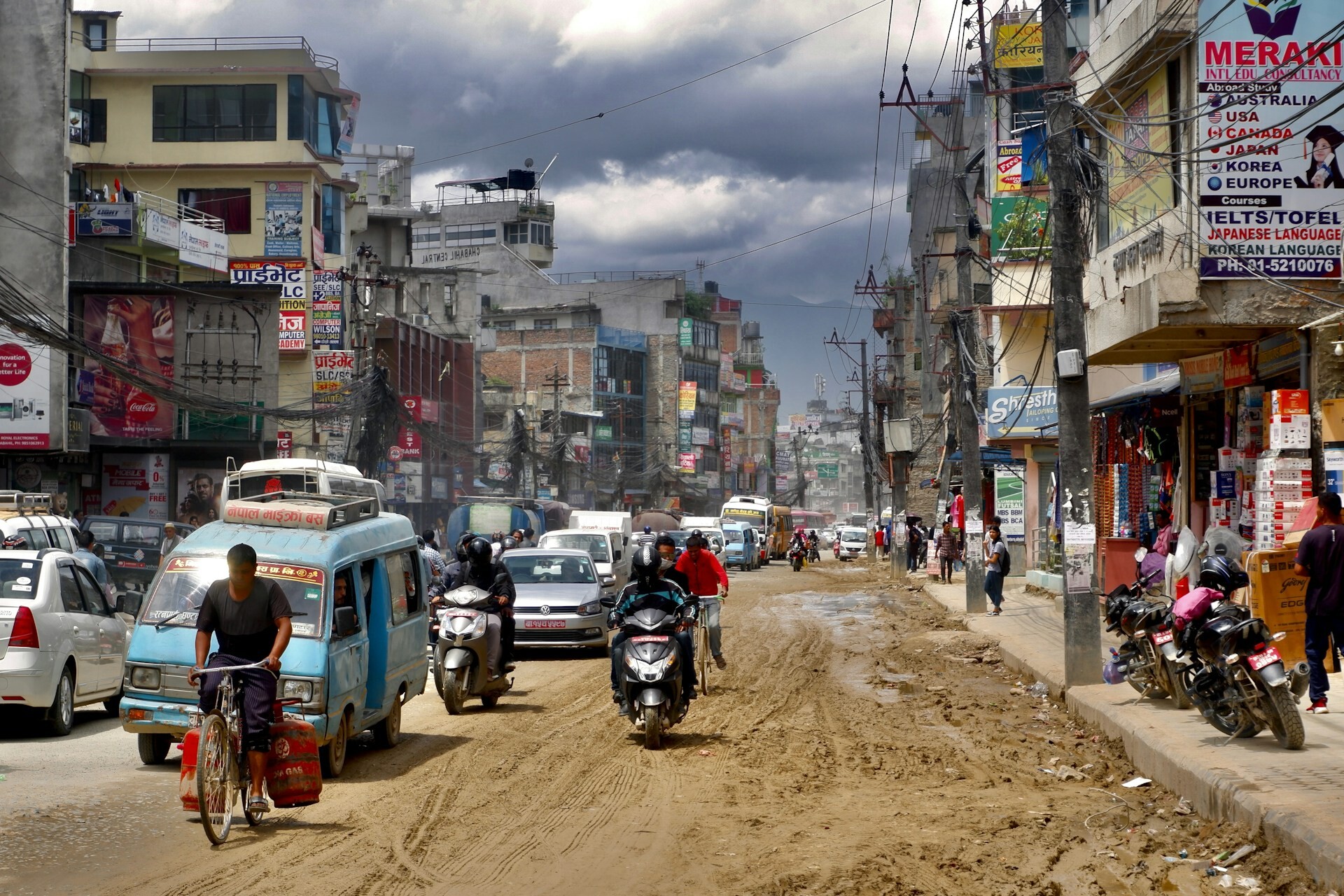
Kathmandu is the capital, the gateway, and the one everyone arrives in. It's noisy, polluted, and utterly gripping. The old city around Hanuman Dhoka Durbar Square is a tangle of medieval courtyards, butter-lamp shrines, and streets so narrow that two motorbikes can barely pass. Thamel, just to the north, is the tourist district – convenient, lively, and about as authentically Nepali as a yak-themed coffee mug, but useful for guesthouses and gear shops.
Patan (officially Lalitpur) sits just across the Bagmati River from Kathmandu, though the two cities have long since merged into one continuous sprawl. Patan has the best-preserved Durbar Square of the three, a dazzling collection of temples and the outstanding Patan Museum. It's noticeably quieter than Kathmandu, with excellent cafés and a growing arts scene. If you only visit one Durbar Square, most people who've seen all three will tell you to make it Patan.
Bhaktapur is the showpiece. About 14 kilometres east of Kathmandu, it's the least modernised of the three cities and the most coherent as a living medieval townscape. The streets are brick-paved, cars are largely excluded from the historic core, and the atmosphere is genuinely different to the capital. Foreign visitors pay a separate admission fee to enter (see below), which funds the upkeep. Worth every rupee.
The Seven UNESCO World Heritage Sites
The Kathmandu Valley was inscribed as a single UNESCO World Heritage Site in 1979, covering seven distinct monument zones. Here's the quick rundown:
Kathmandu Durbar Square (Hanuman Dhoka) – The historic palace complex of the Malla and Shah kings, right in the old city centre. Dozens of temples, the living goddess Kumari's residence, and the Tribhuvan Museum. Heavily damaged in the 2015 earthquake; restoration work is ongoing but the square is absolutely still worth visiting. Entry: NPR 1,000 for foreign nationals.
Patan Durbar Square – Widely considered the finest of the three squares. The Patan Museum alone justifies the trip. Entry: NPR 1,000 for foreign nationals.
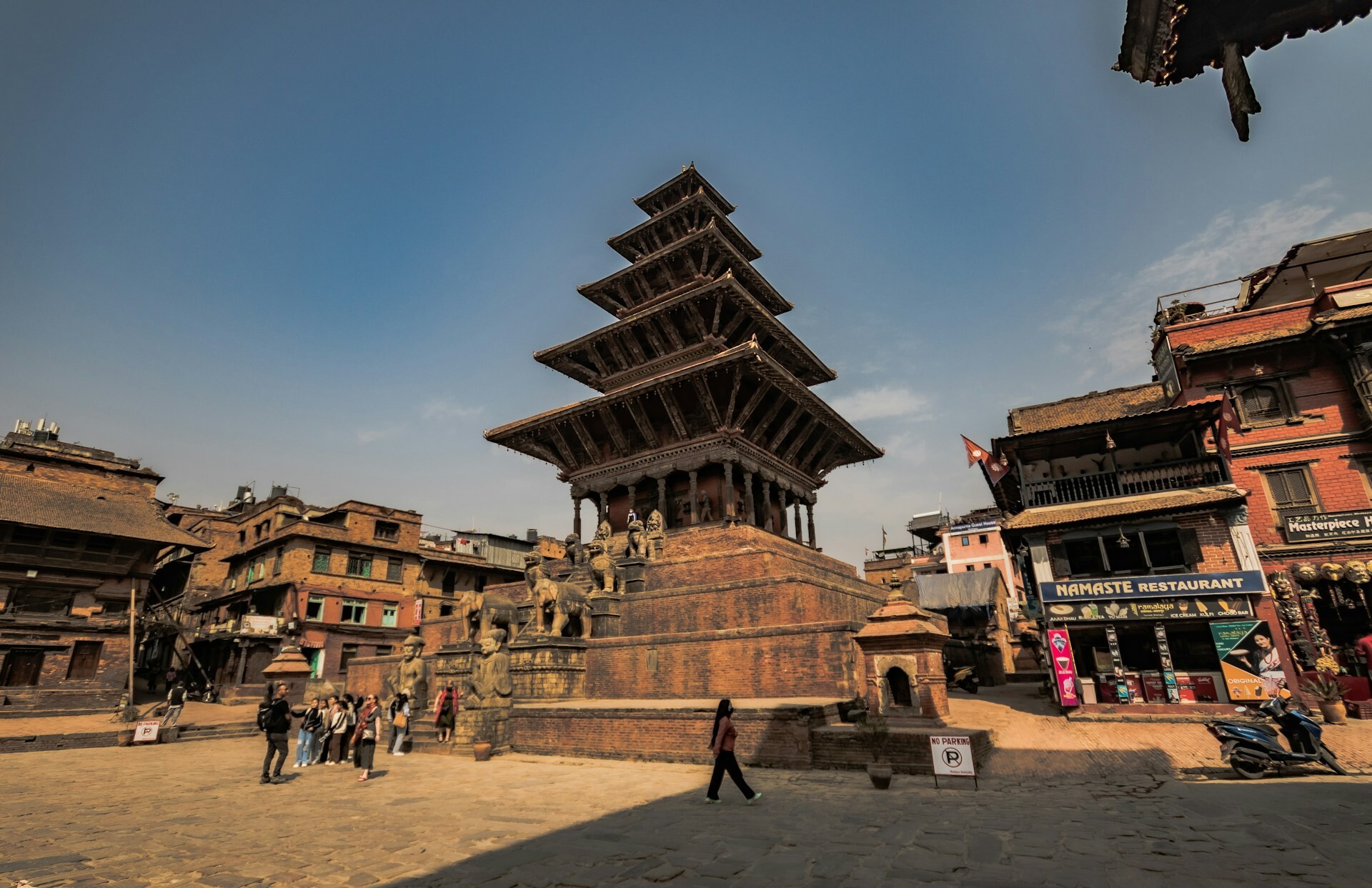
Bhaktapur Durbar Square – The 55-Window Palace, the Nyatapola Temple, and the surrounding medieval streets make this the most visually complete of the Durbar Squares. Entry: US$18 (or NPR 1,800) for foreign nationals – the ticket is valid for multiple visits within a set period, and that's not a typo with the prices (at current, and presumably future, exchange rates it's significantly cheaper to pay in rupees).
Swayambhunath – The "Monkey Temple," perched on a hill west of Kathmandu. Climb the 365 steps (negotiating your way past resident macaques) and you're rewarded with a beautiful stupa complex and panoramic views of the valley. One of the most photographed spots in Nepal. Entry: NPR 200 for foreign nationals.
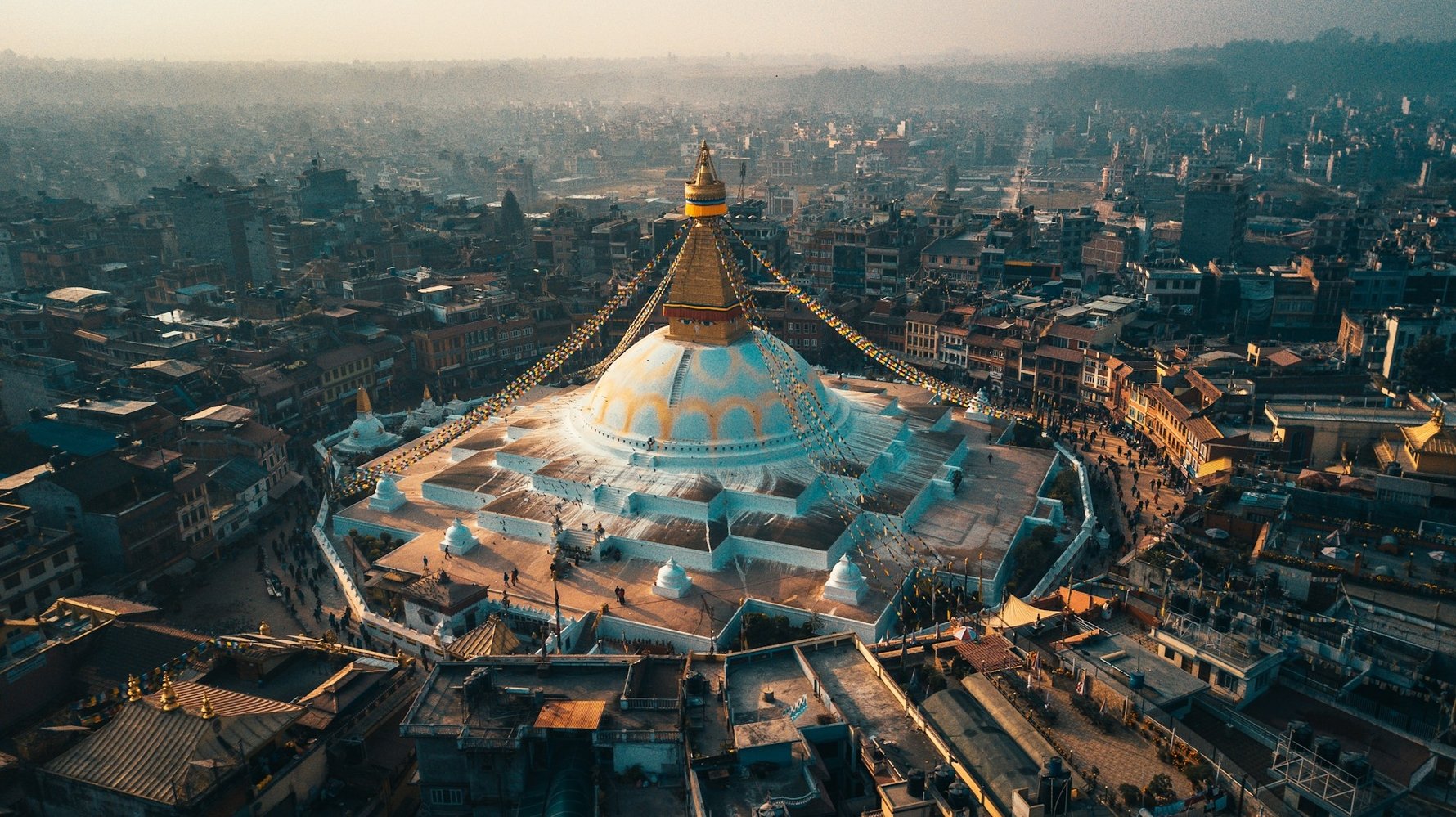
Boudhanath – One of the largest Buddhist stupas in the world and the heart of Kathmandu's Tibetan community. The circular mandala-shaped stupa is ringed by monasteries, shops, and cafés. Walk the kora (circumambulation circuit) at dusk with pilgrims spinning prayer wheels. Entry: NPR 400 for foreign nationals.
Pashupatinath – Nepal's most sacred Hindu temple complex, on the banks of the Bagmati River. Non-Hindus cannot enter the main temple, but the surrounding complex is openly accessible, and the ghats where cremations take place are a profound, sobering, unmissable experience. Entry: NPR 1,000 for foreign nationals.
Changu Narayan – The oldest of the seven sites and the least visited, sitting on a ridge northeast of Bhaktapur. It requires a bit of effort to reach but rewards you with intricate fifth-century carvings, a peaceful atmosphere, and almost no crowds. Entry: NPR 300 for foreign nationals.
Entry fees are as published by the Nepal Tourism Board and were correct as of early 2026. Verify before you visit, as fees are subject to change.
Taxis are the most practical option for most visitors. They're cheap by international standards, widely available, and the only sane way to get across the city without losing half a day. Always negotiate or insist on the meter before you get in. Apps like Pathao and InDrive work well in Kathmandu.
Ride-hailing apps are increasingly common and take the negotiation pain away entirely. Bolt has also entered the market. Download one before you arrive.
Local microbuses and tempo run fixed routes and are very cheap, but they're crowded, slow, and the stops are not obvious to first-timers. Fine for adventurous types who don't mind asking for help.
Walking works well within the historic cores of each city, but between cities you'll need wheels. The valley roads are congested, the pavements are often non-existent, and the air quality in central Kathmandu is not great. A face mask is not a bad idea.
Getting to Bhaktapur independently: take a local bus from the City Bus Park near Ratna Park, or a shared microbus from the eastern side of the city. Taxis will quote you around NPR 700–1,000 one way from Thamel. Sort out a return arrangement with your driver or get their number for the pick-up.
How Much Time Do You Need?
Realistically, two full days lets you cover the seven UNESCO sites at a reasonable pace, but you'll be in touring-machine mode rather than actually absorbing anything. Three days is better. Four or five days gives you room to breathe, revisit places, explore the back lanes, and take a day trip from Kathmandu to somewhere like Nagarkot, Dhulikhel, or Panauti.
A rough guide:
Half a day: Boudhanath and Pashupatinath together (they're close to each other, east of the city)
Half a day: Patan Durbar Square and Patan Museum
Half a day: Swayambhunath, then Kathmandu Durbar Square in the afternoon
Full day: Bhaktapur (go early, stay for lunch, visit Changu Narayan on the way back if you have energy)
When to Go
For the full picture, see our Best Time to Trek in Nepal guide, which covers the seasons in detail. For the valley specifically:
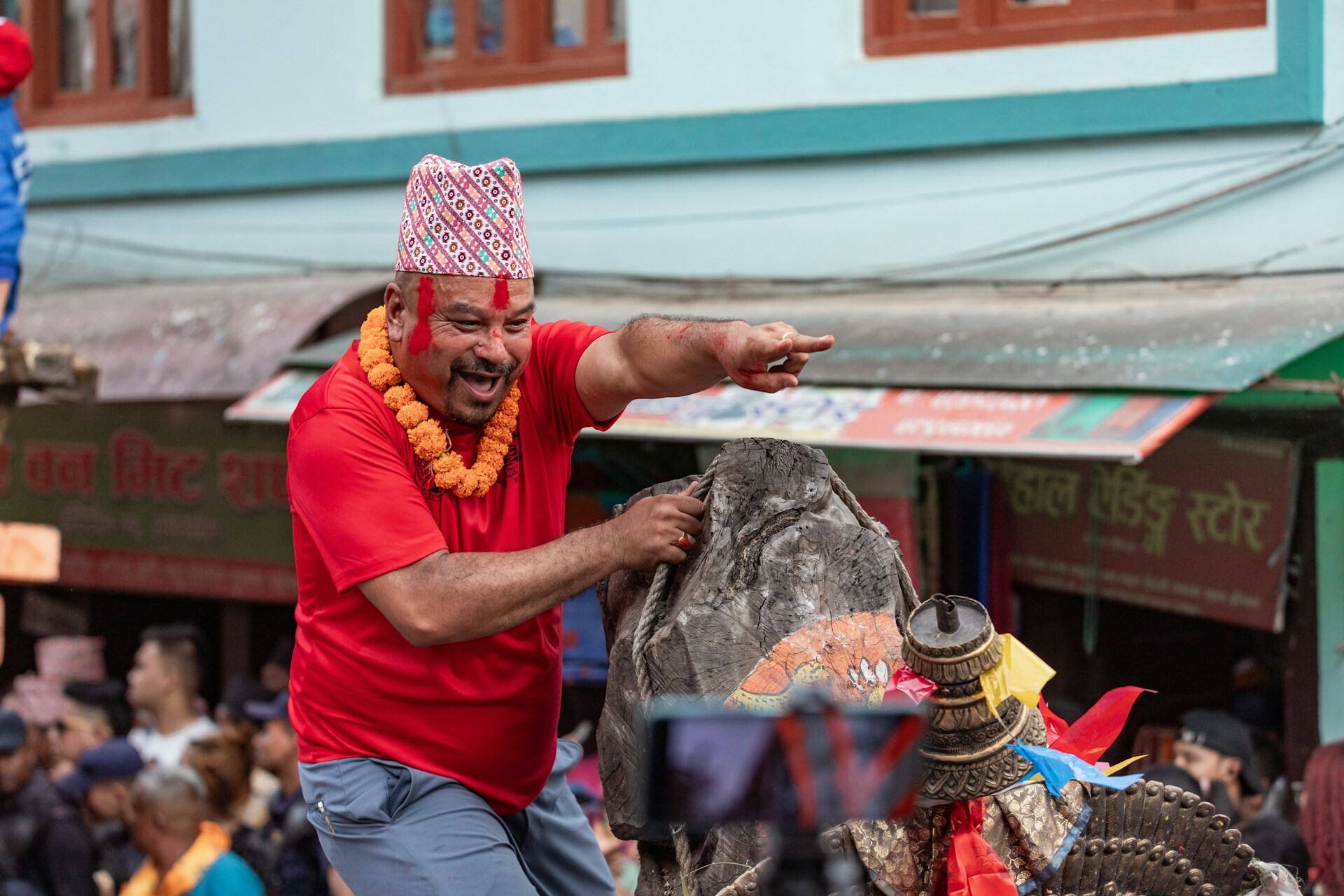
October to November is the prime season – clear skies, good light for photography, and Dashain and Tihar festivals adding colour to the streets. Also the busiest and most expensive time.
February to April is the other sweet spot. The rhododendrons are in bloom on the surrounding hills, the air is warming up, and crowds are manageable.
June to August (monsoon) means rain, leeches on the hills, and reduced mountain views. That said, the valley is still perfectly visitable, the festivals continue, and prices drop. Some people love it.
December to January is cold in the mornings, often hazy, and quieter. Fine for the heritage sites; less ideal if you were hoping to see the Himalayas.
Practical Tips
Dress modestly at religious sites. Shoulders and knees covered is the baseline. You'll be asked to remove shoes at many temple entrances. Some inner sanctums require removing leather items too – belts, bags, and so on.
Photography is generally fine in the open squares but restricted inside many temples and at the Pashupatinath ghats. When in doubt, ask.
Touts and guides are common at all the major sites. A good licensed guide adds genuine depth to a visit to the Durbar Squares; a bad one is just an expensive nuisance. Agree the price upfront and check credentials. For guidance on finding reputable operators, see our article on how to choose a trekking agency in Nepal – the same principles apply to day guides.
Air quality in central Kathmandu can be poor, especially in the dry season and when there's heavy traffic. If you're sensitive to pollution, a decent face mask (N95 rather than the cloth sort) is worth packing.
Altitude is not a concern in the valley itself – Kathmandu sits at around 1,400 metres, which is not high enough to cause problems for the vast majority of visitors. If you're heading up to trek after your time here, give yourself at least a day to acclimatise before pushing higher.
Planning to explore beyond the city? Our day trips from Kathmandu guide covers the best escapes in the valley and beyond, from the ridge-top village of Nagarkot to the ancient Newari town of Panauti.
And if the trekking bug strikes – which it almost always does – our trekking in Nepal hub has everything you need to get started, from permits to gear to choosing the right route for your fitness level.