There are places you visit, and there are places that rearrange something inside you. Nepal, rather unfairly, manages to be both at once. It is home to eight of the world's fourteen highest peaks, including Everest herself, and the trekking routes that wind between them are among the most spectacular – and most accessible – on earth. Whether you have a fortnight, a week, or a suspiciously vague sabbatical, Nepal almost certainly has a trail for you.
This is your starting point. We'll cover the essentials here – regions, seasons, difficulty, permits, costs, guides – and link out to dedicated articles where the detail gets thicker. Consider this the overview. The rabbit holes are all signposted.
Why Trek in Nepal?
We could wax lyrical about the Himalayas for several pages, and we will resist the urge, but a few things are worth stating plainly. Nepal offers an extraordinary combination of dramatic high-altitude scenery, living cultural traditions, remarkably good teahouse infrastructure, and a cost of trekking that remains, by global adventure standards, very reasonable indeed. Trails that would require expedition-level logistics anywhere else are accessible here to reasonably fit travellers with sensible boots and the good sense to acclimatise properly.
Add to that the warmth of the people, the improbability of the landscapes, and the somewhat life-affirming experience of eating dal bhat at 4,000 metres while watching the sun set over the Annapurna range, and you start to understand why so many people come to Nepal once and immediately start planning their return.
The Main Trekking Regions
Nepal's trekking terrain divides into a handful of major regions, each with its own character, altitude profile, and degree of remoteness. Here's the lay of the land.
The Everest Region (Khumbu)
The most iconic, the most visited, and the most likely to make your Instagram followers mildly envious. The classic Everest Base Camp trek takes around 12–14 days from Lukla, passing through Sherpa villages, Buddhist monasteries, and progressively more breathtaking terrain before depositing you at 5,364 metres with a view of the Khumbu Icefall and a legitimate sense of accomplishment. Several excellent variations exist for those wanting to avoid the busiest sections of the main trail.
The Annapurna Region
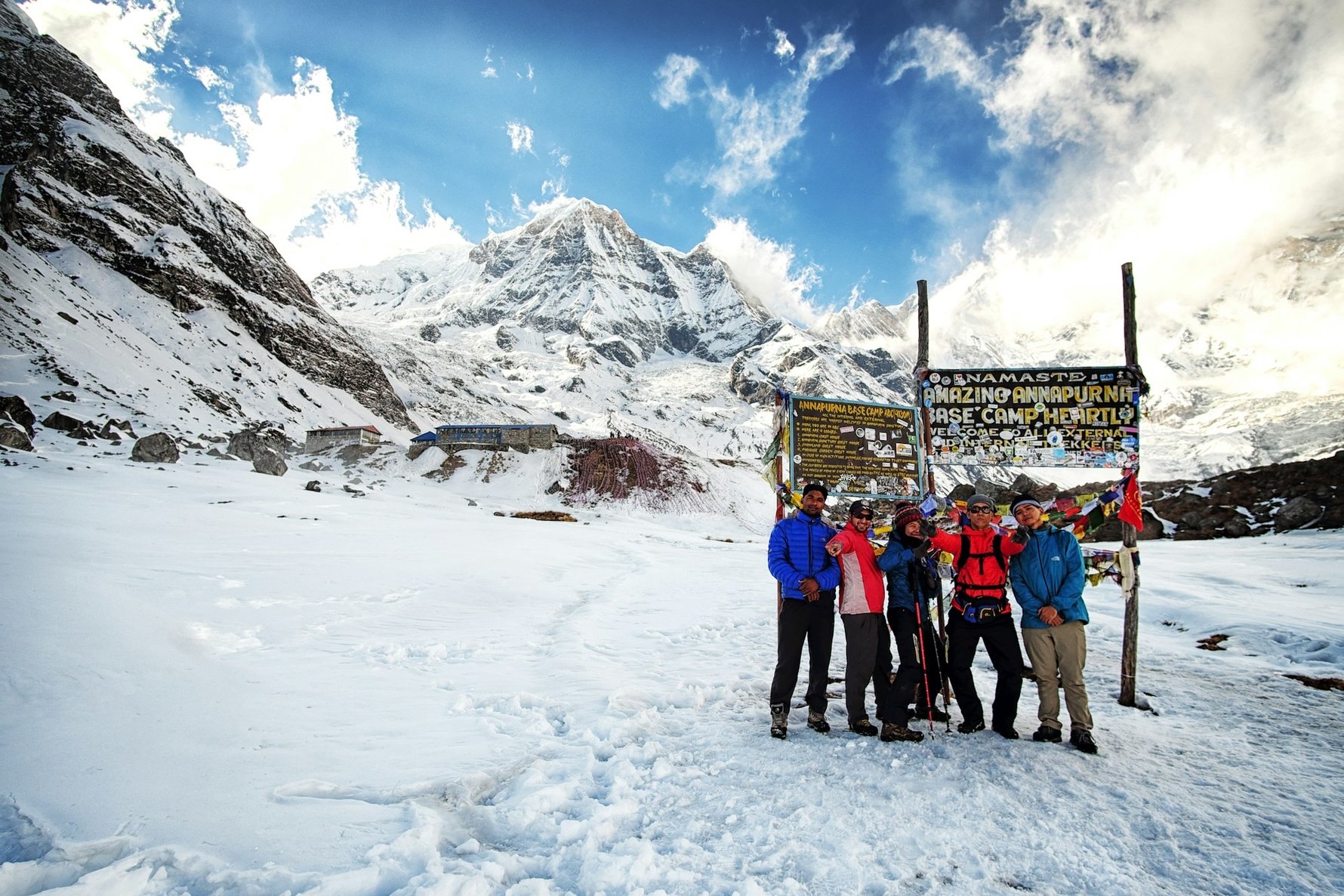
Nepal's most diverse trekking area, offering everything from the short and accessible Poon Hill trek (4–5 days, perfect for beginners) to the full Annapurna Circuit – a legendary multi-week route around the entire massif that passes through dramatic changes in landscape, culture, and climate. Annapurna Base Camp is another perennial favourite, a shorter route that takes you into the heart of the sanctuary below Annapurna I. The gateway to this region is Pokhara, a pleasant lakeside town that handles the pre- and post-trek chaos with considerable grace.
The Langtang Valley
The underrated one. Langtang sits just north of Kathmandu and offers a genuinely beautiful, culturally rich trek in a fraction of the time it takes to get to Everest or Annapurna. It remains less crowded than its famous counterparts, and the Tamang cultural traditions along the route are a highlight in themselves. If you're short on time or looking to avoid the well-worn main trails, Langtang deserves serious consideration.
The Manaslu Circuit
The more serious option. Circling the world's eighth-highest mountain through remote villages and over the Larkya La Pass at 5,160 metres, the Manaslu Circuit is for trekkers who've done the classics and want something wilder. It falls under Nepal's restricted area permit system, meaning a licensed guide is non-negotiable here – but the reward is a trail that still feels like genuine adventure rather than a very scenic queue.
Off the Beaten Track: Dolpo, Upper Mustang, Kanchenjunga
For those who find even Manaslu too mainstream, Nepal's more remote regions await. Upper Mustang is an ancient Tibetan kingdom in the rain shadow of the Annapurnas – surreally beautiful, dramatically different from the green lower hills, and blissfully dry during the monsoon. Dolpo is remote to the point of feeling slightly medieval, in the best possible sense. Kanchenjunga, in the far east, is one of the least-trekked major routes in Nepal. All require special permits, licensed guides, and a reasonable appetite for the genuinely unknown.
When to Go
Nepal has two peak trekking seasons, and they are peak for good reason.
Autumn (September to November) is widely considered the best time to trek. The monsoon has cleared the air, visibility is exceptional, temperatures are comfortable, and the trails are busy with good reason. October, in particular, is almost absurdly good. The downside is that you will share the experience with quite a lot of other people who have also read that October is almost absurdly good.
Spring (March to May) is the second peak season. The rhododendrons are in bloom, the temperatures are pleasant, and the skies, while occasionally hazier than autumn, are generally cooperative. March and April are sweet spots; by May, pre-monsoon clouds begin building in the afternoons.
Winter (December to February) is cold – sometimes very cold at altitude – but brings clear skies, quiet trails, and considerably lower prices. Lower-altitude treks like Poon Hill and Langtang remain perfectly accessible; higher passes may be snowed in.
Monsoon (June to August) is generally avoided on most main routes due to heavy rain, leeches, and poor visibility. Rain shadow areas like Upper Mustang and Dolpo, however, remain dry and are actually best visited during these months. It's a niche market, but it exists.
For a full month-by-month breakdown, see our dedicated article: Best Time to Trek in Nepal.