The city of
Gdańsk
is over a thousand years old, growing from a small fortification in the 10th century to a wealthy Baltic port in the late middle ages and onwards to become a major city of Poland and Central Europe. Together with the 19th-century resort town of
Sopot
and a competitive modern centre of
Gdynia
, the
Tri-city
has become a gravity point for the arts, culture, trade and political tensions of the last millennia. Needless to say, some of the greatest historic and scientific institutions in Poland (and Europe too!) can be found between these three areas and continue to pull millions of visitors annually.
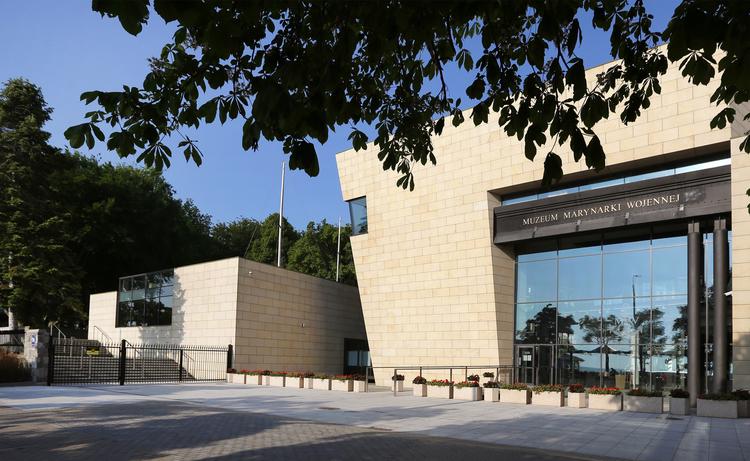
When we talk about the must-visits in Europe, in terms of war museums, this one is easily in the top 5. It's generally agreed that WWII began with the Nazi invasion of Poland, that is more-or-less common knowledge nowadays. However, many do not know that
the opening shots were actually fired in Gdańsk
, which is why the
WWII Museum
lives here and not in the capital Warsaw. Opened in 2017, this imposing piece of architecture can be seen from the historic centre (specifically the Green Bridge and from St. Mary's Basilica), and yet what you see is a mere half of what the building has to offer. Two floors below the surface is the permanent exhibition - more than 2,000 exhibits spread over three narrative blocks:
‘The Road to War’
,
‘The Horrors of War,’
and
‘The War’s Long Shadow’
. This is divided into 18 thematic sections, which is reflected in the layout of the exhibition rooms. The thoroughness of this museum is both a blessing and a curse. On the latter point,
you need at least 3 hours
to see everything properly. For more advice on visiting, read our article on
Visiting the World War II Museum in Gdańsk
.
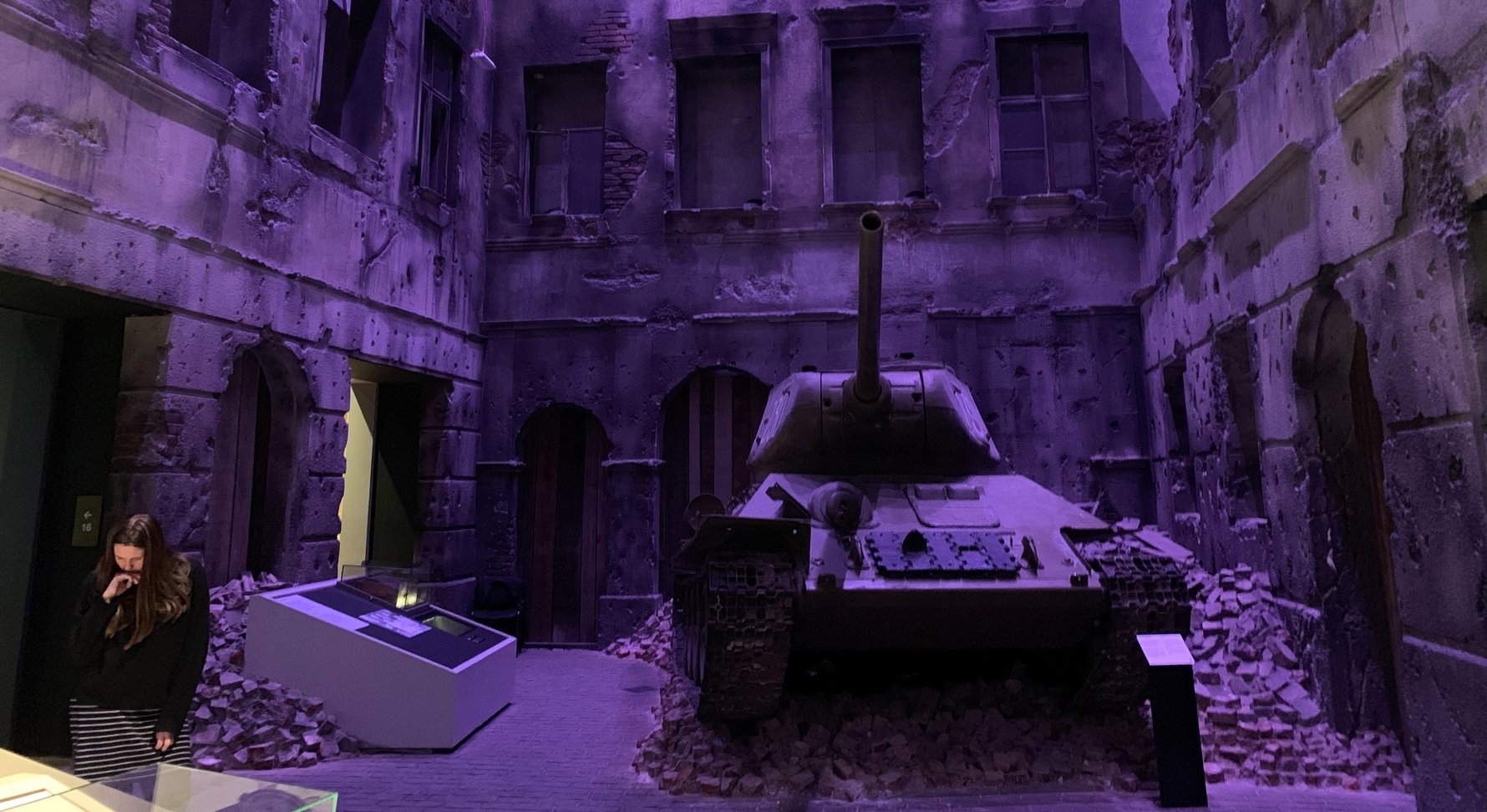
One of several graphic installations in the World War Two Museum that enhances the visitor experience.
The Soviet Union and the surrounding Communist Bloc emerged as a new superpower at the close of World War Two, holding a tight grip on Eastern Europe for 45 years, until a trade union movement in Poland finally stood up and demanded change.
The inspiring story of Solidarity
is a landmark in world history when the impossible was achieved and without the bloodshed that had proceeded Polish independence movements in the past. Opened in 2014 on the edge of the city's shipyards, the
European Solidarity Centre
is another recent addition to the
Tri-city
's repertoire of cultural institutions. It functions as a conference centre and library as well, however, the permanent exhibition, spread over three floors, is what draws people from all over the world. It covers the Solidarity story in great detail, including the psychological earthquake that occurred during Pope John Paul II's visit to the homeland in 1979. However, it also covers the domino effect that was set off in surrounding countries under Communist rule and how independence was achieved through similar means (with the exception of Romania). The ground floor usually has a temporary exhibition on, which typically relate to the theme of the pursuit of democracy. However, like the WWII Museum, this one also needs at least 2-3 hours to see everything. We also also highly recommend the audio guide! Read our article on
Visiting the European Solidarity Centre (ECS)
.
Average visiting time: 2-3 hours
The main branch of the Museum of Gdańsk (which also takes care of the
Amber Museum
,
Artus Court
,
The Polish Post Office Museum
and many more) calls the impressive
Main Town Hall
(PL:
Ratusz Głównego Miasta
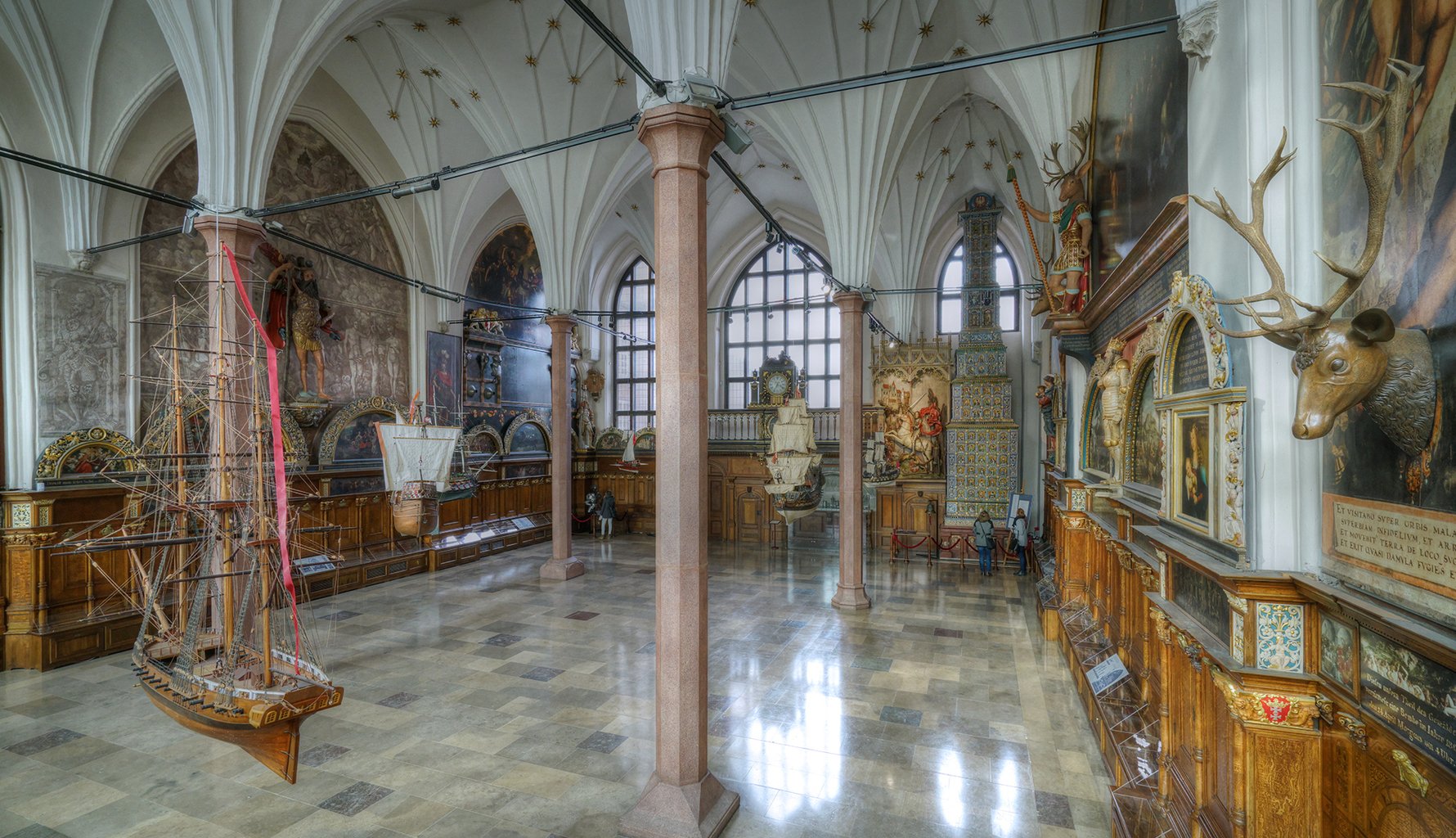
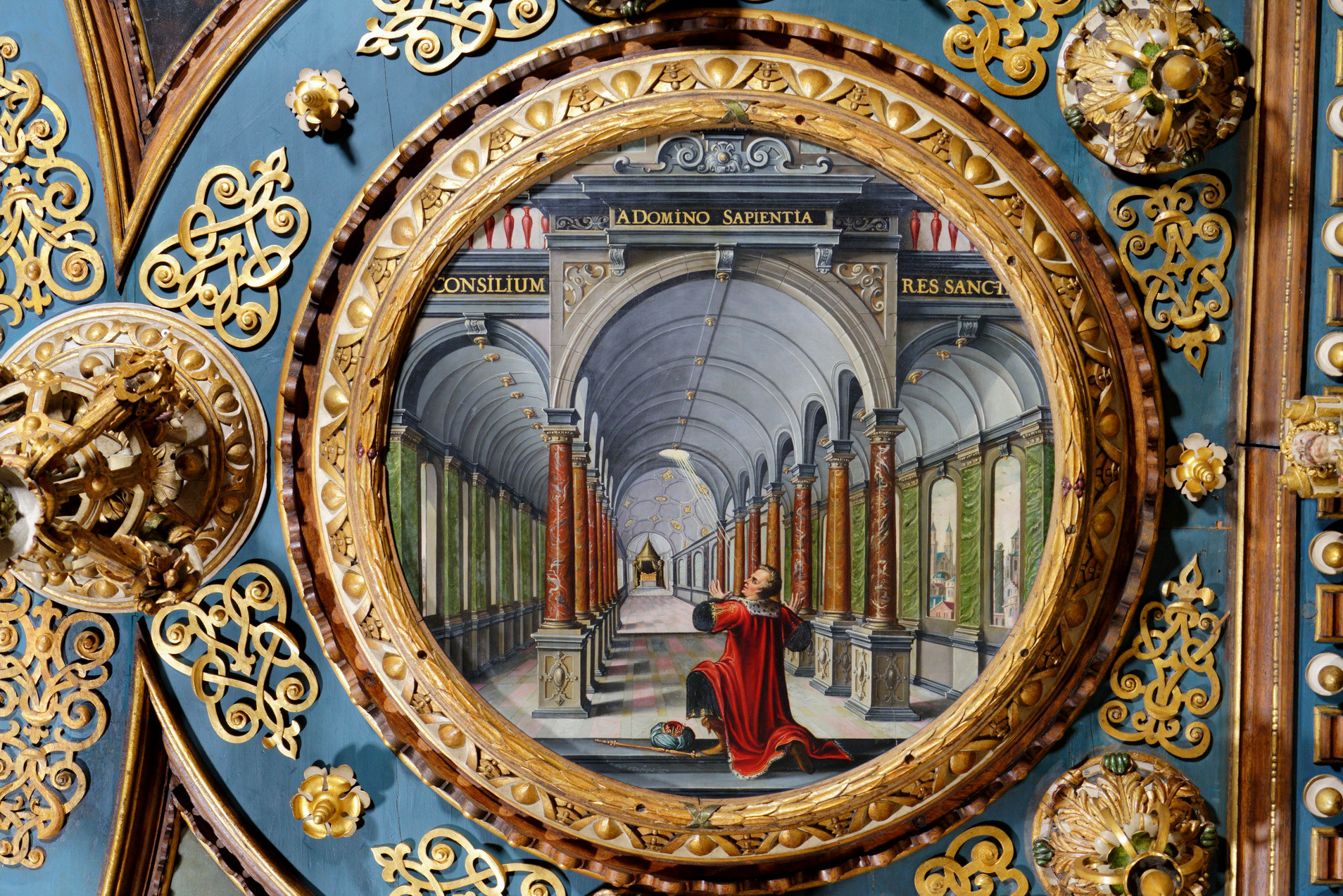
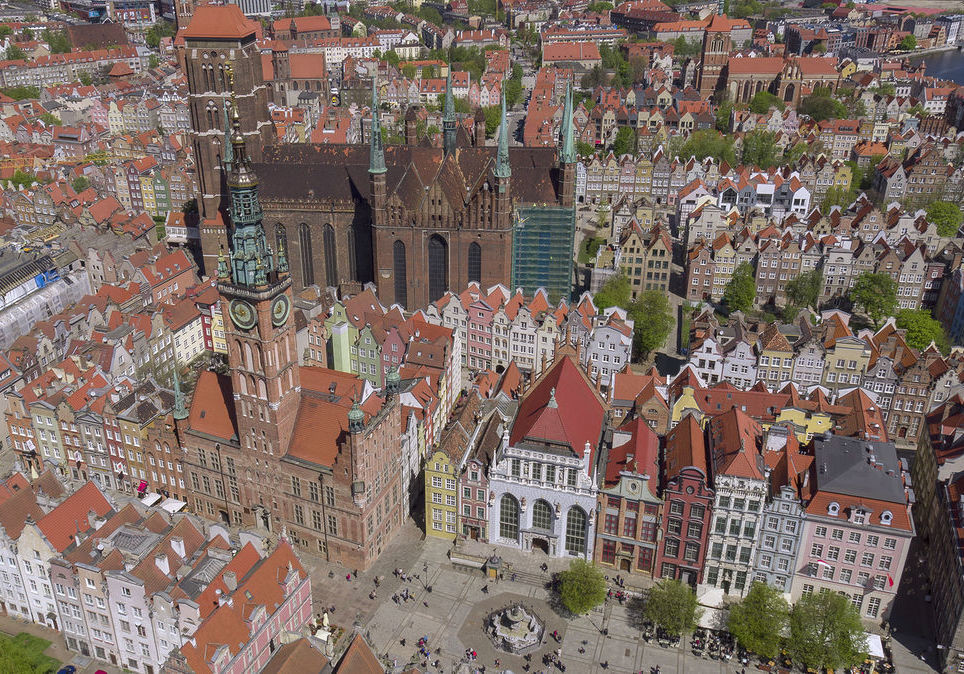
) home. This Gothic-Renaissance structure, originally built in the 14th century and hosted many visiting Polish kings, and was nearly wiped off the map in the destruction of 1945. Upon entering, the first set of rooms you come across are a lavish display of ceilings paintings, 17th-century furnishings and a ridiculous amount of silverware. However, it's on the top floor where you can really enrich your understanding of how life was like in everyday Gdańsk prior to
WWII
. During the summer months, you can pay a little extra and can climb up the tower and enjoy
fantastic city views
. While you're up there, check out the Carillon (bell instrument) set-up, which was inaugurated on New Year's Eve 2000 and one of only three that can be found in Poland (the other two are also in Gdańsk!). You can also find more temporary exhibitions in the Pile Gallery.
Average visiting time: 75mins.
Gdańsk may be Polish now, but it has changed hands many times throughout the centuries and, between the world wars, it was, in fact,
an independent city-state called by its German name: Danzig
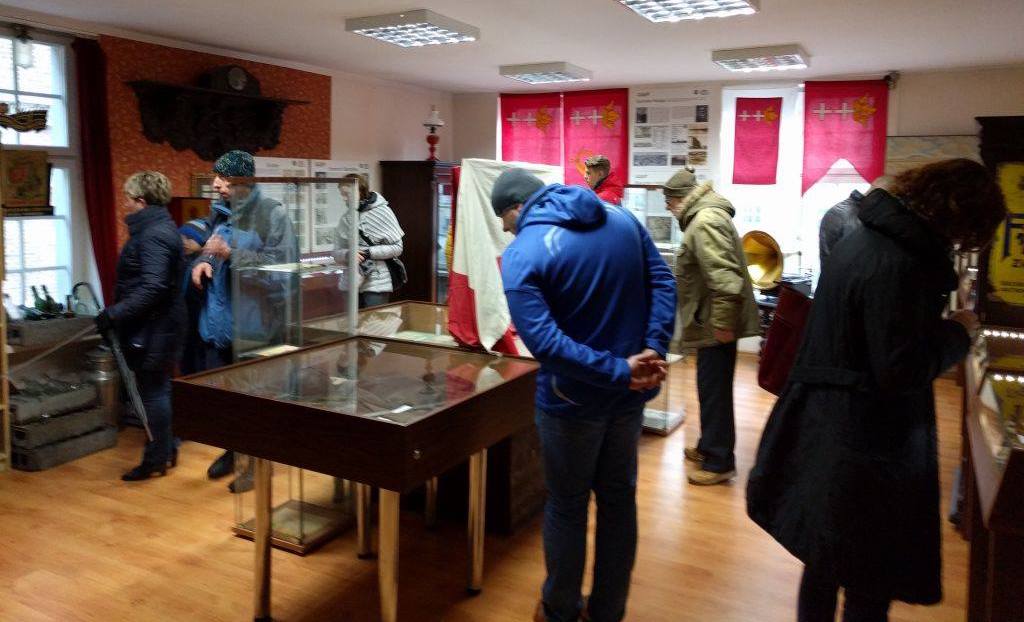
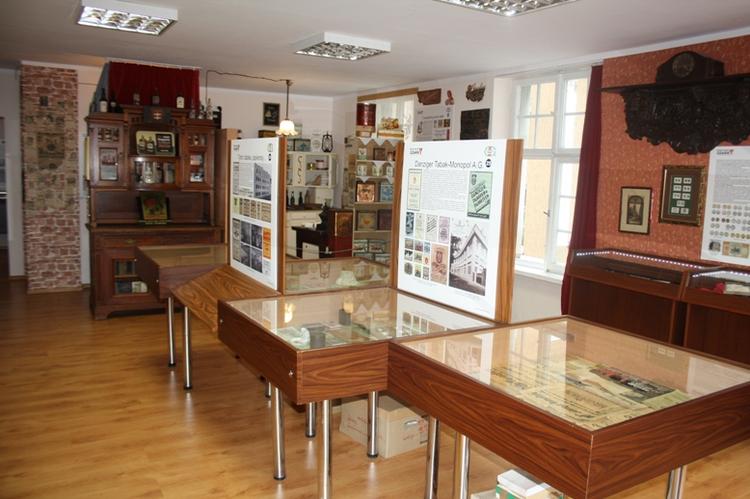
. Although the city was a majority German population with a large Polish and Kashubian minority, the population generally saw themselves by their own demonym: Danziger. They had their own passport, own currency, own stamps, own brands of liqueur and own sense of importance, all somehow important in realising one's own sovereignty! However, they had to deal with all the political fuss around them and this is where history gets a little complicated. To understand this period better than simply just reading a Wikipedia article, there is no better place to visit than
Free City of Danzig Historical Zone
on ul. Długi Targ. While the displays are simple and there are no fancy lights and installations, the exhibition is very informative and the memorabilia on display gives you the impression that you're visiting an interwar home of an eccentric Danziger!
Average visiting time: 30 mins
Gdańsk has been a port for as long as the records have shown, so Maritime history continues to be an influence on the whole of the
Tri-city
. A modern building on the waterfront in the shadow of
the city's iconic Crane
, the
Maritime Culture Centre
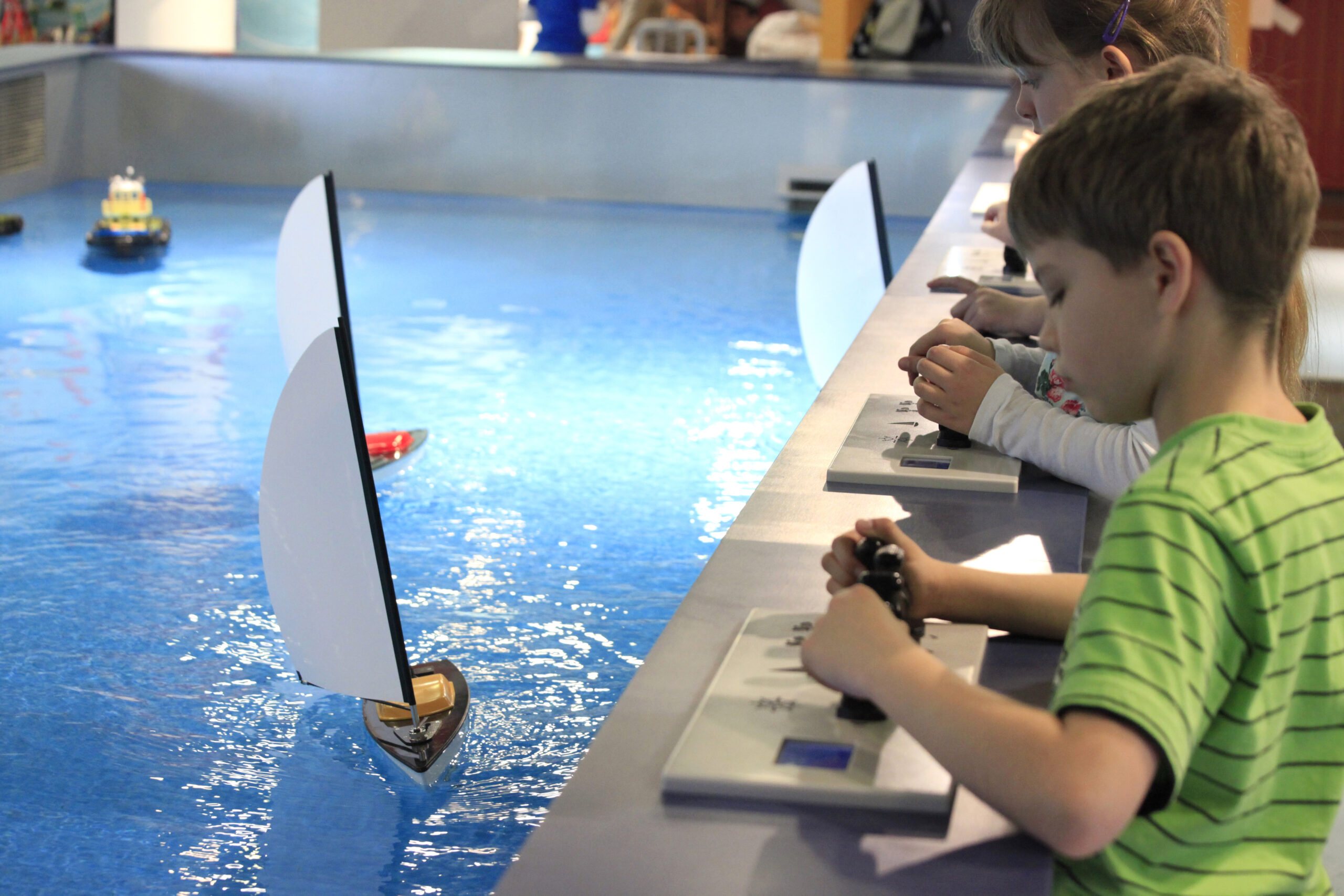
is spread over 4 floors, and is very much appropriate for all ages. Kids will find the interactive displays of interest as they learn about the sea, marine technology and how the two work together. The permanent exhibition,
Boats of the Peoples of the World
, takes a look at ships built in Gdańsk over the centuries but also presents scores of small craft from all over the world, including Native American dugout canoes, a fabulous little English coracle and numerous small fishing and trade vessels from the Far East. The third floor currently houses an interesting temporary exhibition telling the stories and displaying the treasures recovered from local shipwrecks and a second call
Statki Nasza Pasja
(ENG: Ships. Our Passion). There are plenty of good English descriptions plus the
Cała Naprzód
(Polish: Full Steam Ahead) on the fourth floor, which offers great photo opportunities of the river from its terrace. Keep in mind, the city's
Maritime Museum
owns this venue and a number of others, including
the Crane
museum and several ship museums in Gdynia, and ticket packages that cover entry to all of these are available!
Average visiting time: 1 hour
Two cities up the coast from Gdańsk,
Gdynia
is another port city that was developed in the early 20th-century and is generally-regarded as
Poland's Gateway to the World
. In the old passenger terminal building, which has seen millions of Poles board ships to seek life in other places, the story told in the
Emigration Museum
begins many centuries before Gdynia's founding and draws a parallel with the nation's turbulent history and the constant movement of its people.
Average visiting time: 2-3 hours
Amber has been gleaned and worshipped around the baltic for many millennia, and
Gdańsk
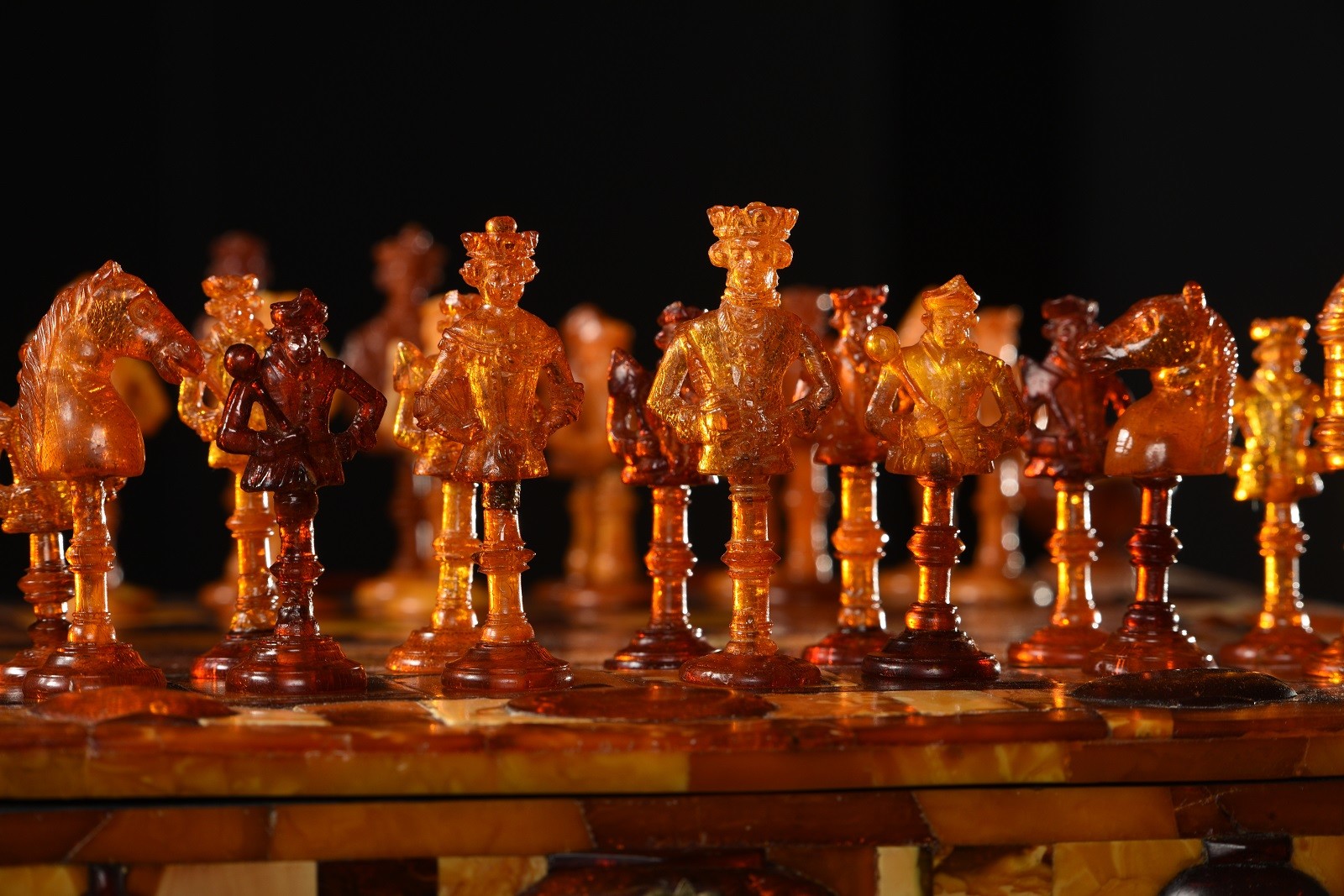
is the industry's international centre. It should be of no surprise then that such a museum exists in the city. Formerly in the Foregate building near Złota Brama, the Amber Museum in Gdańsk now lives in ambiently-lit Great Mill and uses immersive multimedia presentations and interactive displays to delve deep into the extensive history of Baltic amber. The impressive collection of “inclusions” (when bugs or plants are caught inside the amber) is intriguing to look at, and the many amber creations, from inkwells to spoons to a stunning Fender Stratocaster guitar, shows the material’s diversity. There's also a chess set, produced in Gdańsk in the late 17th-century, that had changed many hands internationally before returning home for the museum's grand opening! Amber enthusiasts should also take note of
ul. Mariacka
, the amber district in
Gdańsk Old Town
.
Average visiting time: 2 hours
A chess set carved from amber, produced by Gdańsk artisan Michael Redlin in the late 17th-century.