
What to do in Szczecin/Stettin, Poland?
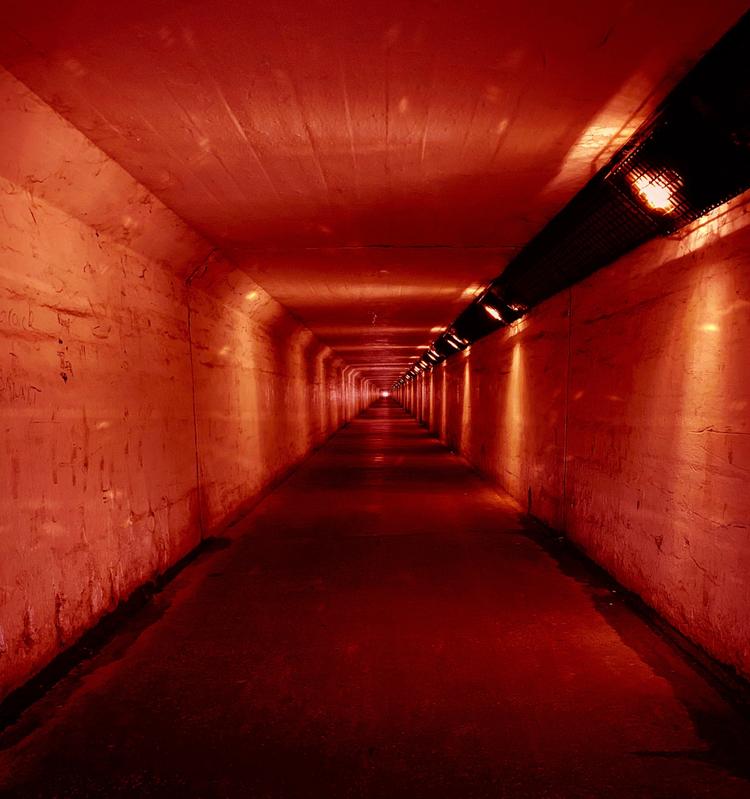
Whether you call it 'Szczecin' or 'Stettin', this major city in the Polish region of West Pomerania has witnessed many changes in power over the centuries, thanks to its ideal location as an inlet to the Baltic Sea, and a complex tug o war history between Germany and Poland. Consequently, Szczecin's unique past is reflected in all things above and below ground in the city centre, and despite the fact that the iron-curtain has been open for more than 30 years, it is still waiting to be discovered! If you've been looking at the train map between Berlin and hotspots in Poland like Warsaw and Kraków , you may have seen this awkwardly-spelt city on the way and have that burning question about what to do in Szczecin and indeed is it even worth stopping by? The answer is: YES! There are plenty of things to do in Szczecin and we're here to tell you about it!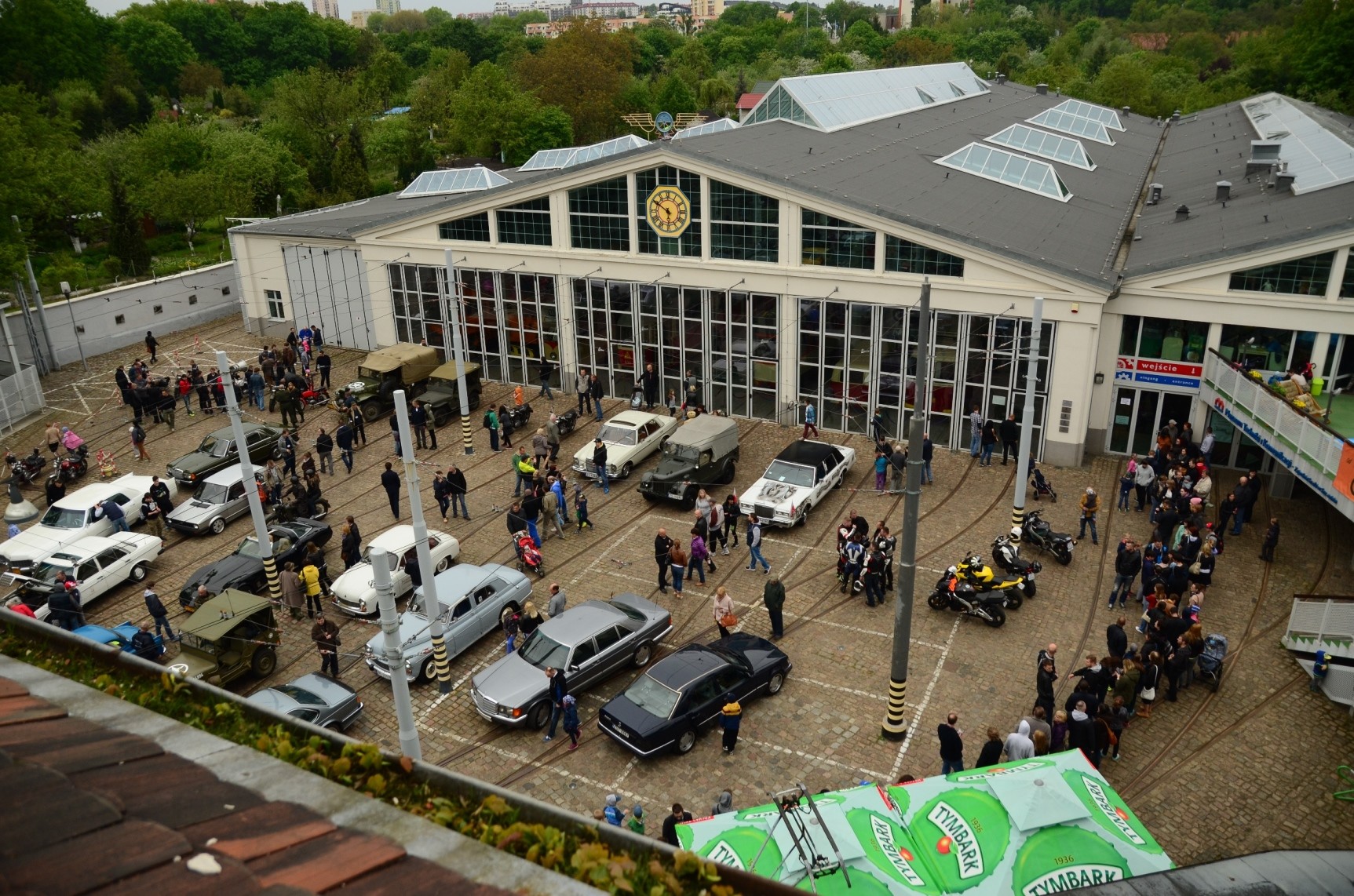
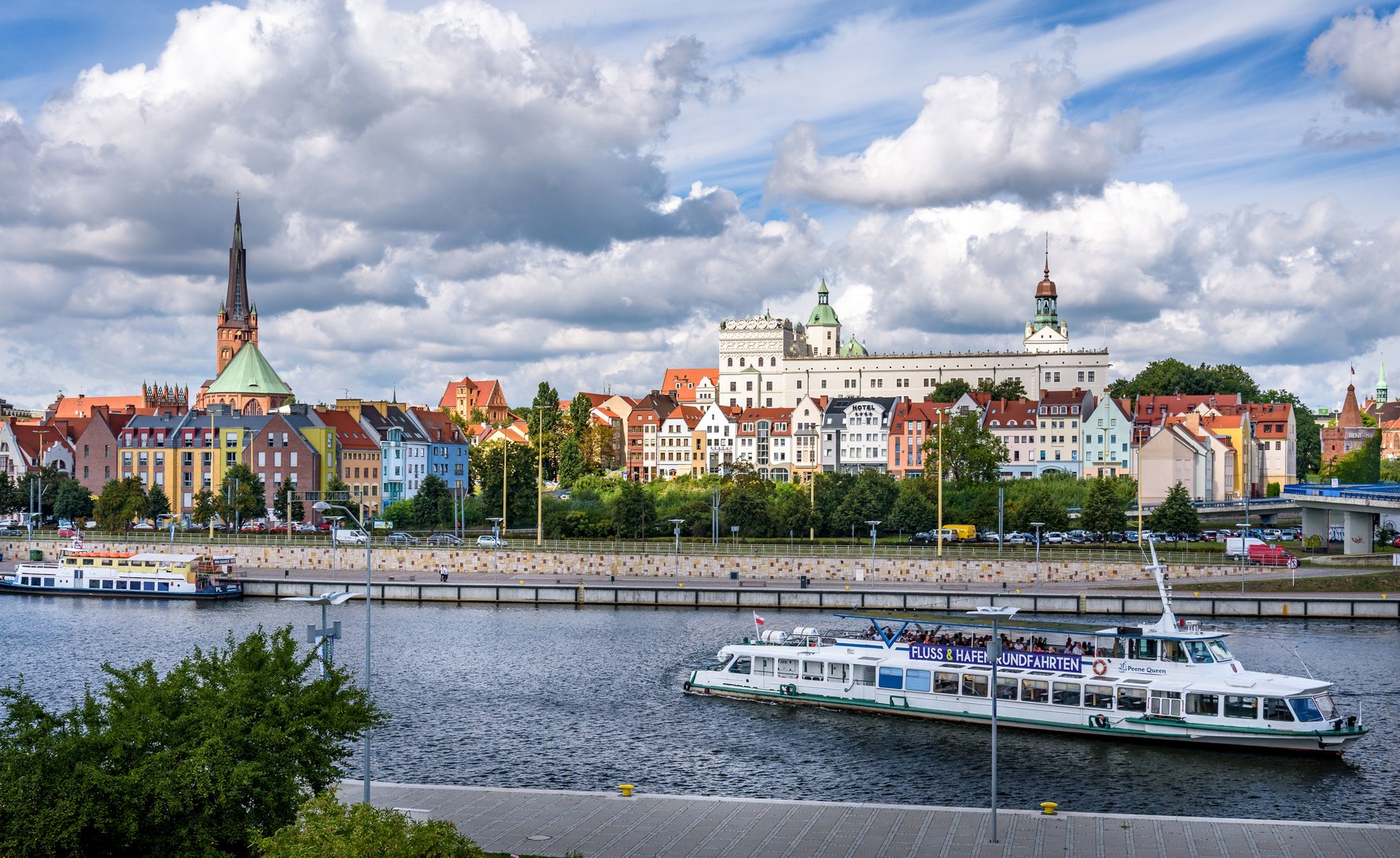
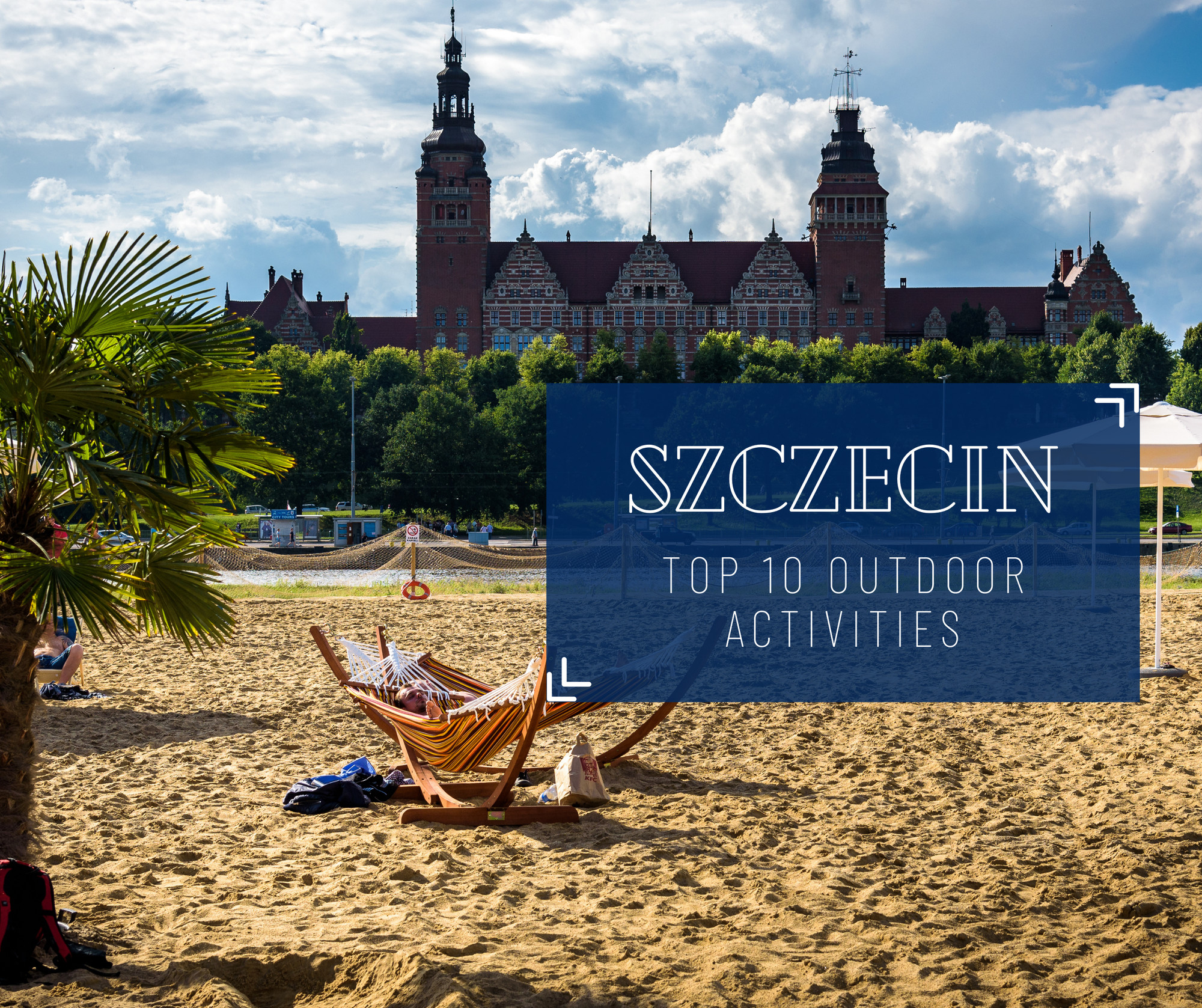
Before we get into our pick of favourite places for sightseeing in Szczecin, there's a few logistical things we'd like to bring up! Firstly, the district 'Stare Miasto' (ENG: Old Town) may be called as such on Google Maps, however, in reality, you should not expect a neighbourhood of rustic ye old buildings like it is in Warsaw, Gdańsk or Kraków. For the most part, the landmarks we list below are many city-blocks apart from each other. This brings us to our second point: Szczecin is a biiiiig city! Not like New York or San Paulo big, however, it's quite spread out compared to other European metropoli. It's no surprise that there is a 12-route tram system that services all corners of the centre. Our recommendation, especially if you really want to get the most out of your Szczecin visit, is to buy a Tourist Card, which allows free travel on public transport and 50% off all museum entries (amongst other perks). The other popular options that are encouraged by the local tourism authorities are the Szczecin's scan-and-go bike systems, the use of which are facilitated by the many bike paths around. For more on that, read our article Top 10 Outdoor Activities in Szczecin.
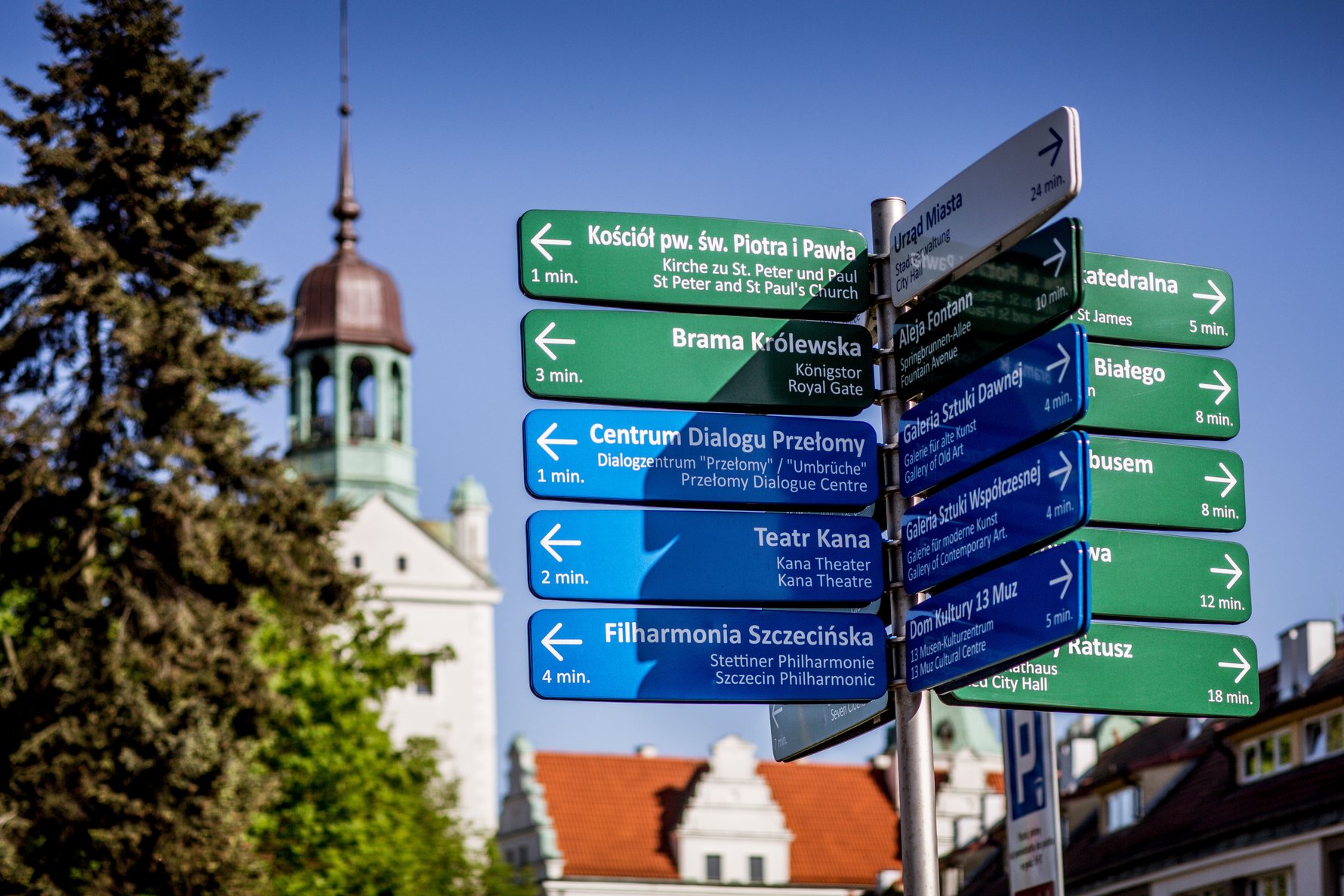
Sienny Market Square + The Old Town Hall (Szczecin's History Museum)
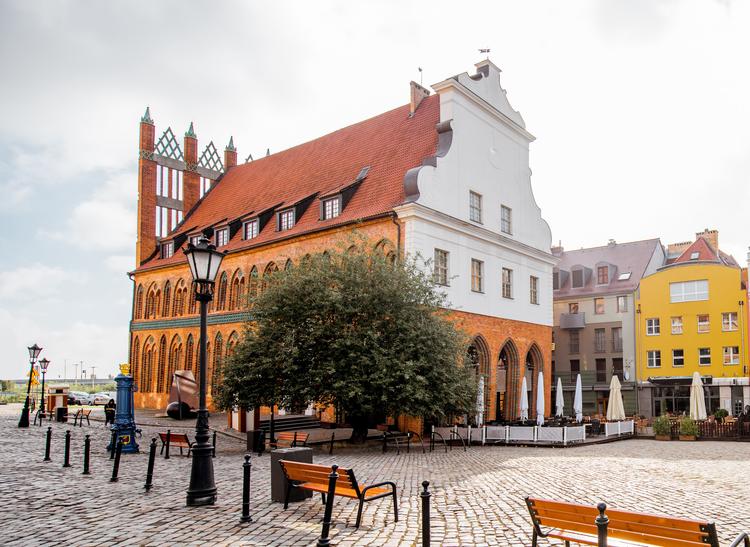
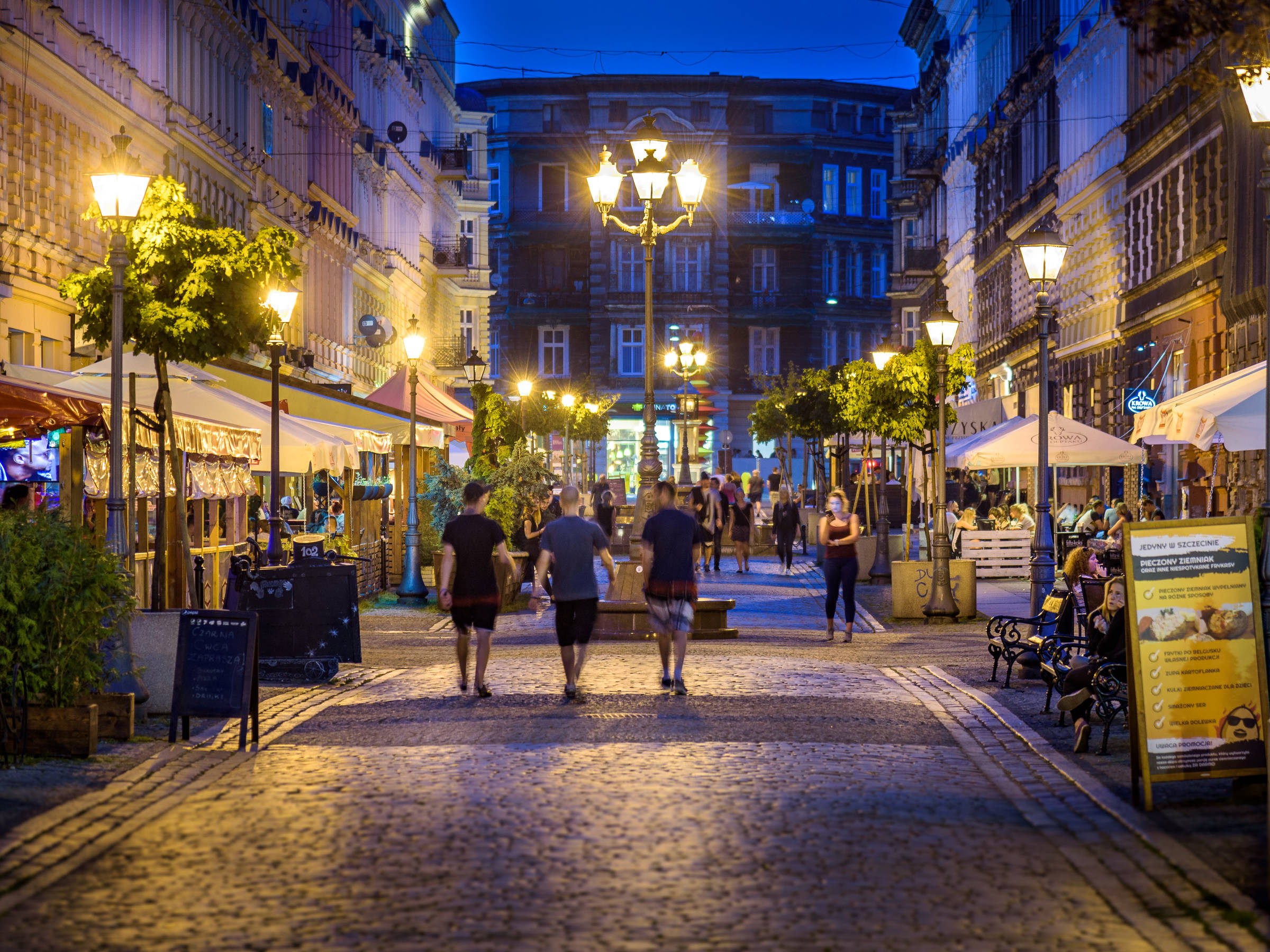
The pretty little heart of Szczecin's old town, Sienny Market Square (PL: Rynek Sienny) a simple affair - a gently-sloping cobblestone street lined with colourful 18th-century clockwork houses, which now house several gastro options. While you may be in the Old Town marketplace for a coffee, bite to eat or satisfying your insta needs, those who are looking to learn more about the city's history need look no further than the southern corner of the square. That white-washed clockwork facade ontop of gothic brick arches is the Old Town Hall building. If you think this is impressive, you must make sure you switch sides and check out the fully-blown neo-gothic tower fencing on the street-side. Proceed inside and you'll find the Szczecin's History Museum , sporting a collection of archaeological relics dating from the 8th century onwards, as well as an overview of the city through the ages under Prussian, Swedish, German, and ultimately-Polish rule.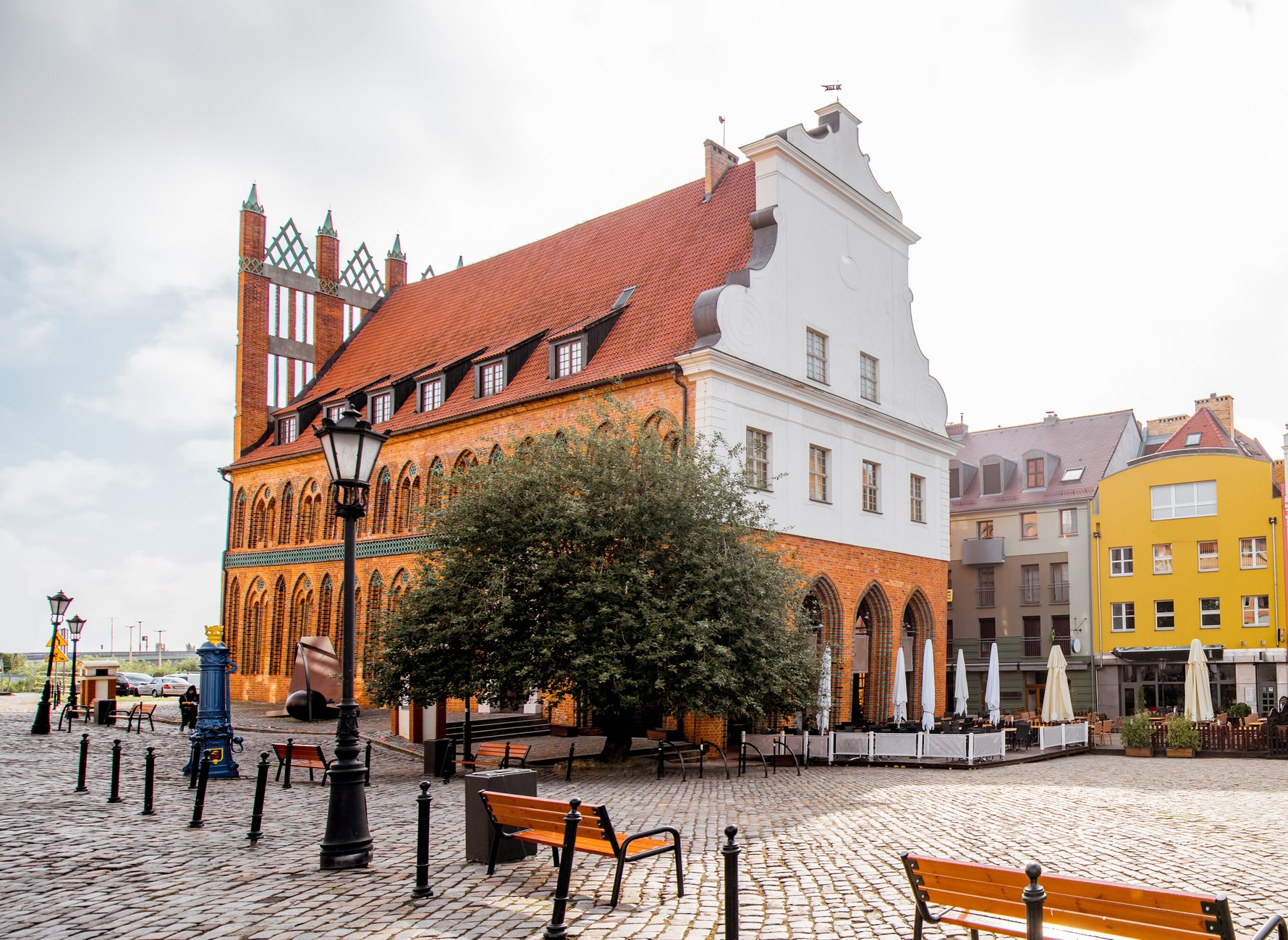
Ducal Castle, Szczecin
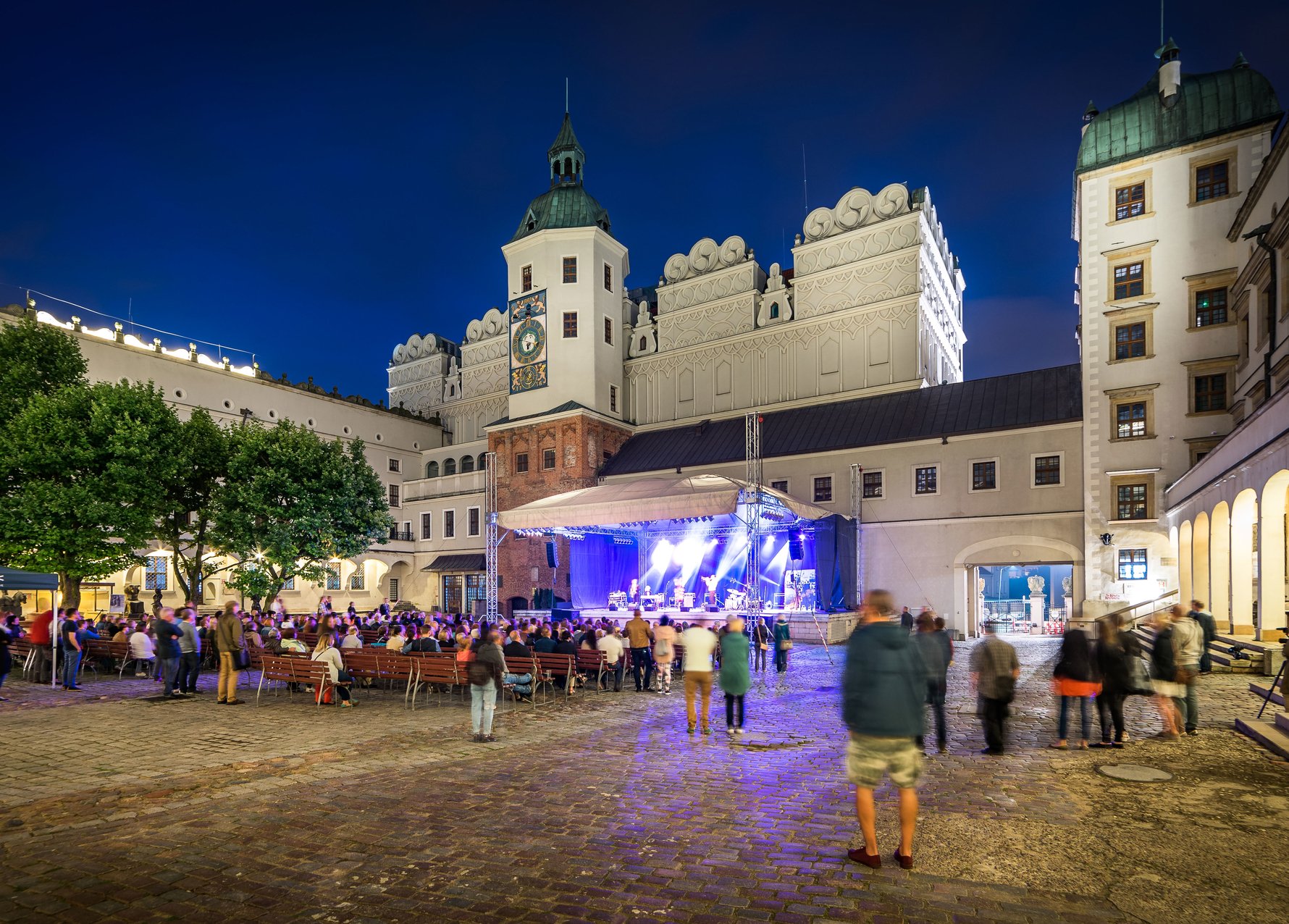
Looming above the old town skyline like a big wedding cake, the Ducal Castle (also known as the 'Pomeranian Dukes' Castle' / 'Zamek Książąt Pomorskich') doesn't need to work hard to draw attention to itself. It was completed in 1428 as a seat of power for the Pomeranian Dukes of the House of Griffins. So influential was this dynasty, that the coat of arms of Szczecin is a griffin's head that can be found all over the city! So too can the Griffins' standard be seen all over the castle grounds, including around the impressive mechanical clock on the tower. The castle was also the childhood home of Sophia Augusta, who became Tsarina Catherine the Great of Russia. Aside from the jaw-dropping interior architectures and the range of medieval and renaissance furnishings, there's plenty of Latin catch-phrases to be found on foundation plaques in the various wings: CARPE DIEM (Seize The Day), VITA BREVIS (Life Is Short) etc. On the lower levels, you can also see an open-glass display on the floor level of the 8th-century fortifications that once stood in this castle's place, as well as a 'Witches’ Cell' that actually only ever held one so-called 'witch': Sidonia von Borcke, a Pomeranian noblewoman blamed for the premature death of Griffin Duke Philip II. These days, good use is made of the courtyard, with many cultural and musical events taking place in the warmer months! In February 2021, archaeologists discovered a Nazi-era tunnel network below the castle, however its purpose is yet to be confirmed.