
Like many other consonant-rich cities and towns in Poland, non-Polish speakers browsing the map of Central Europe often query "how to pronounce 'Szczecin'?"
It goes like this: " SHCHET-cheen " (Go on, you got it!!).
However, Szczecin has been known by a handful of other names in its 1100+ year history. Most notably, Germany and Sweden still refer to this pitstop as ' Stettin ,' which we're sure most English-speakers would prefer today. The variations of placenames reflect the importance that this strategically-placed delta off the Baltic coast held for the key powers in Central Europe. Furthermore, it may have begun and ended as a Slavic centre, but between its first mention in the 8th century and the end of WWII, Szczecin/Stettin would change hands numerous times. Put simply: there's a reason why, today, Szczecin is just 14km from the border with Germany!
How Old Is Szczecin/Stettin?
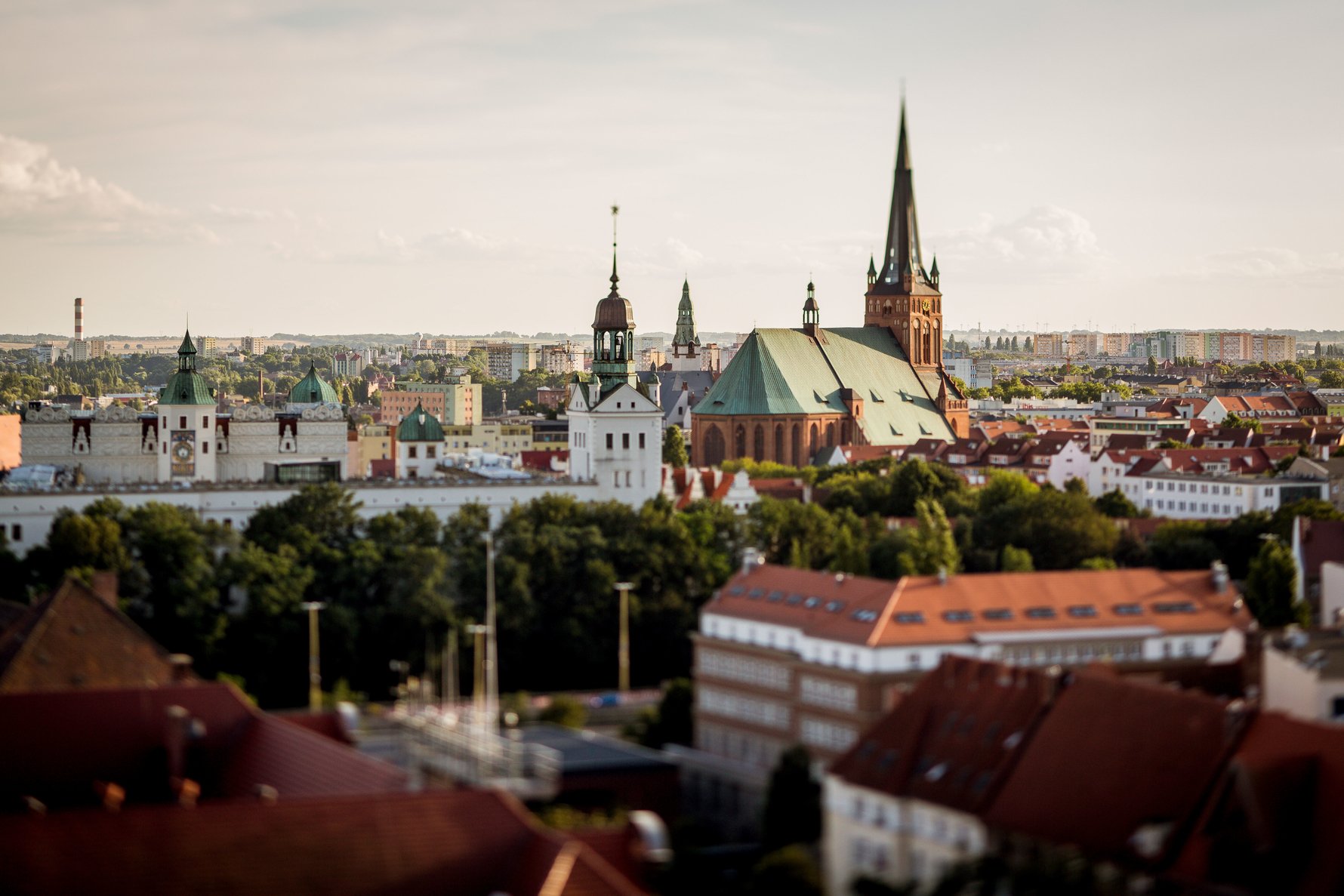
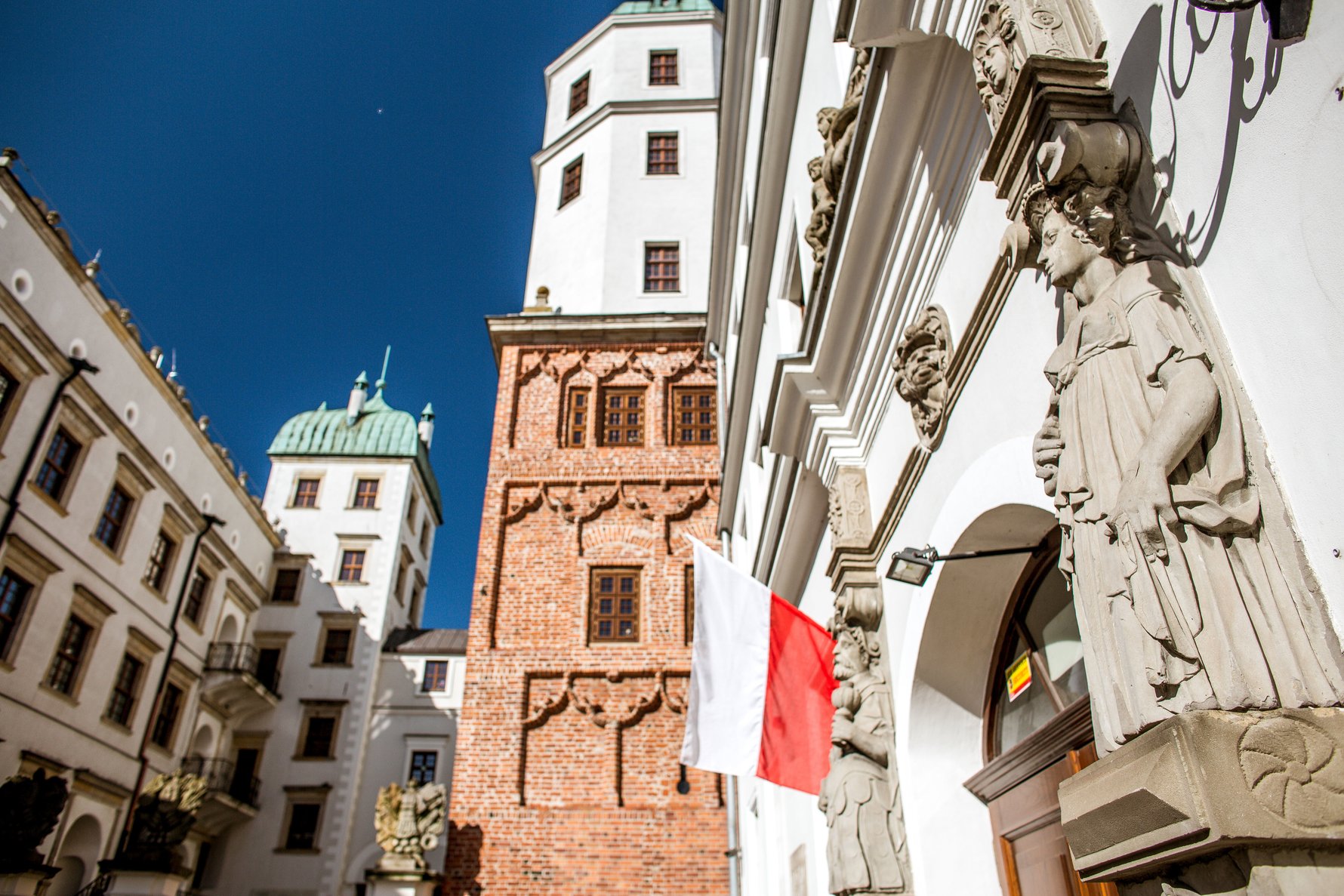
Visitors heading to the city's 14th century
Ducal Castle
have the opportunity to peer back even further in time on the bottom floor, where a glass floor reveals the ruins of a stronghold that once stood on its hill location. This 8th century structure, the earliest known site in Szczecin, was constructed by Lechtic Pomeranians before the area had been christianised. In fact, the etymology of the name Szczecin' is most likely a reference to this landmark, as 'szczyt' in Old Slavic means 'shield' but also 'hill peak'. Overlooking the inlet of the lagoon and the West Oder River that empties into the Baltic sea, this was clearly an ideal strategic location, particularly for defending against any unwelcome visitors from the north.
When did Szczecin become a part of Poland?
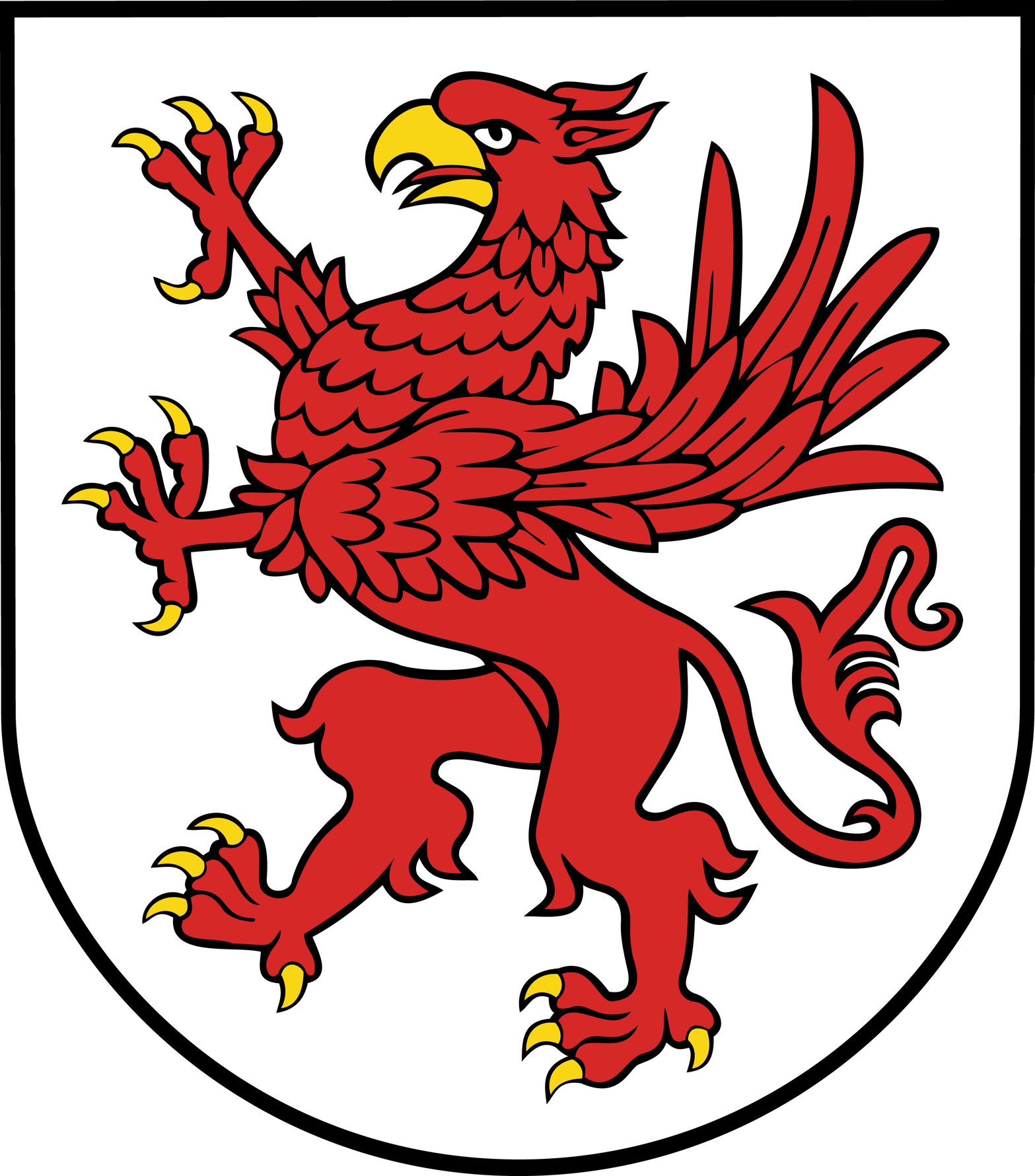
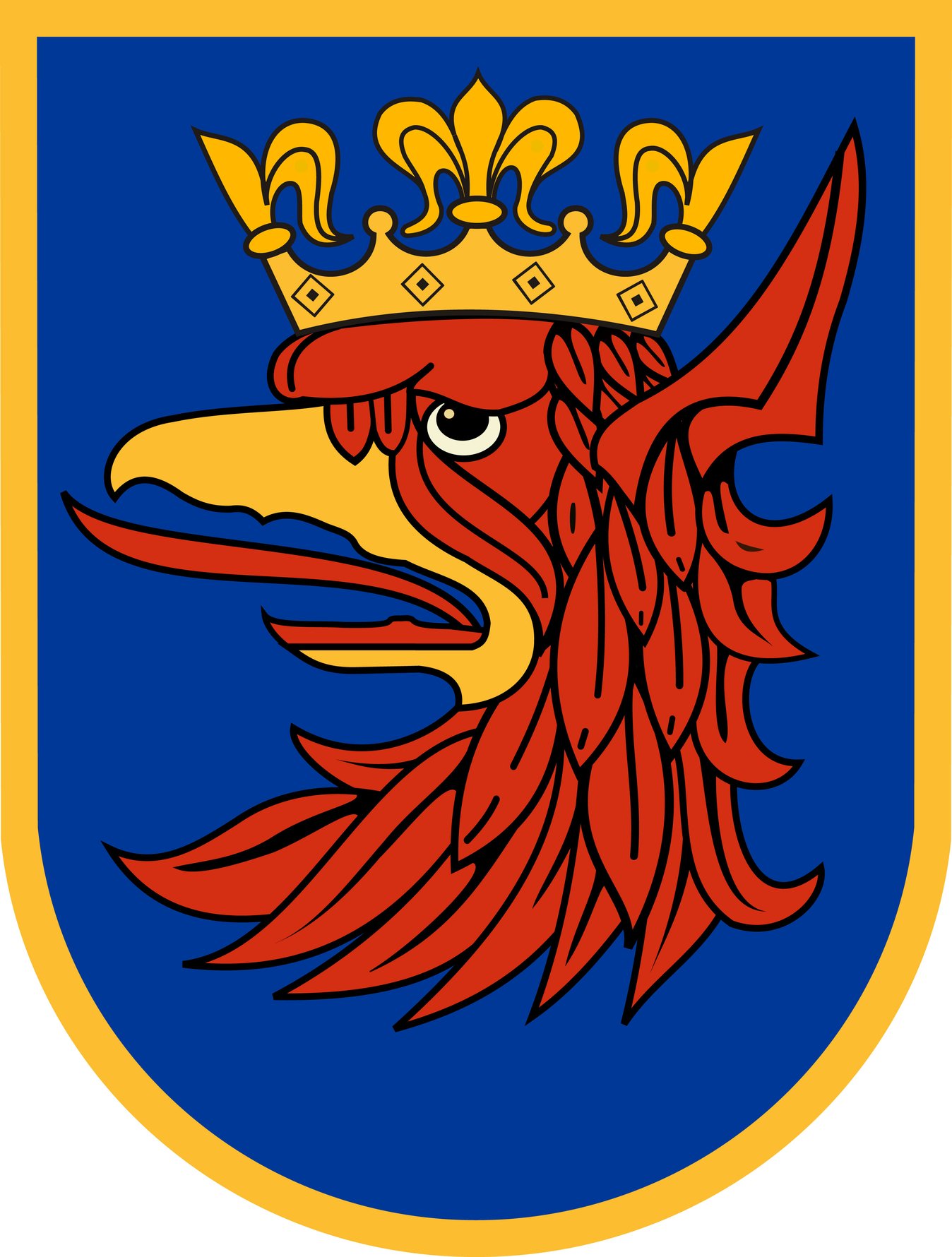
It wasn't long, however, until the newly-christened Polish State under Mieszko I, the first of the Piast rulers, expanded from their base region in today's Wielkopolska and took control of Szczecin in the 10th century. The locality would change hands frequently between the Poles and the German-fronted Holy Roman empire over the next two centuries. The area between Kolberg (now Kołobrzeg) and Szczecin was founded by Duke Wartislaw I in 1121 as the 'Duchy of Pomerania', and the dynasty known as the 'House Of Griffin' was born. With a population of somewhere between 5,000 and 9,000, Szczecin was now considered the major centre, if not the capital, of Pomerania. The Dukes of the House of Griffin would eventually commence the building of the Ducal Castle from 1346, and their coat-of-arms have represented Pomerania and Szczecin to this very day! The last Polish ruler for a significant amount of time would be Bolesław III Wrymouth, who conquered the Szczecin-end of Pomerania, oversaw its christianisation and managed to fend off Holy Roman crusaders for a short while. The first version of the Saints Peter and Paul Church was built in 1124. However, following Bolesław's death in 1138, Szczecin and Pomerania would be enveloped by the Germanic west and become known as Stettin.
|
|
Danish and Holy Roman Rule of Szczecin/Stettin and Pomerania
Then began a dance-off between the Holy Roman Empire and Denmark, the latter of which periodically controlled Pomerania into the 13th century, and Stettin was completely destroyed and rebuilt in the process. Stettin appeared as '
Burstaborg
' (meaning 'bristle mountain', a mistranslation of 'Szczecin' in Danish) in the Icelandic 'Saga of Cnut's Descendants', which glorified Dano-Icelandic conquests. After Denmark finally relented control in 1235, a period of high migration from various parts of the Holy Roman Empire, known in German as 'Ostsiedlung', saw the Stettin grow rapidly and its inclusion into
the federation of Wendish towns
(a precursor to the economic network known as the Hanseatic League) saw increased trade and prosperity. However, Slavs were being treated as second class citizens - forced to settle in separate neighbourhoods from their German counterparts, subjected to increased taxes and excluded from economic and artisan guilds. Jews, who had been granted settlement rights under the Magdeburg law, were restricted to living outside the town walls entirely.

Swedish Pomerania and Szczecin/Stettin during the Thirty Years War
In the late 16th century, as Szczecin came to rival other Holy Roman cities like Berlin and Leipzig in size, a new power began to emerge across the Baltic - the Swedish Empire. While the Polish-Swedish War ravaged the Baltic coast of the Polish-Lithuanian Commonwealth, Pomerania opted for a more-peaceful resolution. Bogusław XIV signed the Treaty of Stettin in 1630, agreeing to an alliance with (and occupation by) the Swedish Empire. This coincided with Sweden's entry into the 'Thirty Years War' which had seen the Catholic Holy Roman Empire in conflict with other Protestant nations since 1618. Bogusław XIV was also the last of the Griffin dukes, dying heirless in 1637. Following the end of the Thirty Years War in 1648, Sweden lost the eastern half of Pomerania to Brandenburg, which would eventually evolve into the Kingdom of Prussia. Thus, Stettin was fortified as the Swedish Pomeranian capital and was besieged by Austrian and Danish forces during the Scanian War (1675–1679). A key part of the west fortification wall is where
Wały Chrobrego
stands today. The decline of the Swedish Empire in the early 18th century saw Prussia absorb Western Pomerania into its territory in 1720.
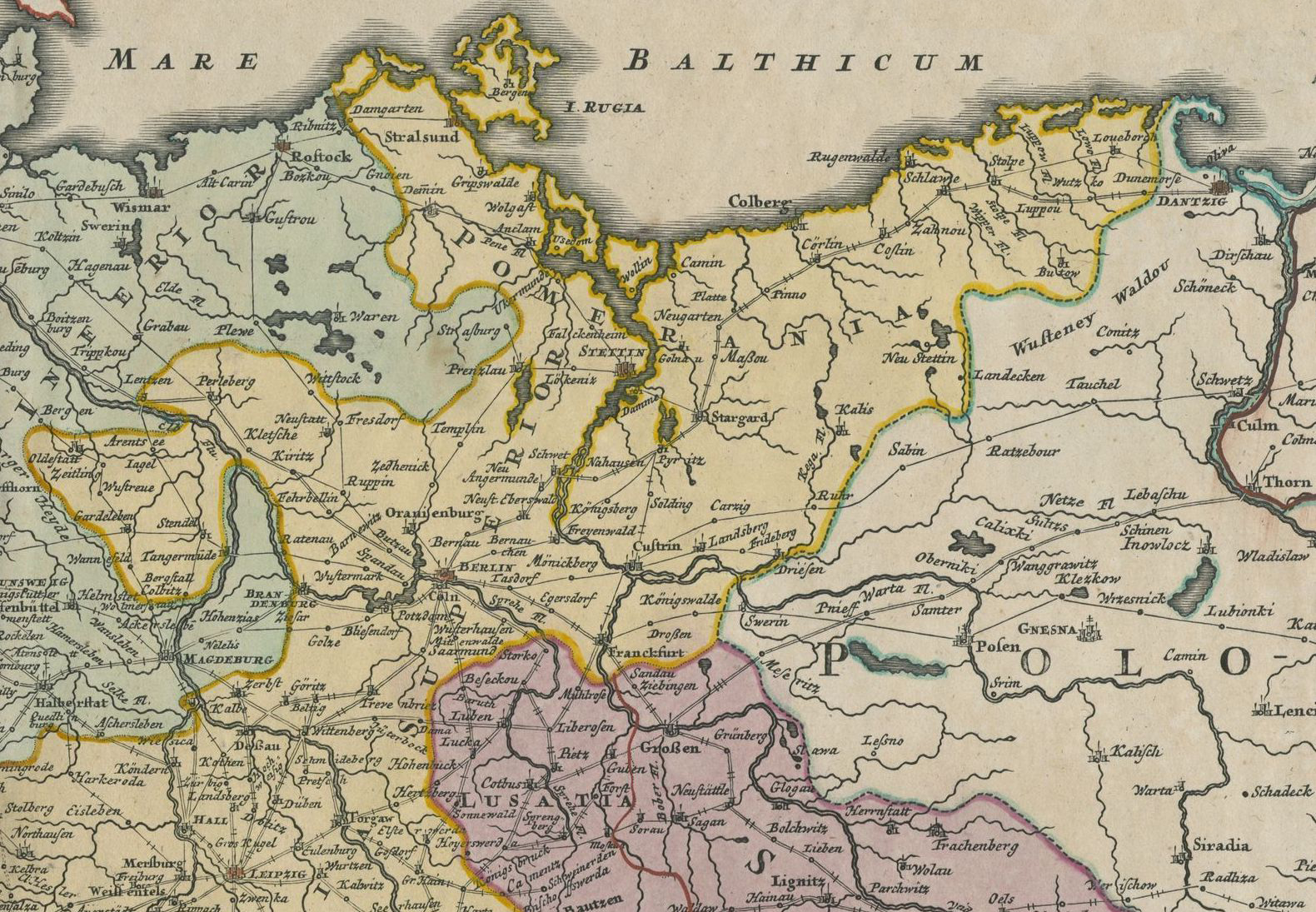
On the far right, you can see Danzig (Gdańsk) falling just within Polish-Lithuanian territory.