Let's start with the thing everyone is thinking about: Turkey Teeth.
You've seen them. Possibly on a relative's Instagram. Possibly on a reality TV show. Possibly accompanying a cautionary news segment. The blindingly white, geometrically perfect, eerily uniform smile that has become both the aspiration and the cautionary tale of dental tourism in the 2020s.
Here is the honest version: Turkey has some genuinely excellent dental clinics, internationally trained dentists, modern technology, and prices that are 50–70% lower than the UK and US. It also has a documented problem with clinics that file healthy teeth down to nerve-exposed pegs in order to fit crowns they call veneers, leaving patients in pain, facing root canals, and with irreversible damage they had no idea was coming.
Both of those things are true simultaneously. This guide will help you find the former and avoid the latter – which, it turns out, is mostly a matter of knowing what questions to ask before you open your mouth.
The numbers make the case almost too easily. A single porcelain veneer that costs £400–£1,000 in a UK private clinic runs £80–£200 in Turkey. A dental implant priced at £2,000–£2,500 per tooth in the UK costs £400–£800 in Istanbul or Antalya. A full smile makeover – 16–20 veneers or crowns – quoted at £8,000–£20,000+ in London is available in Turkey as an all-inclusive package, hotel and transfers included, for £2,500–£5,000.
These savings exist because of lower labour costs, clinic overheads, and a favourable exchange rate – not because quality has been quietly sacrificed somewhere along the way. The global dental tourism market reached $10.36 billion in 2025, with Turkey ranked third globally as a destination (after Hungary and Poland), and the country performs over 2,000 cosmetic dental procedures daily.
Beyond cost, Turkish clinics offer short waiting times, modern CAD/CAM technology for precision ceramic work, English-speaking patient coordinators, and the practical appeal of completing an entire smile makeover in five to seven days – a timeline that would span weeks or months at home. The all-inclusive package model – surgery, hotel, transfers, and aftercare bundled into one quoted price – also makes budgeting relatively straightforward.
The Most Common Procedures
Dental Veneers
Thin shells of porcelain or composite resin bonded to the front surface of teeth to improve colour, shape, and appearance. Veneers are the procedure most associated with dental tourism in Turkey, and the most misunderstood. A proper veneer involves removing a minimal amount of enamel – typically 0.3–0.7mm – to create a bonding surface. No nerve exposure. No dramatic filing. No pegs.
The main veneer types available in Turkey:
E.max (porcelain) veneers: Ultra-thin, highly translucent, natural-looking. The preferred option for front teeth where aesthetics are paramount. Life expectancy 15+ years with good care. The gold standard for cosmetic work.
Zirconia veneers: Extremely durable. Slightly less translucent than E.max but very long-lasting – 15+ years. A good option where strength is prioritised alongside aesthetics.
Composite veneers: Applied directly to the tooth surface in a single visit. More affordable, but lifespan is shorter (5–10 years) and they are more prone to staining. A reasonable option for minor corrections.
Lumineers: Ultra-thin porcelain requiring minimal or no enamel removal – technically reversible, unlike conventional veneers. Suitable for certain cases; not for every patient.
Typical cost in Turkey: £80–£300 per tooth depending on material and clinic. A full set of 16–20 E.max or zirconia veneers: approximately £2,000–£5,000 all-inclusive.
Dental Crowns
A crown is a full cap placed over a tooth after removing 60–70% of its structure. This is a clinically appropriate procedure for teeth that are severely damaged, heavily decayed, or structurally compromised. It is not appropriate for healthy teeth that simply need cosmetic improvement – a distinction some clinics prefer not to dwell on (more on this below). Zirconia crowns are the most commonly placed type for aesthetic cases. Typical cost per crown in Turkey: £100–£300.
Dental Implants
A titanium post surgically placed into the jawbone to serve as a permanent root for a replacement tooth. Implants are the gold standard for replacing missing teeth: they look and function like natural teeth, do not affect adjacent teeth, and can last a lifetime with good care. The process requires two visits separated by 3–6 months – the healing and osseointegration phase between post placement and crown fitting. This is a real logistical consideration for dental tourists; many patients plan a first trip for the post placement, then return for the crown fitting several months later.
Leading clinics in Turkey use implant brands available in Western practices – Straumann, Nobel Biocare, and similar – so material quality at reputable facilities is not a concern. Typical cost per implant (post + crown) in Turkey: £400–£800, versus £2,000–£2,500 in the UK.
Hollywood Smile / Full Smile Makeover
A marketing term rather than a specific procedure – it refers to a full cosmetic transformation of the smile, typically involving 16–20 veneers or crowns (or a combination), sometimes with gum contouring. The "Hollywood Smile" label appears everywhere in Turkish dental advertising. Its value as a concept is that it signals a comprehensive result; its problem is that it says nothing about what procedures are actually involved. Always ask exactly what the package includes: veneers or crowns? Which teeth? What material?
Teeth Whitening
Professional clinical whitening using peroxide-based solutions applied by a dentist. Results vary depending on the nature of the discolouration. Whitening is worth considering as a first step before veneers: many patients who think they need veneers can achieve their aesthetic goals with whitening plus targeted bonding for minor chips or gaps, at a fraction of the cost and with no irreversible tooth preparation. Typical cost in Turkey: £100–£300 per session.
Root Canal Treatment, Extractions & General Dentistry
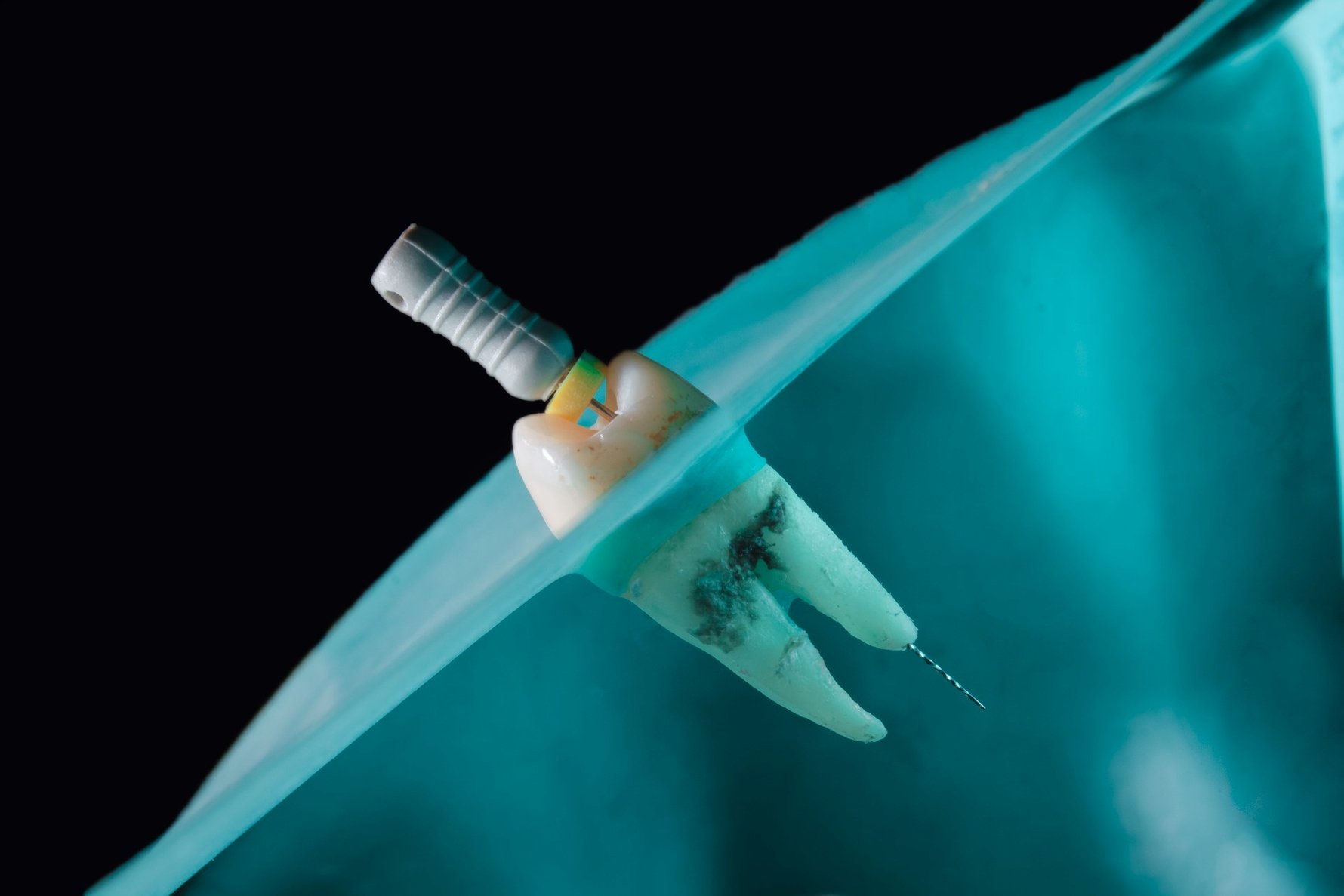
Turkish clinics serve international patients for general and restorative dentistry too – root canals, extractions, composite bonding, crowns on damaged teeth – and the cost savings here can be just as compelling. A root canal in Turkey typically costs £100–£300, versus £500–£1,000+ in the UK private sector.
The term "Turkey Teeth" started as a descriptor for a particular aesthetic – that ultra-white, square, slightly plastic-looking smile – and evolved into a shorthand for a genuine clinical and ethical problem: clinics performing full crown preparations on patients who walked in asking for veneers.
Here is why this matters. A proper veneer removes a sliver of enamel. A crown preparation removes 60–70% of the tooth structure, filing it down to a small post or "peg." This is irreversible. Once the enamel is gone, it does not grow back. The pulp can be exposed, increasing the risk of nerve damage, infection, and root canals. Young patients with perfectly healthy teeth who came in wanting to improve their colour or close a gap can leave with a lifetime of dental maintenance locked in – not because it was clinically necessary, but because a full crown treatment is easier, faster, and more profitable per tooth for the clinic.
The information gap makes this worse. The word "veneer" has become a catch-all on social media for virtually any cosmetic dental result. Many patients see crown results on Instagram, use the word "veneer" when booking, and some clinics do not stop to clarify – or exploit the confusion deliberately. A patient who consented to veneers may only discover they received crowns when something goes wrong later.
This is not a problem with all Turkish dental clinics. Reputable, ethical practices treat it as exactly the serious issue it is. But the volume of the market and the profitability of aggressive treatment means the problem exists and is well-documented. It is a reason to choose carefully, not a reason to avoid Turkey altogether.
How to Choose a Clinic
Ministry of Health International Health Tourism Authorisation. Any clinic legally treating international patients in Turkey must hold this accreditation. Check the official Turkish Ministry of Health portal to verify. This is a non-negotiable baseline, not a quality guarantee – but clinics that cannot produce it are operating outside the rules.
Turkish Dental Association (TDB) registration. Your dentist should be registered with the TDB. Ask for their registration details. A dentist who is reluctant to provide these is not a dentist you want inside your mouth.
JCI accreditation. Not all reputable dental clinics are JCI-accredited (JCI more commonly applies to hospitals), but where it is claimed, verify it directly on the JCI website.
Ask specifically: veneers or crowns? Get the answer in writing, in your treatment plan, before anything begins. If the clinic is recommending crowns, ask why – what is the clinical justification for a preparation that removes the majority of your healthy tooth structure? A good dentist will explain clearly; an evasive one is a red flag.
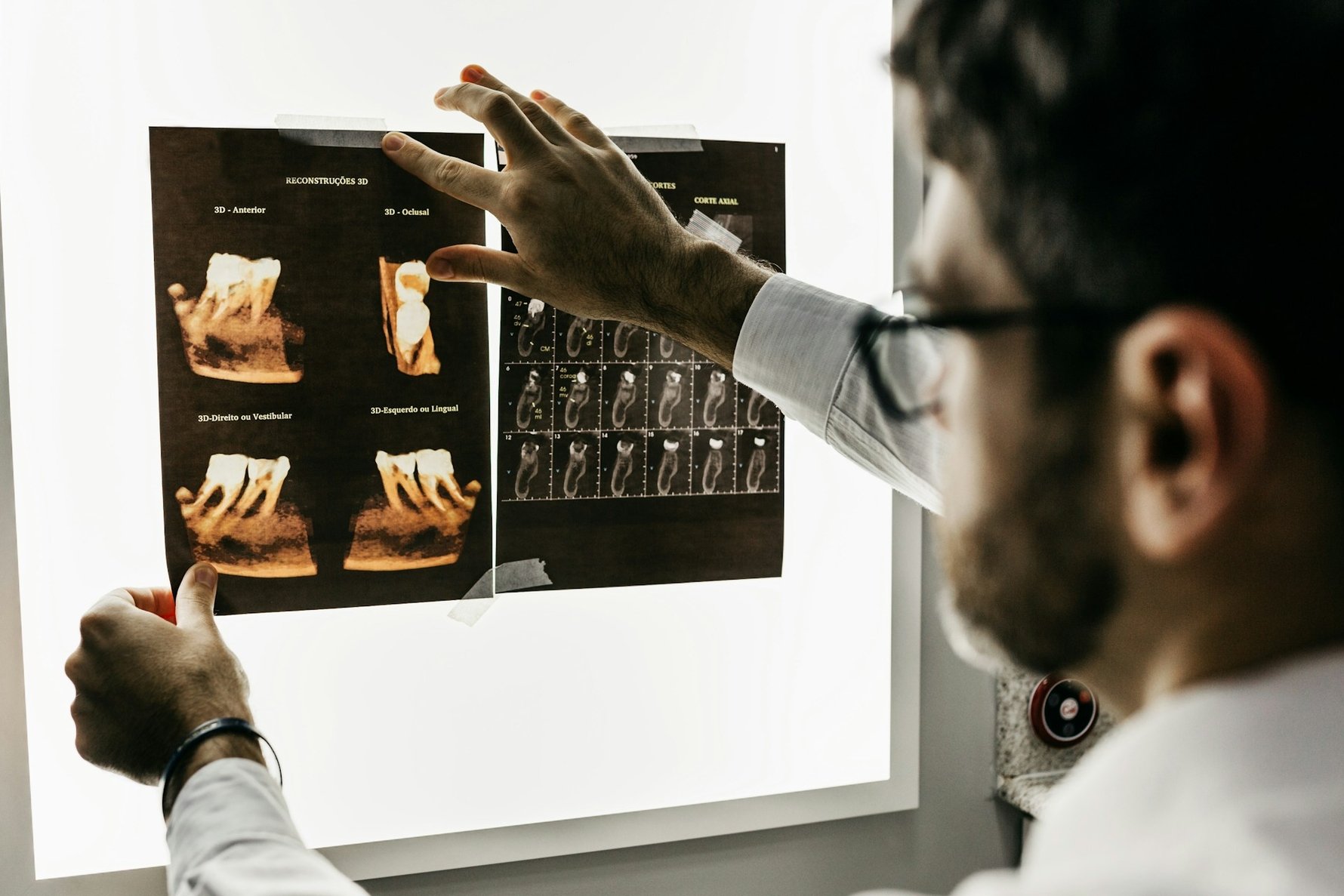
X-rays and diagnostic scans before treatment planning. Any clinic proposing a treatment plan based on photographs alone – especially via WhatsApp or a brief video call, without dental X-rays, a bite analysis, or a full clinical examination – is operating below acceptable standards. Proper diagnostics are not optional for irreversible procedures.
Material transparency. Ask which specific materials will be used – E.max, zirconia, composite – and which lab will fabricate your restorations. In-house labs with CAD/CAM technology generally offer better precision and consistency than outsourced cheap labs.
Warranty and remake policy in writing. Reputable clinics will guarantee their work – typically several years on veneers against defects (not trauma). Get the terms clearly before committing.
Verified reviews, not just gallery photos. Before-and-after photos are curated. Independently verified reviews on Google, Trustpilot, or similar platforms – especially those that mention specific dentists by name – give a more reliable picture. Look for reviews from patients with similar starting points to yours.
Prices below are approximate ranges for reputable clinics in 2025, usually within all-inclusive packages. Cheaper quotes exist; so do the complications they produce.
E.max/porcelain veneers: £100–£300 per tooth
Zirconia crowns: £100–£300 per tooth
Composite veneers: £80–£150 per tooth
Full smile makeover (16–20 teeth, all-inclusive package): £2,000–£5,000
Dental implant (post + crown): £400–£800 per tooth
Teeth whitening: £100–£300
Root canal treatment: £100–£300
For context: a full smile makeover of 20 teeth might cost £10,000–£20,000 at a reputable UK private clinic. The same outcome in Istanbul or Antalya at a quality clinic, package included, can be £2,500–£5,000. That differential is real and it is why people get on planes.
Istanbul or Antalya?
Both cities host large numbers of reputable dental clinics catering specifically to international patients, with English-speaking staff and all-inclusive package models as standard.
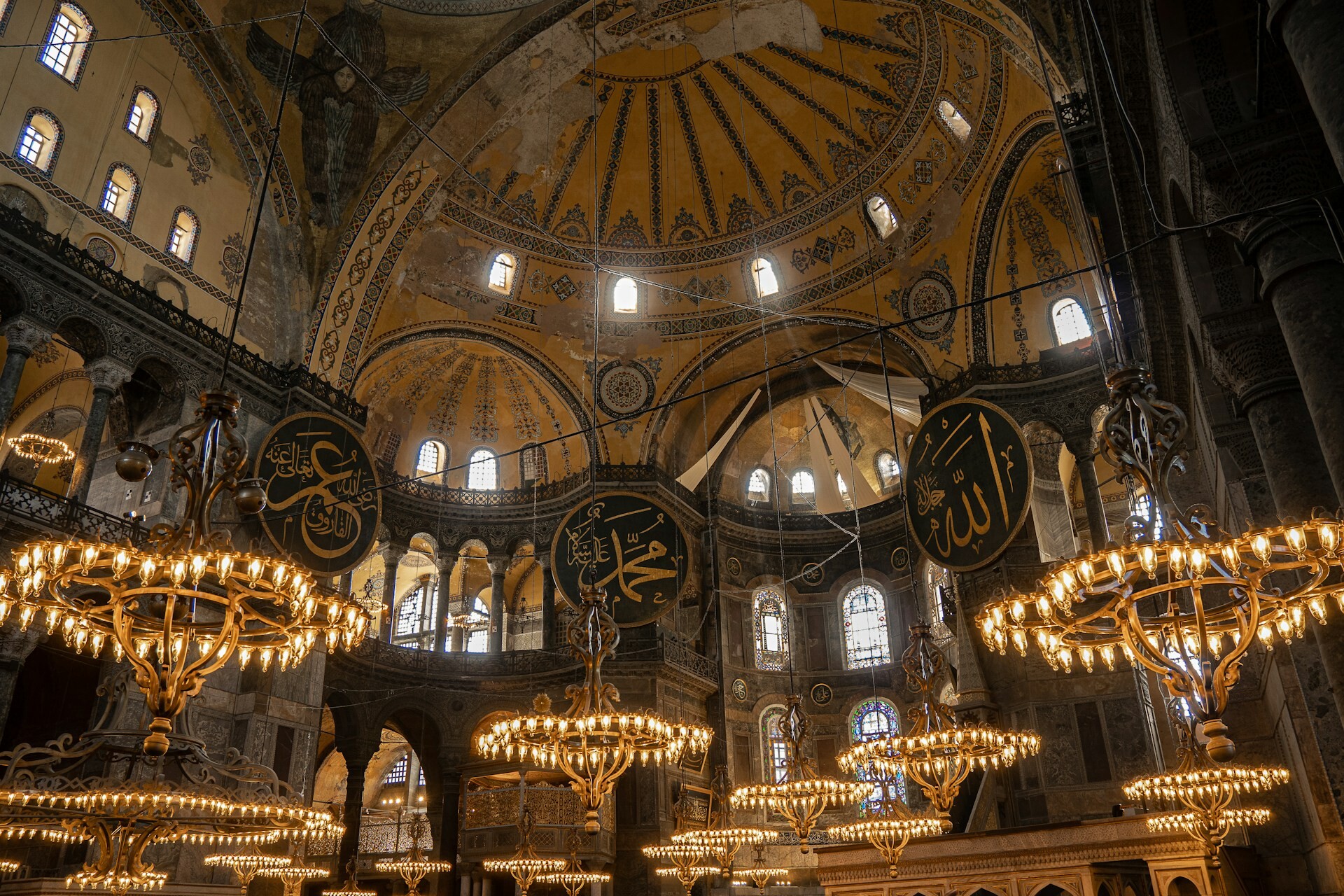
Istanbul is Turkey's largest city and has the greatest concentration of clinics, from boutique practices to large multi-floor facilities. The city itself rewards extra time before or after treatment – it is genuinely one of the world's great urban destinations, which makes combining dental work with a short break particularly appealing.
Antalya is the resort alternative: a more relaxed atmosphere, shorter distances between clinic and hotel, and for patients from the UK and Germany especially, often more direct flight options. It suits patients who want to recover comfortably rather than sightsee. Many patients specifically like the option of beach recovery post-treatment, which is admittedly not something any NHS waiting room can offer.
How long do I need to stay? For veneers, crowns, teeth whitening, and composite bonding: five to seven days covers consultation, any preparatory work, temporary fittings, final placement, and a follow-up check before you fly. Build in at least one buffer day after final fitting for any adjustments before departure.
For dental implants: this is a two-trip procedure. The first visit (post placement) typically requires three to five days. You then return home for the three-to-six-month osseointegration period before a second trip of three to five days for the crown fitting. Plan both trips into your budget from the outset.
Before you go. Share full dental X-rays and photographs with your chosen clinic before travelling. A clinic that does not request these – or that provides a detailed treatment plan without them – should be questioned. This pre-visit exchange is also your opportunity to ask about materials, procedures, and the specific dentist who will treat you.
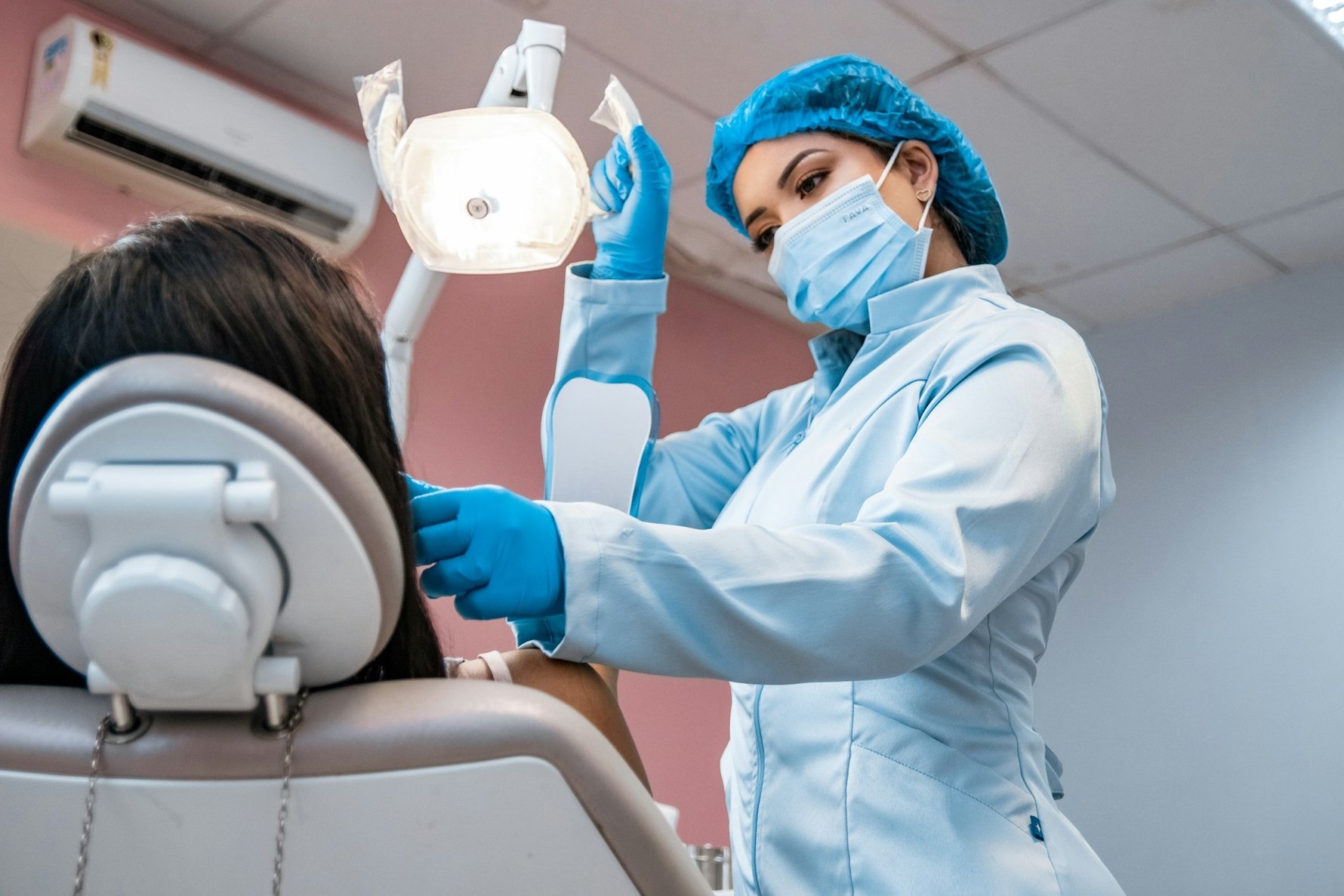
On arrival. Expect a full clinical examination, fresh X-rays, and a bite analysis before treatment begins. If a clinic wants to proceed without these, do not proceed.
Flying after treatment. Veneers and crowns: flying the day after final fitting is generally fine, but stay an extra day if you have any concerns about fit or comfort. For implants, your surgeon will advise; the post-placement phase is typically manageable within a few days.
Insurance. Standard travel insurance often does not cover elective dental procedures abroad. Confirm your coverage explicitly before travelling, and check that any policy covers complications that might require treatment at home after your return.
Take your records home. Before leaving Turkey, collect your full treatment records: the specific implant brand and model (if applicable), veneer material and lab details, X-rays, and any warranty documentation. If you ever need follow-up work at home, your UK dentist will need these.
Is dental tourism in Turkey safe?
At accredited clinics with qualified, registered dentists and proper diagnostic protocols: yes. The risks concentrate in clinics that cut corners on preparation, use inferior materials, or fail to distinguish between appropriate crown treatment and unnecessary destruction of healthy tooth structure. Choosing carefully eliminates most of the risk.
What is the difference between a veneer and a crown, and why does it matter?
A veneer covers the front surface of a tooth and requires removing only a thin sliver of enamel. A crown encases the entire tooth and requires removing 60–70% of the tooth structure. Both can achieve similar cosmetic results in photographs. The clinical and long-term difference is enormous. Crowns are clinically appropriate for damaged or heavily restored teeth. Performing crown preparations on healthy teeth purely for cosmetic reasons is aggressive, irreversible, and the central complaint behind the "Turkey Teeth" controversy. Always confirm in writing which procedure you are receiving and why.
Are the materials used in Turkey the same as in the UK?
At reputable clinics: yes. Leading Turkish dental labs use the same E.max, zirconia, and Straumann/Nobel Biocare brands found in Western practices. Inferior clinics use cheaper materials. Asking explicitly which brands and labs are being used – and getting the answer in your treatment plan – is the simplest check.
What if something goes wrong when I get home?
This is the practical reality of dental tourism. Minor adjustments (bite, minor sensitivity) can usually be handled by a UK dentist with your treatment records. Significant complications – nerve damage, failing restorations, infections – will require UK private dental treatment, and local dentists are sometimes reluctant to remediate work done abroad due to liability concerns. This is an argument for choosing a reputable clinic with a clear warranty and aftercare policy, not an argument against going to Turkey at all – but the risk is real and worth factoring into your decision.
Can I get implants done in a single trip?
No, for standard implants – the osseointegration period of three to six months between post placement and crown fitting is a biological necessity, not a scheduling inconvenience. Anyone offering complete single-trip implant treatment in a few days is either using a non-standard protocol or not being straight with you. Same-day or same-week teeth (using temporary crowns on immediately placed implants) is a legitimate technique in specific clinical circumstances, but it is not standard and requires careful assessment of candidacy.
What should I do if I think I've been mis-treated?
Document everything: photographs, records, your original treatment plan and consent forms. Seek an assessment from a UK dentist. If the clinic is registered with the Turkish Ministry of Health, complaints can be directed there. For significant cases, legal representation is possible in Turkey; Turkish law does provide recourse under the Patient Rights Regulation and Code of Obligations, though pursuing this from abroad is naturally complicated. Prevention – choosing correctly from the start – is substantially more useful than cure.