Hair Transplant in Turkey: How to Choose the Right Clinic Without Falling for the Marketing
6 minutes
Every year, thousands cross continents for one procedure: hair restoration in Istanbul. Why do so many make this journey—and what really determines success?
It often starts with a quiet search
For many people, hair loss doesn’t feel urgent at first. It’s gradual, a receding hairline, thinner coverage, a widening part. Then comes the search, and with it, a recurring theme: Turkey.
Istanbul, in particular, has become a global reference point. Clinics here treat thousands of international patients each year, and for many, traveling abroad for treatment has shifted from unusual to routine. What matters now isn’t just where people go, but why, and whether the experience matches expectations.
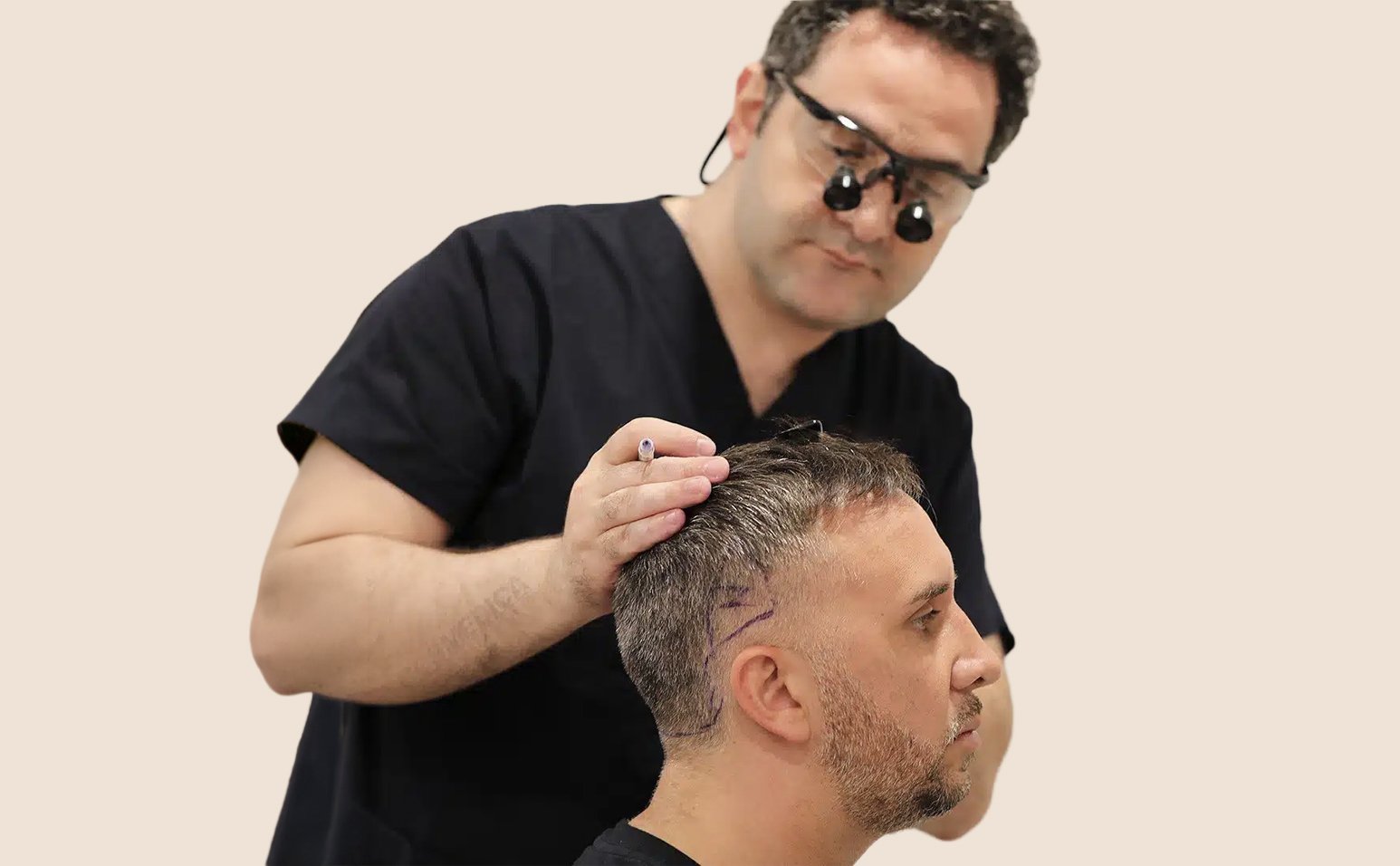
Photo Credit: Cosmedica Clinic
Why Turkey became a global hub for hair transplants
Turkey’s position in hair transplantation is built on a combination of scale, structure, and accessibility.
Clinics in Istanbul often operate at high procedural volumes, allowing teams to refine consultation, surgery, and aftercare processes. This doesn’t guarantee results, but it does influence consistency and coordination.
There is also a strong focus on international care. Many clinics are designed specifically for overseas patients, with English-speaking staff, organized logistics, and clearly defined treatment timelines.
For international patients, particularly those from more fragmented healthcare systems, the appeal lies in that clarity. Instead of navigating multiple providers, the process is typically structured into a single, planned journey.
What a hair transplant in Turkey actually involves
A hair transplant in Turkey is not about creating new hair; it’s about redistributing existing follicles.
Hair is taken from a donor area, usually the back or sides of the scalp, where it is less prone to thinning. These follicles are then implanted into areas with reduced density.
Two commonly used methods include:
FUE (Follicular Unit Extraction): individual follicles are extracted and placed into small channels
DHI (Direct Hair Implantation): follicles are implanted directly using a specialized tool
Both rely on the same biological principle. The difference lies in technique and planning, particularly how grafts are placed to influence density and direction.
The key limitation is the donor area. Because supply is finite, careful planning is essential for both immediate appearance and long-term balance.
What the patient journey looks like
For international patients, the process usually begins with a remote consultation based on photos. This stage determines candidacy, donor capacity, and a realistic treatment plan.
From there, the journey is typically structured into clear steps:
Arrival in Istanbul
Patients are met at the airport and transferred to their accommodation. Logistics are usually coordinated in advance.
Procedure day
The procedure takes several hours and is performed under local anesthesia. Patients remain awake, but the scalp is numbed to reduce discomfort. Some clinics also offer needle-free anesthesia options for those concerned about injections.
Early recovery
In the first days, mild swelling, redness, and scabbing are common. Most patients return home within a few days and continue recovery with remote follow-up. Follow-up commonly includes scheduled video or phone check-ins with the clinic at key milestones, such as 1 week, 1 month, and 3 months after the procedure.
Patients typically share photos of their progress, allowing medical teams to monitor healing and advise on any specific care needs. Support is usually available through multiple channels, including email, messaging apps, and dedicated patient coordinators, so questions and concerns can be addressed promptly throughout the recovery period.
Growth timeline
The timeline often surprises first-time patients. Transplanted hairs typically shed within a few weeks, a normal phase. New growth generally begins around 3–4 months, with more visible changes between 6–12 months. Final outcomes can take a year or more, depending on individual factors.
Cost of a hair transplant in Turkey vs value: what are you really paying for?
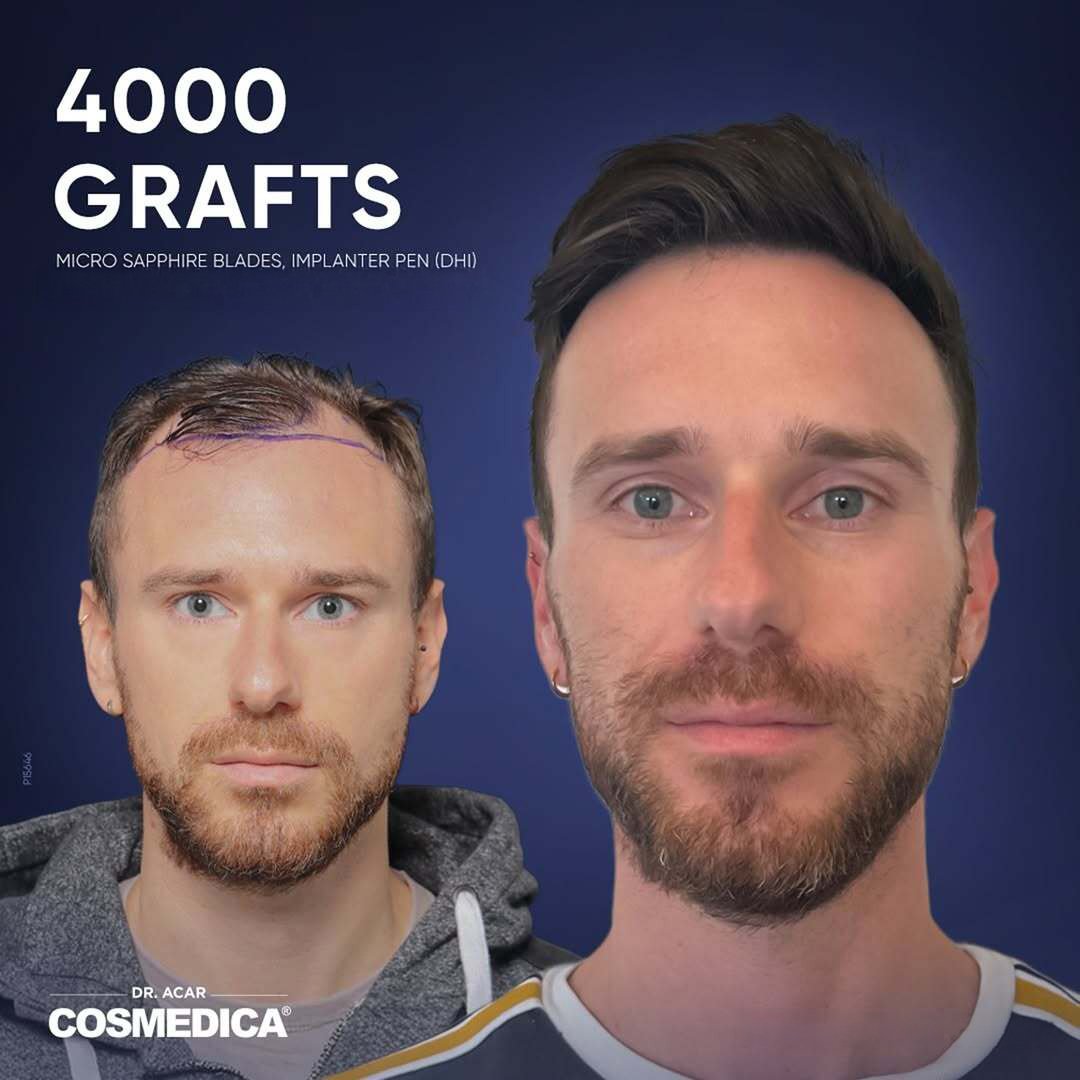
Photo Credit: Cosmedica Clinic
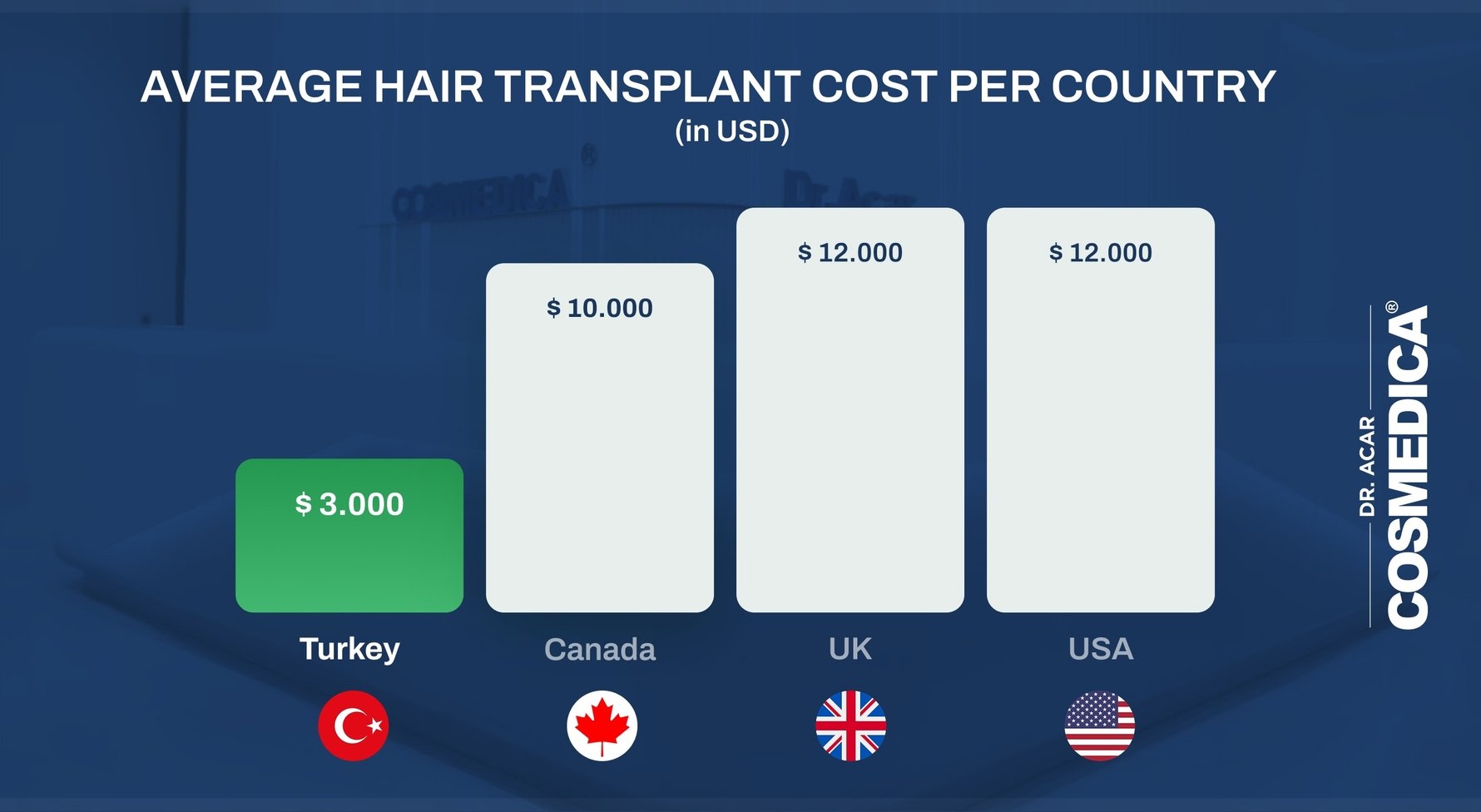
For many patients, knowing what is the Turkey hair transplant cost is part of the initial research, but it’s often misunderstood.
Turkey is not simply “cheaper.” Instead, the pricing model is structured differently. Many clinics offer all-inclusive packages that combine the procedure, accommodation, transfers, and aftercare.
This bundled approach can make the overall experience more predictable. Typically, all-inclusive packages in Turkey cover the hair transplant procedure itself, several nights' accommodation, airport and local transfers, initial consultations, and aftercare support following the treatment. Some clinics may also include medications or post-procedure kits. The more meaningful comparison is value: what is included, how the treatment is planned, and what level of medical oversight is provided.
What natural results actually depend on
A natural-looking result depends on more than the number of grafts transplanted.
Key factors include:
Hairline design aligned with facial structure and age
Graft placement, including angle and direction
Donor area management for long-term sustainability
Post-procedure care and healing response
Individual variation plays a significant role. Hair characteristics, skin type, and healing patterns differ from patient to patient, which means outcomes cannot be identical or guaranteed.
Who is, and isn’t, a suitable candidate for a hair transplant in Turkey?
Not everyone experiencing hair loss is a suitable candidate for a transplant.
Candidacy depends on:
The pattern and progression of hair loss
Donor area density and quality
Scalp condition and general health
Long-term expectations
Patients with limited donor supply or advanced hair loss may need alternative approaches or adjusted expectations. This is why consultation is a critical first step.
How to evaluate Turkish hair transplant clinics without falling for marketing
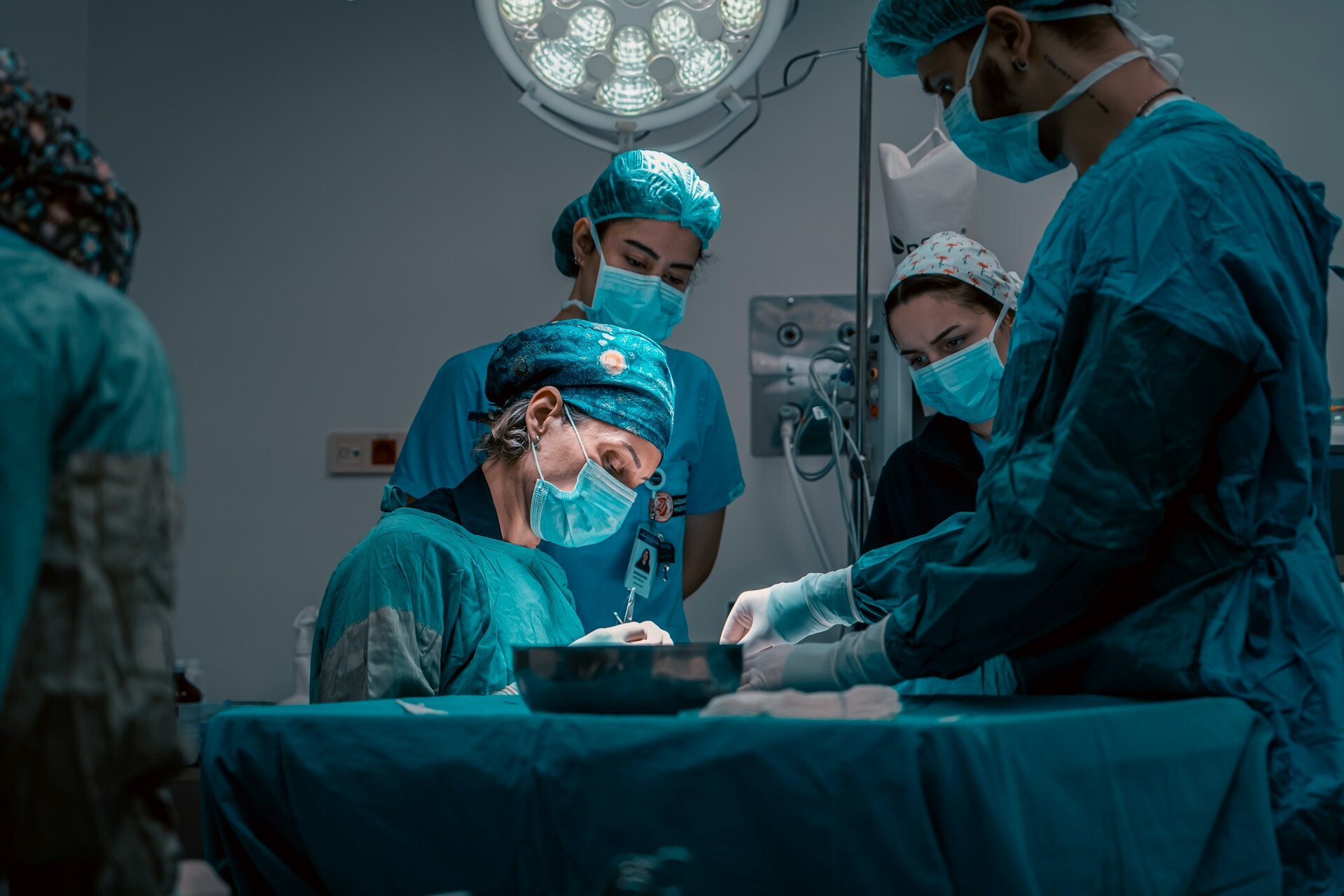
Photo Credit: Cosmedica Clinic
With many clinics competing for attention, surface-level claims can be misleading. A more reliable approach is to assess how a clinic plans and communicates. Before choosing a provider, verify their hair transplant before and after results. Also check that the medical team holds valid medical licenses and that the lead surgeon’s qualifications are clearly listed and up-to-date. Look for independent patient reviews outside of clinic websites to gauge real experiences. Checking these credentials and reviews empowers you to make a safer, more informed choice.
Look for:
Clear explanation of limitations and risks
Realistic and varied case results
Detailed discussion of hairline design and graft strategy
Transparent timelines and aftercare guidance
A clinic example: structured planning and international care
Some clinics in Istanbul differentiate themselves by placing greater emphasis on planning rather than on volume alone.
Cosmedica, led by Dr. Levent Acar, is one example. The clinic follows a consultation-led model with defined planning protocols, focusing on hairline design, graft distribution, and a long-term donor-preservation strategy.
For international patients, including those traveling from the United States, this structured approach can provide greater clarity before committing to treatment.
Final considerations before booking
Traveling abroad for a hair transplant may feel increasingly accessible, but it remains a medical decision that requires careful evaluation. While many patients achieve positive outcomes, it is important to recognize potential risks. Complications such as infection, poor growth, scarring, or unnatural results can occur, even in experienced hands. Understanding these risks and setting realistic expectations can help you make a safer, more informed decision.
Key points to keep in mind:
Results develop gradually over months, not immediately.
Not all patients are suitable candidates.
Planning and consultation are as important as the procedure itself.
Lower upfront cost does not automatically mean better value.
In many cases, the most important step happens before any travel is booked.
Ultimately, a free hair analysis is the best place to start. This step provides clarity on your donor area, outlines personalized options, and sets realistic expectation, empowering you to make the most informed decision before committing to treatment and travel.