Fremont Street vs The Strip: Which Part of Las Vegas Should You Visit?
9 minutes
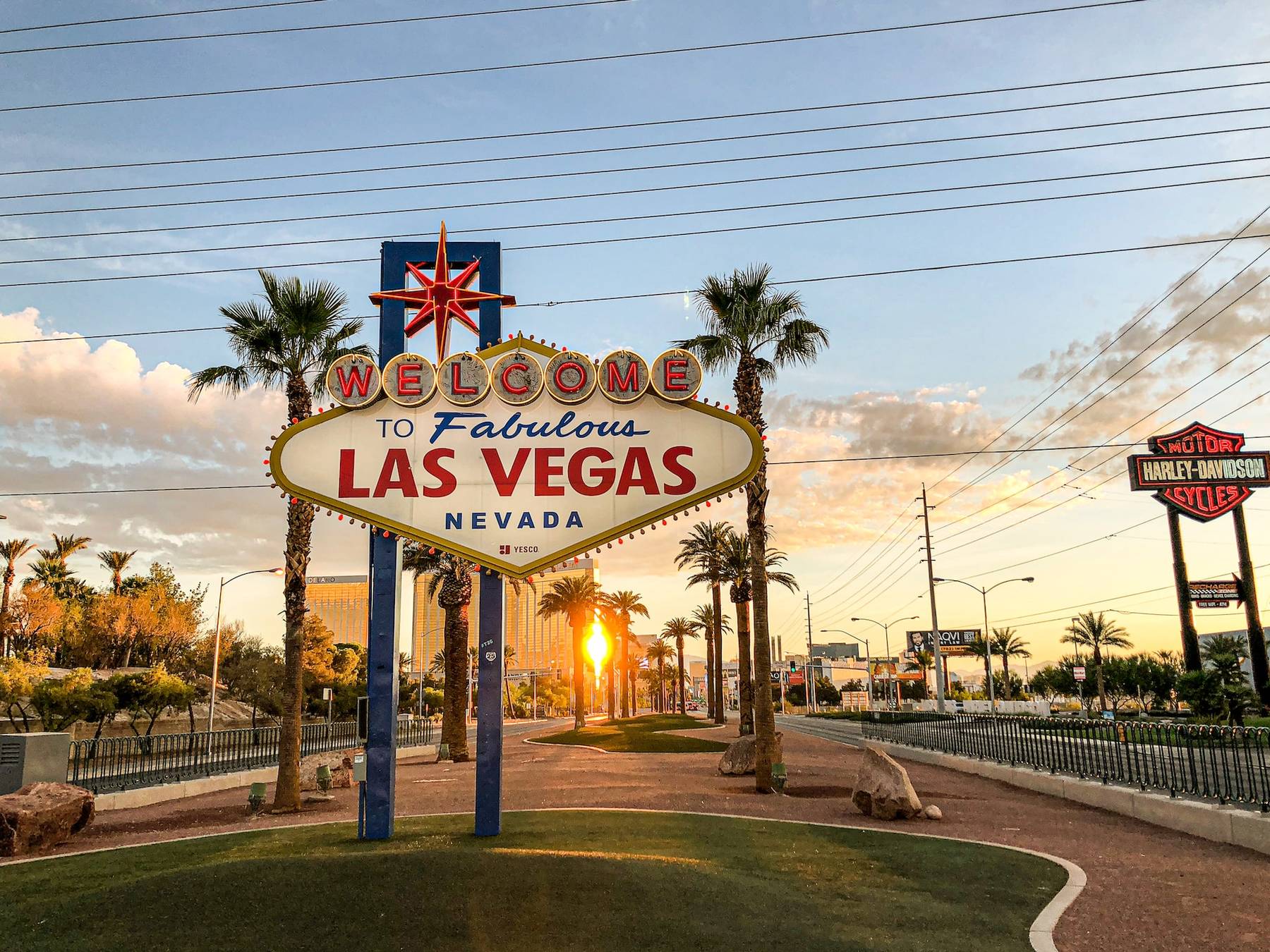
Las Vegas is not one place. It is two distinct experiences separated by about five kilometres of urban sprawl, sharing a name and a reputation but very little else. The Las Vegas Strip – the 6.5-kilometre stretch of Las Vegas Boulevard lined with the megaresorts – is what most of the world pictures when it thinks of Las Vegas. Fremont Street and the downtown area around it is what Las Vegas actually was before the megaresorts existed, and what a significant portion of it still is: older, cheaper, stranger, more historically interesting, and considerably less concerned with whether you find it impressive.
Most visitors do both. If you are short on time and can only do one, this piece will help you decide. The verdict at the end is direct.
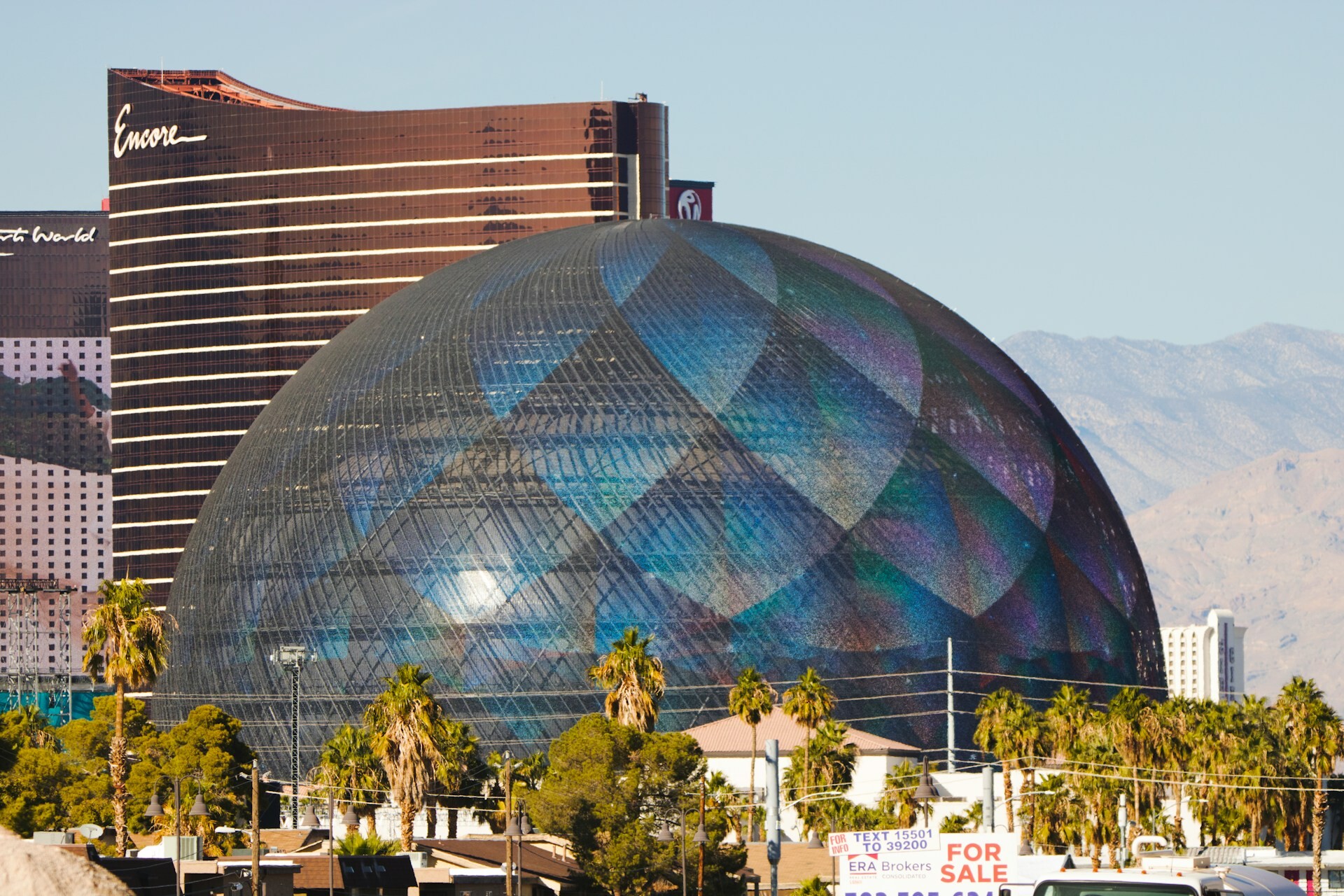
The Strip as it currently exists is largely a product of the 1990s and 2000s, when a wave of implosions removed the mob-era hotels – the Sands, the Dunes, the Desert Inn, the Stardust – and replaced them with the themed megaresorts that now define the corridor. The Bellagio opened in 1998. The Venetian opened in 1999. The MGM Grand, at 6,852 rooms, opened in 1993. These are recent buildings. They were designed to be spectacular and they are, in the way that a very expensive piece of engineering designed to be spectacular is spectacular: competently, deliberately, without much ambiguity about what they are for.
Fremont Street is older than all of it. The Golden Gate Hotel, at 1 Fremont Street, opened in 1906 as Hotel Nevada and is the oldest operating hotel in Las Vegas. The El Cortez has been running continuously since 1941. The Golden Nugget opened in 1946. Bugsy Siegel walked these blocks. The Rat Pack performed nearby. Hunter S. Thompson used the Mint Hotel on Fremont as his base for the Mint 400 desert race, the assignment that became Fear and Loathing in Las Vegas. The street has genuine history, not curated history – the kind that accrues through actual events rather than through a design brief.
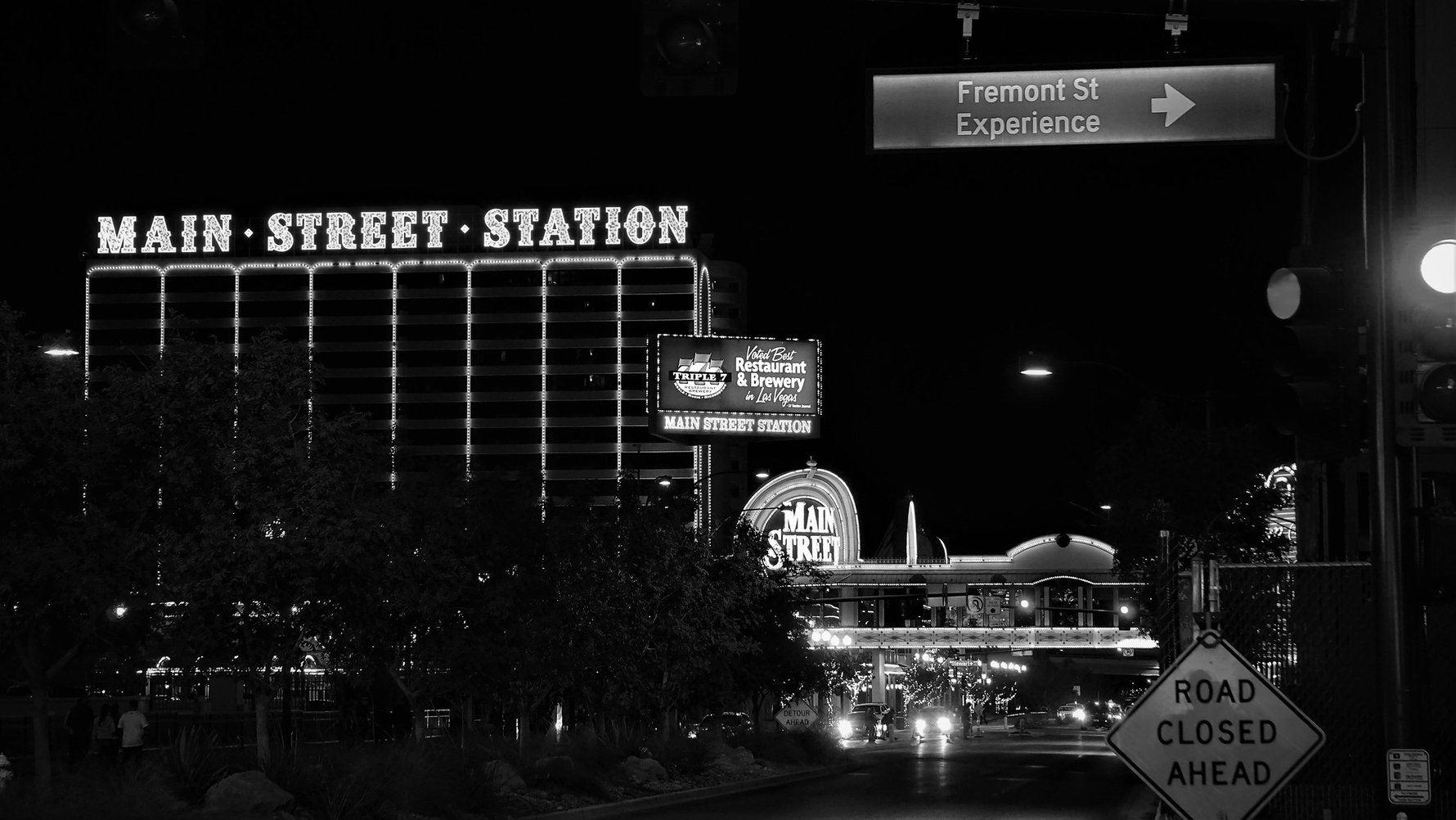
The Fremont Street Experience canopy, installed in 1995, was a municipal attempt to stop downtown losing ground to the Strip, and it is a genuine spectacle: 460 metres of LED screen, 16 million colour combinations, light shows every hour after dark. It is also, in retrospect, a slightly desperate gesture by a neighbourhood that did not need to compete with the Strip on spectacle terms and would have been better served leaning harder into what it actually has. It leaned into both, which is why Fremont Street now offers something the Strip cannot: the feeling of an older, more complicated city underneath the neon.
Cost
This is where the comparison is least ambiguous. Downtown Las Vegas is substantially cheaper than the Strip across almost every category.
Hotel rates: the average nightly room rate on the Strip runs around $200; the average downtown is roughly half that. The rooms on the Strip are generally larger and newer, but the price difference is significant enough to matter for most visitors. The El Cortez, the oldest continuously operating hotel-casino in the city and on the National Register of Historic Places, charges rates that reflect its age rather than its history, which is an unusual situation in Las Vegas.
Food and drink: a cocktail on the Strip at a major resort will typically cost $18–25. The same drink at a downtown bar costs considerably less, and the bars are more interesting. Table minimums at downtown casinos are lower; the odds at most games are marginally better. Resort fees, the surcharge that Strip hotels add to the advertised room rate for “amenities” that are invariably described as complimentary everywhere else in the world, are lower downtown. In short: if budget matters, downtown wins, and it is not close.
Hotels
The Strip hotels are, by any objective measure, more impressive as buildings and as facilities. The Bellagio, the Wynn, the Venetian: these are exceptional resort properties with pools, spas, restaurants and entertainment infrastructure on a scale that downtown cannot match. If the hotel is a significant part of your trip – if you want to spend time at the pool, use the spa, eat at multiple restaurants without leaving the building – the Strip has the advantage.
Downtown hotels are smaller, older and more varied. The Golden Nugget is the most polished of the major downtown properties, with a pool that contains a shark tank, which is a design decision that deserves acknowledgement. Circa, which opened in 2020 as the first adults-only hotel in downtown Las Vegas in 40 years, is the most ambitious recent attempt to compete with Strip-level luxury in a downtown context, and by most accounts succeeds. For visitors who want the historic experience in a building that acknowledges the passing of time, the El Cortez is in a category of its own. For visitors who want to stay in a building with a painted sky and a fake canal, downtown does not have that option and is not trying to.
Entertainment and Shows
The Strip wins this category straightforwardly. The major Cirque du Soleil productions, the big residency concerts, the headline shows: they are on the Strip, in venues that were built for the purpose. If seeing a major live show is central to your visit, you will almost certainly be going to the Strip to do it, regardless of where you are staying.
Fremont Street has free entertainment that the Strip does not: the canopy light shows, live music at multiple outdoor stages most evenings, and the SlotZilla zipline. These are not equivalent to a Cirque du Soleil production, but they are free and they are available every night. The character of the entertainment is different: more spontaneous, less polished, more likely to involve a street performer doing something unexpected. This is either an advantage or a disadvantage depending on what you are looking for.
Food and Drink
The Strip has more Michelin-starred restaurants, more celebrity chef outposts, and more of the kind of dining that requires a reservation made weeks in advance. It also has more of the kind of dining that charges $40 for a pasta dish primarily because it can. The food on the Strip is, at the top end, genuinely excellent; it is also, at the average end, overpriced relative to quality in the way that captive-audience dining always is.
Downtown has better value at every level, and the independent restaurant scene in Fremont East and the 18b Arts District is more interesting than anything the Strip offers at equivalent prices. The Grand Central Market on Fremont is a reliable option for a quick meal without resort pricing. Atomic Liquors, the city’s oldest freestanding bar, is downtown. The Mob Museum speakeasy is downtown. The craft cocktail bars on Fremont East exist for people who live in Las Vegas, which is usually a reasonable indicator of quality. If eating and drinking well at reasonable prices is part of the point of the trip, downtown is the more rewarding territory.
Atmosphere and Crowd
The Strip is built for tourists and functions accordingly. It is loud, dense, relentless and carefully engineered to disorient the senses and separate visitors from their money at every available opportunity. This is not a criticism so much as a description: the Strip does what it was designed to do with extraordinary efficiency, and the scale of it – the lights, the architecture, the sheer accumulation of spectacle – is genuinely impressive in a way that is difficult to convey to someone who has not stood on the pavement in front of the Bellagio at midnight watching the fountains. It is also exhausting in a way that is also difficult to convey.
Fremont Street is less engineered and more chaotic. The crowd is more mixed: locals alongside tourists, budget travellers alongside curious visitors, people who are there for the history alongside people who wandered over from a casino. It is noisier in some ways – the canopy shows are loud, the live music stages compete with each other – and less suffocating in others, because the street is open to the sky (or the canopy) rather than the sealed, climate-controlled corridor of the large resorts. Whether this is better is a matter of temperament. It is different.
Culture and History
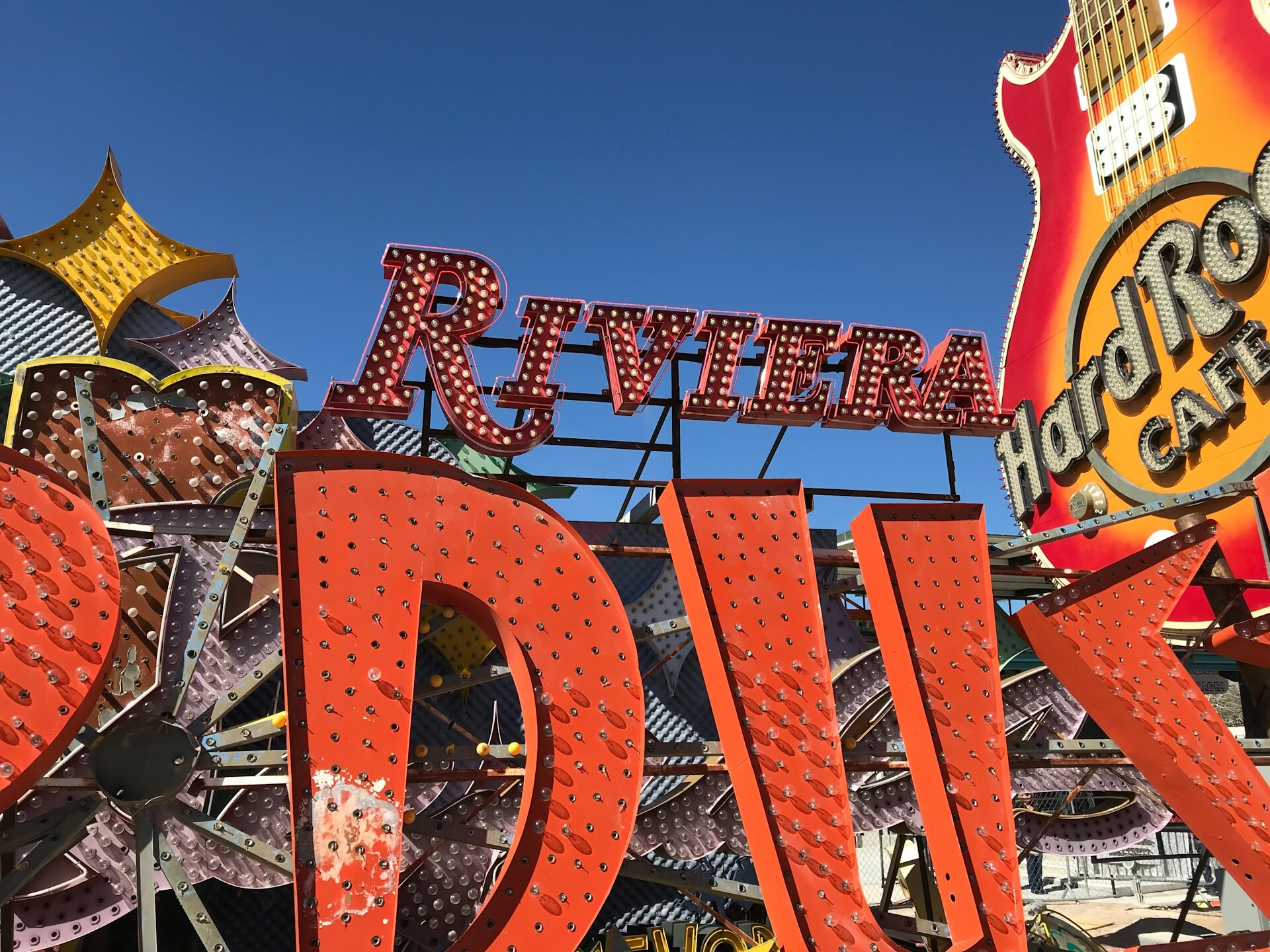
This is not a contest. Everything in Las Vegas that is historically or culturally significant is downtown or adjacent to it. The Mob Museum. The Neon Museum. The Arts District. Atomic Liquors. The El Cortez and the Golden Gate. The connections to Thompson, to the Rat Pack, to Bugsy Siegel, to the nuclear testing era. The Strip’s history has been systematically demolished to make way for the next resort; downtown’s history is still standing, still operating and still, in several cases, serving drinks.
The Strip offers the Bellagio Fountains (1998) and the Venetian interior (1999) as its most defensible architectural and experiential contributions. Both are worth seeing. Neither is history in any meaningful sense of the word.
Getting Around
The Strip is walkable in the sense that its main attractions are strung along a single road, though the distances between resorts are longer than they appear, the heat is serious in summer, and the pavement between casino entrances is frequently less pleasant than expected. The Las Vegas Monorail runs along the east side of the Strip and connects several of the major resorts; it is useful for covering longer distances. Free trams connect some adjacent resort clusters.
Fremont Street is more genuinely walkable: the pedestrianised section of the Experience is compact, the Mob Museum and Neon Museum are within a reasonable walk of each other, and the Arts District is a manageable distance south. A car helps for the broader downtown area; rideshare is inexpensive and frequent. Getting between the Strip and downtown takes about ten minutes by rideshare and is not a significant logistical obstacle either way.
The Verdict
If you are visiting Las Vegas for the first time, spend at least one evening on the Strip: walk it from the Wynn south to the Bellagio, watch the fountains, look into the Venetian. You should see it once, because it is one of the stranger things human beings have built and it deserves to be witnessed directly. Then go downtown.
Fremont Street is the more interesting half of Las Vegas. It is cheaper, more historical, more varied in character, and contains most of what makes the city genuinely worth understanding rather than merely surviving. The Mob Museum alone is a better use of a half-day than anything the Strip offers that does not involve a fountain or a Cirque du Soleil production. The El Cortez is more interesting than any hotel on the Strip. Atomic Liquors is a better bar than anything you will find in a casino resort. The Arts District is a real neighbourhood in a city that otherwise works hard to avoid having any.
The Strip is a spectacle. Fremont Street is a city. Both are worth your time, but if you only have one day and you have already seen the fountains, spend it downtown.