Lake Malta

Lake Malta
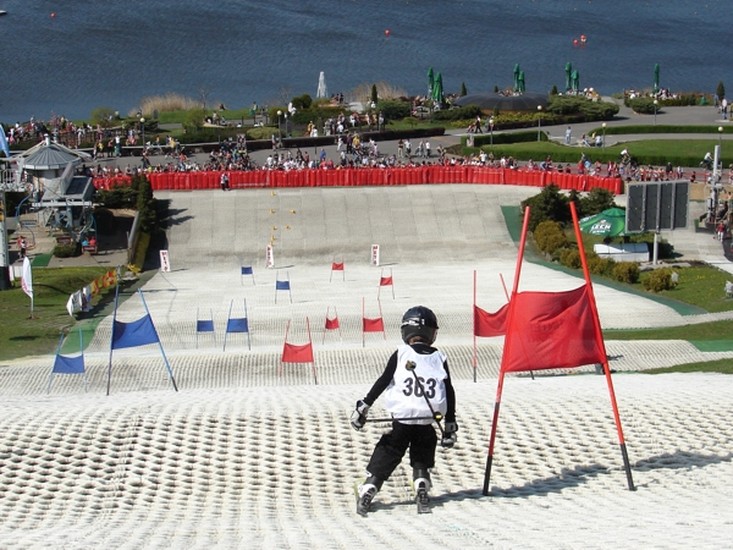
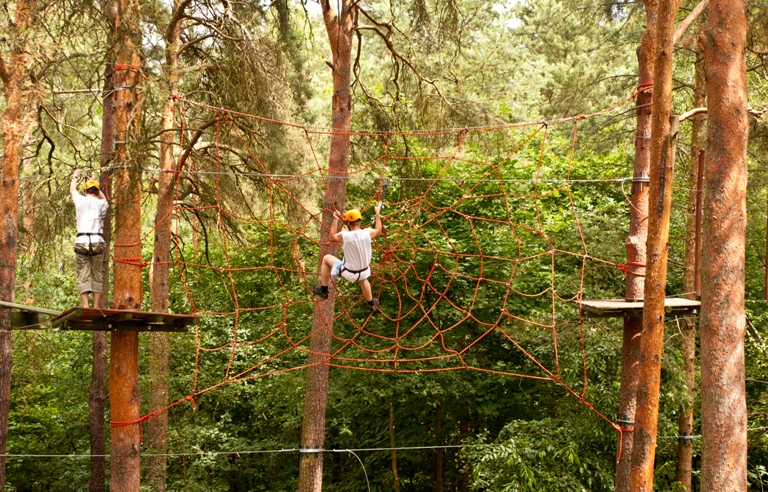
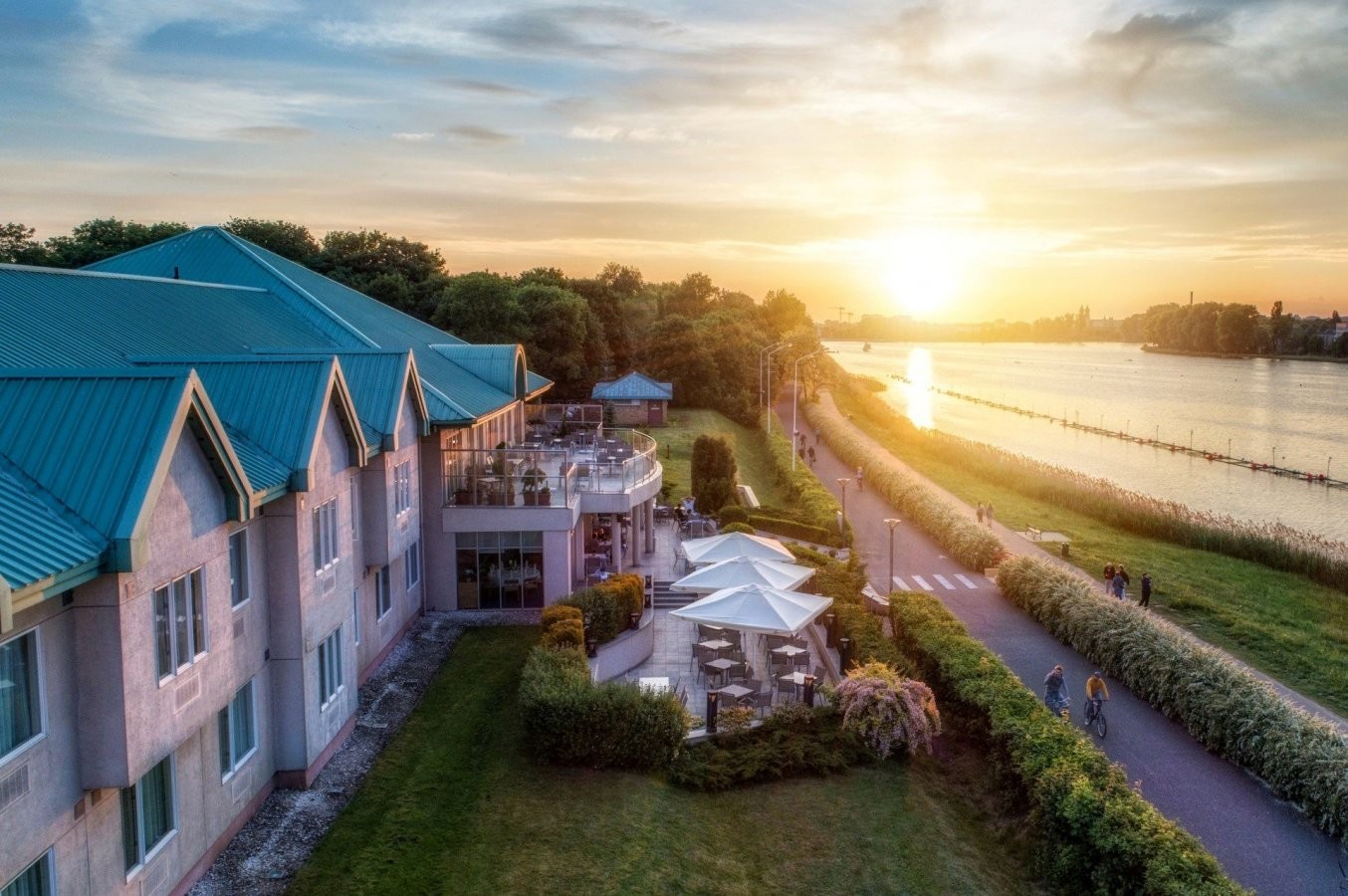
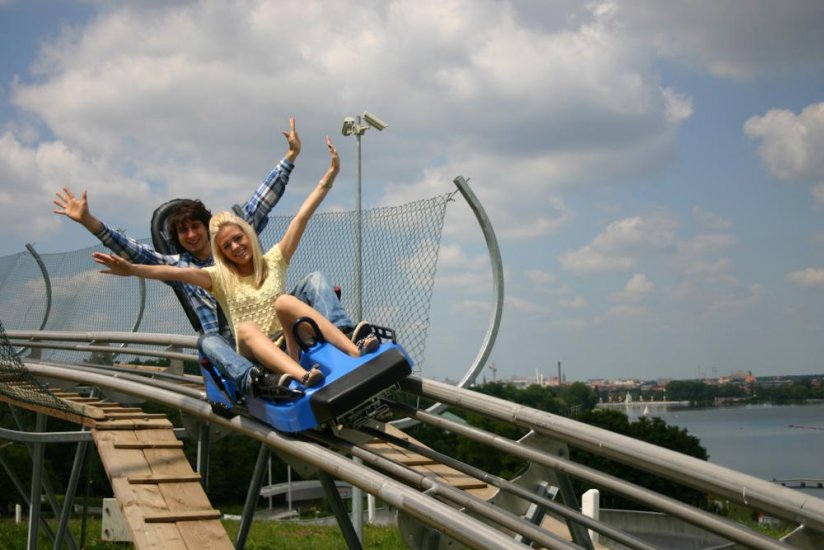
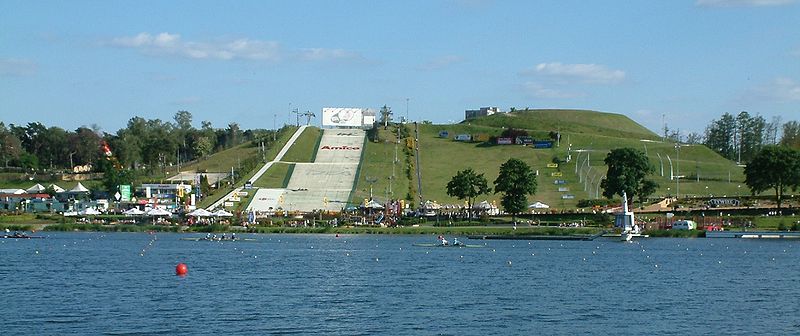
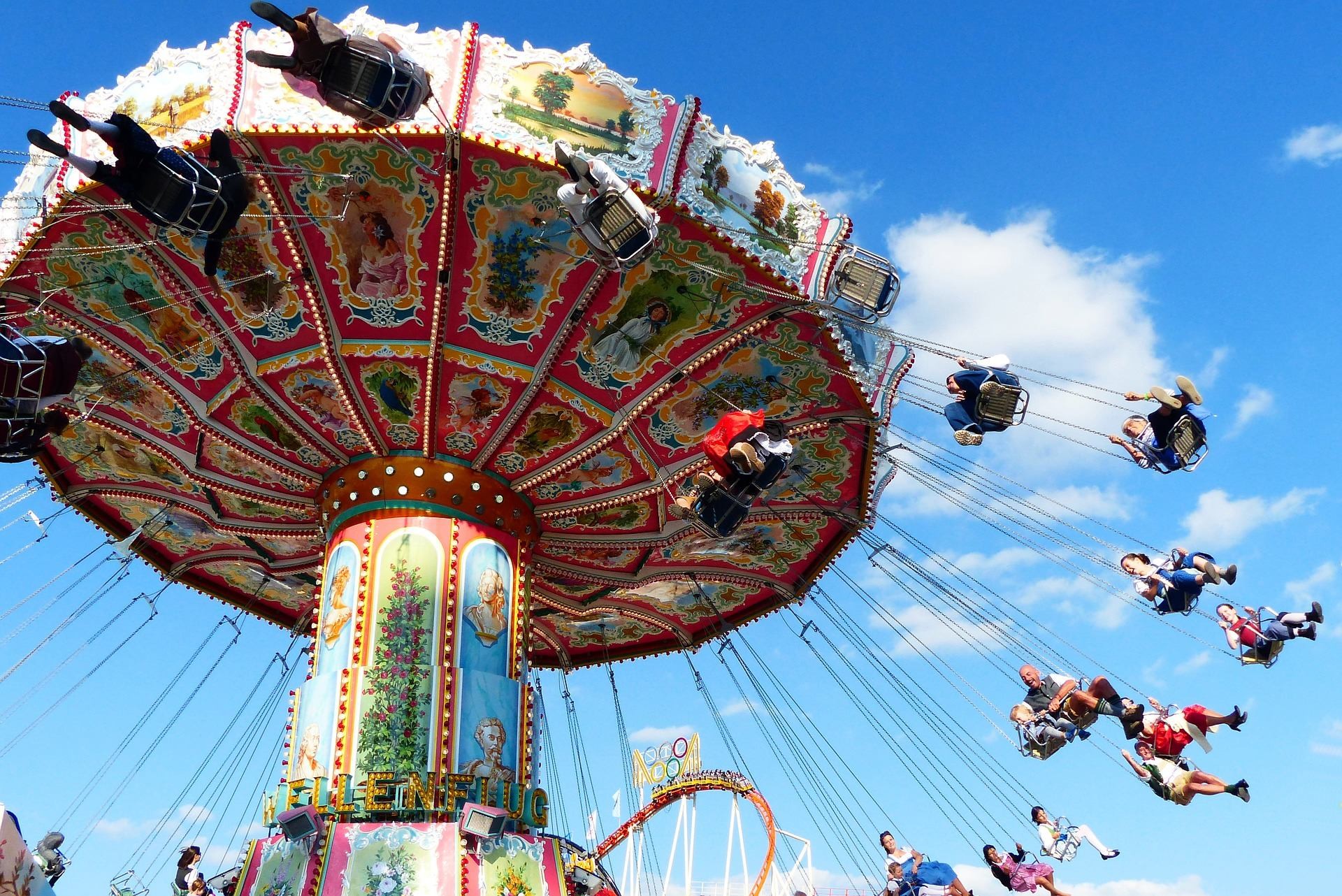
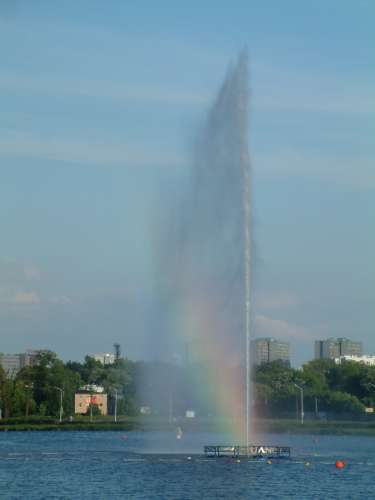
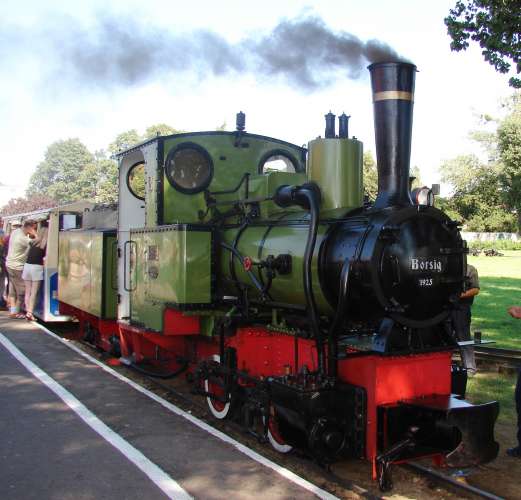
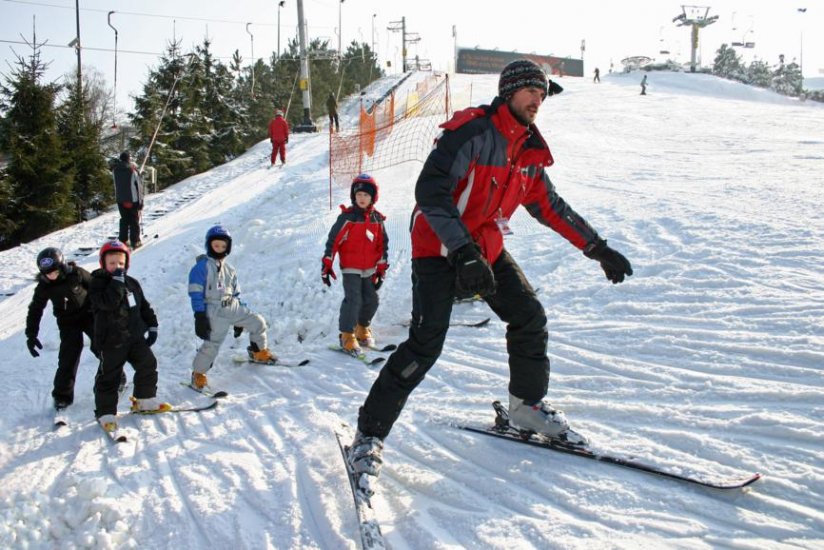
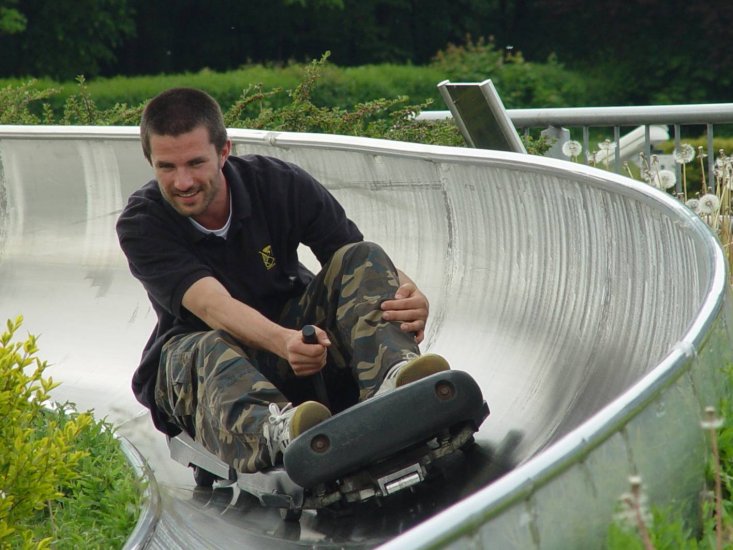
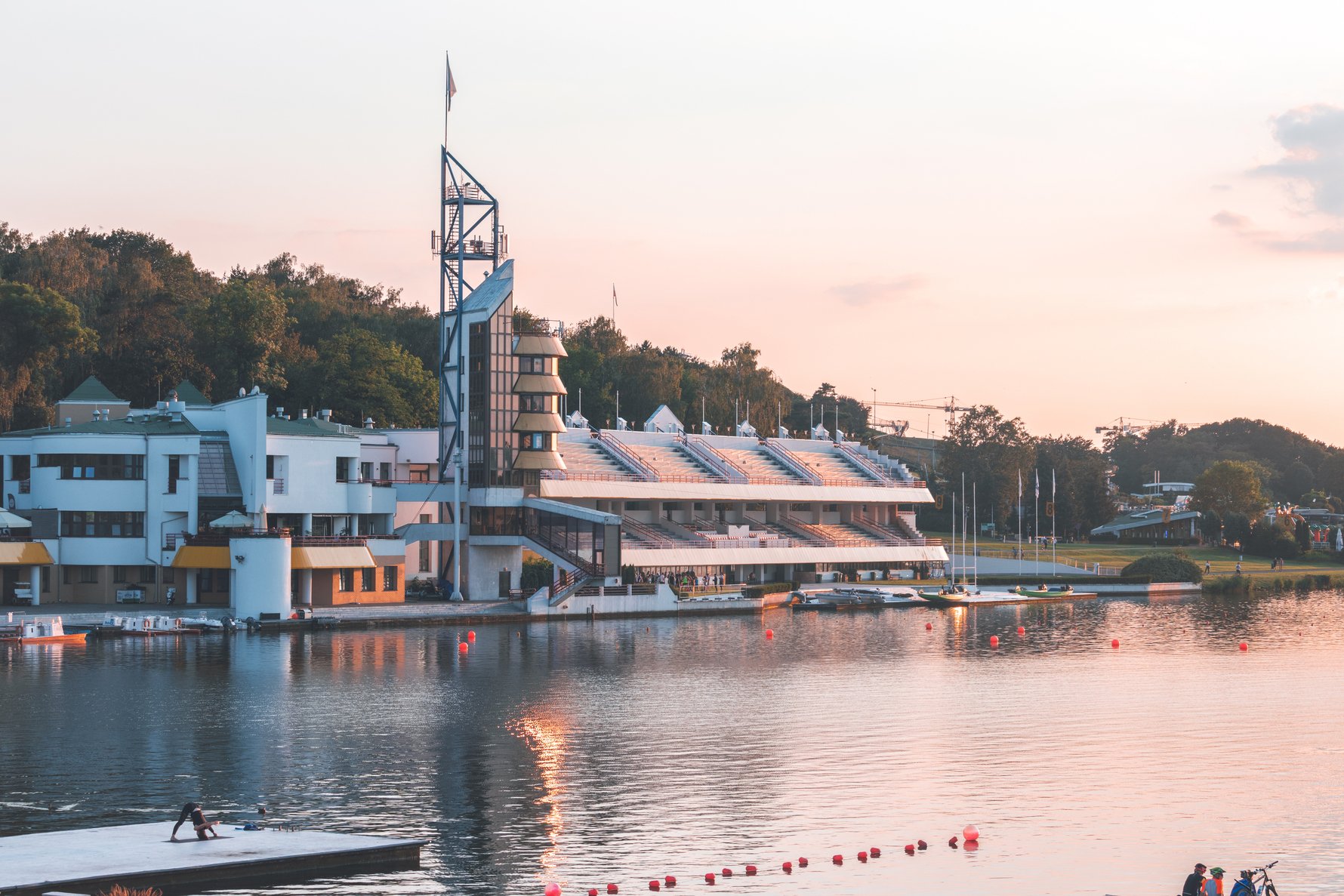
Of Poznań’s many lakes it’s Malta - to the east - that is the best known, and its surroundings are well worth further investigation. Formed in 1952 as a result of damning the Cybina, this 2.2 km long lake is the largest man-made lake in the city, with an average depth of 3.1 metres. Built using forced labour it is today one of the principal recreation areas in the region with an ice-rink, ski slope (the first in former communist Europe), a world class regatta course and it’s on the banks of the Malta that the city’s annual festival reaches its fever pitch.

History


What you see before you wasn’t always a lake, more of a river running by Poznań. In 1178 Prince Mieszko sportingly invited representatives of the Knights Hospitaller to the region, and they in turn built a small church that’s now regarded as the oldest brick place of worship in the country – but more of that later. By 1530 the West European branch of the knights had resettled on Malta, and so their order found itself renamed The Knights of Malta. The chaps who had come to Poland followed suit, and sooner rather than later locals started referring to the area they decamped to as Malta.

For the next few hundred years it went largely unnoticed, and it was only in the 19th century that things started looking up. The people of Poznań suddenly realized they had a great place to head to for a weekend stroll, as well as a place where you wouldn’t get jostled/arrested/chased if you were wobbling around on a new-fangled contraption called a bicycle. Adding to Malta’s appeal was its dense greenery and relative isolation from prying eyes – aside from being popular with frisky couples this also attracted other people looking for privacy; in 1912 Polish scouts started holding covert meetings here during which they received military training. Needless to say, this would prove invaluable in the struggle for independence that would shortly follow.

With independence, temporarily at least, sorted in 1918 new ideas for Malta were touted. Adam Ballenstaedt released plans to establish a national park, one which would feature holiday homes and theatres set in the thick of a verdant paradise – in the end, the only idea of his to leave the drawing board was for the construction of ‘the freedom mound’. A decade later Władsyław Czarnecki suggested an idea for heavy forestation around the river banks, though this too hit a wall. Not ones to faff around and wait for planning permission it was the Nazis who actually changed Malta to the Malta we know. It was on their initiation that thousands of slave workers were drafted in and began work on damning the river to create a lake, and while they never saw their plans realized, the communists who took over did. The job started so many years back by the Germans was finally completed in 1952, and the results you can see for yourself.

It immediately proved a recreational hit, however it was still a long way off the finished article. Between 1980 and 1989 the lake was completely drained, restored and facilities added, only opening again in time for the World Canoeing Championship in 1990. Today it’s still regarded as a top-quality course, as proved by the decision to hold the 2009 World Rowing Championships here.

The Festival


If there’s one highlight on the local cultural calendar then it has to be the Malta Festival, staged in early July each year, which has been something of a Poznań institution since its original conception back in 1991 as the International Theatre Festival. In the past the festival has seen performances by Nine Inch Nails, Goran Bregovic, Jan A.P. Kaczmarek, Elvis Costello, Sinead O’Connor and the Buena Vista Social Club. Strangely, however, the musical focus is something of a recent trend - when it all started twenty-odd years ago the festival focused on theatre alone, and was promoted as something of a Polish version of the Edinburgh Festival – full of fringe acts performing abstract plays. Fortunately, and in spite of the growing pull towards the mainstream, alternative theatre still plays a huge part in the Malta Festival. On top of that, there’ll be plenty of film screenings, workshops and exhibitions conducted both inside and out, both at Lake Malta and around venues across town. Check the official website (and indeed ours) on www.malta-festival.pl for details of future festivals. For the record, and here’s the best bit, attending events is almost giveaway cheap, with most priced from ten to thirty five złoty.

Poznan » Leisure » Lake Malta


This download is free, but we would like you leave us your
email address so that we can keep in touch with you about new In Your Pocket guides.