Athens City Guide
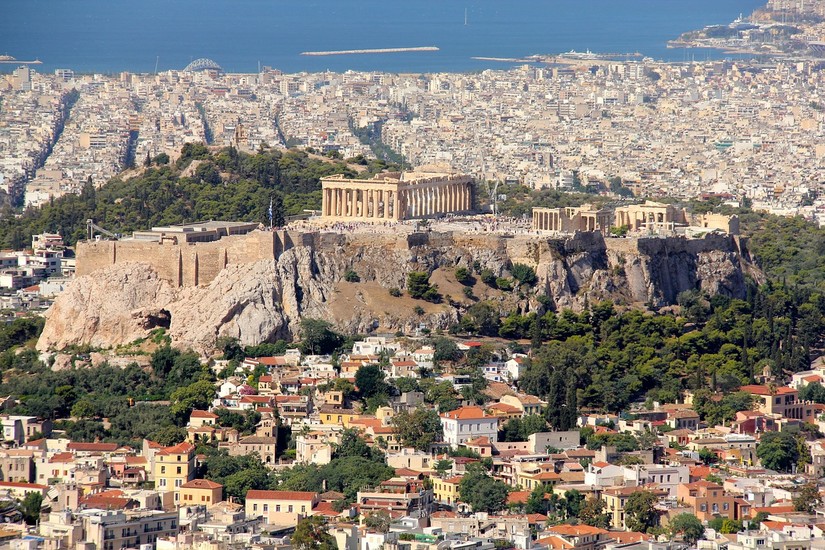

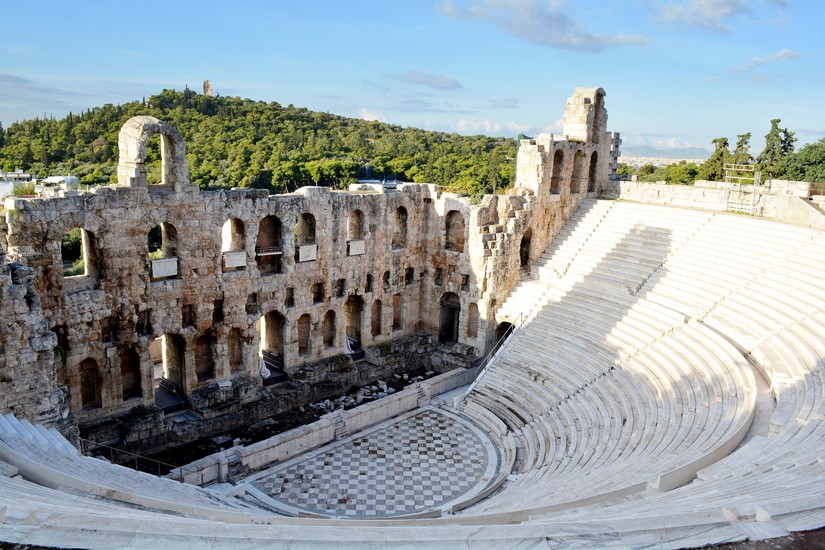
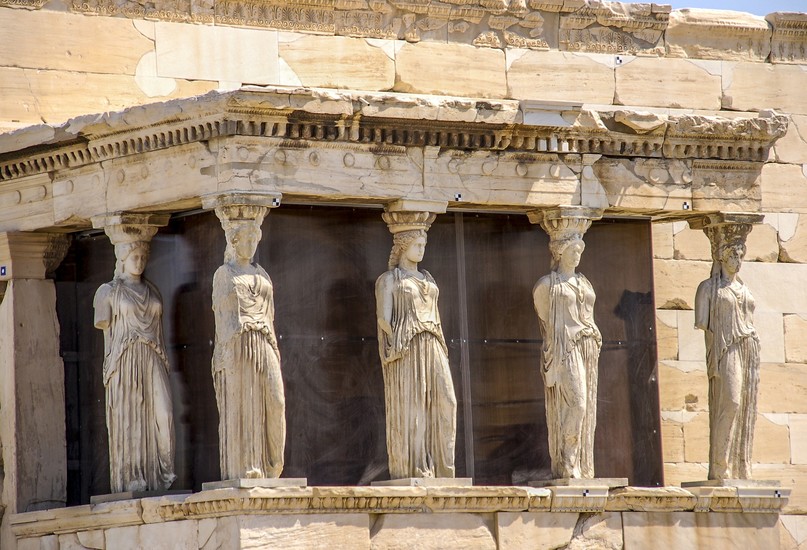
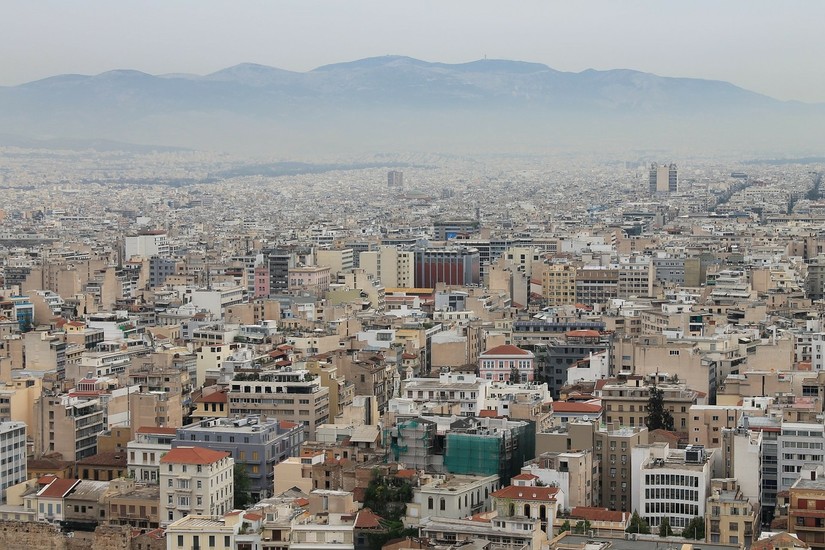
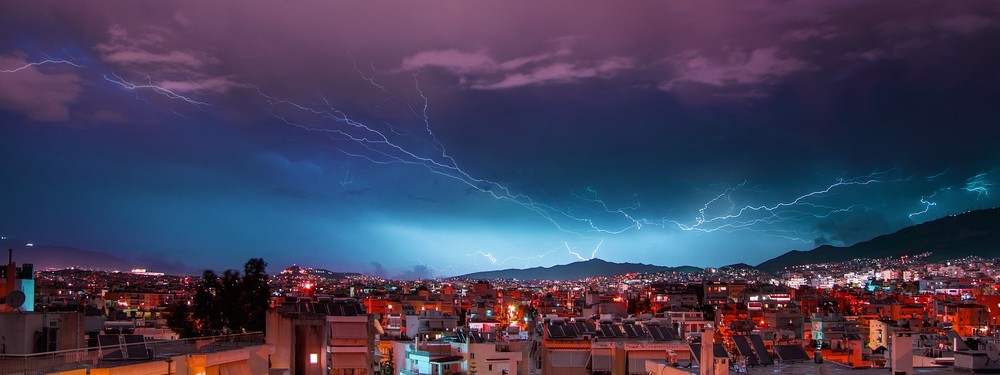

The city proper is home to around 3.1 million people in the greater metropolitan area, spread across neighbourhoods of entirely distinct character. Plaka, the old town beneath the Acropolis, is touristy in the way that anywhere this old and this picturesque inevitably becomes. Monastiraki's flea market and Byzantine churches sit beside rooftop bars with Acropolis views. Psiri has been a creative quarter since the 1980s. Koukaki, just south of the Acropolis, is where Athenians actually live: independent coffee shops, excellent tavernas and streets that have no particular interest in performing for visitors. Kolonaki is the wealthy neighbourhood on the slopes of Lycabettus Hill, where the boutiques are expensive and the hill itself offers the finest panorama in the city.
Athens spent the decade following its 2004 Olympics struggling with economic crisis and the consequences of rapid over-development, and the scars of that period are still visible in empty storefronts and unfinished buildings. What the same period also produced, less visibly but more lastingly, was a creative energy born of necessity: art spaces, independent cultural organisations and community projects that gave the city a cultural life beyond the ancient sites. The Stavros Niarchos Foundation Cultural Centre, opened in 2016 on the southern coast in a Renzo Piano building of considerable elegance, now houses the Greek National Opera and National Library. The National Museum of Contemporary Art occupies a former 1950s brewery in Koukaki. The Acropolis Museum, opened in 2009, is among the finest purpose-built museum buildings in Europe.
Come for the history by all means, but stay long enough to find out what the city is actually like. Athens rewards that decision generously.