

A revolutionary thinker and fearless voice against war and authoritarianism, Rosa Luxemburg fought for democratic ideals, worker's rights, and the freedom to speak out against injustice - principles that remain relevant today.
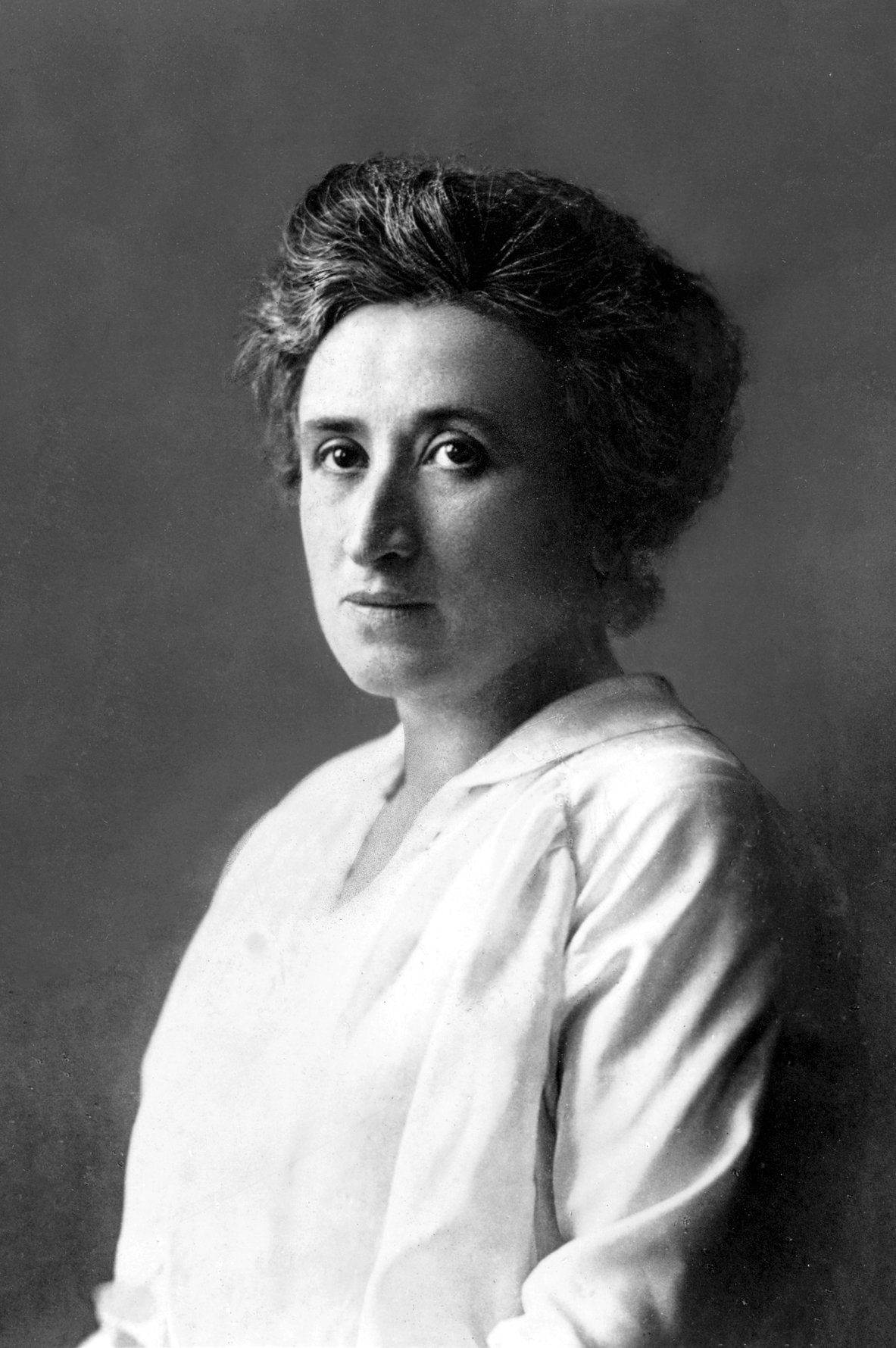
A Radical Life Cut Short
While her name sounds like that of a soap opera character or a romance novel heroine, Rosa Luxemburg was very much a real figure, with a fittingly dramatic life story. Born 'Rozalia Luksenburg' in the southern city of Zamość (which was then controlled by Russia) in 1871, Luxemburg was the fifth child born to a Polish-Jewish family that eventually moved to the capital of Warsaw. Growing up amid political repression, Luxemburg was exposed early to social struggle and revolutionary ideas, which shaped her lifelong commitment to justice and democracy. She first became politically active in the left-wing Proletariat party - a short-lived socialist organization that was brutally suppressed around 1886, with many members executed or imprisoned. Seeking safety and an escape from persecution for her beliefs, Luxemburg fled to Switzerland in 1889 and enrolled at Zurich University, where she studied law and economics, deepened her understanding of Marxist theory. There she also met Leo Jogiches - a fellow student who would become her lifelong political and romantic partner.Together, Luxemburg and Jogiches founded the Social Democratic Party of the Kingdom of Poland and produced the newspaper Sprawa Robotnicza (The Worker’s Cause), opposing the Polish Socialist Party and advocating socialist revolution as the path to an independent Poland. By 1898, Luxemburg had married Gustav Lubeck to gain German citizenship and settled in Berlin, where she became an active member of the Social Democratic Party of Germany (SPD). There, she wrote incisive analyses of European socio-economic issues, spoke publicly to workers about solidarity, and accurately foresaw the coming war, condemning Germany’s militarization.
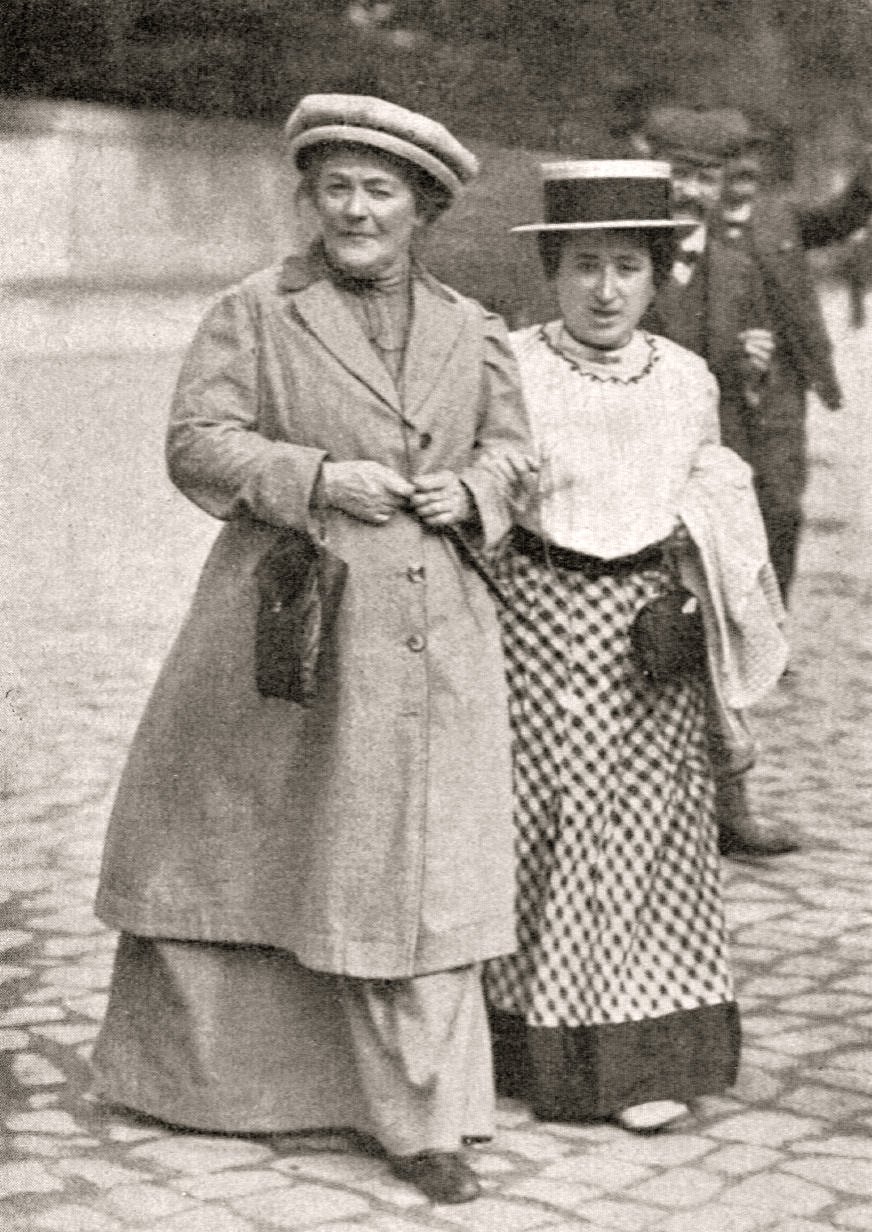
Despite her efforts to organize workers into a strike against war, when the Balkans erupted in 1914 no such action materialized, and the SPD itself voted to support war financing while refraining from strikes. Refusing to remain silent, Luxemburg promptly organized anti-war demonstrations, earning herself a year in prison for “inciting disobedience against the authorities’ law and order.” Shortly after her release, she and fellow activists, including Karl Liebknecht, founded the Spartacus League, which produced anti-war leaflets and continued to encourage worker resistance. These activities led to her second imprisonment in 1916, this time for two and a half years.
Upon her release in November 1918, Germany was in political and social upheaval. The Kaiser had abdicated, the war had ended in defeat, and workers’ and soldiers’ councils were forming across the country, inspired in part by the Russian Revolution. Amid this chaos, Luxemburg and Liebknecht regrouped the Spartacus League and launched the newspaper Red Flag, advocating for democratic socialism, amnesty for political prisoners, and the abolition of capital punishment. The following month, they helped establish the Communist Party of Germany, seeking to guide the revolutionary energy toward social change.
However, tensions between the revolutionary left and moderate social democrats in the new government quickly escalated. While Luxemburg opposed an armed seizure of power by the radicals, Red Flag supported uprisings by workers’ militias, putting her in the crosshairs of government forces. In January 1919, both Luxemburg and Liebknecht were captured, interrogated, and executed by right-wing paramilitary units allied with the government. Luxemburg’s body was thrown into the Landwehr Canal, where it remained undiscovered for four months, a grim symbol of the dangers she had faced throughout her life.
A Lasting Legacy
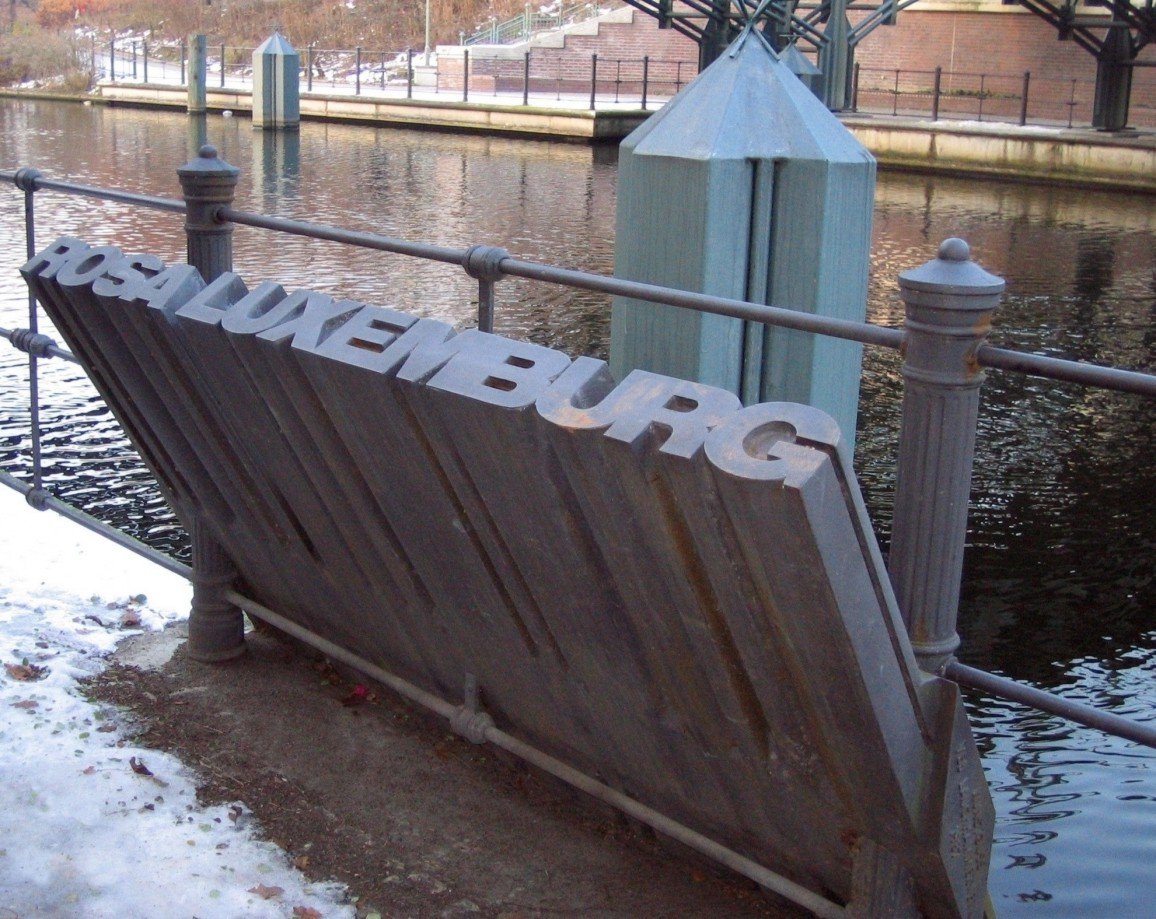
Despite her brutal and untimely death, Luxemburg left a vast legacy of ideas and writings. The term 'Luxemburgism' is even used to describe a specific revolutionary theory within Marxism based on her work. While there are relatively few monuments to her in Poland, Berlin honors her with several monument and place names, including the Rosa-Luxemburg-Platz U-Bahn station and a memorial in the Tiergarten marking the spot where her body was thrown into the canal.Today, Luxemburg remains one of the most compelling and controversial figures of the socialist left. A revolutionary thinker who championed mass democracy, internationalism, and grassroots political participation, she sharply criticized both reformist social democracy and authoritarian tendencies within revolutionary movements. Her insistence that socialism must be democratic continues to resonate in contemporary debates about the future of the left - especially amid rising authoritarianism, nationalism, and inequality, all of which she loudly opposed.
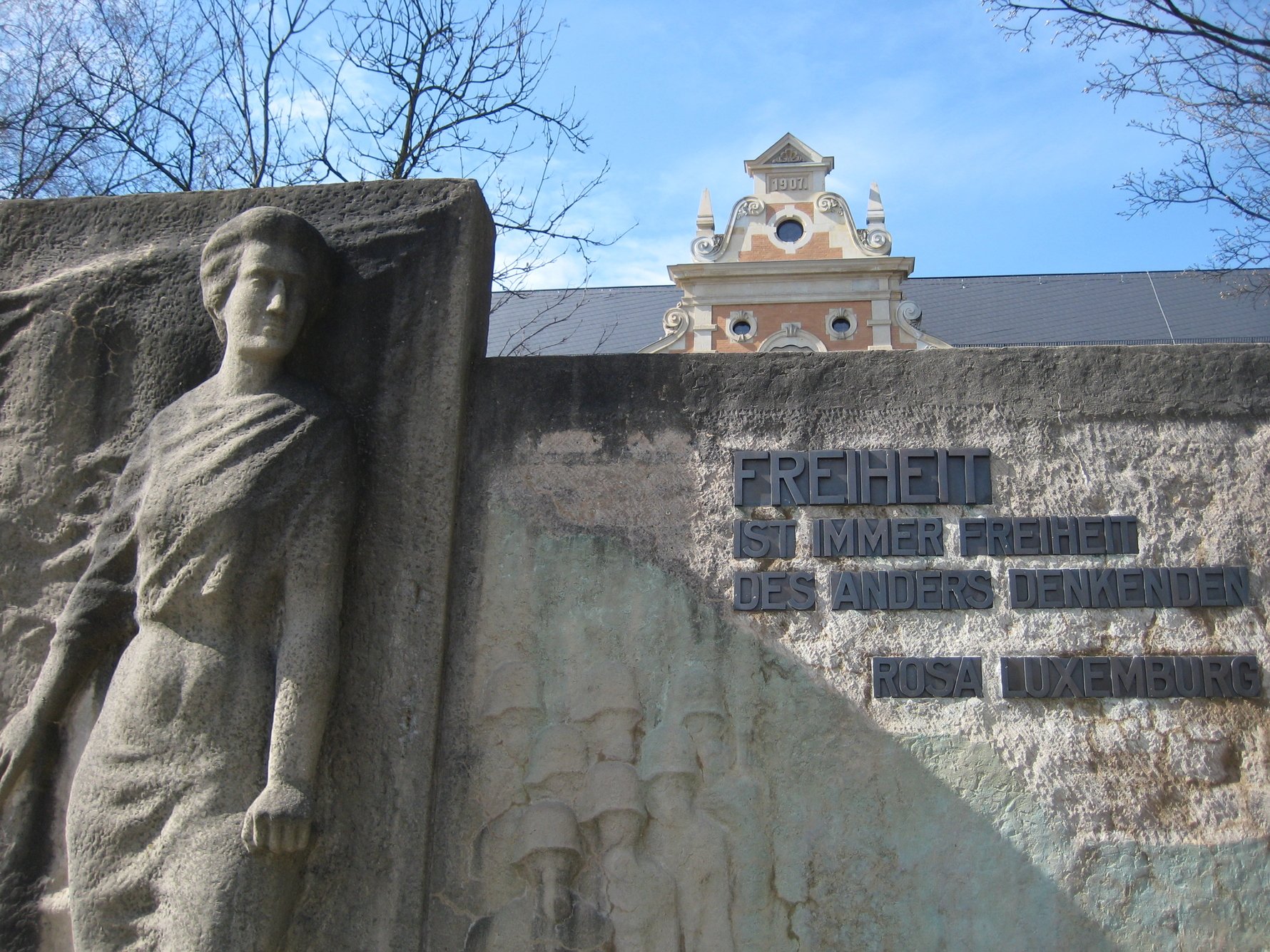
At the same time, her advocacy of revolutionary action alongside opposition to moderate social democracy highlights enduring debates about how to balance radicalism with democratic principles.

Comments