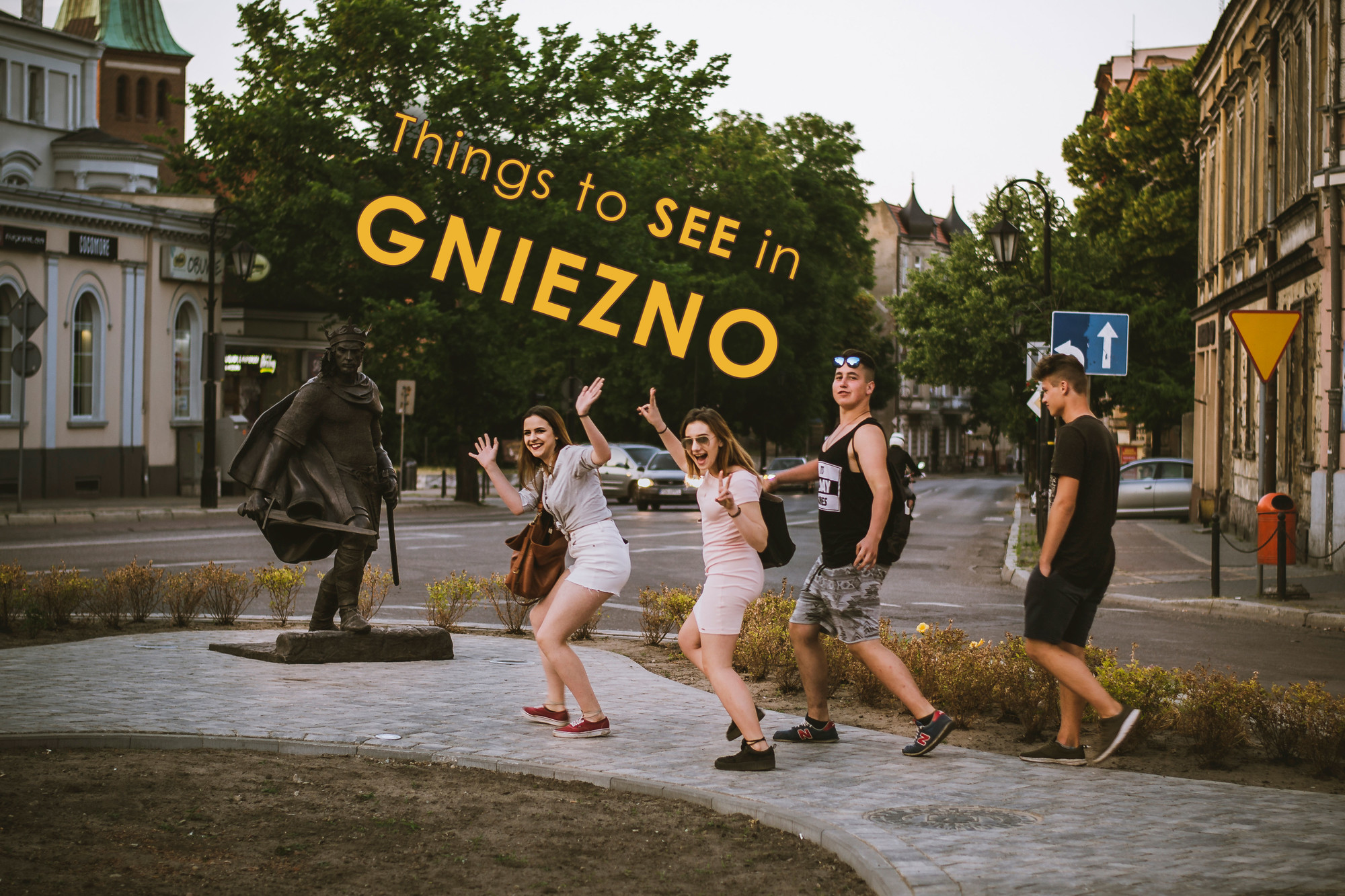
GNIEZNO - POLAND'S FIRST CAPITAL!
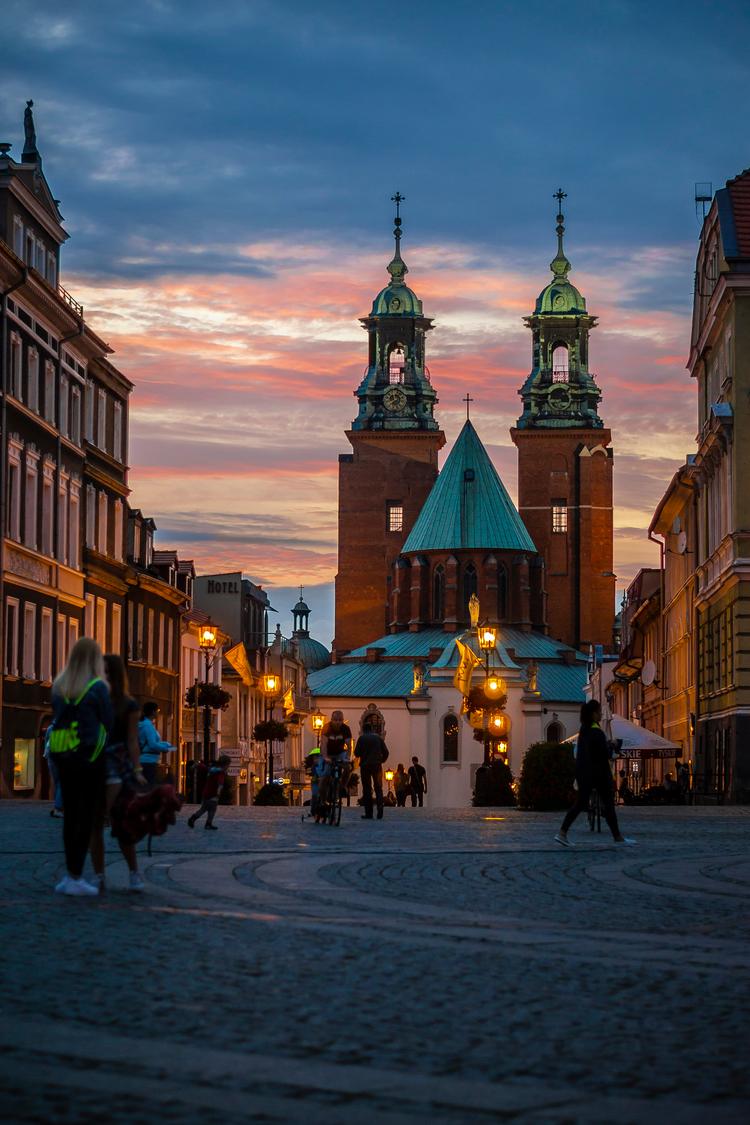
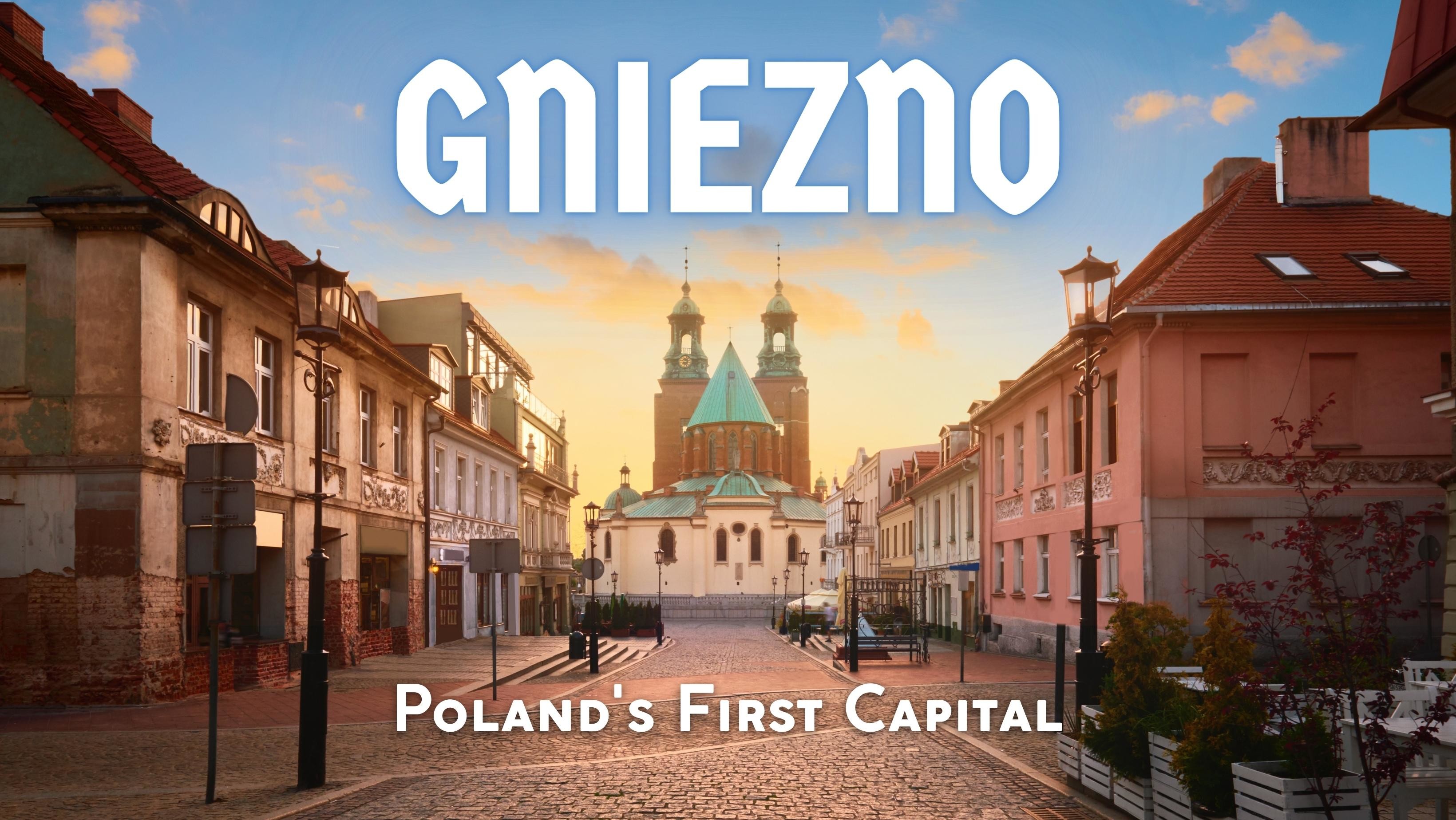
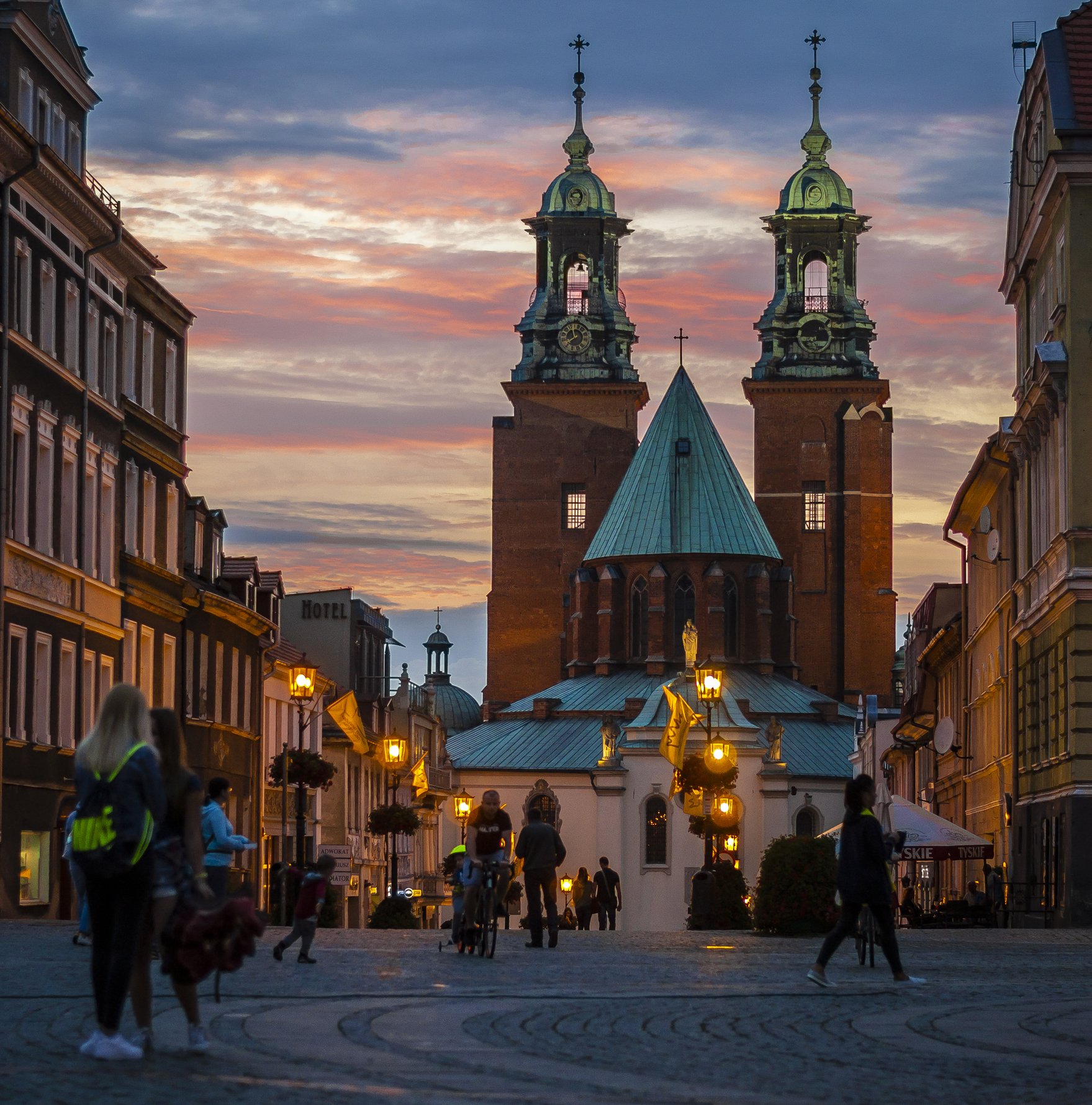
If you've ever wondered where the whole Poland thing began, you need not look any further than Gniezno - the country's first-ever capital! A picturesque town lying 50km east of Poznań, the 'City Of Kings' was eventually shifted to Kraków and then Warsaw, but Gniezno remained an important centre of worship and to this day is still regarded as Poland’s ecclesiastical capital. For the visitor, it is an intriguing town full of spires and cobbles, a superb medicine to the frantic flap of urban Poland. It's an easy day trip from Poznań and you can get there with relative ease from most places in Poland. Sightseeing in Gniezno is, of course, centred around the historic foundations of the Polish state and the importance of educating the youth of these sights means that there's plenty of options for kids and young families!
OSTRÓW LEDNICKI OPEN-AIR MUSEUM
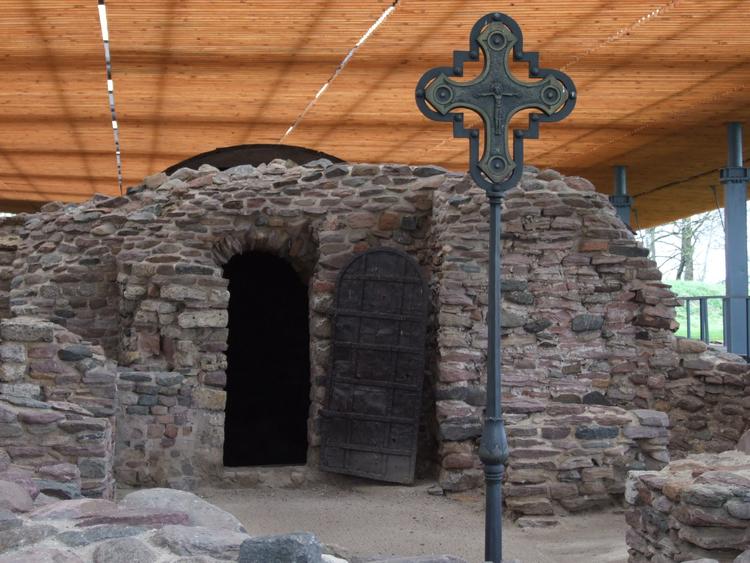
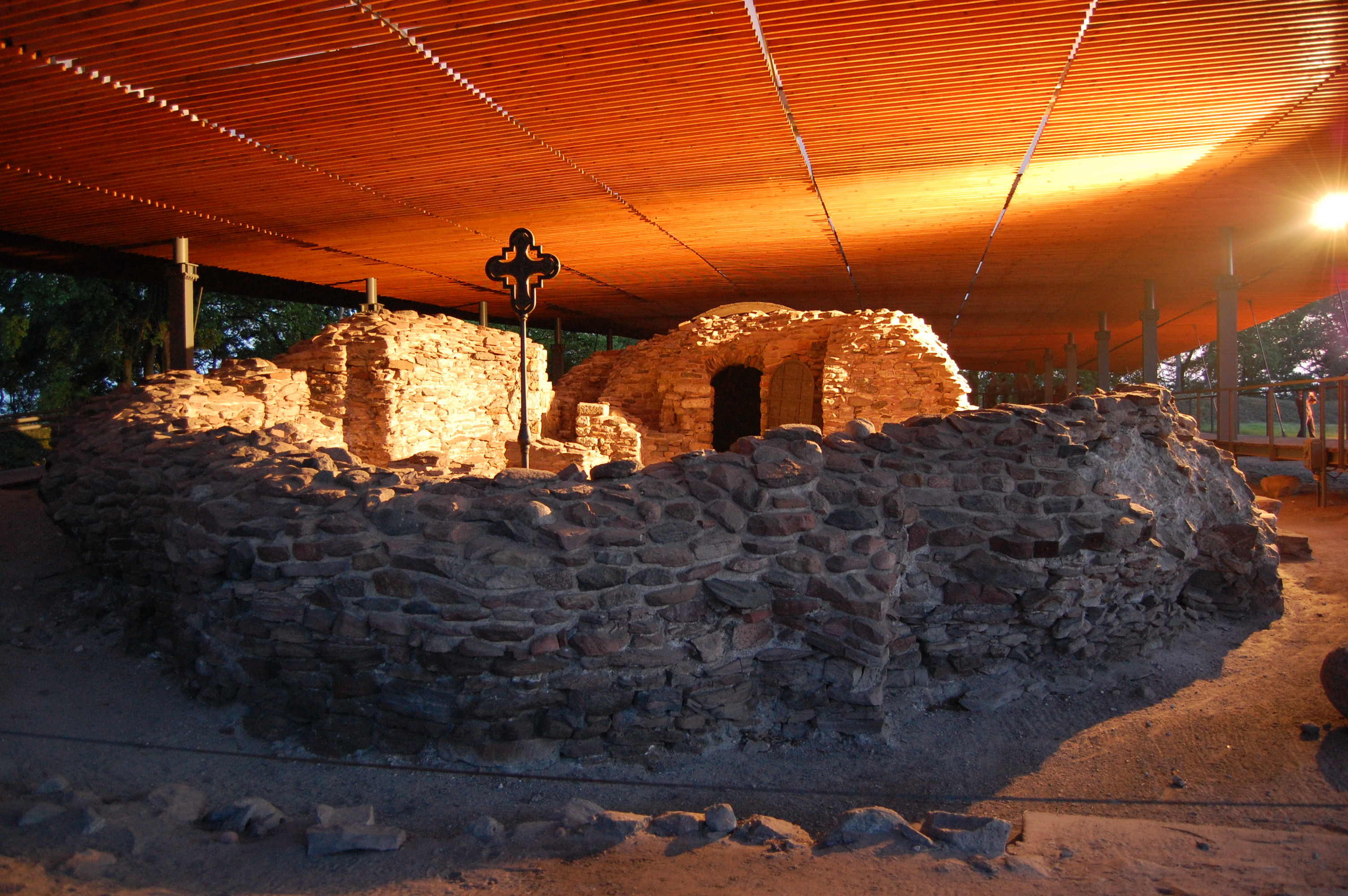
Found between Poznań and Gniezno, a trip to Lake Lednicki allows the opportunity to visit the Museum of the First Piasts – Poland’s largest open-air museum. Situated on an island, tourists get to wander around the 10th-century ruins of a castle and church once used by both Mieszko I and his son. Once connected to the mainland by a pair of bridges the fortress is thought to have played its part during in repelling the Czech invasion of 1038 and archaeological relics that have been recovered since include weaponry, cutlery and the skeleton of a fallen Czech warrior.
BISKUPIN
Known as the Polish Pompeii, Biskupin is a Lusatian fortified settlement dating from the early Iron Age. Discovered by an eagle-eyed school master on a field trip in 1933, excavation work was launched the following year, and even continued under Nazi occupation. Situated 90km north east of Poznań, Biskupin has since become a popular symbol of patriotism, proof to many that Poland has always proudly defended its borders against the Germans! Today, the wooden fortress has been fully reconstructed and is open throughout the year as an open-air museum. Although not connected with the Piast dynasty it is seen as a vital part of the route that traces Poland’s early origins. Fans of The Witcher (PL: Wiedźmin ) series who have played the ' The Wild Hunt ' will notice huge similarities in fortified village of Crow’s Perch, as Polish developers CD Projekt Red drew upon many landmarks in the homeland for inspiration .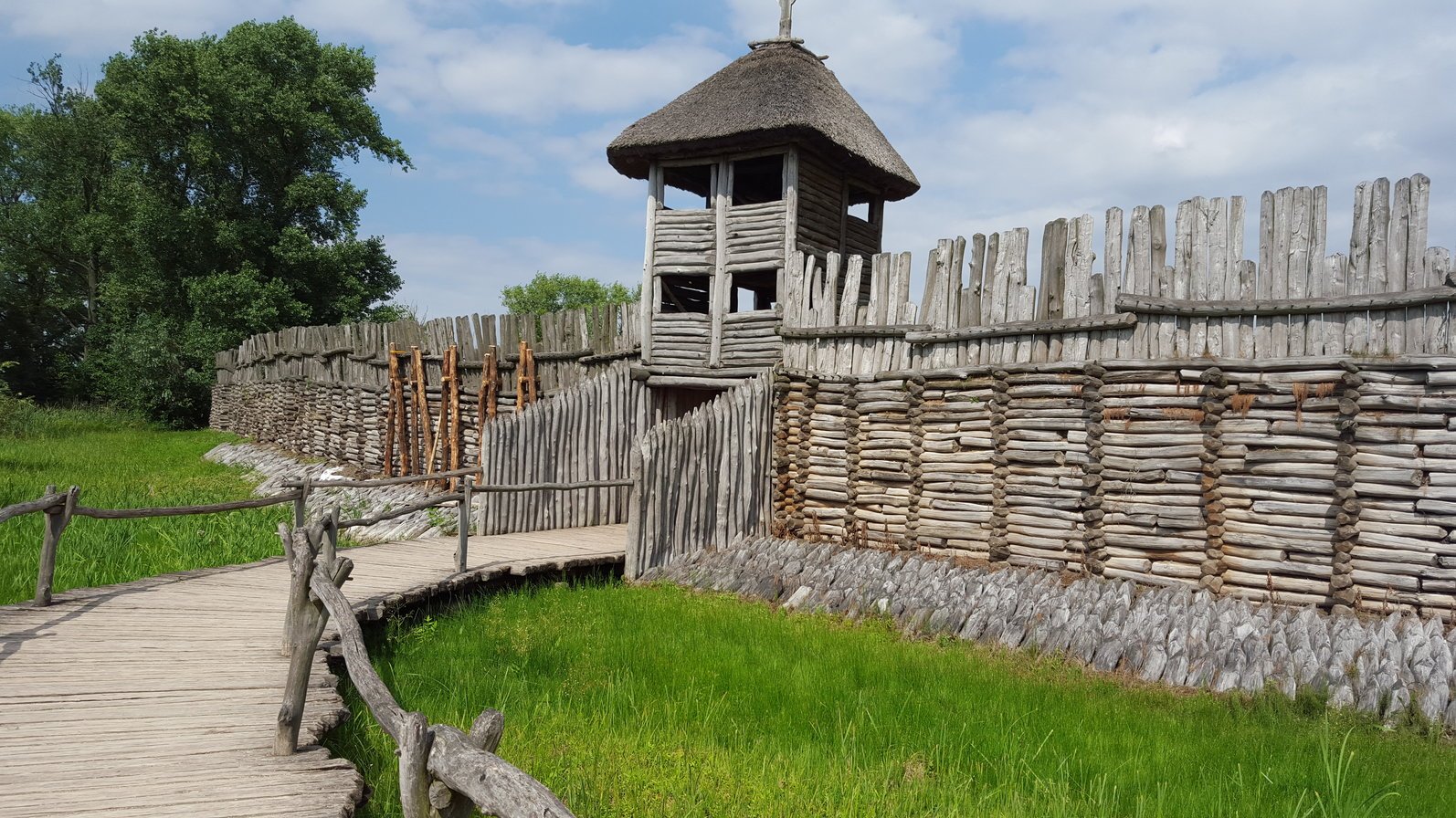
Without a doubt, Biskupin rates as one of the great wonders of Poland, but that doesn’t mean tourists will find it easy to get there. Your best bet is to either hire a car or hijack a helicopter. If you’re travelling from Poznań using public transport you'll be in for a three-leg bonanza (Poznań-Gniezno-Rogowo-Biskupin or Poznań-Gniezno-Żnin-Biskupin) and might be stuck spending a night en route, most likely in Żnin. For more info check the comprehensive English language website at www.biskupin.pl .
ŻAGAŃ AND THE GREAT ESCAPE!
Found roughly half-way between Poznań and Wrocław, the town of Żagań was the site of one of the most celebrated prison breakouts of all time. Immortalised in the 1963 Hollywood blockbuster The Great Escape, the daring break from the Nazi prisoner-of-war camp Stalag Luft III has since been ingrained into English and Commonwealth culture. Opened in 1942 outside the German town of Sagan (now Polish 'Żagań'), the camp was designed to hold thousands of captured allied airmen, including the most persistent escapees inside the Reich’s network of prisons. Undeterred by tight security a hardcore band of 250 POWs made a brilliant attempt to tunnel out of the complex before setting off independently for neutral territory.
Read our article on The Great Escape: Stalag Luft III in Żagań