

Some places and experiences simply don’t make the front page of travel guides — not because they aren’t worth seeing, but because they tend to be discovered unexpectedly, somewhere between the major landmarks and carefully planned itineraries.
This selection brings together a mix of places in and around Šibenik that may not be the obvious headliners, but absolutely deserve a spot on every traveller’s radar. From hidden viewpoints and local food stops to cultural curiosities and memorable detours, these are the experiences that often end up becoming the stories people remember most.
Home of the Dalmatian Dog
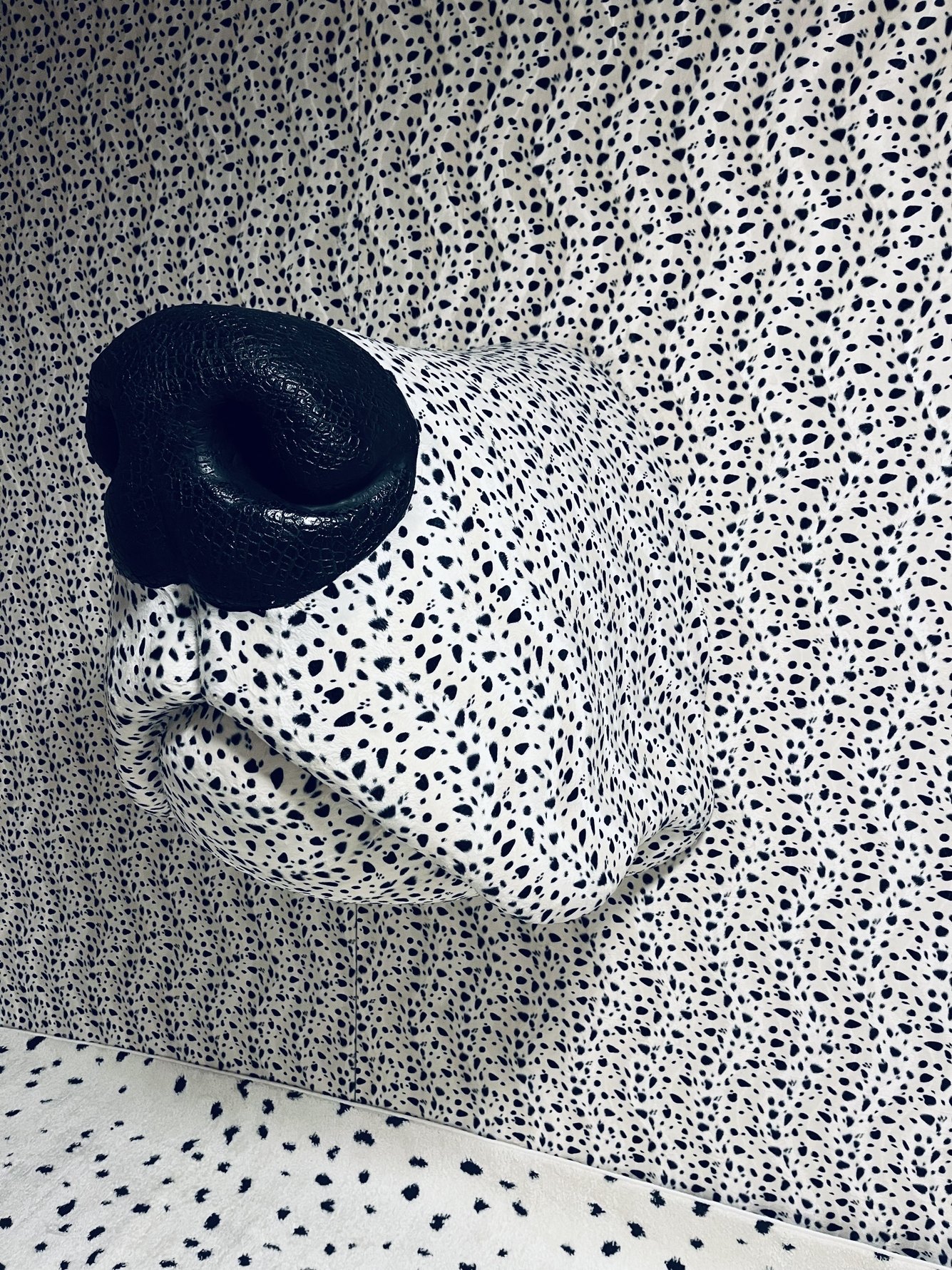
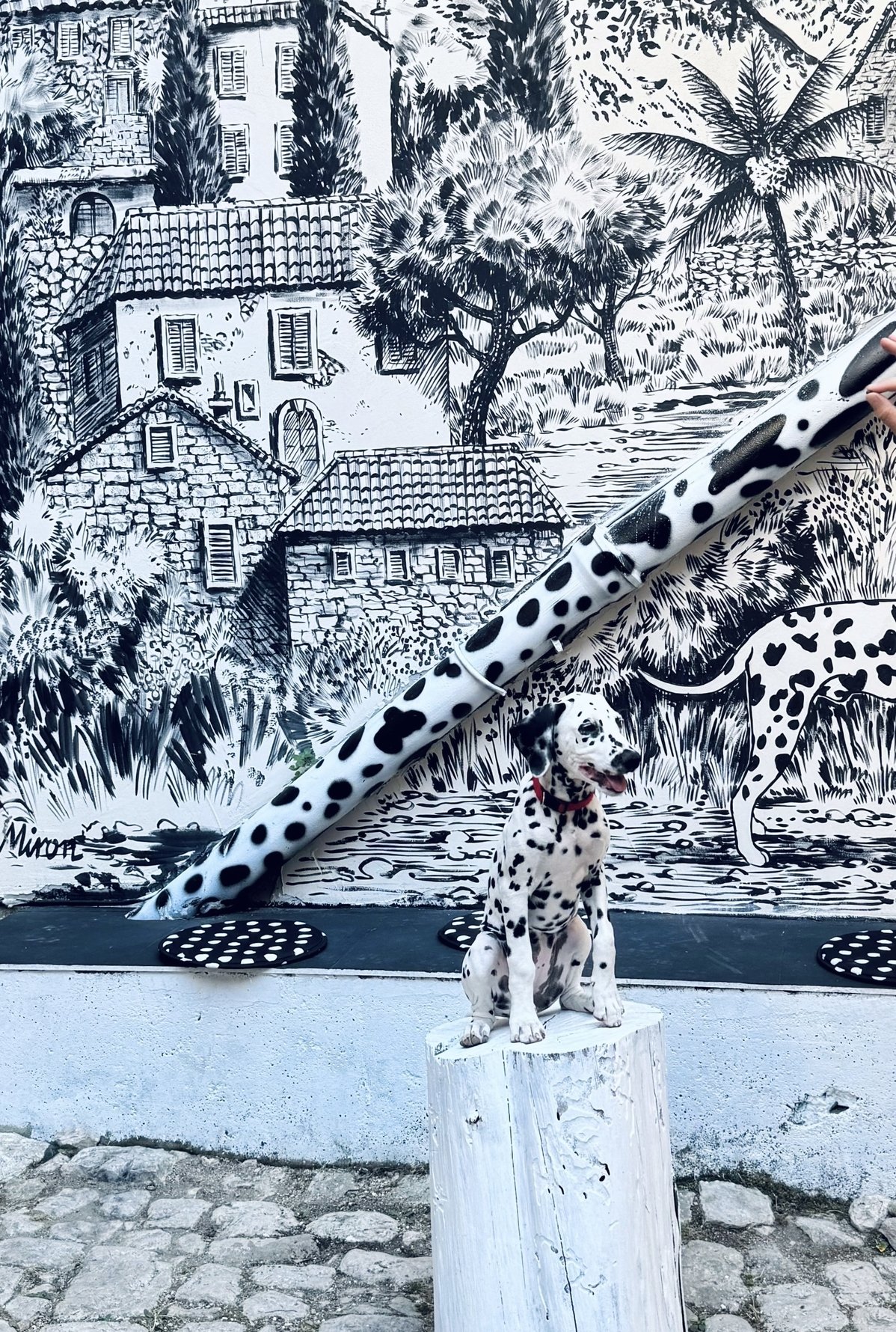
The real question is, what took so long? The world’s first museum dedicated entirely to the iconic Dalmatian dog is finally here, telling the story of one of the most beloved breeds on the planet. There is a lot more to the Dalmatian than Pongo, Roger Radcliffe, and Cruella de Vil, and this fun museum is a brilliant way to learn more about the history of the dog and its famous spots. The Home of the Dalmatian Dog is truly a museum for dog-lovers of all ages.
Kralja Zvonimira 42a, Šibenik, www.homeofthedalmatiandog.com
Open 09:30 - 13:00, 17:00 - 21:00.
Šibenik Falconry Centre
Located in woods near Dubrava 8km north of the city centre, the Šibenik Falconry Centre was founded in 2000 to protect birds of prey and educate the local public about wildlife conservation issues. As a collection centre for injured birds, kept here before being returned to the wild, it has become a major tourist attraction. The centre receives birds of prey from all over Croatia, most of which are victims of their interaction with human civilization: typical cases include birds injured by collisions with cars or electric fences, birds orphaned by hunters, or birds that were inappropriately kept as pets by humans. The majority are successfully treated and returned to the wild. Individual visitors are free to admire and photograph any birds currently kept in the Centre’s holding cages (buzzards and eagle owls being the most numerous patients), a wonderful experience that will bring you face to face with creatures that you would normally never see at such close quarters. Pre-booked groups may also be treated to displays of falconry.Škugori 47a, Dubrava kod Šibenika, www.sokolarskicentar.com
July and August Open Fri - Sat 10:00 - 14:00
Etnoland
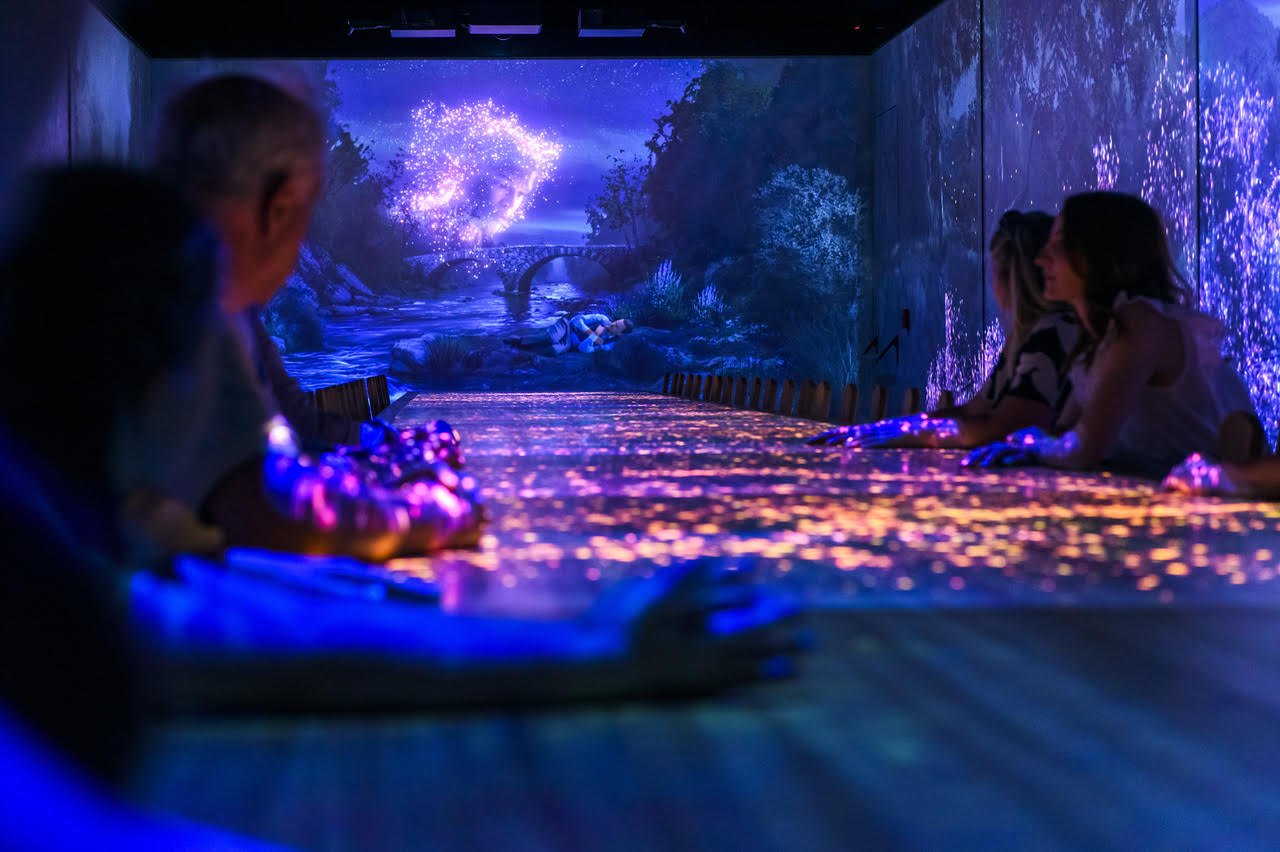
Just a short, 10-minute drive from Krka National Park, Etnoland offers a journey into the traditions of the Dalmatian hinterland. Part open-air museum, part immersive experience, it brings local history to life through storytelling and multimedia elements. Easily reachable from Šibenik by car or by bus towards Drniš. The visit of the multimedia show lasts 1 hour and visitors can also opt to end their visit at the on-site restaurant, which serves traditional Dalmatian dishes exclusively for Etnoland guests, offering a genuine taste of the region. Engaging, well-produced and at times surprisingly emotional, it stands out as one of inland Dalmatia’s more distinctive cultural stops. Suitable for individuals as well as families. The shows start from 12:00 every day and entry is possible every 30 min.Put Čikole 4, Pakovo selo, www.etnoland.com
Visits are organised in guided time slots, with reservations available through the official website, by email or by phone, where visitors can choose from different tour times and experiences.
Čikola Canyon
Just a short drive from Šibenik is a rare place of undisturbed nature, harsh yet tender, surrounded by the beauty of Krka National Park. We’re talking about the Čikola River Canyon, a swift karst river in winter that dries up almost entirely in the summer, making this a glorious place for a wide variety of activities. Walking along the dry riverbed in summer is a rare treat, and the surroundings offer plenty of hikes, runs and treks for more energetic visitors. There is also a four-platform zipline that zips the intrepid down at an incredible 70km/h pace, perfect for adrenaline seekers and extreme tourists alike. Throw in arguably the best climbing rock in Croatia, and you’ve got yourself a natural paradise with plenty to offer. The canyon is found 13km or so west of Drniš, the only town in Croatia that still has the remains of an Ottoman minaret.Primošten Vineyards
The best of Šibenik county’s velvety Babić wine comes from the vineyards ranged across the hills around Primošten, a geometric cluster of small rectangular plots owned by individual local families. With each of these rectangular parcels surrounded by a dry-stone wall, the vine-bearing hillside terraces look strikingly decorative when seen from a distance, and are somewhat appropriately described as the “stone lace of Primošten” in local tourist literature.These terraces are the result of generations of back-breaking toil: the rocks that cover the local landscape had to be laboriously broken up in order to create cultivable patches of land. Primošten’s oldest vineyards probably date from the 16th century, although extra impetus to their development was provided by post-World-War-II land redistribution, when the area around the Kremik Gulf southwest of town was divided up and shared out among the locals. Over the course of ten years hillside terraces were built, fields were cleared and dividing walls were erected with geometrical precision, producing the unique vineyard landscape that can be seen today. Such is its beauty that the Croatian government is considering putting the Primošten Vineyards forward as a candidate for inclusion on the UNESCO’s World Heritage List.
Best way to admire the vineyards is to head for Kremik yachting marina, which lies at the bottom of several terraced slopes. Several foot- and bicycle paths allow visitors to explore the landscape at close quarters.
Church of the Holy Redeemer in Otavice
Ten kilometres east of Drniš, the sleepy village of Otavice is celebrated for the domed grey Church of the Holy Redeemer that squats on a low hill on the fringes of the village. It was built in to serve as a family mausoleum by the sculptor Ivan Meštrović, who spent much of his childhood here before pursuing a long and fruitful artistic career in Vienna, Zagreb then the USA. Begun in 1926, the building contains some of Meštrović’s most haunting reliefs, with an ethereal Crucifixion flanked by serene portrayals of the Evangelists. Mass is only held here once a month, but the church is open as a tourist attraction during whole year. Otavice, Ružić, www.mestrovic.hr/en/crkva-presvetog-otkupitelja_eng/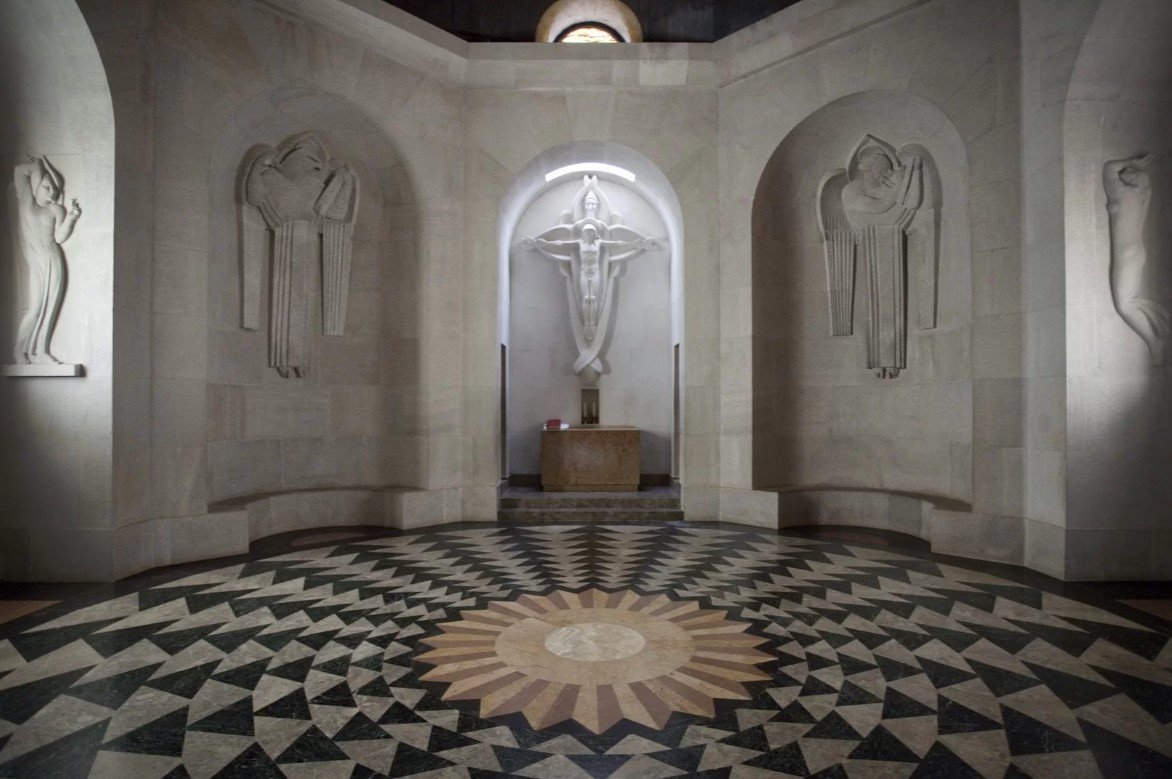


Comments