The first Chinese immigrants arrived in Joburg to work on the mines when the city was founded during the 1890s gold rush. By the 1900s, Joburg's First Chinatown had been established along Commissioner Street in Ferreirasdorp, where today you can still find a few Chinese restaurants and a legendary Chinese supermarket run by the third generation of the Pon family.
Nowadays, the city's Chinese community has moved and in recent decades, new Chinatowns have been established in different corners of Joburg. The 2000s saw much of the original Ferreirasdorp population establish their base at the New Chinatown in Cyrildene. In more recent times, Joburg has seen the rise of the ubiquitous China malls – vast shopping malls generally found in more industrial areas of the city that sell goods made in China, including clothing, electronics, accessories, and homeware at low, wholesale prices. The original 500-store China Mall is located in Amalgam in the south, and across the region, there are similar centres with names like Dragon City and Oriental City, but often known locally simply as "the China Mall".
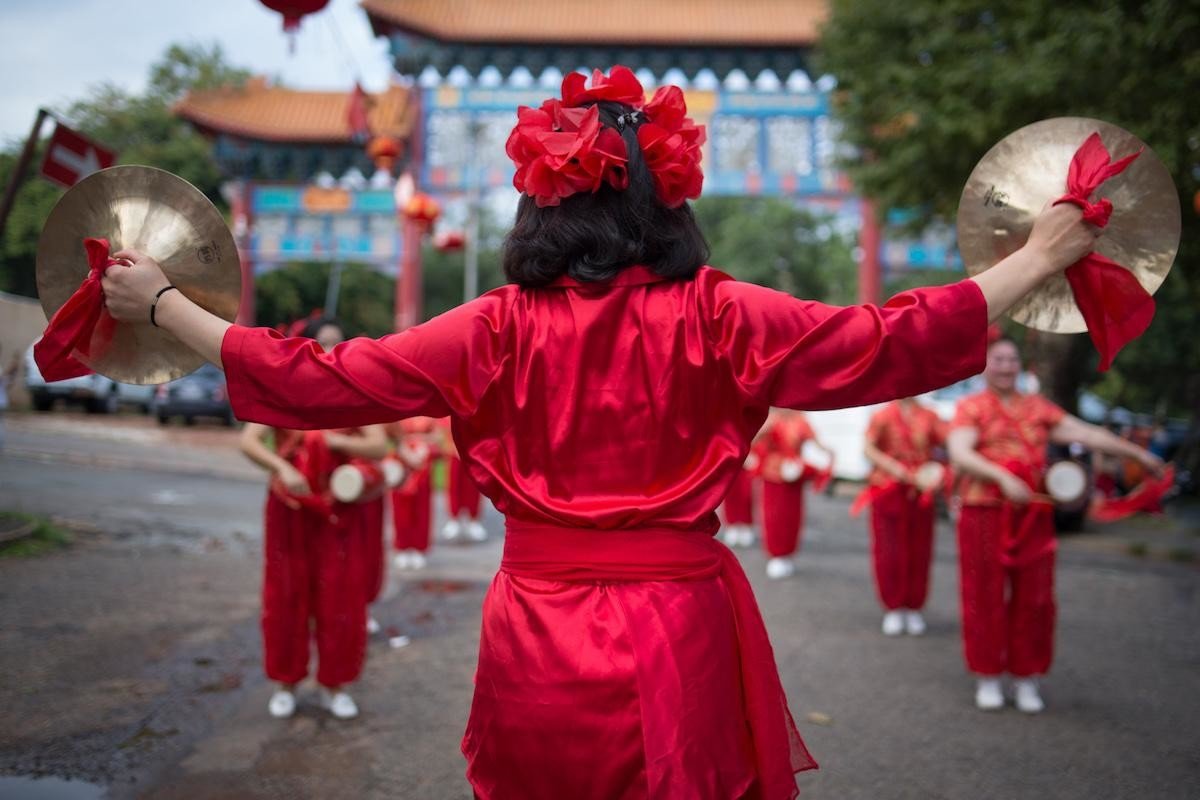
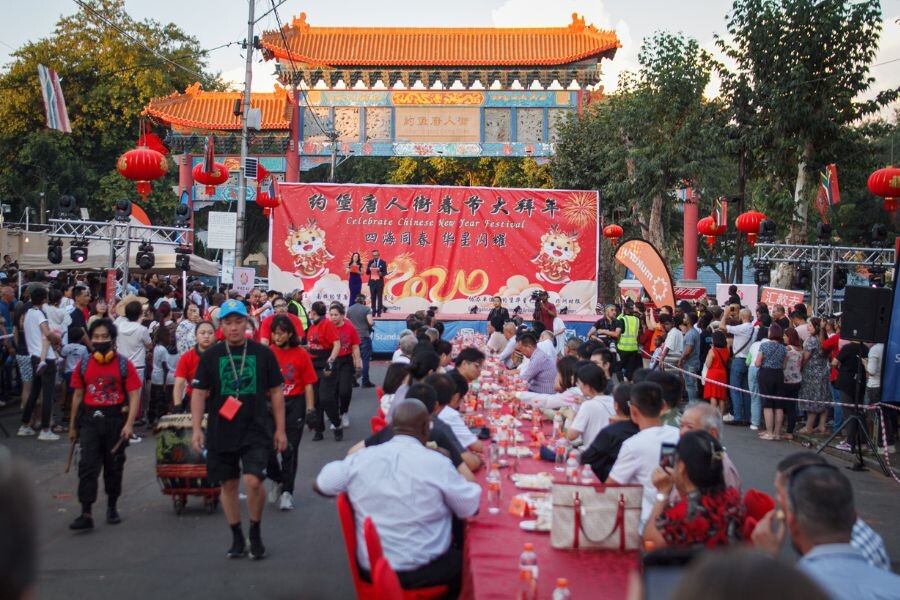
The cultural traditions of the old country are still upheld in Joburg's different Chinatowns, particularly the annual celebration of the Chinese Lunar New Year or Spring Festival. These exuberant parties include incredible fireworks displays, as well as traditional dance and music performances.
There's also plenty to discover in the city – whether you are looking for authentic Chinese restaurants or want to explore Chinese-South African culture on a walk through Chinatown, you'll find what you're looking for in this guide to Chinese Joburg.
1. First Chinatown (Ferreirasdorp)
Between buildings 5 and 17 on Commissioner Street is where the city’s original Chinatown was first settled in Ferreirasdorp, close to the site of the first mining claims and the bustling market square. The settlement of Johannesburg was established in 1886 following the discovery of gold and by 1893, the growing mining camp already had at least seven established Chinese general stores in a cluster around this area. In the tumultuous run-up to South Africa's first democratic elections, there was a hasty flight by big business from the City Centre, including the moving of Chinese businesses from the historic First Chinatown to other parts of the city.
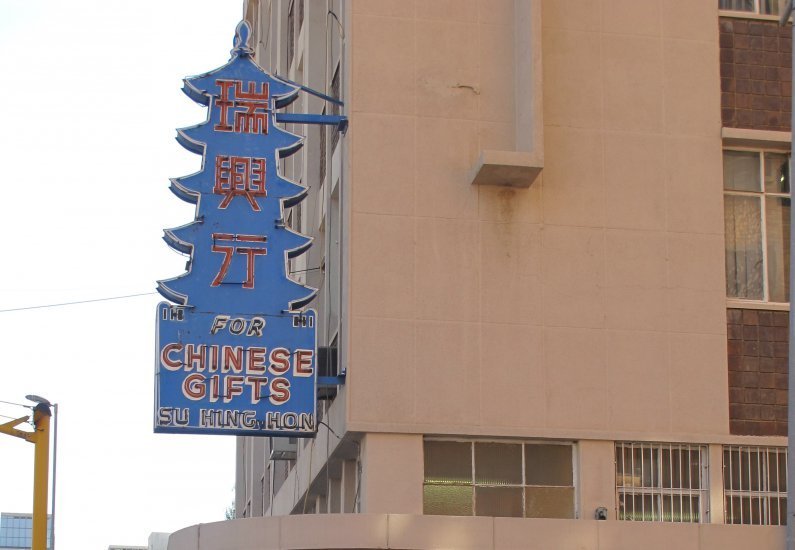
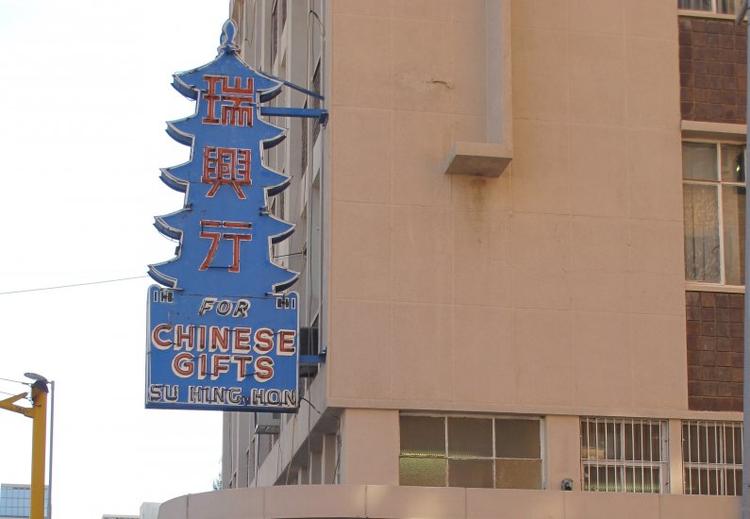
Still, some stalwarts remain and today you can visit the area for Chinese food at the longest-surviving Chinese restaurant in the city, Swallow’s Inn (to book, call +27 11 838 2946), or enjoy a typical yum cha brunch on weekends at Ming Woo restaurant (to book, call +27 83 861 3725), and shop for Chinese condiments, spices, and tea, plus all kinds of other unusual items at the fantastic Sui Hing Hong supermarket.
2. New Chinatown (Cyrildene)
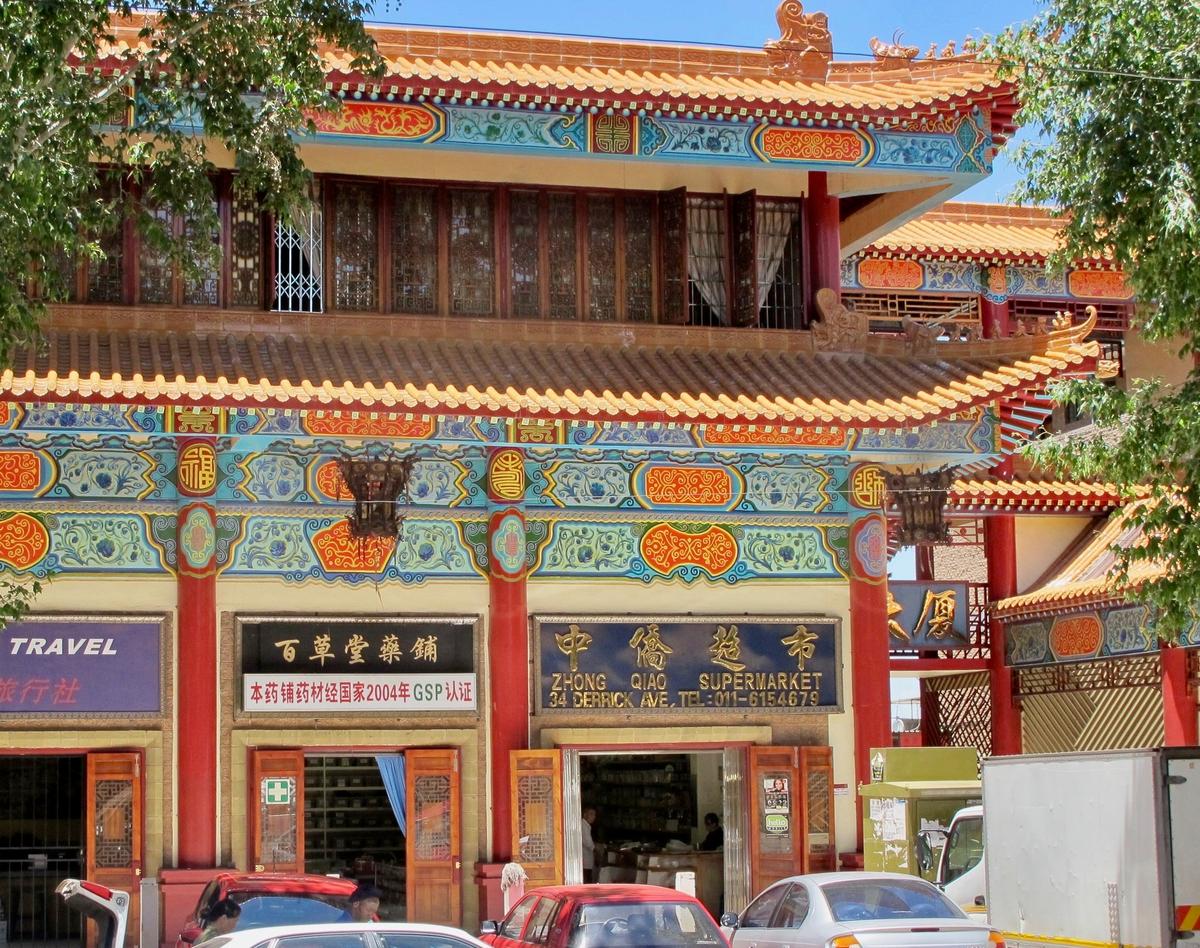
If you are looking for a lifestyle antidote to Joburg's designer districts, you’ll find it on Derrick Avenue in Cyrildene, Joburg’s New Chinatown. A pair of impressive archways mark the entrances to the street, offering a change in tone from the surrounding suburb’s architecture. The storefronts are unmistakably Asian and include supermarkets, restaurants, tea shops, massage parlours, and hair salons, while the streets are filled with fish stalls and vegetable markets.
When we last visited the area, on an early Sunday morning (February 2026), it was brimming with entrepreneurial activity. And if you think bubble tea is just a trend, the number of shops dedicated to the beverage will tell you otherwise.
There is an authentic grittiness, which only seems to add to the area's charm. CJ Supermarket is the largest store on Derrick Avenue, with endless aisles of imported noodles, snacks, biscuits, and more.
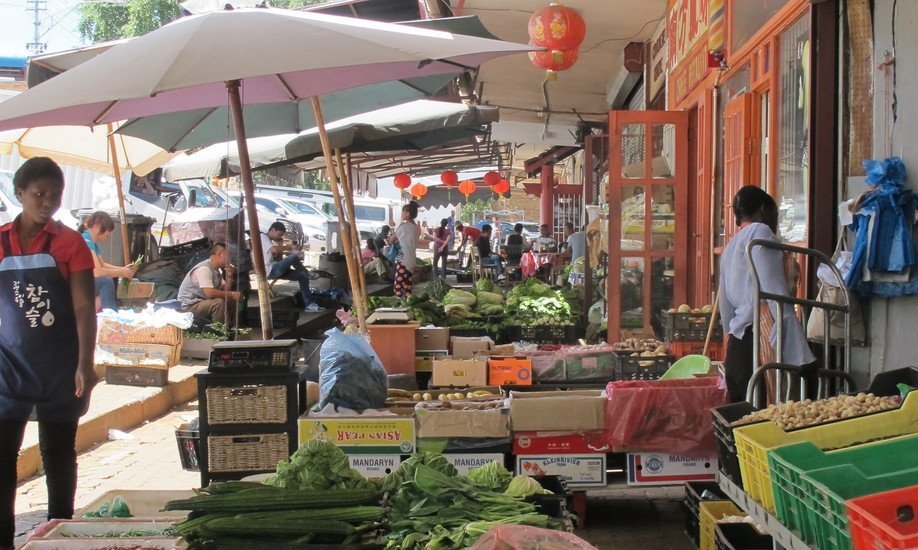
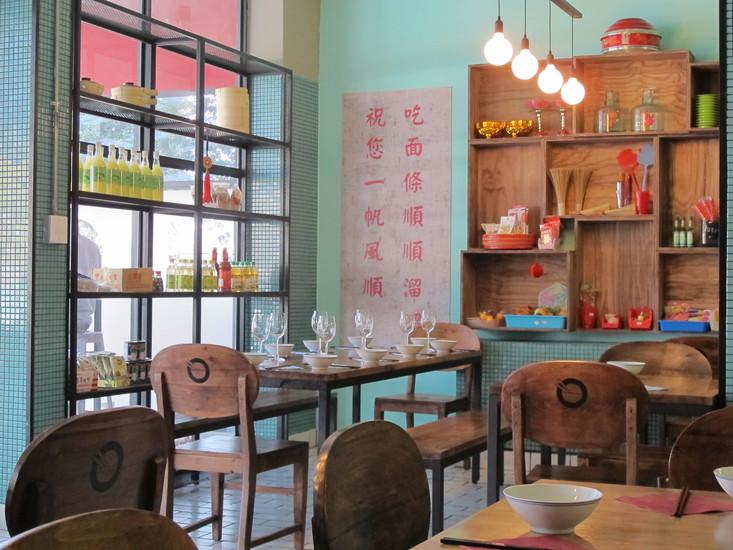
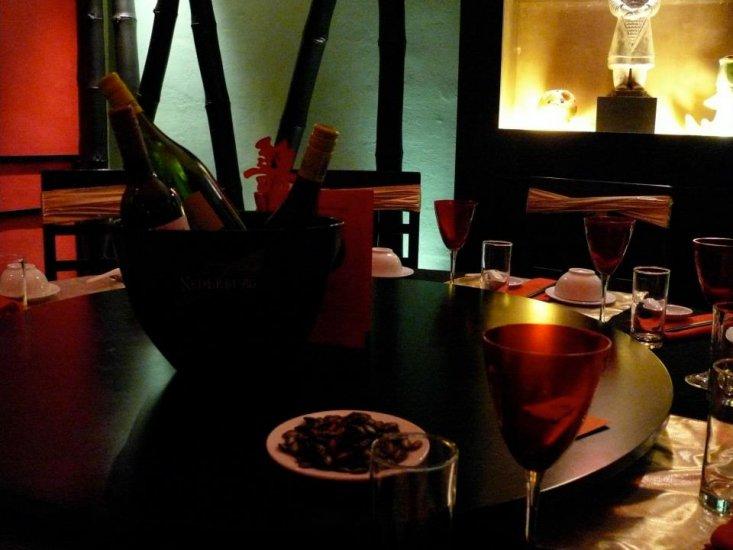
Places to eat tasty and affordable Asian food abound, with everything from traditional yum cha to Szechuan hotpot and Thai food on offer. For the adventurous eater, there is a lot of fun to be had in deciphering untranslated Chinese menus. Popular haunts include the always-busy Shun De (to book, call +27 82 059 2291) for weekend dim sum brunches (yum cha), and for steaming Szechuan hotpot, there's the no-frills Chong Qing Hot Pot (to book, call +27 83 554 3054). For Thai food, the distinctive Anong restaurant (to book, call +27 74 240 6712) makes you feel like you've stumbled upon a casual eatery in Bangkok (complete with its own Buddhist shrine in the parking lot).
3. Oriental City (Rivonia)
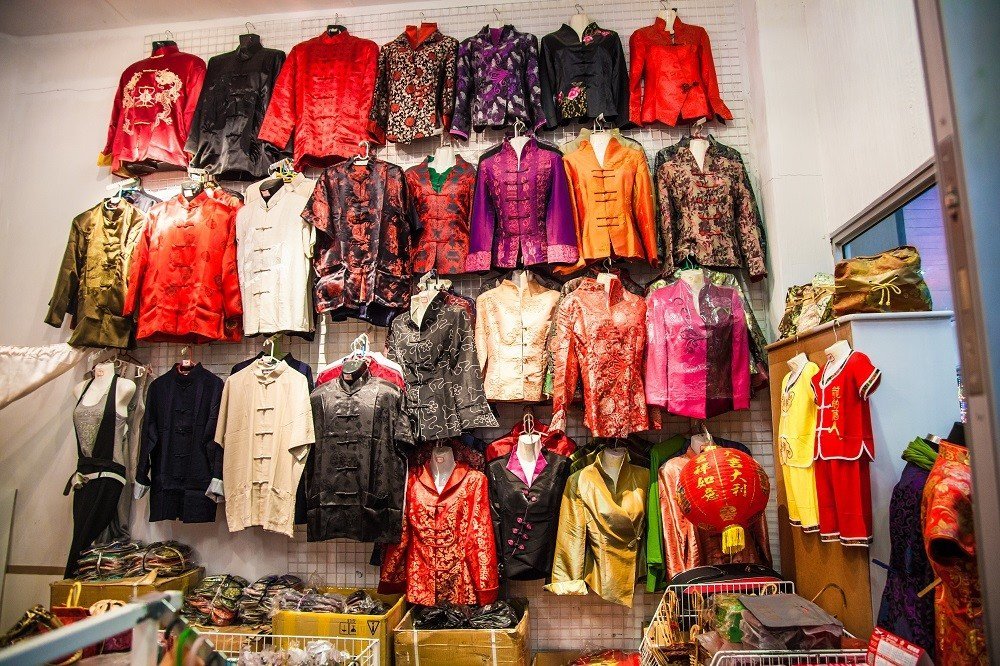
Sandton's unofficial Chinatown is clustered around a collection of low-key strip malls in Rivonia, where you'll find mostly basic and affordable Chinese and Korean eateries, plus a hidden Thai place called Thai Elephant. This Chinatown is centred purely around retail and dining (unlike First and New Chinatown, where some Chinese-South African families still live), and has its very own China Mall called Oriental City, where you can buy all kinds of cut-price homeware, electronics, luggage and clothing. If you enjoy classic hotpot and barbecue restaurants, this area has several options to choose from. For a more polished offering, check out Kokoro, a supermarket in Rivonia Junction Centre that stocks a wide range of Chinese (as well as Japanese and Korean) speciality items. Kokoro also has branches in Rivonia Garden, Linden, Fourways, Benmore and Sandton.
4. Day tripping: Visit Nan Hua Buddhist Temple near Pretoria
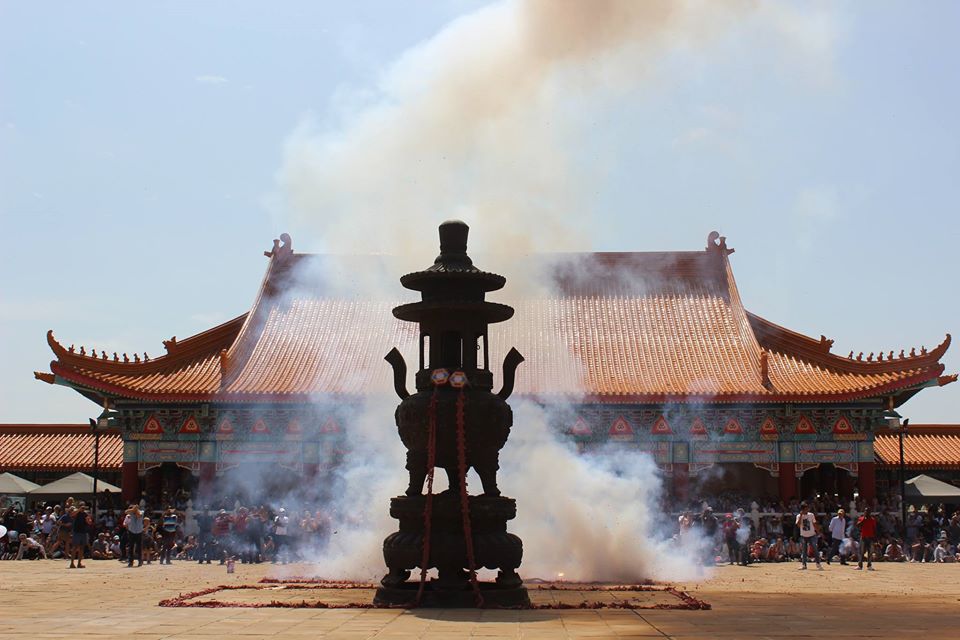
The magnificent Nan Hua Buddhist Temple was built by the Taiwanese Buddhist community in South Africa and is one of the largest Buddhist temples in the Southern Hemisphere. It is located in Bronkhorstspruit near Pretoria (about a 75-minute drive northeast of Joburg) and encompasses an entire suburb, where the streets even feature Chinese names. The huge temple complex is elaborately decorated with giant golden Buddha statues, colourful gates, and sculptures of Chinese dragons. The temple has a regular programme of activities and meditation workshops, and big celebrations are usually organised for major religious festivals, as well as Chinese New Year. The temple also serves a vegetarian lunch every Sun from 12:00 – 13:00. Visitors are asked to show respect for this religious site by dressing appropriately (no mini-skirts, vests, etc.). The temple is open from 09:00 – 17:00 (closed Mon) and entrance is free.