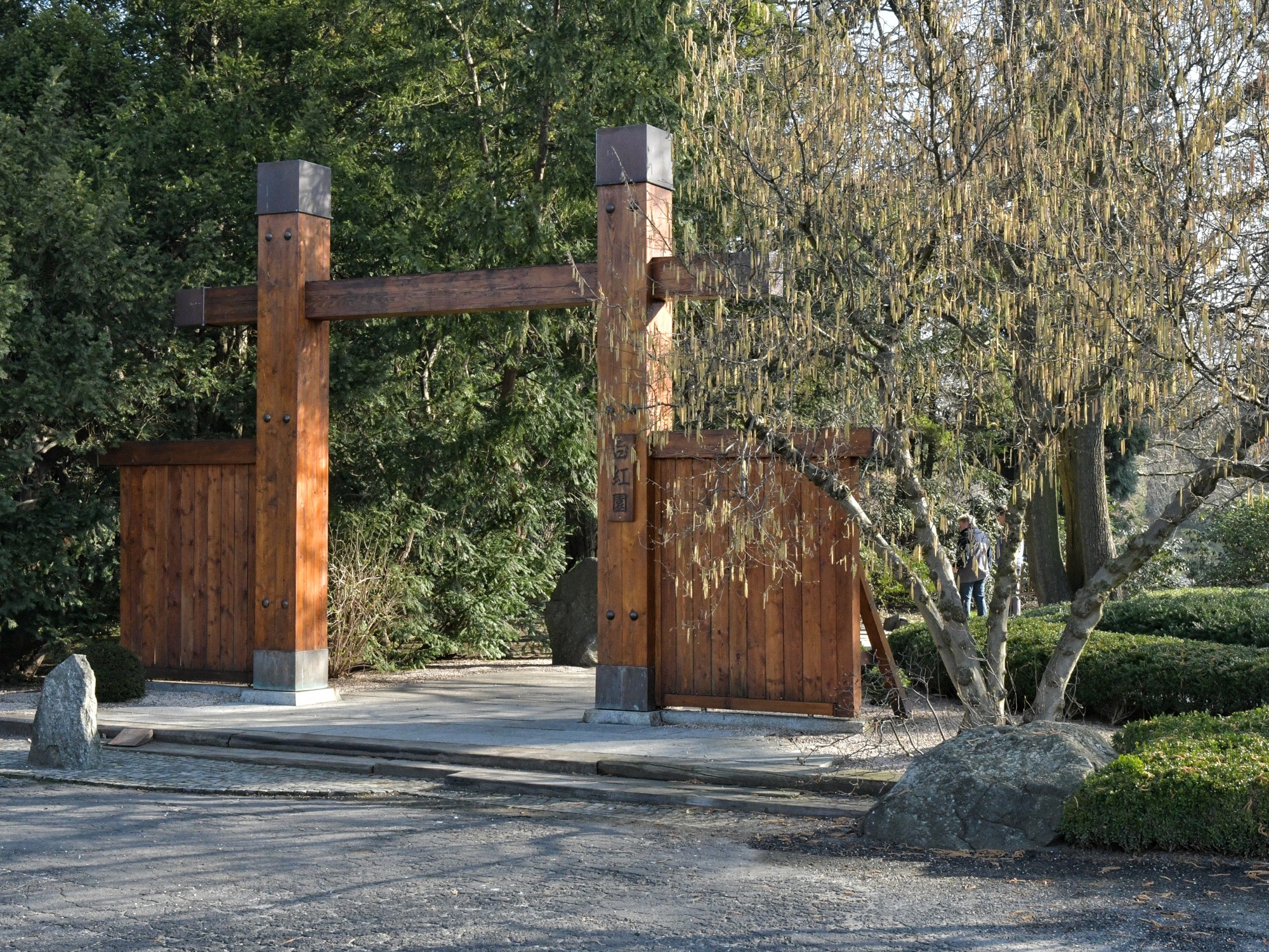
Open from April to October, the Japanese Garden in Wrocław is one of the city’s most tranquil and culturally significant green spaces. Located just north of Centennial Hall behind the historic pergola, the gardens were originally established in 1913 for the Centenary Exhibition by Count Fritz von Hochberg and Japanese gardener Mankichi Arai. Thus the garden reflects over a century of Polish-Japanese cooperation and landscape tradition. After severe destruction during the devastating flood of 1997, it was carefully restored with support from the Japanese Embassy and reopened in 1999 as Haku Koen, symbolising friendship between Poland and Japan.
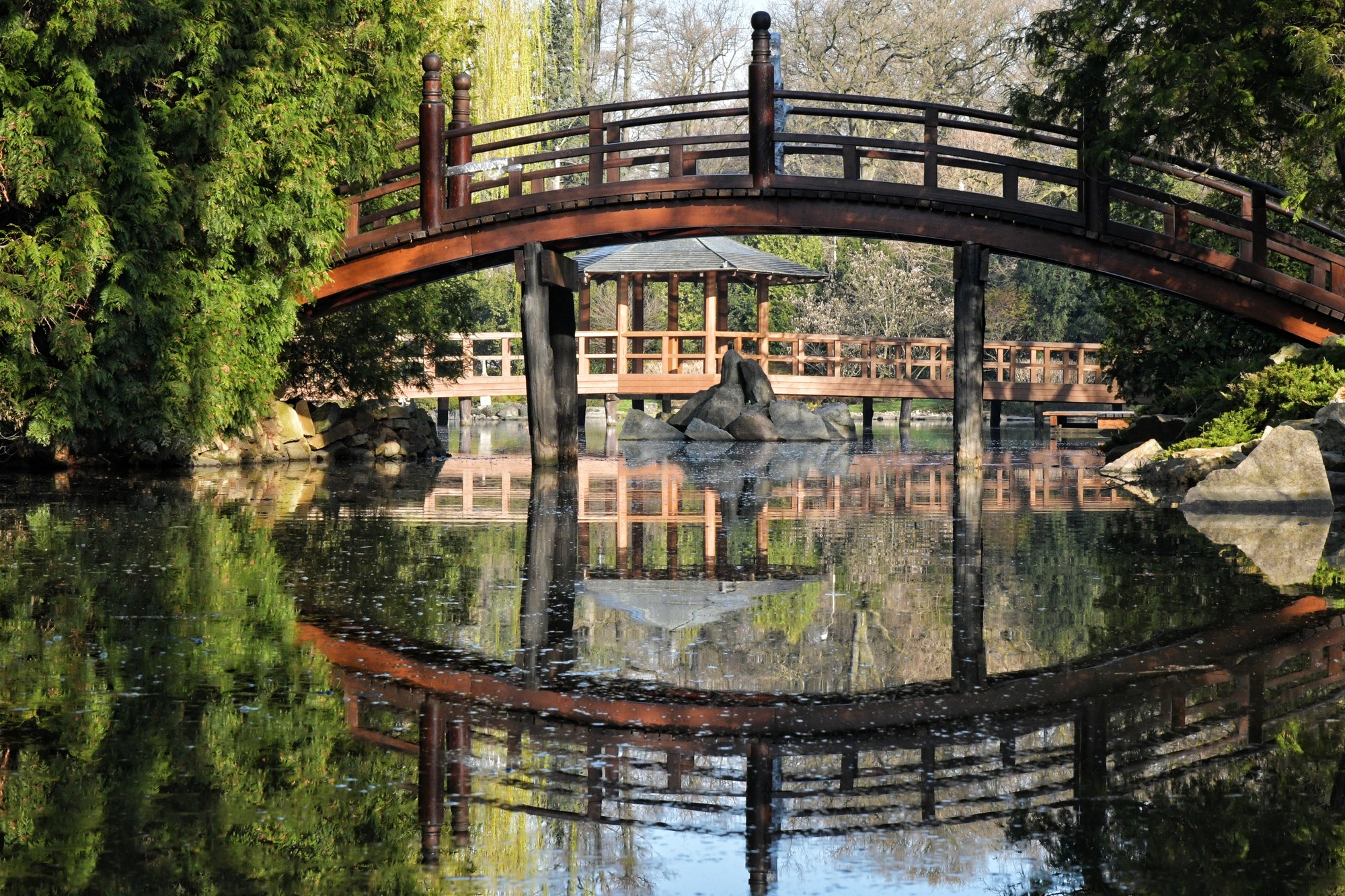
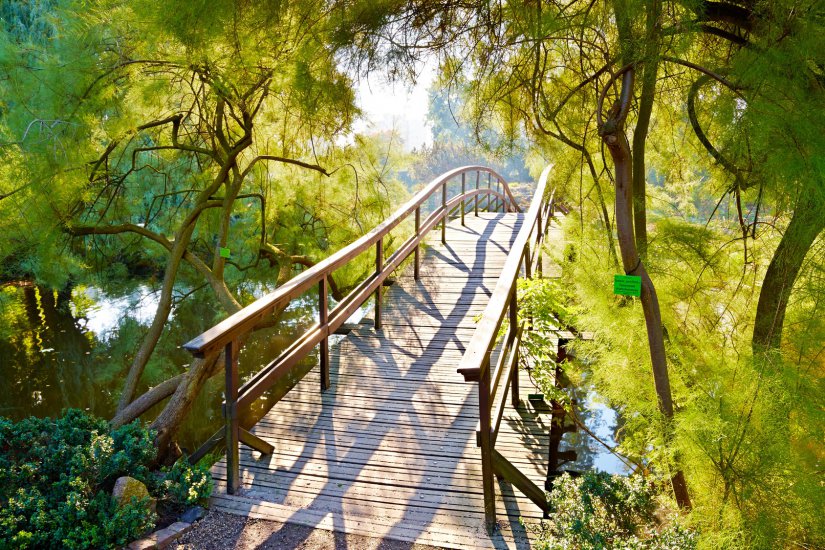
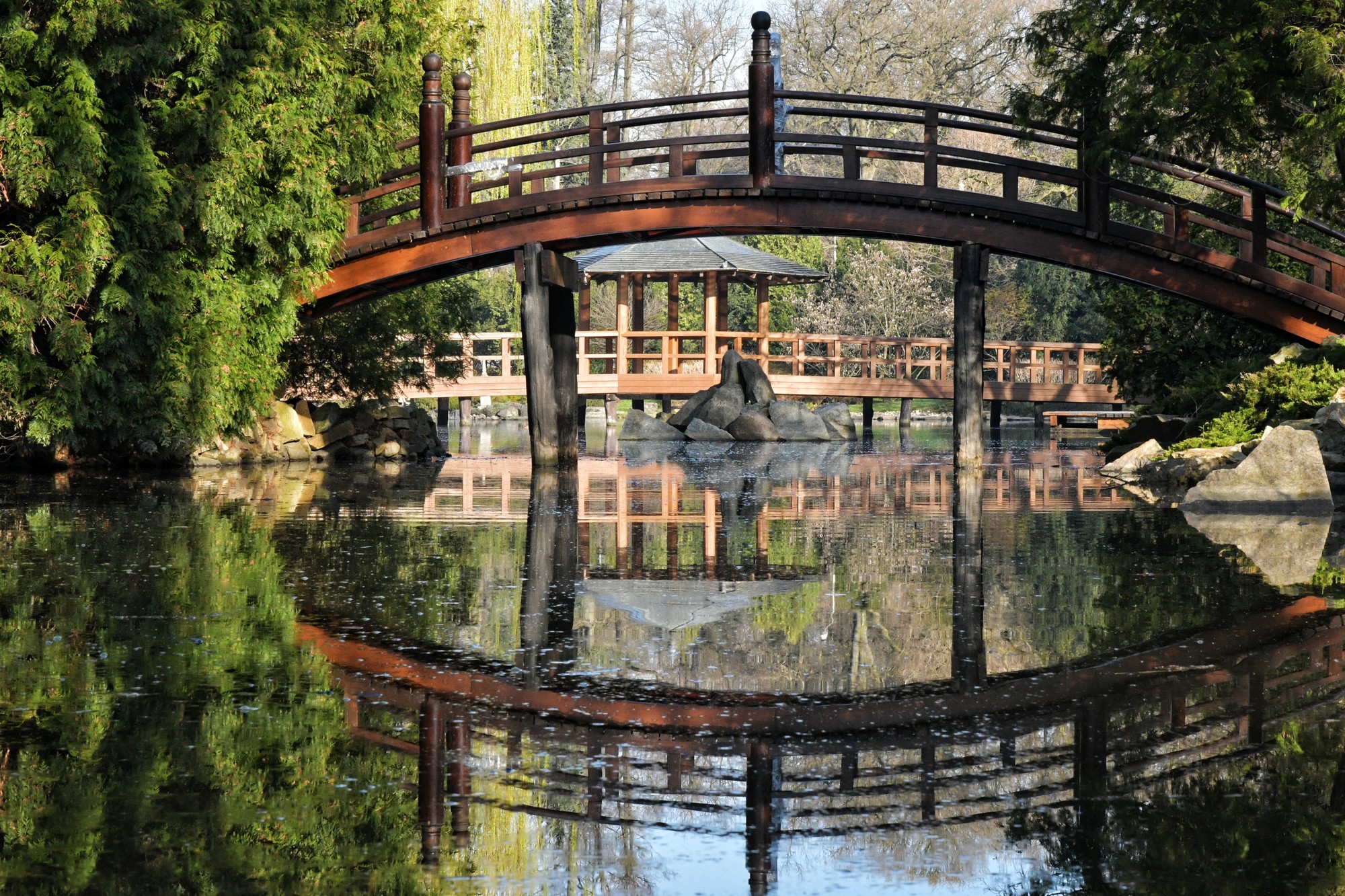
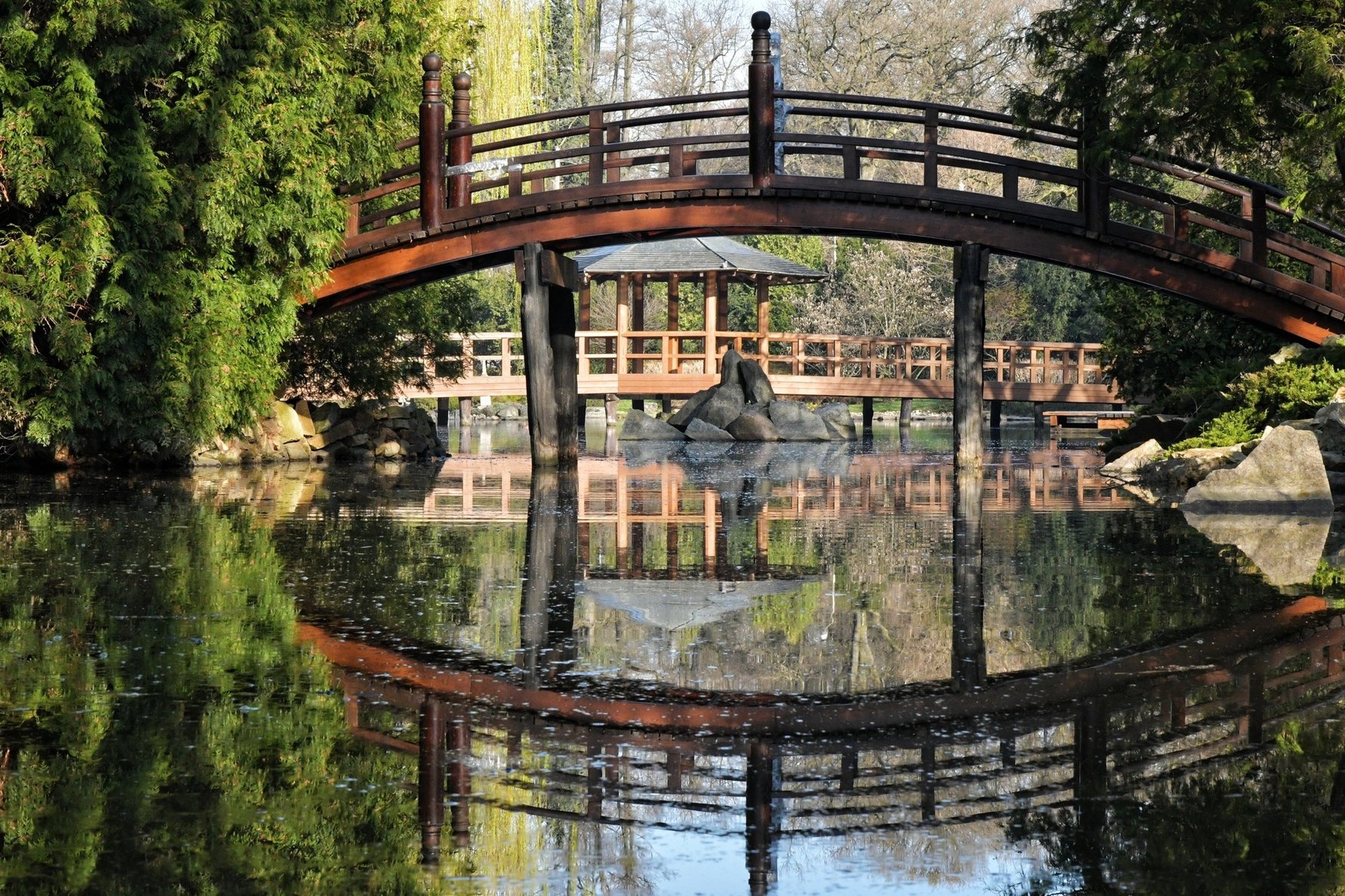
The peaceful grounds and bridges of the Japanese Garden in Wrocław.
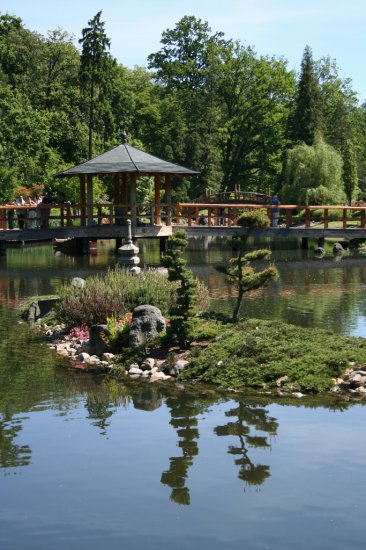
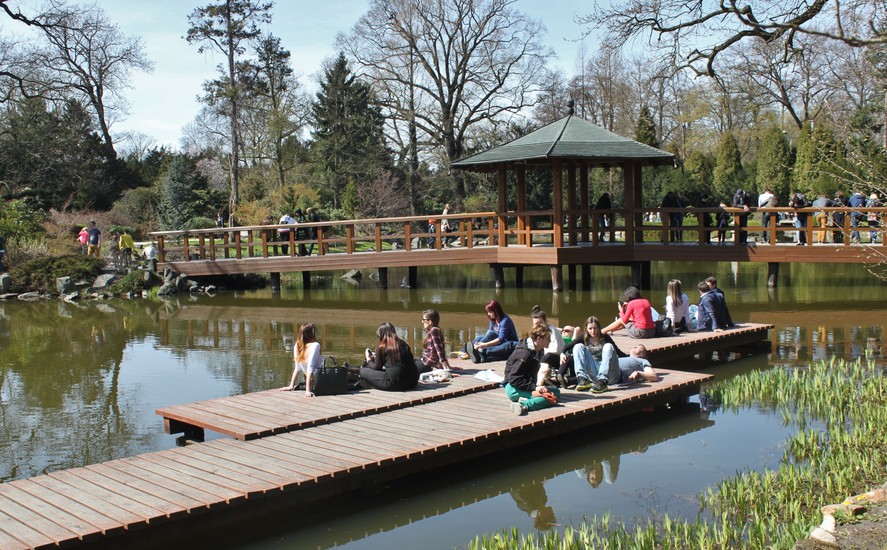
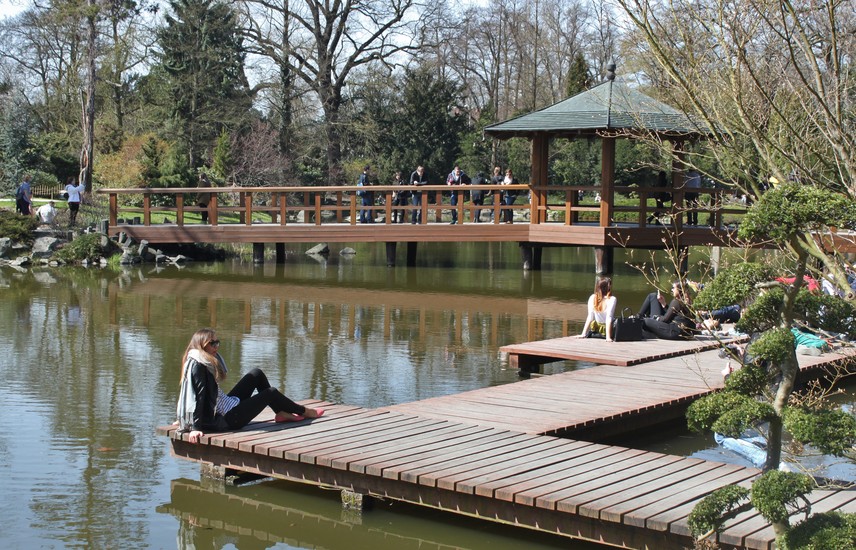
Designed as a contemplative strolling garden, it features winding paths leading past streams, symbolic male and female waterfalls, elegant bridges, and peaceful pavilions such as Azumaya and Yumedo-no Bashi. Two cascades flowing into a central pond form the heart of the composition, whose shoreline subtly traces the Japanese character for “friendship.”
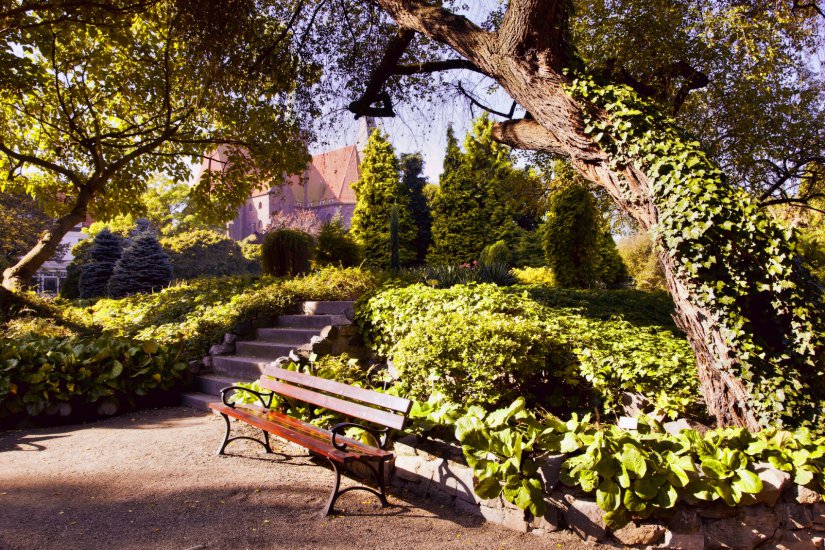
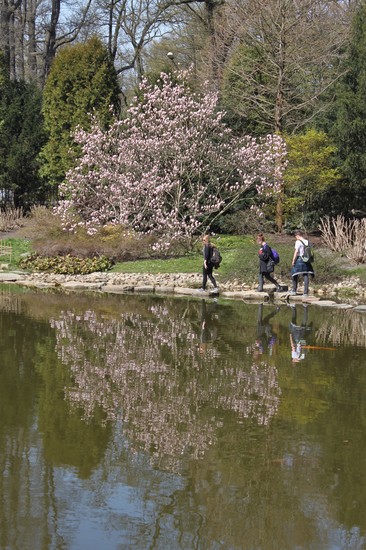
The garden contains around 200 species of trees and shrubs, including centuries-old oaks, ginkgo, Korean pine, and sculpted niwaki forms. Nearly forty varieties of rhododendrons and azaleas create spectacular colour in late spring, making this small yet exquisitely arranged landscape a serene escape from the city.


.jpg)


Comments