

Open around the clock and rooted in both tradition and innovation, the restaurants of Pianka have become one of Warsaw’s most distinctive destinations for experiencing modern Polish cuisine paired with the capital’s largest selection of domestic wines.
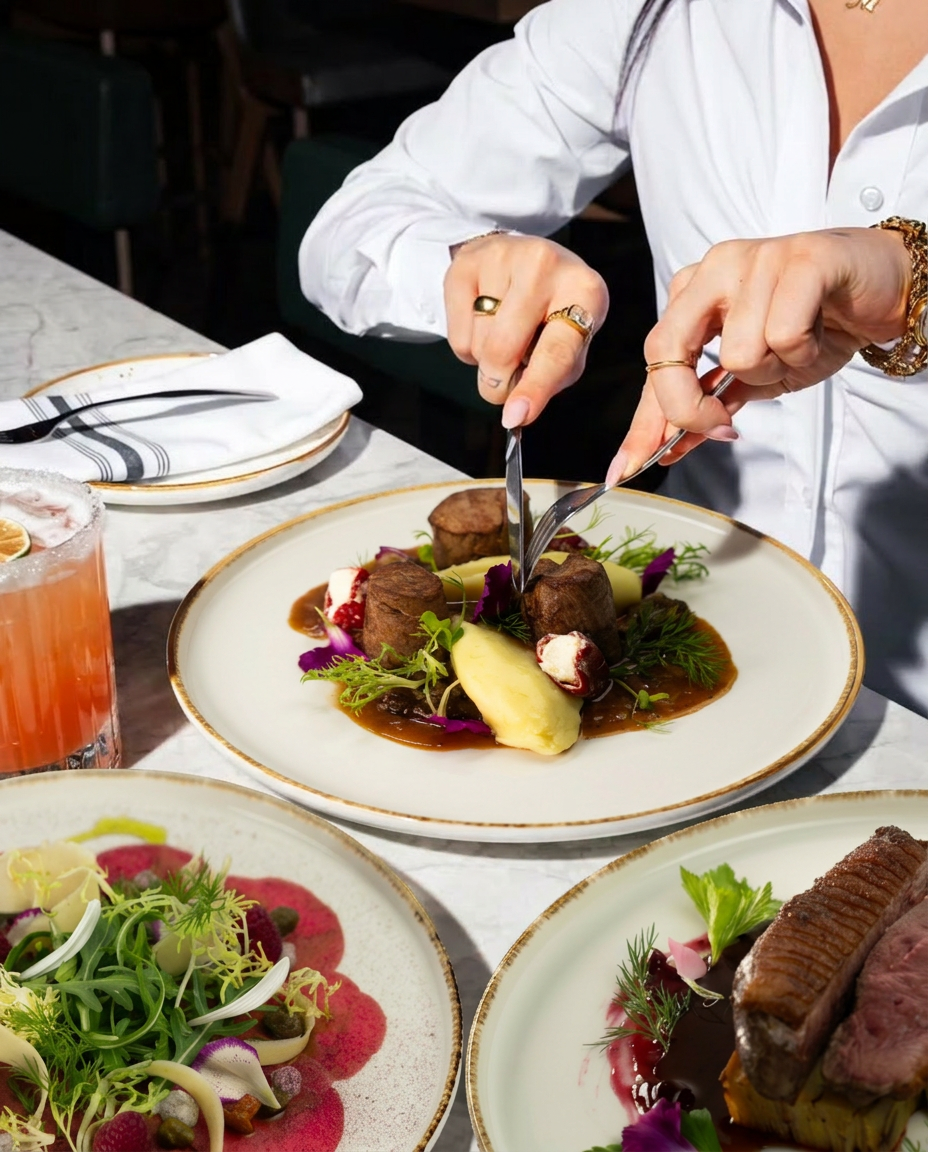
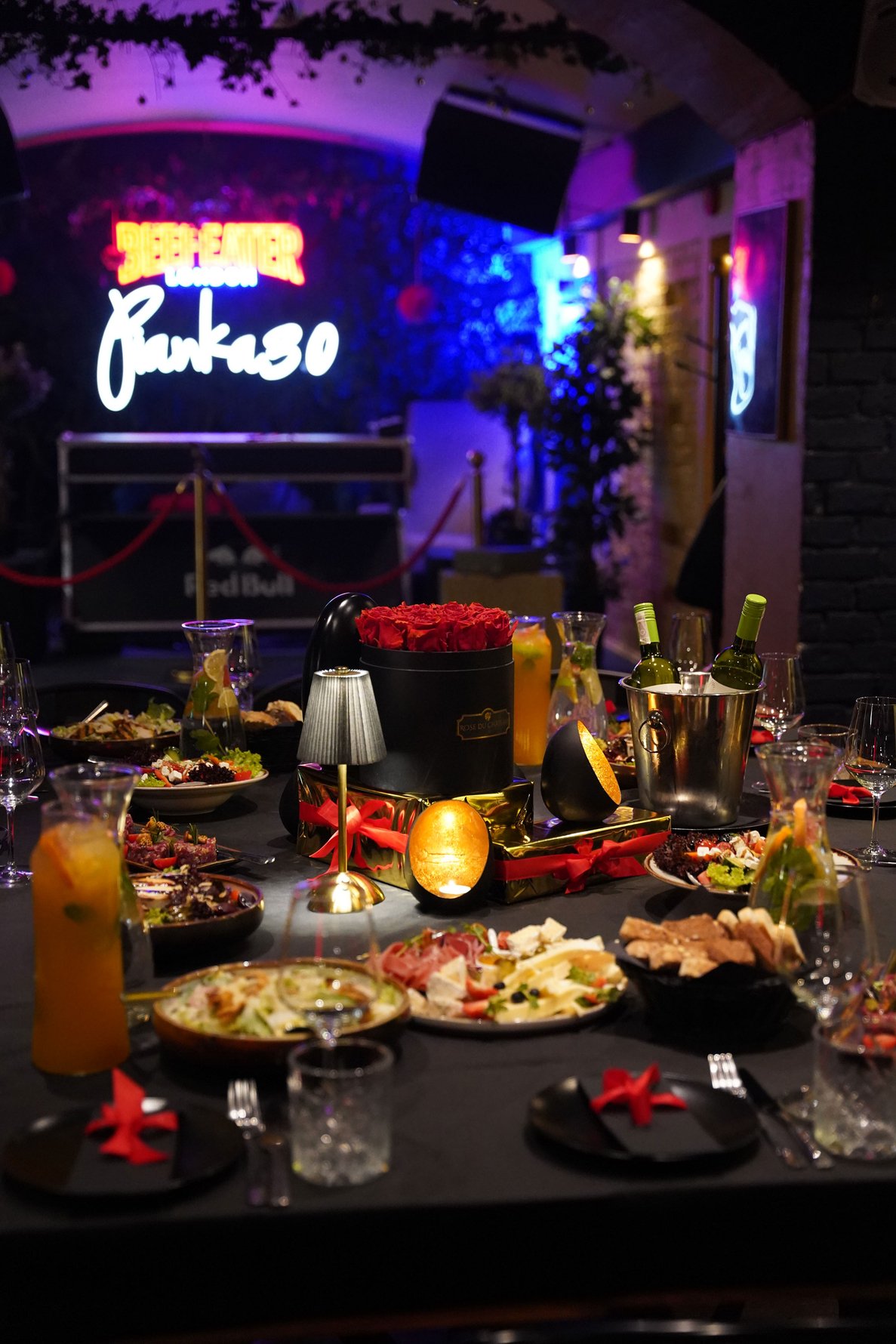
Rather than treating tradition as something to preserve behind glass, Pianka treats it as something alive—something to be shared, adapted and enjoyed.
What makes Pianka’s interpretation of modern Polish cuisine especially compelling is its sense of openness. While some contemporary reinterpretations of traditional cooking can feel formal or distant from everyday experience, here the emphasis remains on familiarity and generosity. Guests encounter flavours they recognise immediately, presented with greater clarity and balance but never stripped of their emotional character. This approach reflects a broader shift visible across Warsaw’s restaurant scene, where chefs increasingly treat tradition not as something fixed, but as something that evolves alongside the city itself.
Reinventing Tradition Without Losing Its Soul
Modern Polish cuisine is often misunderstood as a radical departure from the past. In reality, its strength lies in continuity. Across Warsaw, chefs are returning to fermentation, pickling, smoking and slow cooking techniques that have shaped Polish kitchens for generations. The difference today is precision. Ingredients are sourced more carefully, presentation is lighter, and seasonal rhythm plays a central role.At Pianka, this philosophy becomes visible across the menu. Pierogi arrive with refined fillings such as duck or smoked trout, maintaining their emotional familiarity while gaining subtle elegance. House-made żur—Poland’s iconic fermented rye soup—retains its comforting depth but is prepared on carefully tended sourdough starters that give it complexity and balance. Baltic fish, freshwater catfish and heritage pork appear not as heavy staples, but as ingredients treated with restraint and respect.
A Menu Shaped by Landscape
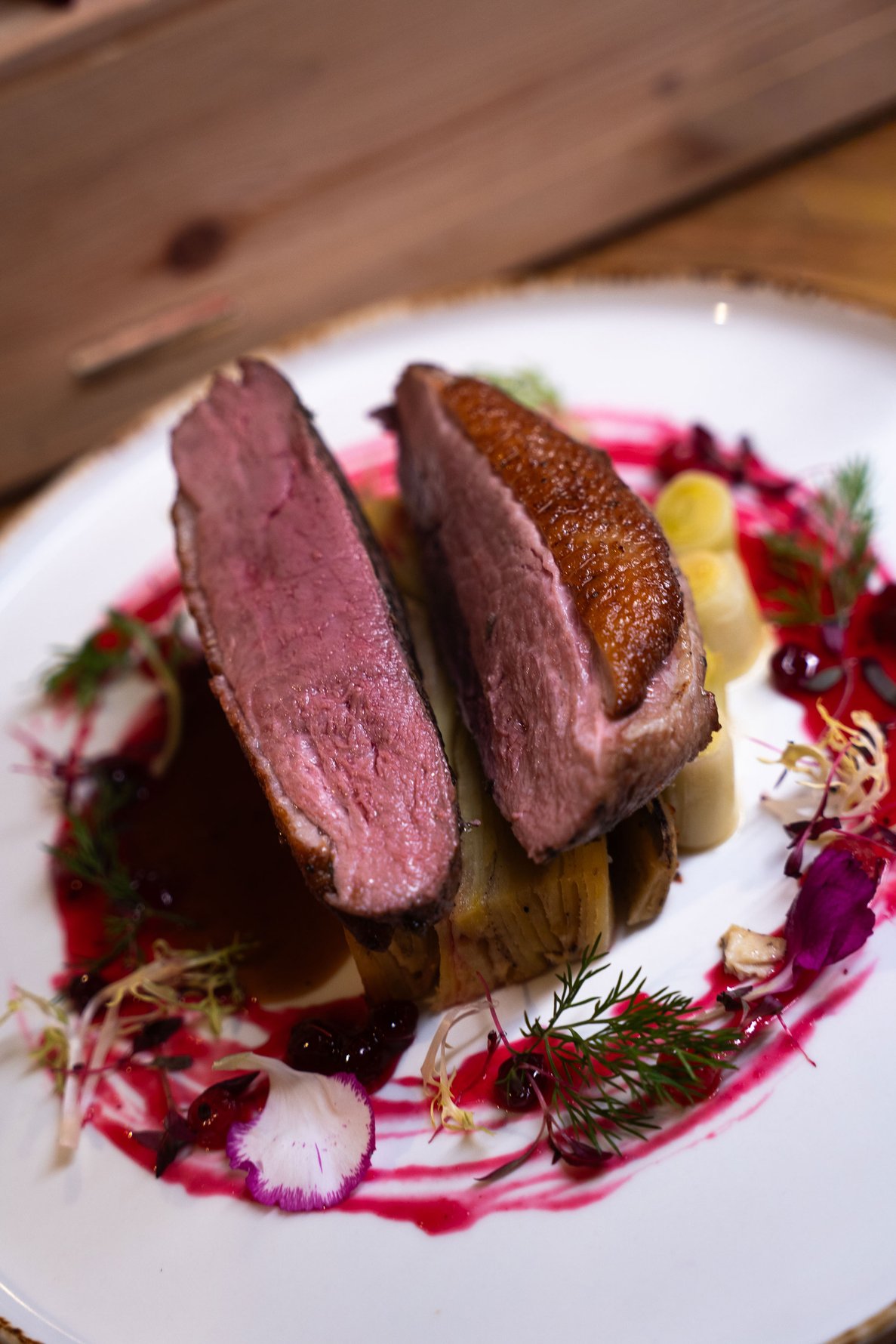
Chef Maciej Borysiak’s culinary approach at Pianka reflects a strong belief that food begins long before it reaches the kitchen. His menus draw inspiration from Poland’s forests, rivers and coastline, building a narrative that mirrors the country’s geography.Baltic herring remains one of the clearest expressions of northern culinary identity, presented here with careful balance and clarity. Mackerel tartare offers a lighter, more contemporary interpretation of coastal flavours. Pierogi filled with smoked trout echo freshwater traditions, while roasted catfish introduces rustic inspiration with modern finesse.
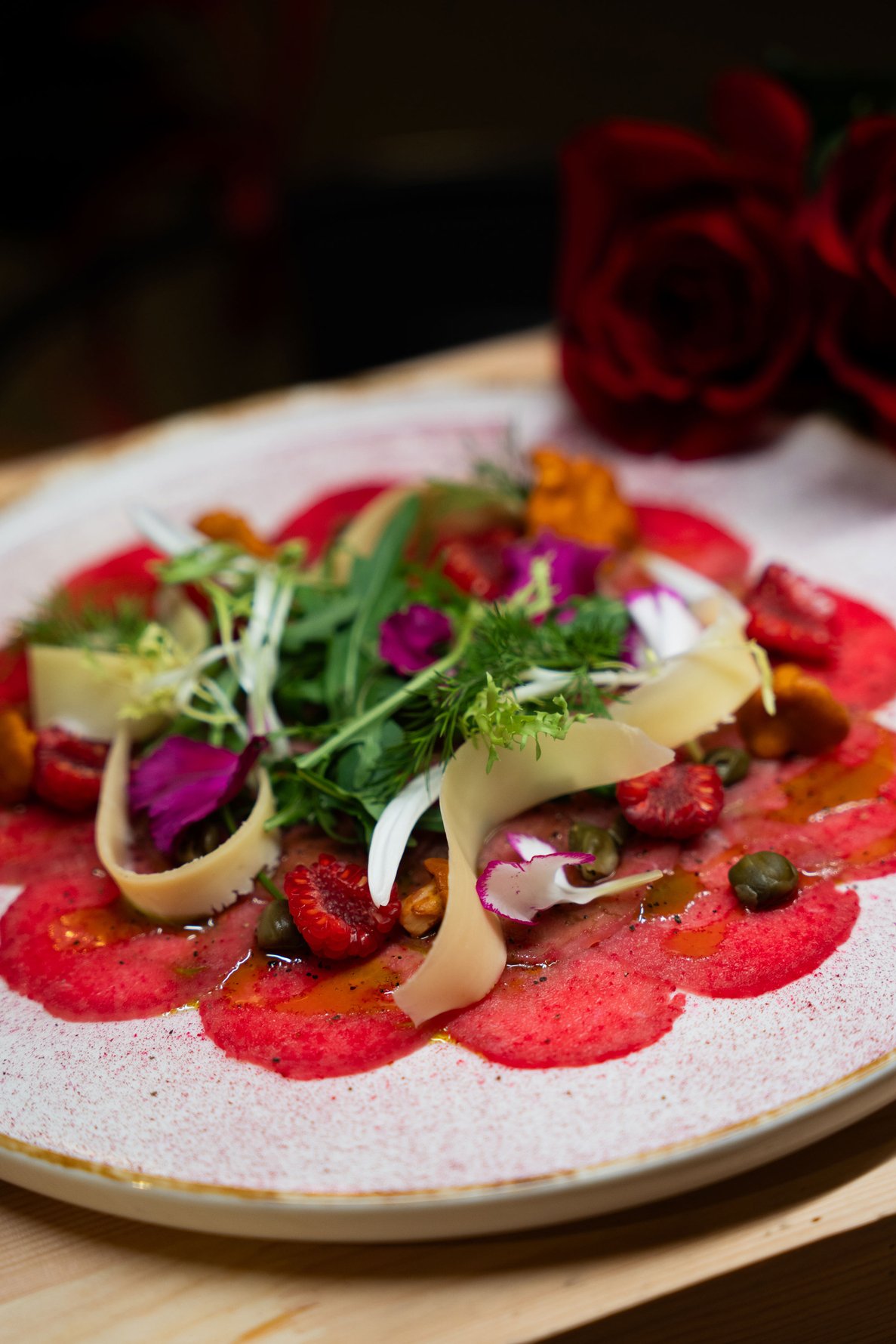
Together, these plates form a quiet culinary map of Poland—one that invites guests to explore the country through taste rather than geography.
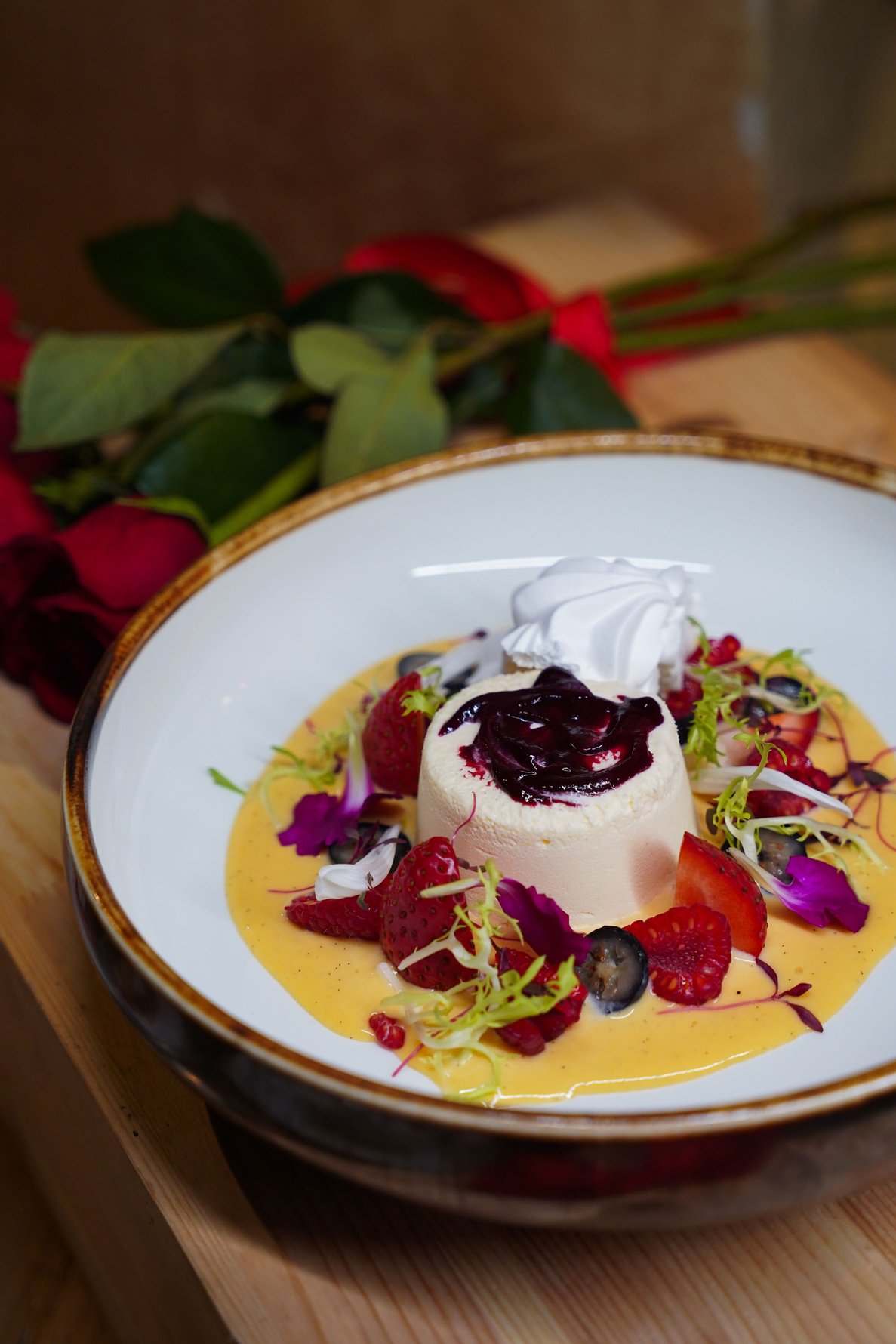
Farm-to-Table Thinking in the Heart of the Capital
A defining feature of Warsaw’s modern restaurant culture is the growing emphasis on regional sourcing. Increasingly, chefs are building direct relationships with farmers, fisheries and artisanal producers. This movement is not simply about sustainability. It is about identity.Pianka embraces this approach wholeheartedly. Ingredients arrive from trusted partners across the country, including regional producers from Mazury, pickle specialists from Hajnówka and organic egg farms in Lipnica. Baltic fish, heritage pork breeds and seasonal vegetables from the surrounding region of Masovia anchor the menu in local terroir.
Such sourcing practices change how guests experience Polish cuisine. Instead of appearing heavy or anonymous, dishes become precise and connected to place. They reflect soil, climate and craft. In this sense, Pianka participates in a broader culinary shift that is redefining how Polish food is understood both locally and internationally.

The Largest Selection of Polish Wine in Warsaw
Parallel to the renaissance of contemporary Polish cooking is another remarkable transformation: the revival of Polish winemaking. For decades, domestic wine remained largely absent from restaurant lists. Today, it has become one of the most exciting developments in Central European gastronomy.Pianka 3.0 on Koszykowa Street stands at the forefront of this movement, offering the largest selection of Polish wines in Warsaw. The restaurant’s cellar reads like a geographical journey through the country’s emerging wine regions—from the limestone slopes of Małopolska to the expressive vineyards of Podkarpacie, the historic traditions of Lubuskie and the experimental energy of Lower Silesia and the Lublin region.
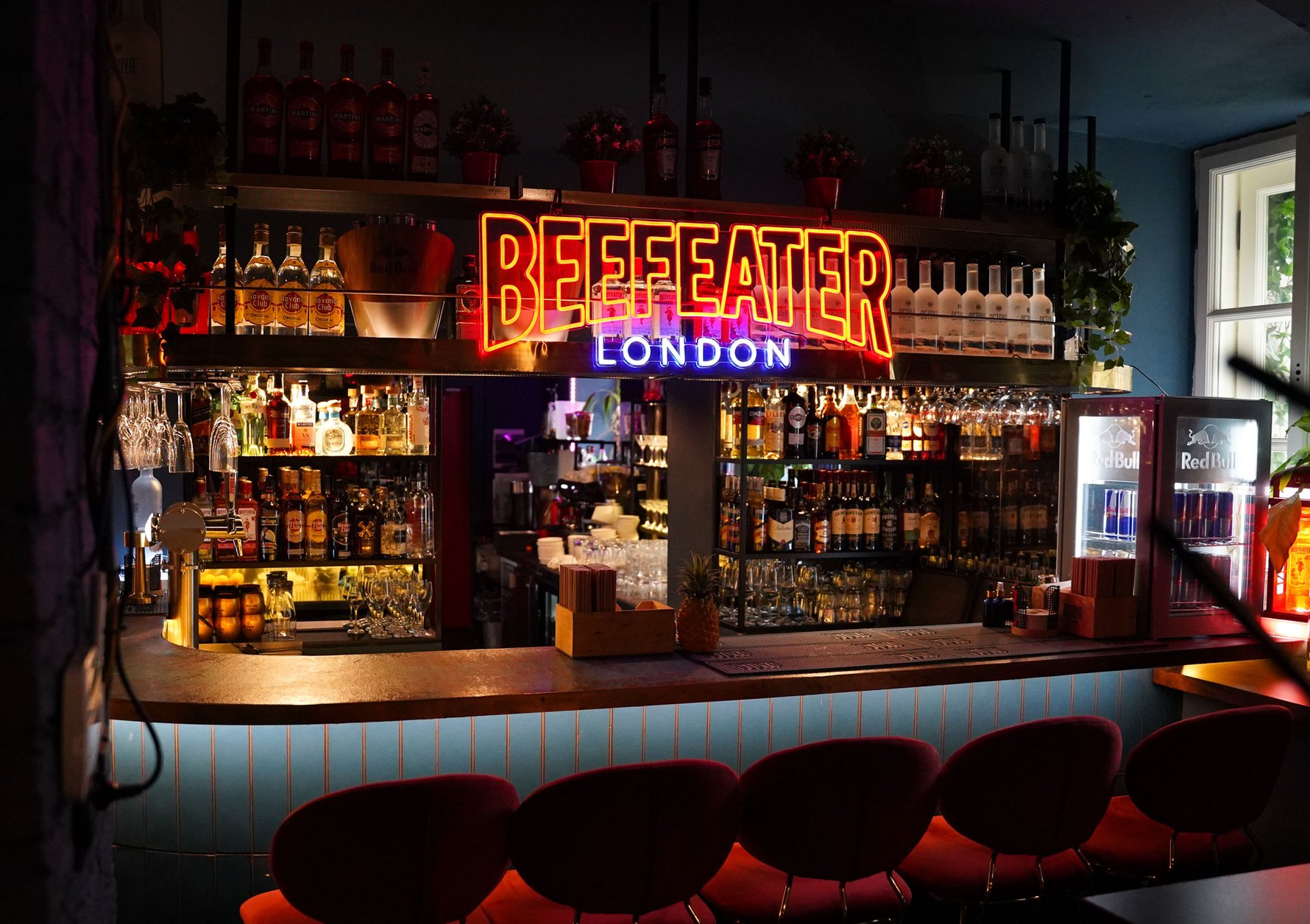
At Pianka, wine is not an accessory to the menu—it is an essential part of the experience. The service team is trained to recommend pairings that highlight the structure and character of each dish, reinforcing the connection between Polish terroir in the glass and Polish ingredients on the plate.
A Chef Rooted in Tradition and Experience
Behind Pianka’s evolving culinary identity stands Chef Maciej Borysiak, whose career reflects both international experience and deep respect for domestic tradition. His professional journey began at the legendary Warsaw restaurant U Fukiera, where he developed a strong foundation in classic Polish cooking before eventually becoming Head Chef.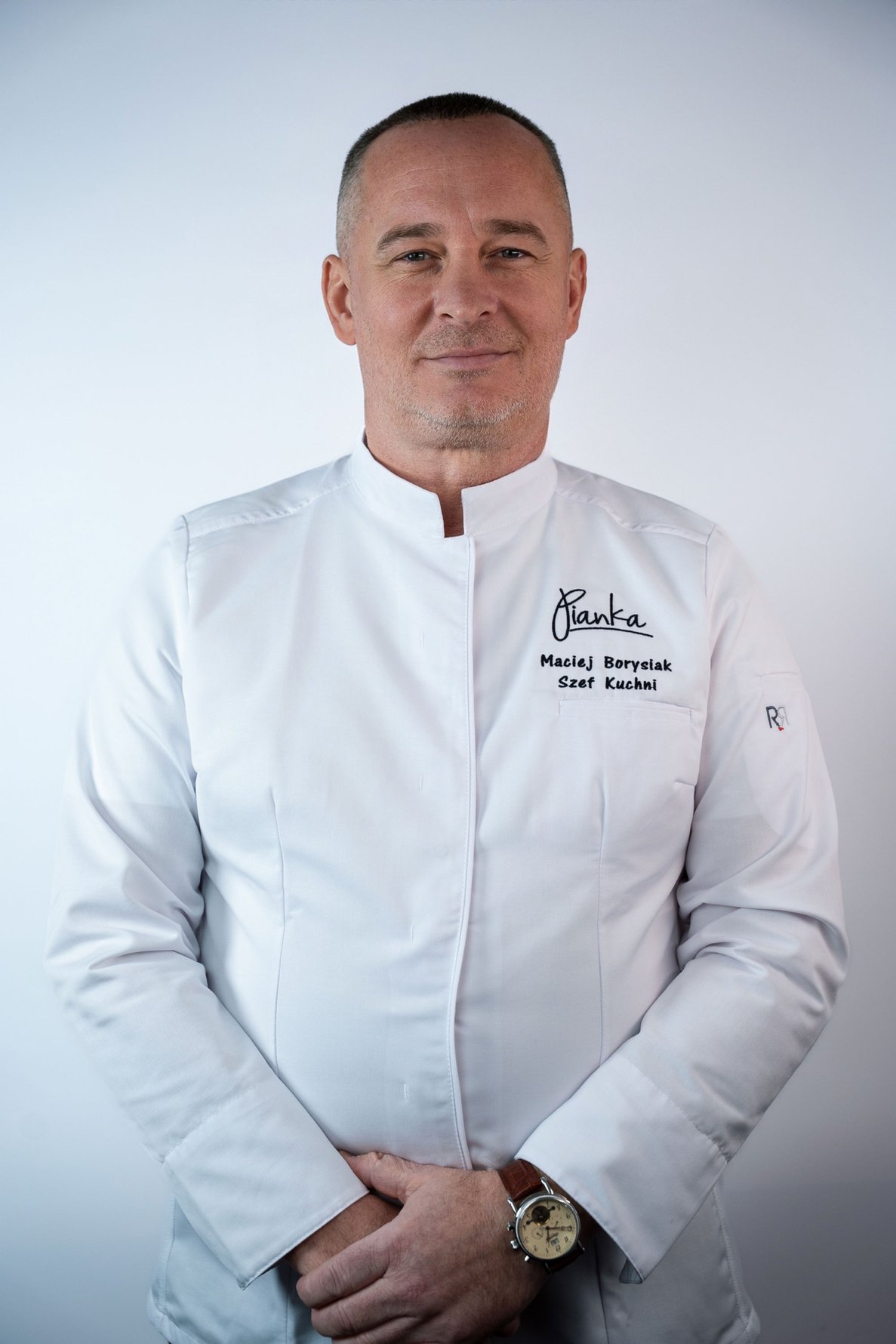
At Pianka, that philosophy translates into clarity, patience and respect for ingredients. Dishes are not designed to impress through spectacle. They are designed to communicate flavour honestly and directly. Simplicity becomes a strength rather than a limitation.
Beyond Tradition | Burgers, Pizza and Culinary Dialogue
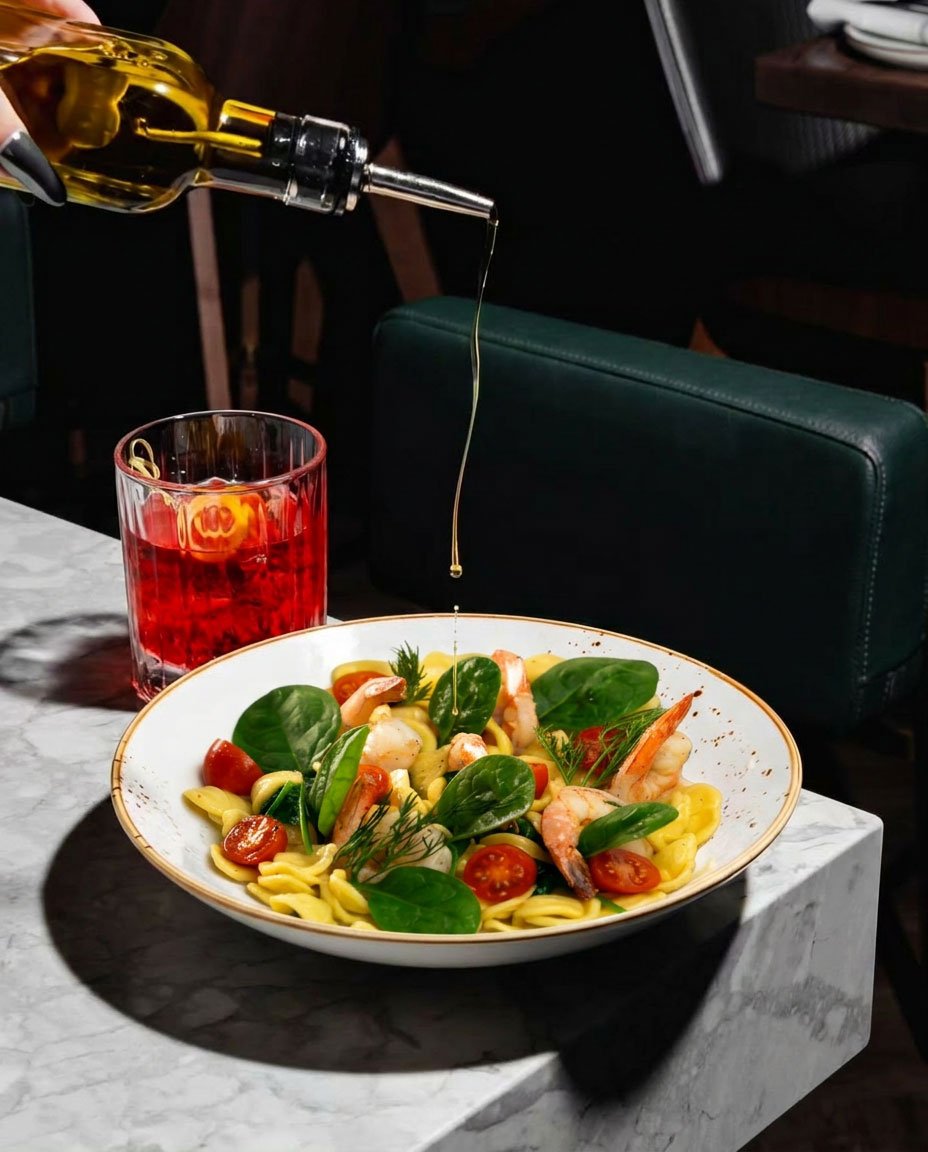
While modern Polish cuisine forms the core of Pianka’s identity today, the restaurant’s story also includes another important influence. From the beginning, Pianka has been known for its handcrafted burgers and carefully prepared pizzas—elements that remain part of its culinary DNA.Rather than replacing these dishes, the current menu places them in dialogue with Polish tradition. Burgers are prepared from high-quality beef and served on house-baked buns, combining comfort with craftsmanship. Pizza dough ferments for 48 hours using Italian flour, resulting in a structure that is light yet flavourful.
This coexistence of American classics and contemporary Polish cuisine reflects a broader reality of Warsaw itself—a city where global influences meet strong local identity. At Pianka, guests can move easily between both worlds without feeling that one replaces the other.
A Restaurant That Never Sleeps
One of Pianka’s most distinctive features is its accessibility. Both locations operate 24 hours a day, making them rare fixtures on Warsaw’s culinary map.Whether guests are looking for breakfast at dawn, a relaxed lunch in the middle of the day, a late evening dinner or a warm meal after a night out, the kitchen remains open. For travellers arriving late, shift workers finishing their day or residents seeking comfort food outside conventional hours, this continuous availability transforms Pianka into more than just a restaurant—it becomes a reliable meeting point within the city.
Summer in the City | Terraces and Live Music
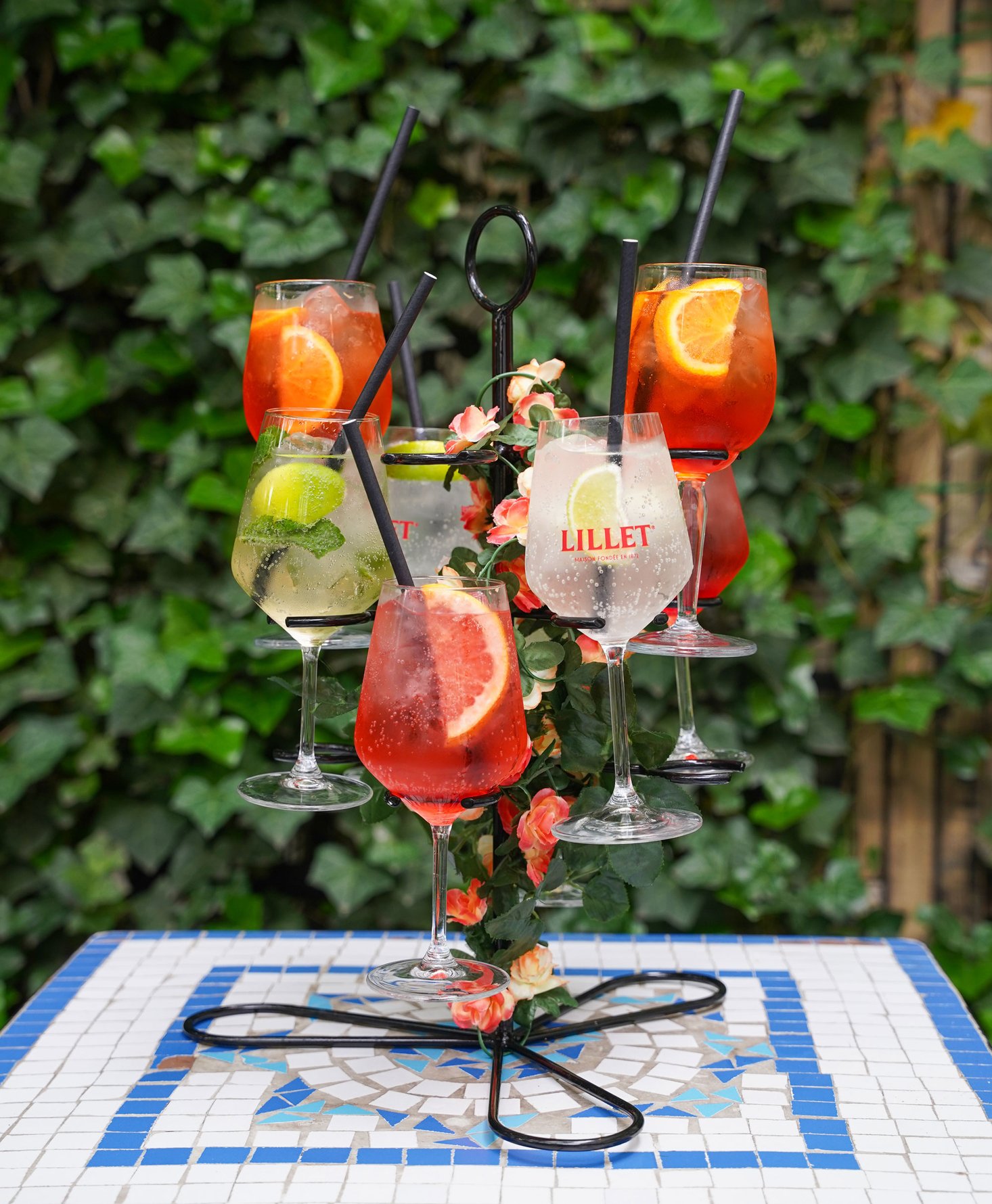
During the warmer months, Pianka’s atmosphere extends beyond its interiors. Outdoor seating transforms both locations into lively summer destinations where guests can enjoy long evenings over wine and seasonal dishes.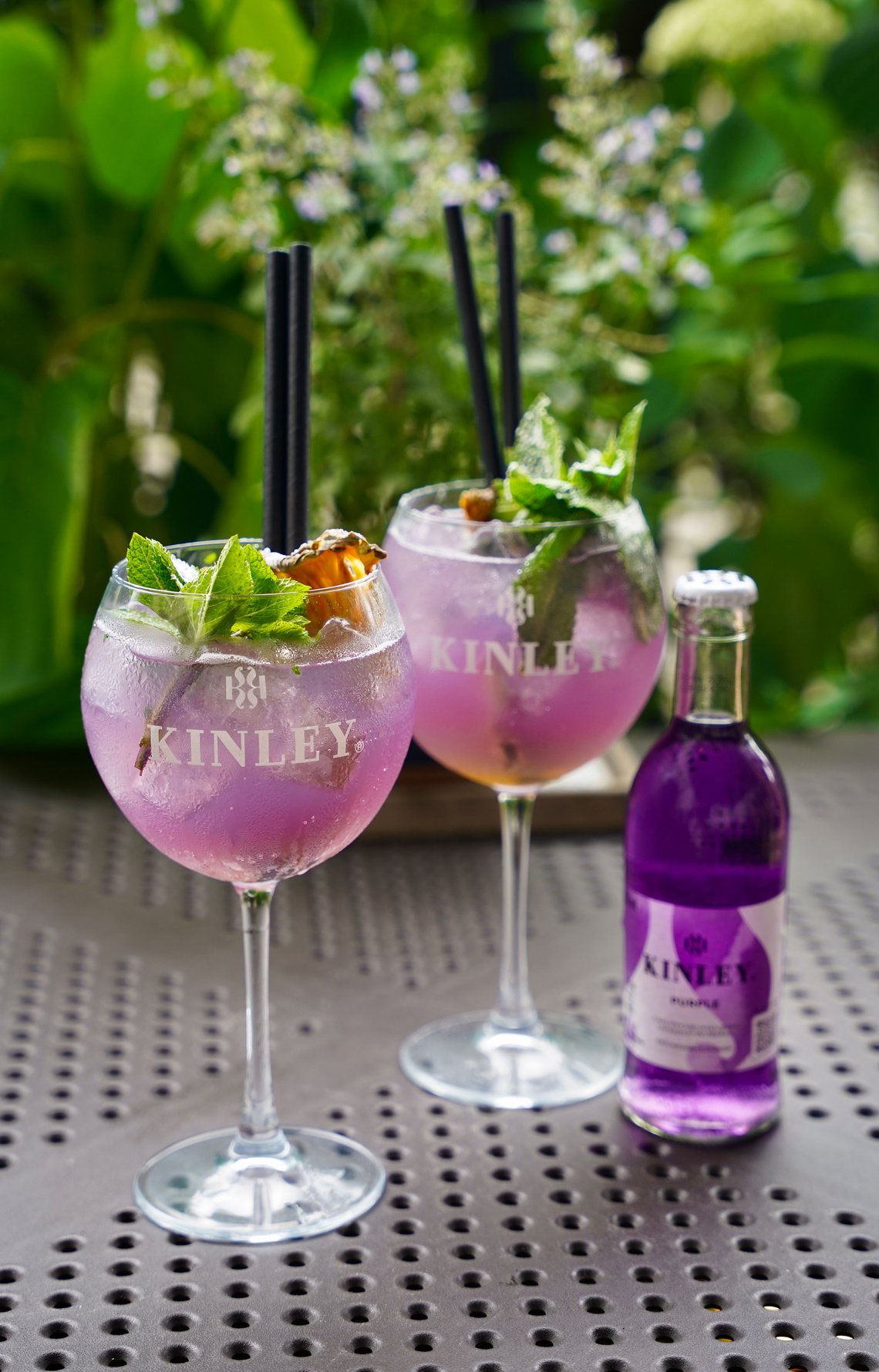
The restaurants are also pet-friendly, making them easy stops for guests exploring Warsaw with their dogs. Combined with convenient card payment options and round-the-clock opening hours, these practical details contribute to Pianka’s reputation as an accessible and inclusive place to dine.
A Taste of Poland’s Culinary Future
The transformation of Warsaw’s food scene is still unfolding, shaped by chefs who respect tradition while embracing new possibilities. Modern Polish cuisine today represents more than a stylistic trend. It reflects a broader cultural confidence—an understanding that local ingredients, regional techniques and domestic wine can stand alongside Europe’s most established gastronomic traditions.Pianka participates actively in this evolution. By combining regional sourcing with contemporary presentation, by supporting Polish vineyards and by presenting classic dishes with renewed clarity, the restaurant demonstrates how heritage can remain relevant in a modern urban setting.
In a city where culinary identity continues to grow more confident each year, Pianka offers a place to experience that transformation firsthand—whether over a carefully paired glass of Polish wine, a plate of smoked-trout pierogi, or a late-night meal long after most kitchens have closed.
Modern Polish cuisine in Warsaw is no longer emerging. It is already here—and at Pianka, it is served twenty-four hours a day!
Comments