Best Sights in Greater Poland

Time
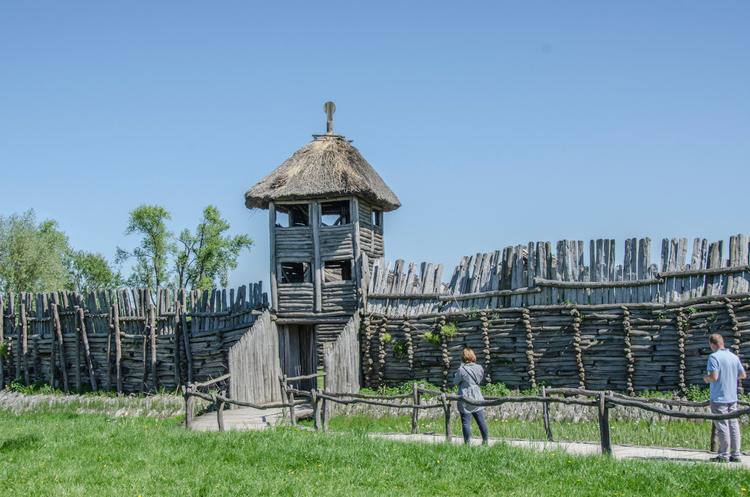
Known domestically as the 'cradle of the Polish state', it should come as no surprise that the region of Wielkopolska  (ENG: Greater Poland) is packed with historical attractions as well as the picturesque geography that is as beautiful as the nation's founders saw it a millennia ago. Browsing the list of things to see in Greater Poland will always be topped off by the may gorgeous historic city of Poznań , the regional capital, but it certainly doesn't stop there.  Gniezno , home to the first kings of Poland, is just 50km away and is unassuming in size, but certainly not in the content of local sightseeing! Further north, the open-air museums at  Ostrów Lednicki  and the nearby Wielkopolska Ethnographic Park  offer a glimpse into Poland as it was in centuries past.
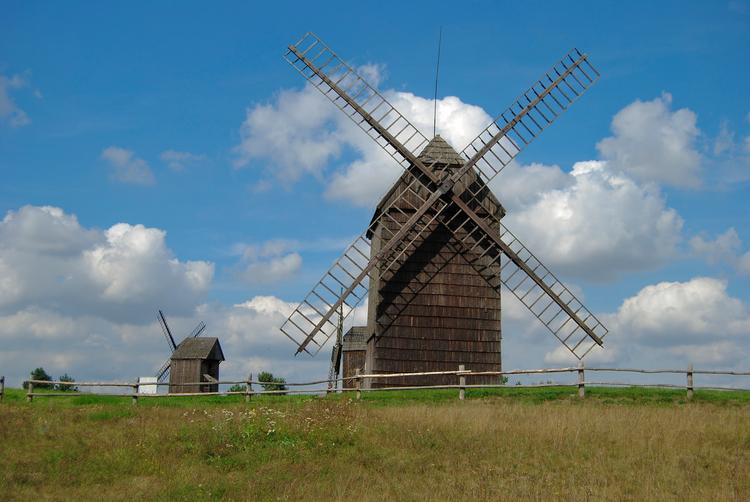
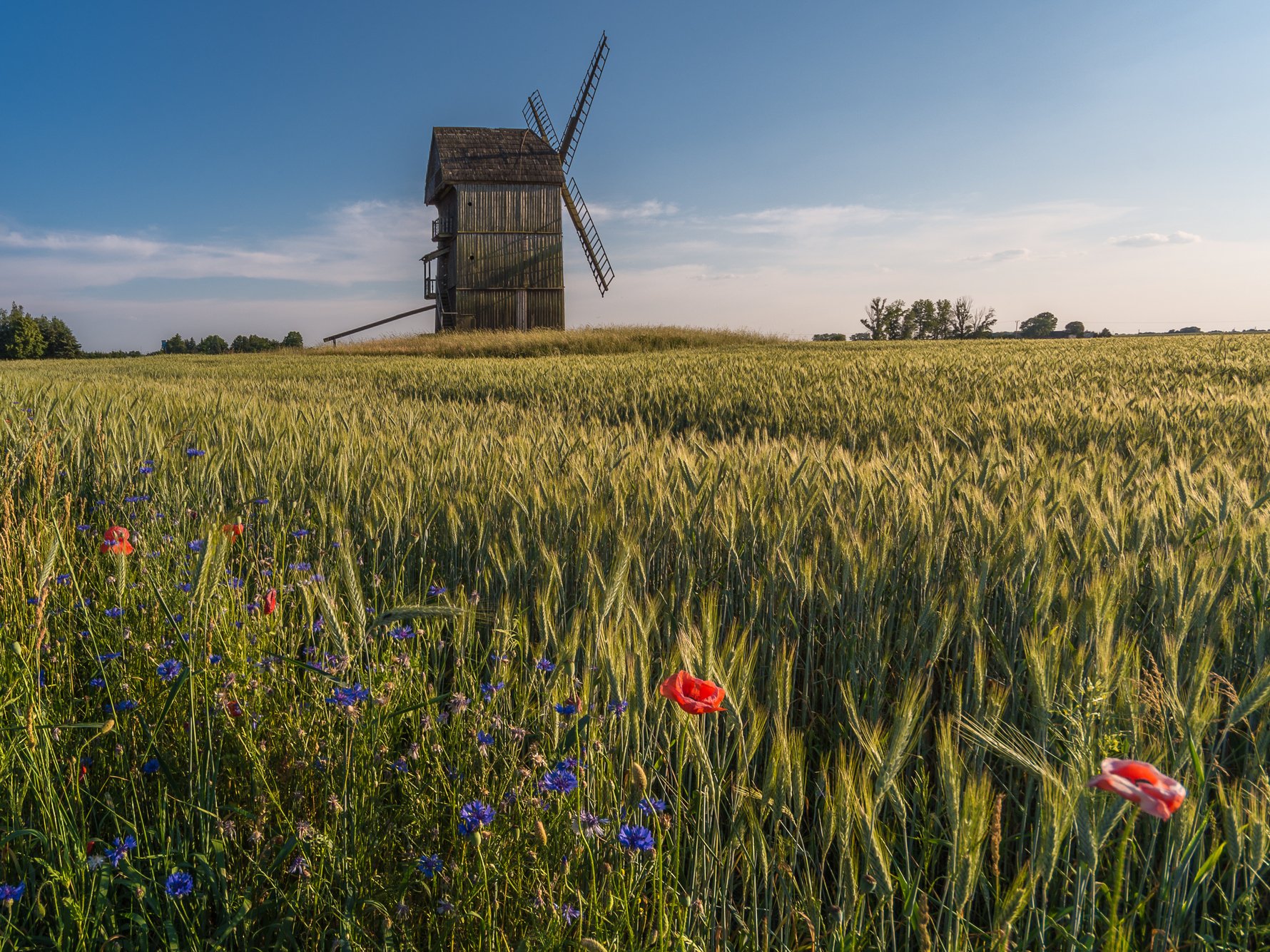
One of many ancient windmills that still stand in Greater Poland!
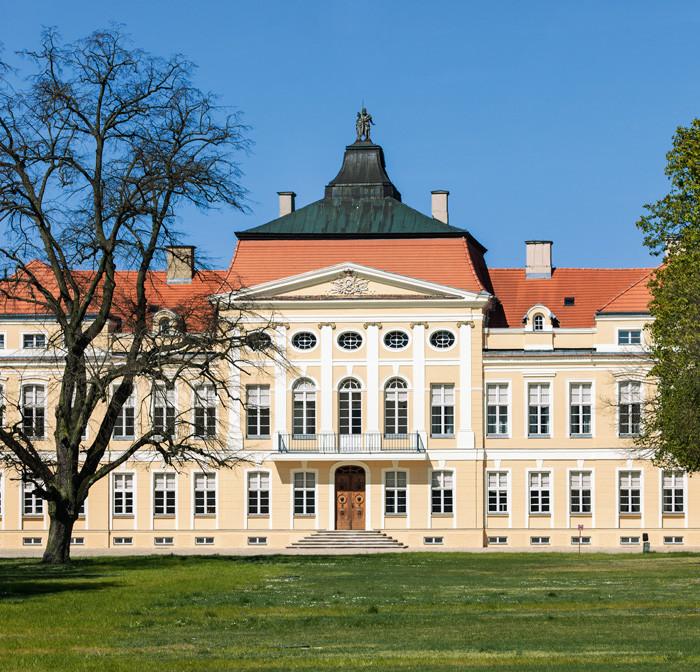
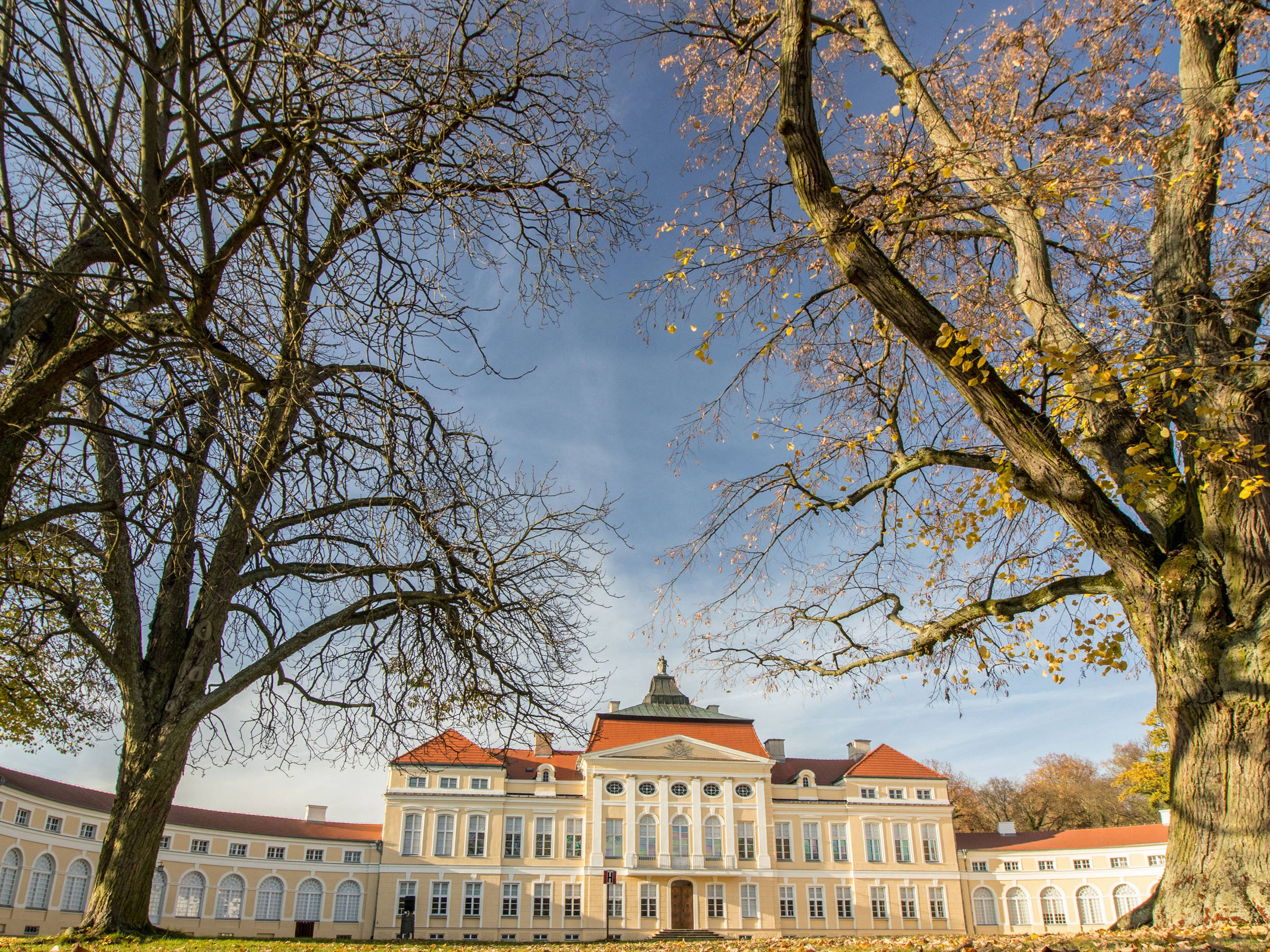
On the other end of the spectrum, Kłodawa Salt Mine has been operating since the 1950s and tours through the site offer visitors a uniquely subterranean experience! Speaking of 'unique', Greater Poland is the only place we know of that has a rock music museum in an old granary building ! Try topping that! Greater Poland has been the home of a number of prominent aristocratic families and Polish royalty, thus you can find a number of palaces, estates and castles in KórnikRogalin , Jarocin , Rydzyna  and  Gołuchów . Those looking to experience the natural wonders of the region need not look far:  Greater Poland National Park is unique collection of from post-glacial lakes, surrounded by dense pine forests - a truly spectacular location! Likewise, in west of the region, the Land of 100 Lakes is an attractive getaway for those looking for peace and quiet at a waterside location. Other historic cities in the region, like  Kalisz  and  Leszno , are all worth a moment of your time, especially if you're looking to escape the rat-race of bigger Polish cities! This is also an opportunity to sample regional Greater Poland cuisine and at better prices than in Poznań!


POZNAŃ

The majority of visitors who take a chance on the wonderfully-rich region of Greater Poland are most to likely end up in Poznań at some point! The voivodeship's capital city is crowded with churches, cobblestones and colourful burgher houses, Poznań's Old Town is a collage of architectural styles stuffed with soaring historical monuments, esoteric museums, art galleries and theatres, and more than its fair share of restaurants, bars and cafes. A major cultural and economic centre, Poznań has earned an international reputation as a city of trade fairs, its success stemming partly from its convenient location as a mid-way point on the road from Paris to Moscow (If you plan to arrive during a trade fair, we can't over-emphasise the importance of securing a sound place to sleep in advance). However, Poznań it's not all about business. Over 130,000 people, some 20% of the population, purport to study here at some institute or another, lending a defiantly young and vibrant atmosphere to the streets. It seems overly obvious, but it's not a bad place to start exploring Greater Poland! For more on the region's capital, visit our city page for Poznań!
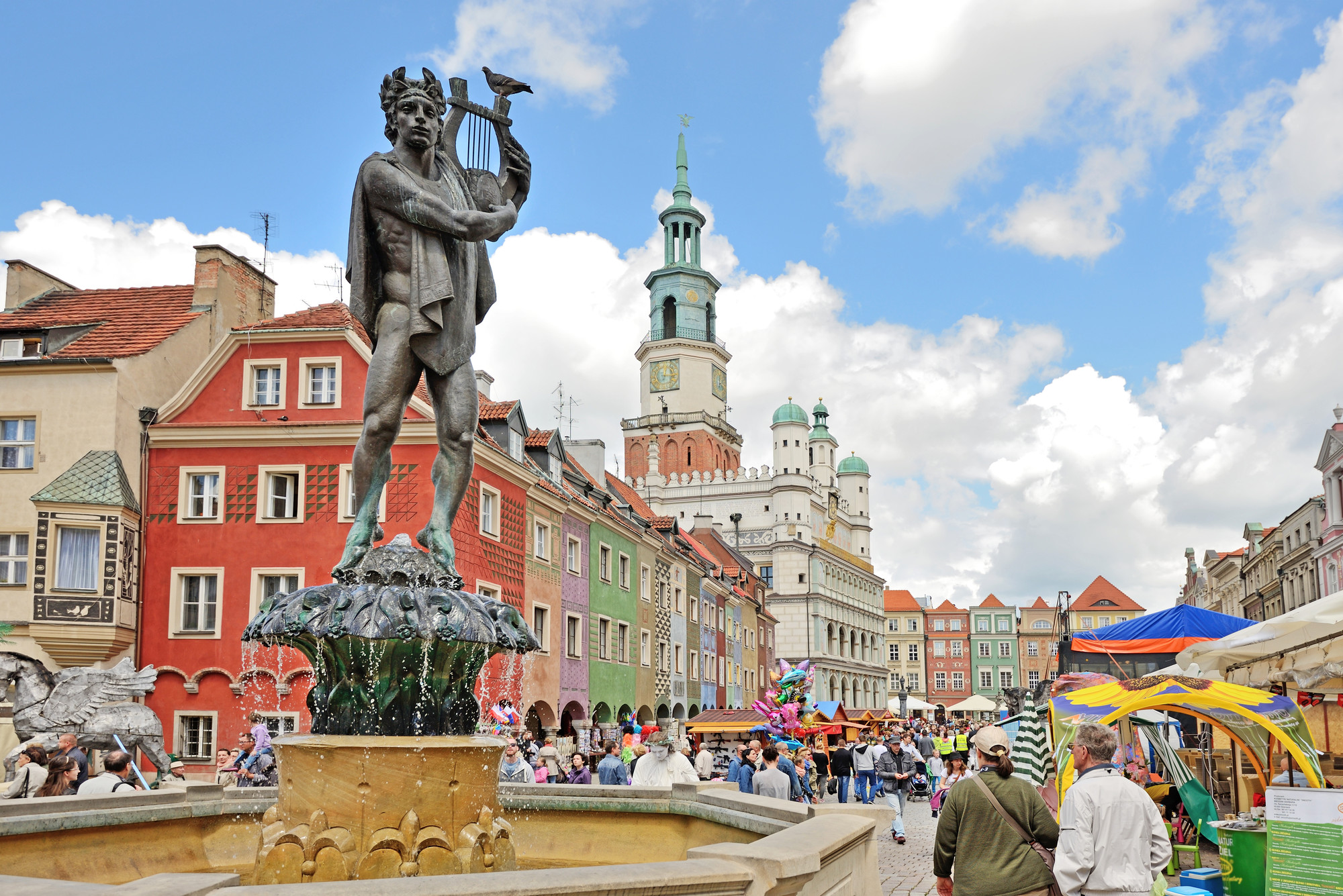
Poznan Market Square, Greater Poland (Wielkopolska) Photo by Tomasz Warszewski/AdobeStock
The Old Town Square of Poznań, the capital of the Greater Poland voivodeship. Photo by Tomasz Warszewski/AdobeStock


GNIEZNO - POLAND'S FIRST LEGENDARY CAPITAL!

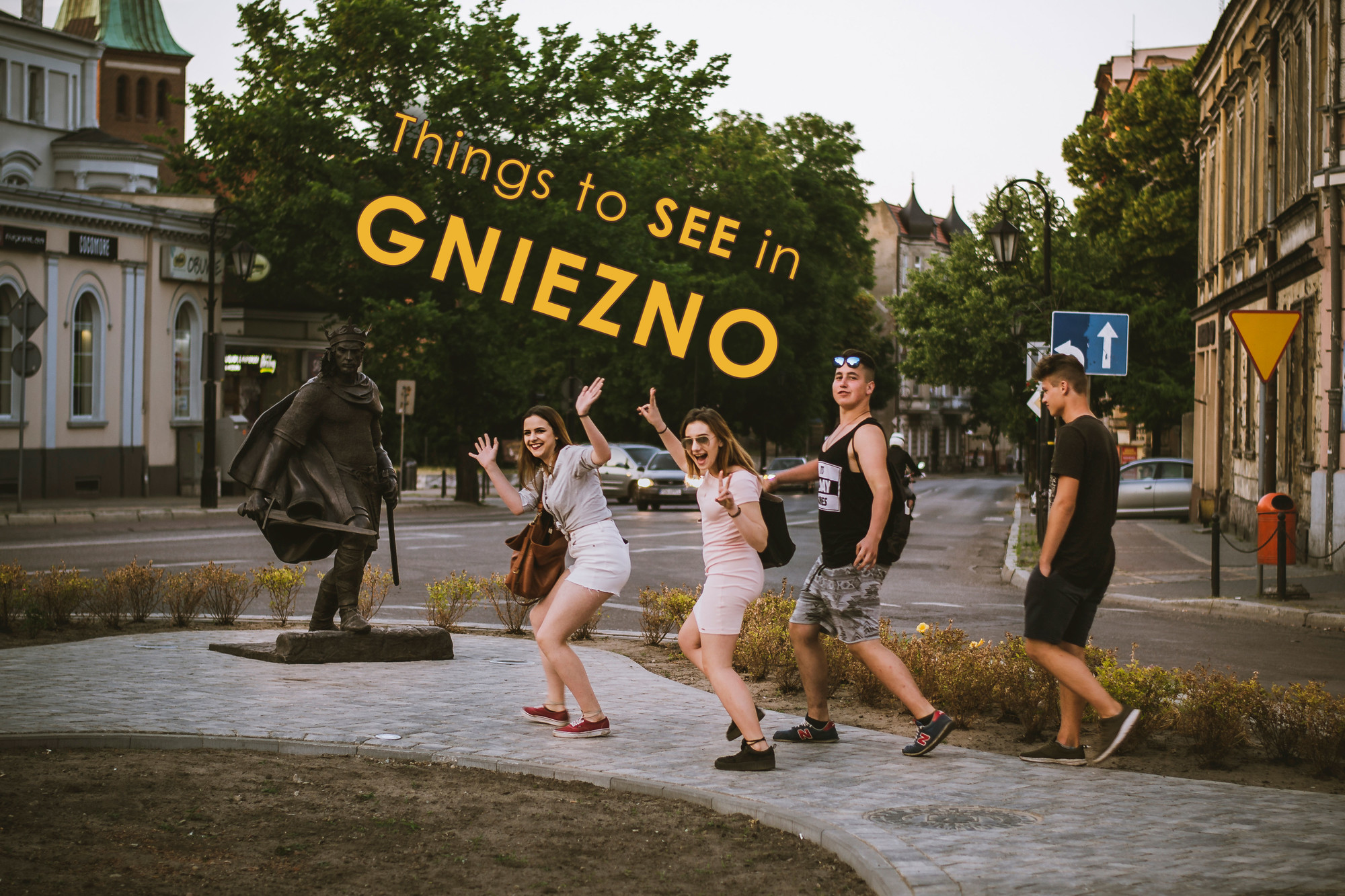
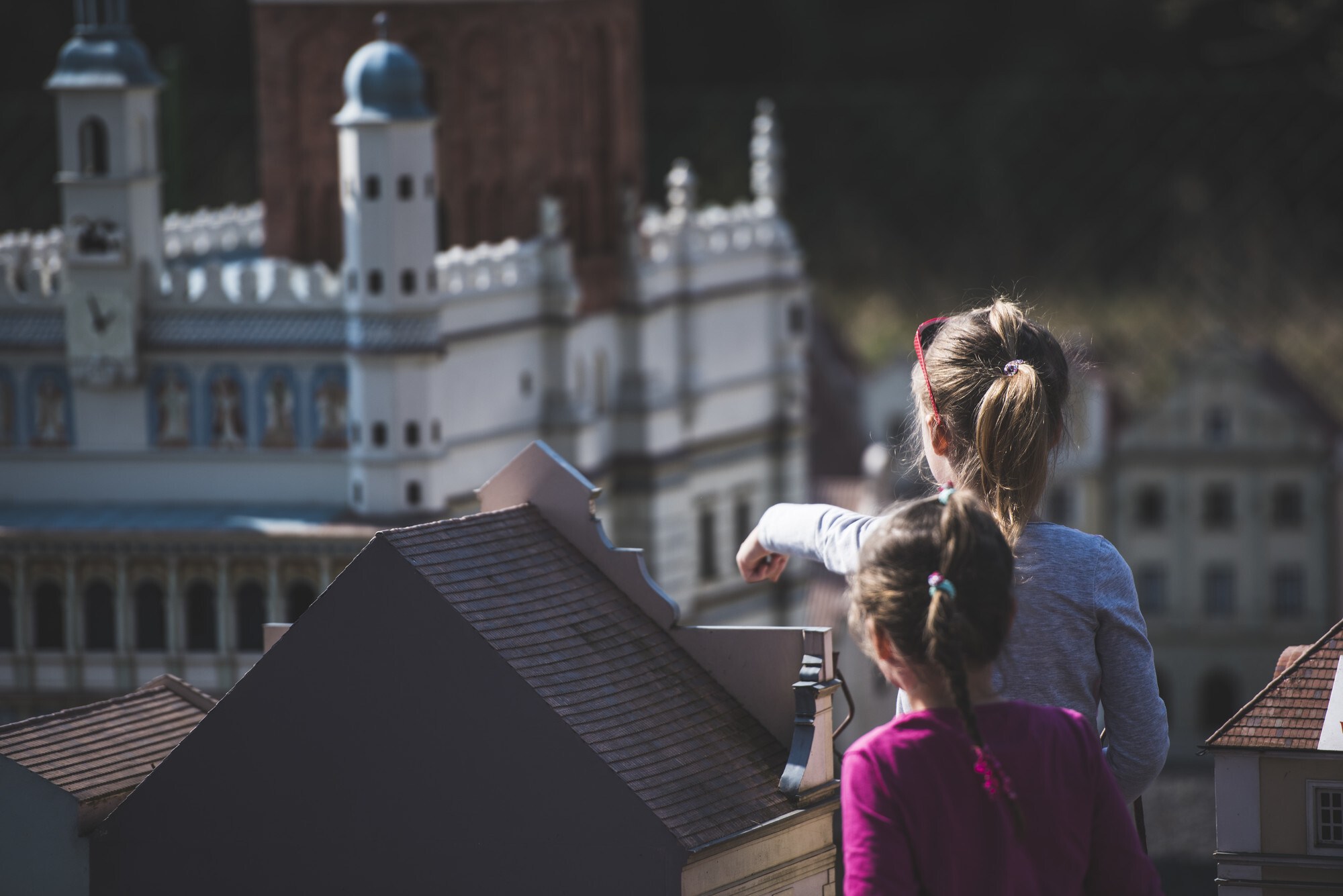
If you've ever wondered where the whole Poland thing began, you need not look any further than Gniezno - the Polish City Of Kings. A picturesque town lying 50km east of Poznań, this was effectively Poland's first capital until the seat of power shifted to Kraków and then, much later, Warsaw! However, for more than a millennia, Gniezno has remained an important centre of worship and to this day is still regarded as Poland’s ecclesiastical heart. For the visitor, it is an intriguing town full of spires and cobbles, a superb medicine to the frantic flap of urban Poland. It's an easy day trip from Poznań and you can get there with relative ease from most places in Poland. Sightseeing in Gniezno is, of course, centred around the historic foundations of the Polish state and the importance of educating the youth of these sights means that there's plenty of options for kids and young families! Essential sights here include Gniezno Cathedral, which is quite probably the site where original Polish ruler Duke Mieszko I was baptised, and its impressive bronze doors that chronicle the life of St. Adalbert (Wojciech in Polish) who was martyred while on a mission to convert Pagan Prussians on the Baltic coast. Poland's first dynasty of rulers, the Piasts, have been brought to life in the form of action-pose sculptures around Gniezno's old town. Together with small-scale models showing the different iterations of buildings and city layouts, this tourist trail is known as The Royal Route and can be tracked on a mobile phone app!
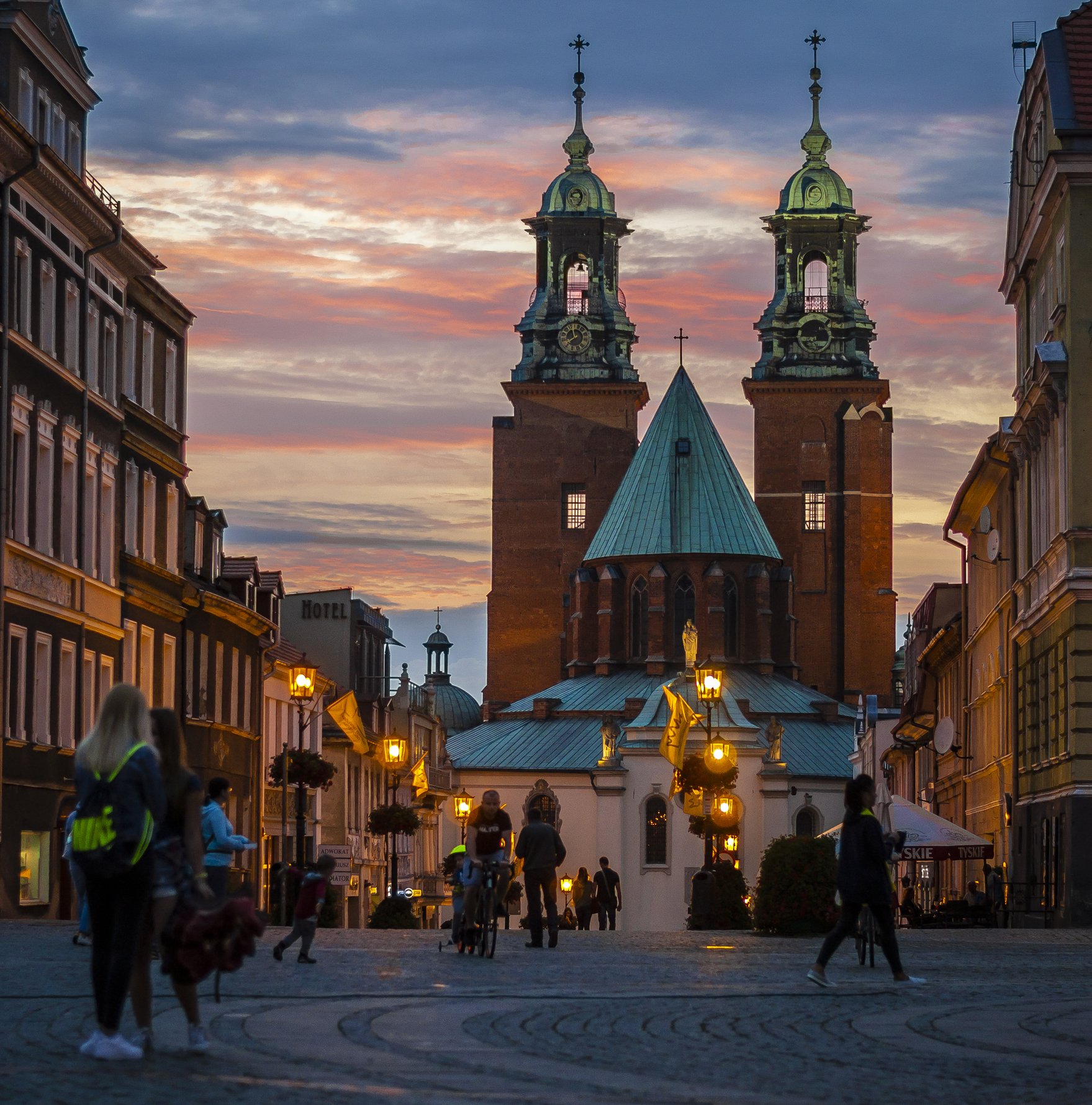
For more on Poland's 'first capital', visit our city page for Gniezno!

Gniezno - Poland's first capital is now a picturesque town lying just 50km east of Poznań
 

KŁODAWA SALT MINE

While other similar sights in country's south may steal the limelight, the Salt Mine at Kłodawa is a lesser-known attraction of the kind that is an absolute must-visit during your trip through Greater Poland. Why? Firstly, it's the deepest underground tourist route in the world . Secondly, it's a saltmine that, unlike others in Poland, is still very much in operation! Thirdly, it's the only mine in the whole of Europe that produces pink salt (y'know, the kind that we think only comes from the Himalayas!) However, it's the overall experience of touring through the mine system that is truly memorable. After descending the mine shaft via an elevator that travels at a dizzying 10km/sec, your journey opens up into the massive caverns of salt, lit with beautifully-coloured lighting to accentuate the size and ambience of this historic site. The track leads down numerous tunnel ways, tinged with strata of pink and white, and passage-ways lined with relics of mining technology that were previously used in this system. All the while you inhale the distinct aroma of 250-million-year-old pink salt, which they claim is rather good for your health! Most curiously, there are numerous places of worship along the way, and by far, the most moving sight during this tour is the Chapel of St. Kinga, beautifully carved out of salt and amazingly-preserved 600 meters below ground, where it still offers comfort and a symbolic light in the unfamiliar darkness of the mine shafts.

You might also be interested in

Leave a comment