Turkey is not a single destination for medical tourism. It is four or five destinations wearing the same national flag, each with a distinct personality, a different patient mix, and a different answer to the question of what kind of trip you want this to be.
Most articles about medical tourism in Turkey treat the country as if it were one large, undifferentiated clinic with very competitive pricing. This one will not. Because whether you are coming for a hair transplant, a smile makeover, a rhinoplasty, or weight loss surgery, the city you choose will shape your experience almost as much as the clinic itself – and the right answer depends on what you are having done, where you are flying from, and whether you want to spend your recovery sipping çay on a Bosphorus terrace or convalescing on a Mediterranean beach.
Here is an honest guide to Turkey's main medical tourism destinations.
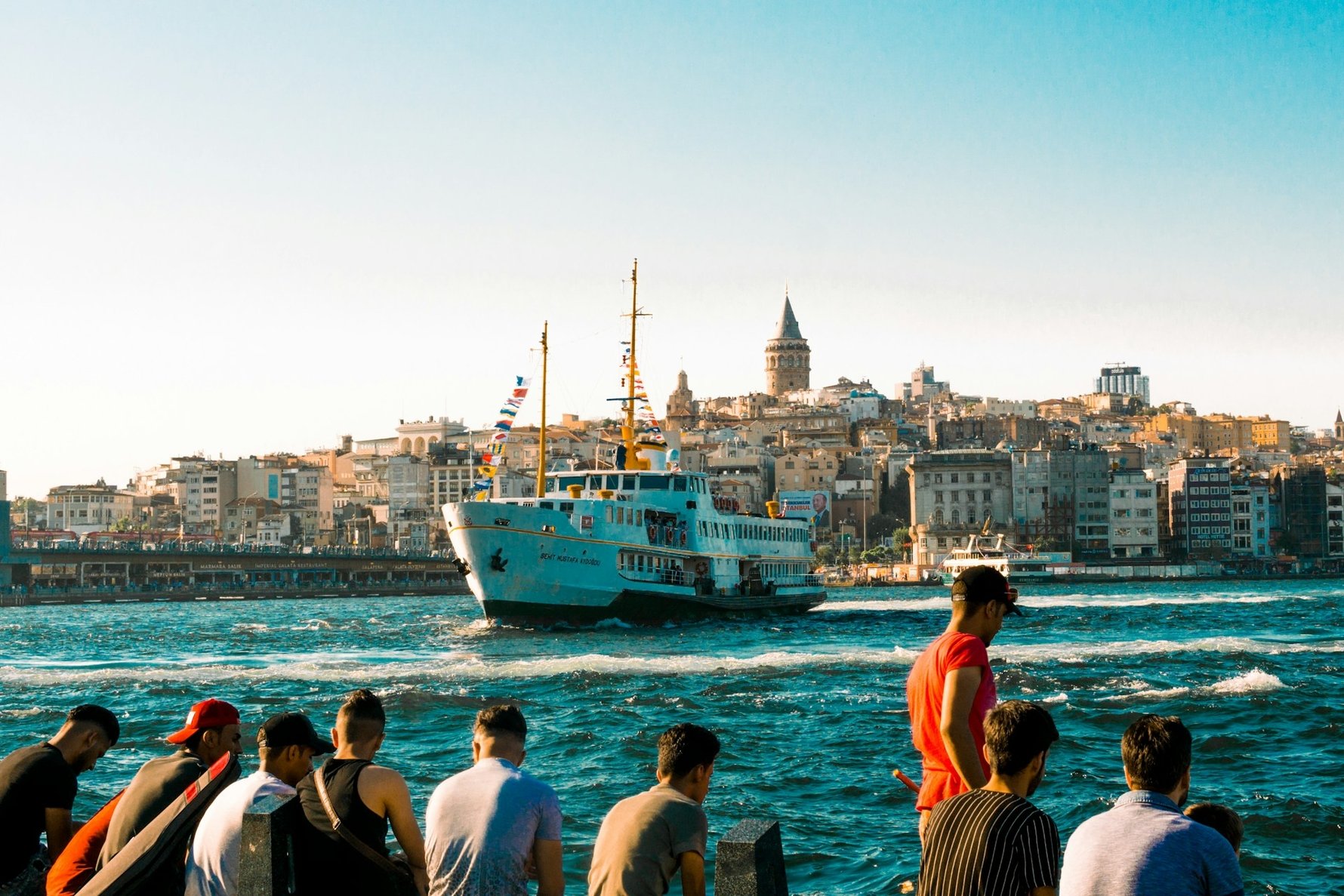
Istanbul is the undisputed capital of Turkish medical tourism and, for hair transplants specifically, arguably the busiest centre for that procedure anywhere in the world. The city is home to more than 600 private hospitals and specialist clinics, the largest concentration of JCI-accredited facilities in Turkey, and a depth of surgical expertise – particularly in hair restoration and cosmetic surgery – that no other Turkish city can match for sheer volume and specialisation.
The numbers bear this out. Istanbul surgeons at leading hair transplant clinics perform 300–500+ procedures per year. Hair transplantation accounts for over half of Turkey's medical tourism market by revenue. The city is where most modern technique refinements – Sapphire FUE, advances in DHI, natural hairline design protocols – were developed and standardised before spreading elsewhere.
For cosmetic surgery, Istanbul likewise offers the greatest depth of choice. Rhinoplasty in particular has developed an especially strong reputation here, with surgeons who handle large volumes of both primary and complex revision cases. The city's hospital infrastructure also makes it the natural home for bariatric surgery, where JCI-accredited full hospital environments are available with comprehensive pre- and post-operative support.
The trade-off is pace and scale. Istanbul is a city of 15 million people, and it does not slow down for you. It is exhilarating, culturally extraordinary, and logistically efficient – but if your vision of post-operative recovery involves tranquility, a quiet pool, and room service, Istanbul will test you. The city rewards patients who want to explore between appointments; it is less well-suited to those who want to do nothing but heal in peace.
There is also the quality-tier issue. Istanbul's sheer volume of clinics includes a well-documented layer of unlicensed or low-quality operators alongside its excellent top tier. Due diligence – licensing, surgeon credentials, verified reviews – matters more here than anywhere else in Turkey simply because of the number of options, good and bad, competing for your attention.
Best for: Hair transplants, cosmetic surgery (especially rhinoplasty and complex procedures), bariatric surgery, patients who want the widest choice of clinics and surgeons, those who want to combine treatment with genuine city tourism.
Fly into: Istanbul Airport (IST) on the European side, or Sabiha Gökçen (SAW) on the Asian side. Most international patients use IST; check which airport your clinic packages from, as transfers from SAW to European-side clinics can be lengthy.
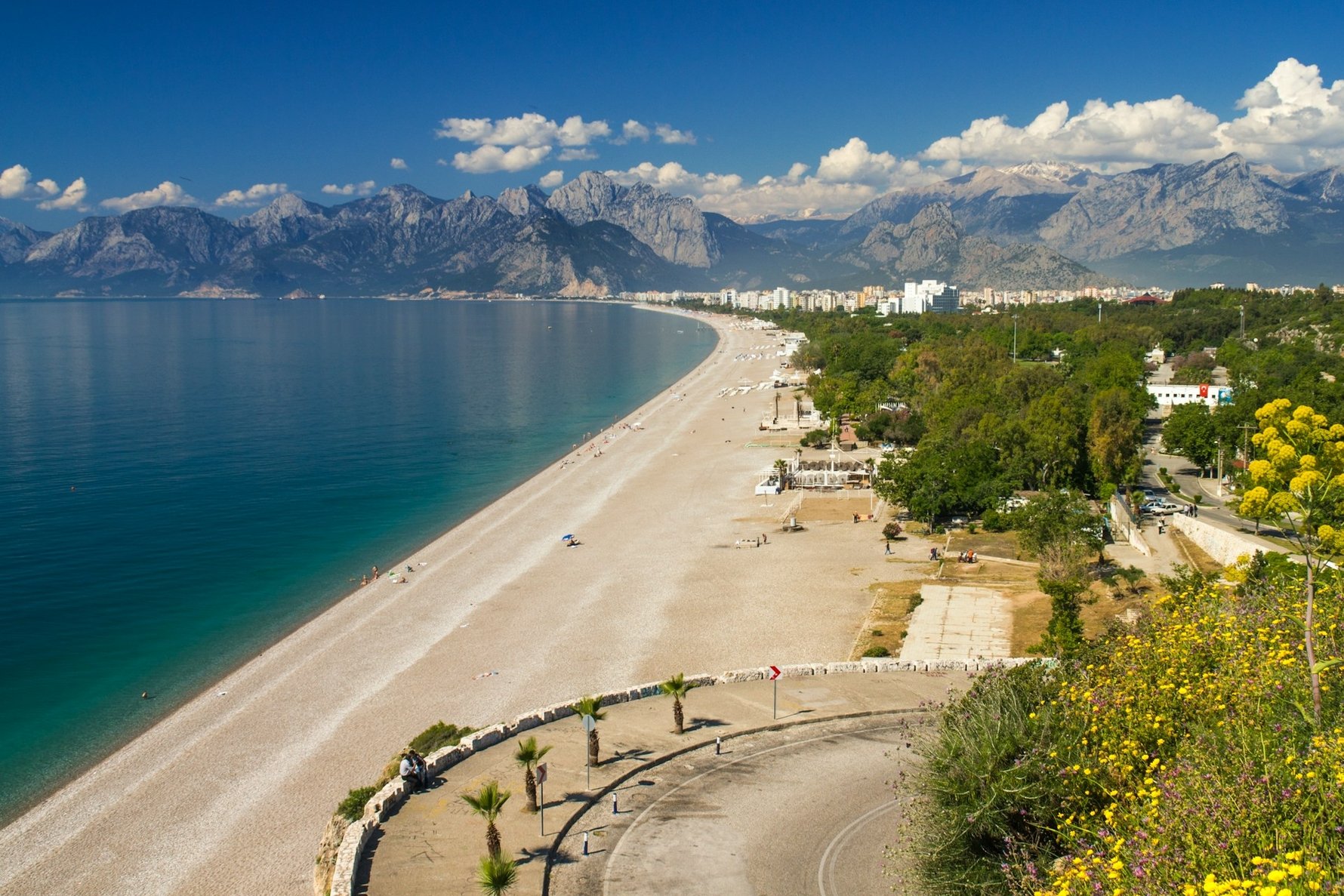
Antalya is Istanbul's main rival for international medical tourism patients, and the contrast between the two cities is the point. Where Istanbul is a metropolis, Antalya is a resort city – compact, warm for most of the year, oriented around its coastline, and specifically geared towards making medical tourists feel like they are on a rather unusual but thoroughly pleasant holiday.
The city has developed a particularly strong reputation for dental tourism and cosmetic surgery, with a cluster of well-regarded clinics that serve large numbers of patients from the UK, Germany, and Northern Europe. Prices are generally 10–20% lower than Istanbul for comparable procedures, reflecting lower accommodation and operational costs. Direct flight options from the UK, Germany, and Scandinavia are often excellent – Antalya Airport is one of Europe's busiest charter hubs – which makes the logistics considerably simpler for patients from those markets.
The recovery environment is Antalya's signature advantage. Patients routinely describe combining their treatment with a genuinely restful stay: beach hotels, warm weather (the city averages over 300 days of sunshine per year), and a slower pace that suits the post-operative period better than a major metropolis. For procedures requiring five to seven days of recovery before flying – veneers, hair transplants, liposuction – the ability to convalesce comfortably without feeling like you're missing out on city life is a real asset.
Hair transplant clinics in Antalya are fewer in absolute number than Istanbul but include several well-regarded practices with strong international reputations. Dental clinics are plentiful and experienced with foreign patients. Cosmetic surgery for body contouring procedures – liposuction, tummy tuck, breast augmentation – is well-served. For the most complex surgical cases or procedures requiring full hospital infrastructure, Istanbul retains the edge, but for the majority of elective cosmetic and aesthetic treatments, Antalya's offer is fully competitive.
Best for: Dental tourism, cosmetic surgery (especially body contouring), hair transplants, patients from the UK, Germany, and Northern Europe who value direct flight options, anyone who wants a genuine recovery environment rather than a city itinerary.
Fly into: Antalya Airport (AYT). Excellent direct connections from the UK, Germany, Scandinavia, and the Netherlands. Most clinics include airport transfers in their packages.
Izmir: The Aegean Alternative
Izmir is Turkey's third-largest city, a modern, cosmopolitan port on the Aegean coast with a distinctly different character from both Istanbul and Antalya. It is less frenetic than the former, less resort-oriented than the latter – a working city with a strong local identity, beautiful seafront promenades, and proximity to some of Turkey's most significant ancient sites, including Ephesus.
For medical tourism, Izmir occupies a solid mid-tier position. It has established clinics for hair transplants, cosmetic surgery, dental work, and weight loss surgery, often at prices slightly below Antalya and noticeably below Istanbul. The city is less saturated with medical tourists than the other two, which some patients find refreshing – you are less likely to be in a hotel corridor full of people in recovery bandanas.
The surgical case volume at Izmir's leading clinics is lower than Istanbul, which cuts both ways: surgeons may bring more individual attention to each patient, but they will not have the sheer repetition-built expertise of Istanbul's highest-volume practitioners. For most standard cosmetic and aesthetic procedures this distinction matters little; for highly complex or revisional cases, Istanbul remains the stronger choice.
Izmir's location on the Aegean makes it genuinely appealing as a travel destination in its own right – it is Turkey's most laid-back major city by some margin – and the day-trip possibilities (Ephesus, Çeşme, Pamukkale within reach) make a longer recovery stay more enjoyable. Direct flight connections from Western Europe are improving but not yet as comprehensive as Istanbul or Antalya, which for some patients makes it a less convenient option despite the appeal.
Best for: Hair transplants, dental work, cosmetic surgery, bariatric procedures, patients who want a less crowded medical tourism experience, those who want to combine treatment with Aegean coast tourism.
Fly into: Adnan Menderes Airport (ADB). Good connections from major European hubs; fewer direct options from the UK than Istanbul or Antalya.
Ankara: The Medical Infrastructure Choice
Ankara is Turkey's capital and home to some of the country's most sophisticated hospital infrastructure – the large university hospitals, specialist research centres, and private hospital groups that handle complex oncological, cardiovascular, orthopaedic, and transplant cases. It is not primarily a destination for elective cosmetic or aesthetic medical tourism in the way the other cities are, but it deserves a mention for patients whose needs go beyond the cosmetic verticals.
For patients seeking treatment for serious conditions – cancer care, organ transplants, complex orthopaedic procedures, advanced fertility treatment – Ankara's concentration of major hospital groups (Memorial, Acibadem, Medicana all have significant presence here) makes it a serious option. The city's medical community is academic in character, with strong ties to international research institutions and a culture of evidence-based practice that suits complex cases well.
As a travel destination, Ankara is functional rather than romantic – a planned capital city rather than an ancient one, with good infrastructure and fewer tourist distractions. For patients who want to focus entirely on treatment without the temptation of sightseeing, that can actually be an advantage.
Best for: Complex medical procedures, oncology, orthopaedics, transplant care, fertility treatment; patients whose primary driver is clinical capability rather than the travel experience.
Fly into: Esenboğa Airport (ESB). Well connected to major European hubs.
Beyond the Big Four: Bursa and Bodrum
Two other cities occasionally come up in medical tourism discussions and are worth a brief mention.
Bursa, Turkey's fourth-largest city south of Istanbul, has a growing cluster of affordable clinics – particularly for dental work and hair transplants – and attracts mainly regional patients from within Turkey and neighbouring countries. For international travellers from Western Europe, the lack of direct flight connections limits its practical appeal, though prices are among the lowest in the country.
Bodrum is an increasingly fashionable destination for patients who specifically want to combine elective cosmetic treatment with a high-end holiday. The city has a small but growing number of clinics catering to an upmarket international clientele, and its luxury hotel infrastructure – one of the best on the Turkish coast – makes for an unquestionably pleasant recovery environment. It is not a volume destination and the clinic choices are more limited than the main cities, but for the right procedure with the right mindset, it represents a genuinely distinctive option.
Which City for Which Treatment?
A quick practical summary:
Hair transplants: Istanbul for maximum surgeon choice and expertise; Antalya for a strong alternative with a more relaxed recovery setting; Izmir as a solid third option.
Cosmetic surgery (rhinoplasty, facelifts, complex procedures): Istanbul. The depth of specialisation and case volume here is unmatched in Turkey for the most demanding work.
Cosmetic surgery (body contouring, breast augmentation, standard procedures): Istanbul or Antalya – comparable quality, Antalya offering a superior recovery environment at a slight cost advantage.
Dental tourism (veneers, implants, smile makeovers): Istanbul or Antalya, both excellent. Izmir also strong. Antalya suits patients from the UK and Northern Europe best for flight convenience.
Bariatric / weight loss surgery: Istanbul, where full JCI-accredited hospital infrastructure is most available. Izmir also has competent bariatric programmes.
Complex medical procedures (oncology, orthopaedics, transplants): Ankara or Istanbul's major hospital groups.
Best overall recovery environment: Antalya or Bodrum for beach and resort comfort; Izmir for Aegean charm without the crowds.
A Note on Combining Treatment with Tourism
One of the genuinely underrated aspects of medical tourism in Turkey – and one that IYP is well placed to talk about – is that the country is a superb travel destination entirely on its own terms. A patient flying to Istanbul for a hair transplant who arrives a day or two early has Hagia Sophia, the Grand Bazaar, the Bosphorus, and one of the world's great food cities to explore. A patient recovering in Antalya has the old Roman harbour, the Taurus Mountains, and beaches that require very little from a post-operative body beyond lying on them.
This is not a trivial consideration. Recovery is easier when the environment is pleasant, when there is something to look forward to beyond the next check-up, and when the overall experience does not feel purely clinical. Turkey's combination of world-class medical infrastructure and genuinely compelling travel destinations is one of the reasons it has built such dominance in medical tourism – and it is an argument for building in a day or two of exploration either side of your procedure, once your surgeon has cleared you to do so.