Stretching along nearly the entire course of the Biebrza River in North-Eastern Poland, the park is best known for its birdlife. More than 270 species have been recorded here, including ruff, aquatic warbler, crane and eagle owl, while the marshes serve as a vital refuge for migrating waders across Central Europe. Spring is particularly spectacular, when flooded meadows transform into a living mosaic of water, sky and birdsong, attracting nature photographers and birdwatchers from across the continent.
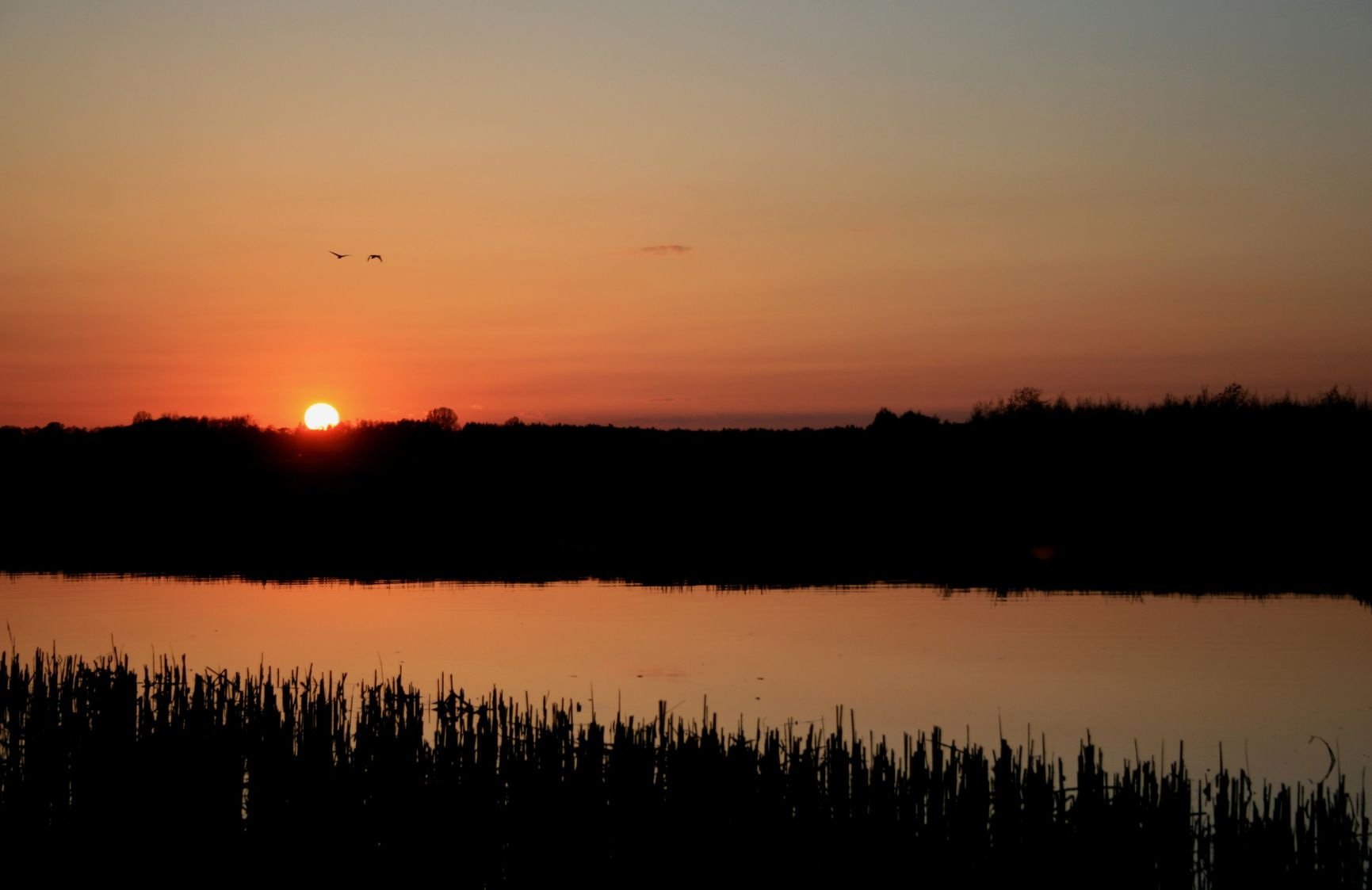
Sunset over Biebrza National Park in Poland's north east. Photo by Tomasz Dutkiewicz.
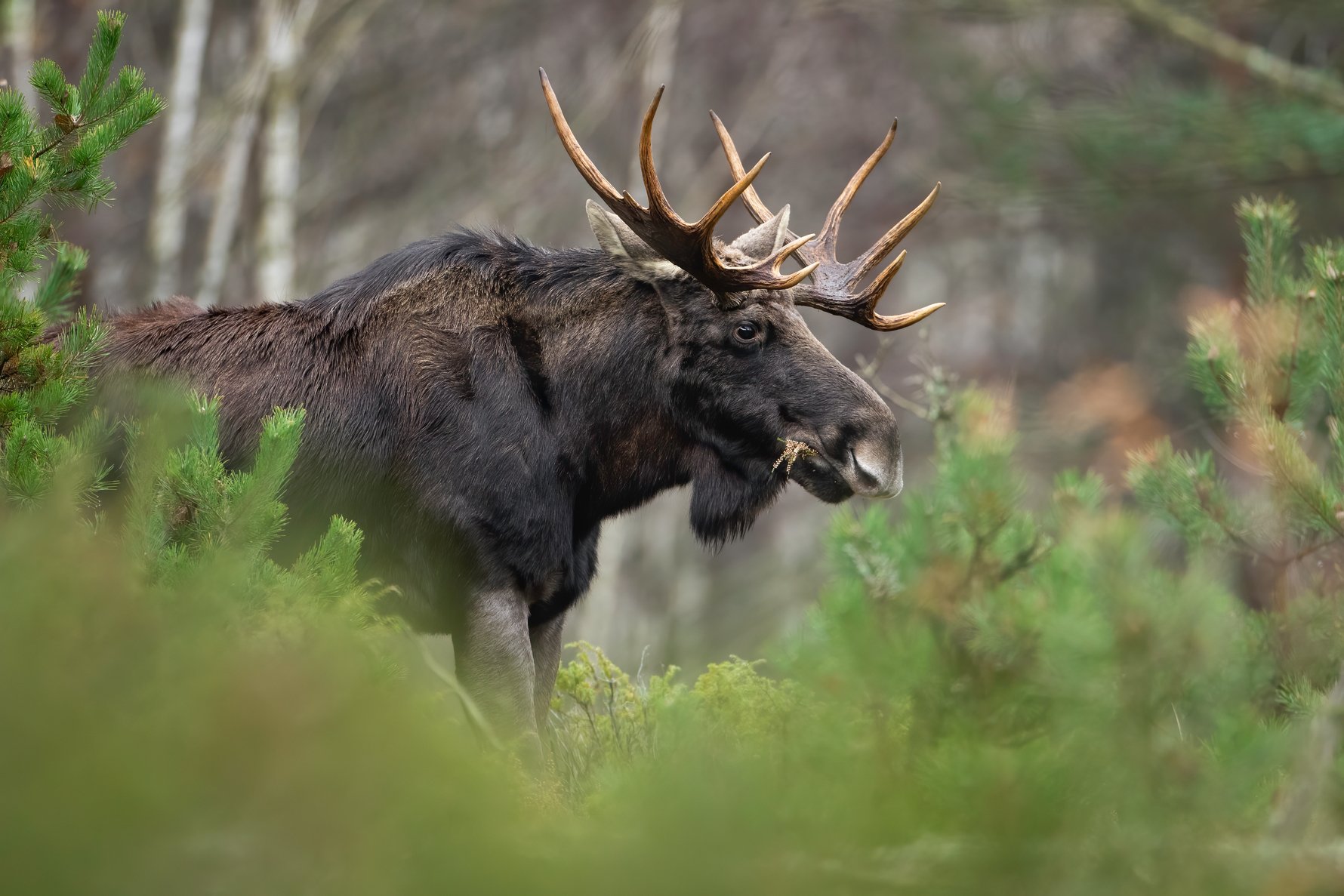
The park is equally famous as Poland’s prime stronghold of the Eurasian moose, whose population thrives among willow thickets and wetlands rarely disturbed by human activity. Beaver, otter and countless amphibians share these habitats, alongside rare plants such as orchids, sundews and relic northern species more typical of tundra and taiga environments.
Eurasian Moose grazing in Biebrza National Park. Photo by Grzegorz.
Unlike mountain parks built around dramatic viewpoints, Biebrza rewards patience and quiet observation. Raised boardwalks, cycling routes and canoe trails allow visitors to explore its shifting marsh landscape without disturbing fragile ecosystems, while the historic stronghold at Osowiec-Twierdza marks the park’s administrative heart. Wild, remote and refreshingly untouched, Biebrza National Park offers a rare glimpse of lowland Europe as it once was—vast, waterlogged and alive with birds.
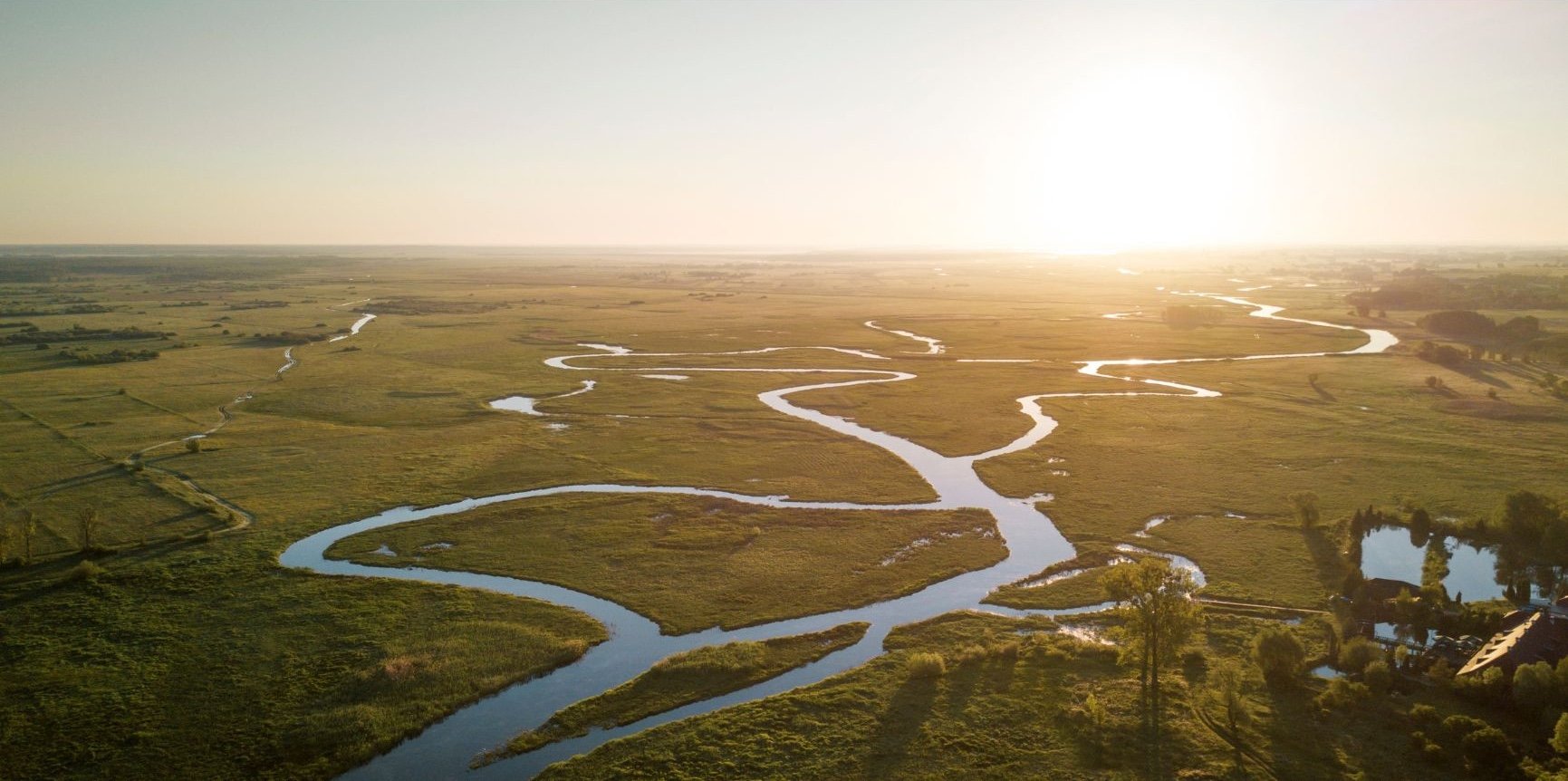
Biebrza National Park near Białystok.
Located 40km north-west of Białystok, Biebrza National Park is a 2-hour drive from Warsaw, meaning it's a doable day trip. Staying locally, however, will give you more time to explore!



Comments